EN
EN


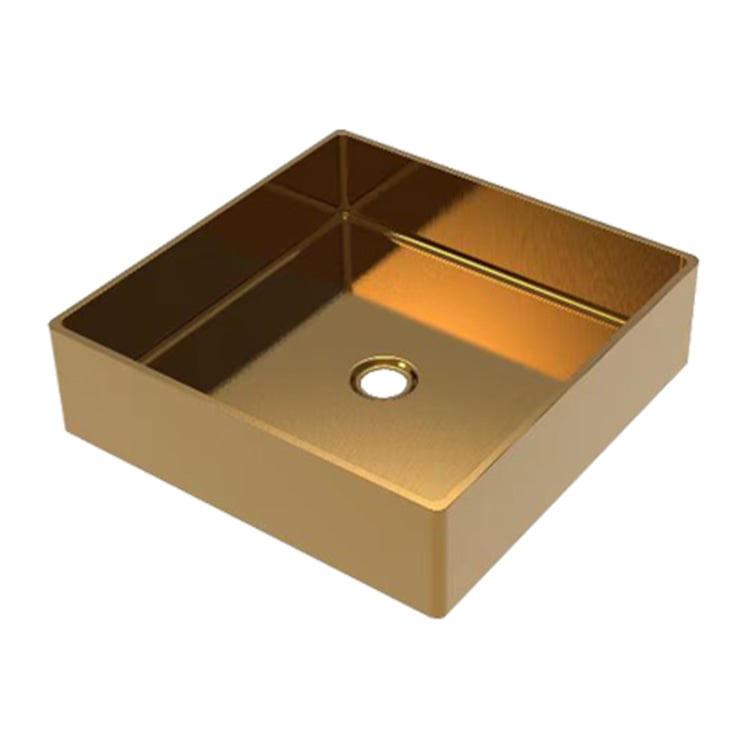
Understanding what issues can develop in bathroom sink performance over time is essential for homeowners, facility managers, and property developers who want to maintain functional, hygienic, and aesthetically pleasing bathroom environments. A bathroom sink serves as one of the most frequently used fixtures in residential and commercial settings, and its performance can degrade through various mechanisms including material deterioration, installation defects, plumbing system failures, and accumulated wear from daily use. Recognizing the specific problems that emerge over time allows for proactive maintenance strategies, informed purchasing decisions, and timely interventions that prevent costly repairs or complete fixture replacement.
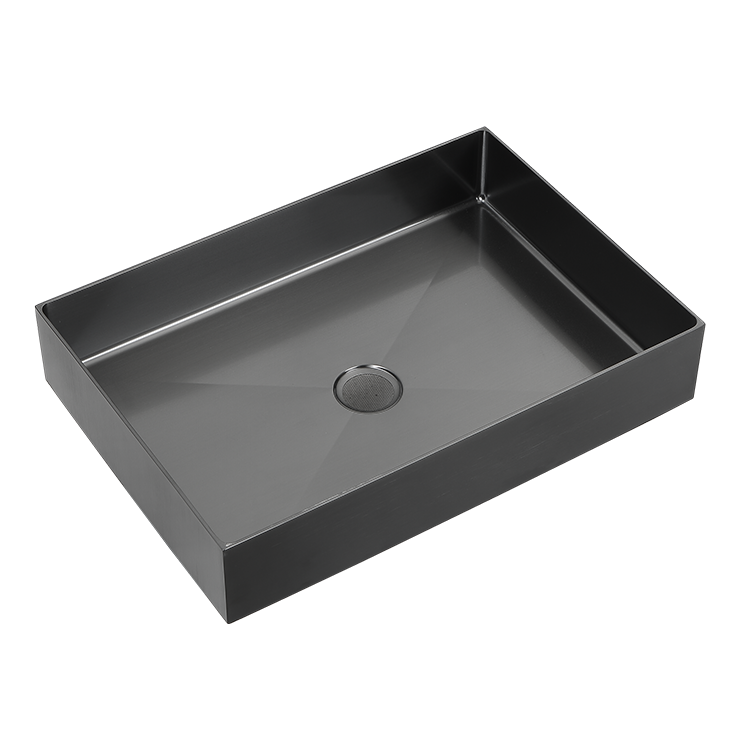
Performance degradation in a bathroom sink manifests through multiple symptom categories that affect both functionality and user experience. These issues range from visible surface damage and drainage complications to structural integrity problems and hygiene concerns. The rate and severity of performance decline depend on material quality, installation precision, water chemistry, usage intensity, and maintenance practices. This article examines the specific issues that develop in bathroom sink performance over time, exploring the underlying causes, progressive nature of deterioration, and practical implications for different stakeholder groups in residential, hospitality, healthcare, and commercial property sectors.
Surface Deterioration and Finish Degradation
Scratching and Abrasion Patterns
Surface scratching represents one of the most common issues that develop in bathroom sink performance over time, particularly affecting the visual appeal and hygiene maintenance of the fixture. Scratches accumulate through daily contact with jewelry, belt buckles, cosmetic containers, and cleaning tools that create micro-abrasions in the sink surface. Porcelain and ceramic bathroom sink surfaces develop visible scratch patterns that appear as fine white lines where the glaze layer has been compromised, exposing the underlying clay body to potential staining. Stainless steel bathroom sink units show directional scratching that becomes more pronounced over time, especially when abrasive cleaning products or scouring pads are used regularly.
The progression of scratching issues follows predictable patterns based on usage zones within the bathroom sink. The basin center and areas immediately surrounding the drain experience the highest concentration of abrasive contact, while overflow areas and outer rim sections typically show less severe scratching. In commercial environments where bathroom sink usage intensity is significantly higher than residential settings, scratch accumulation occurs at accelerated rates, with noticeable surface degradation appearing within twelve to eighteen months of installation. These scratches create micro-textured surfaces that trap soap residue, mineral deposits, and bacterial growth, transforming a purely aesthetic issue into a functional hygiene concern.
Staining and Discoloration Problems
Staining represents a progressive issue in bathroom sink performance that affects both appearance and perceived cleanliness, with different stain types developing based on water chemistry, usage patterns, and material characteristics. Hard water staining appears as whitish or yellowish mineral deposits that accumulate around faucet bases, in basin depressions, and along water flow paths where evaporation concentrates dissolved minerals. These calcium and magnesium deposits initially appear as light films but progressively build into hardened scale formations that resist standard cleaning methods. The bathroom sink surface beneath these deposits may experience etching where acidic water or cleaning products react with the finish material.
Rust staining emerges as a distinct performance issue in bathroom sink installations where ferrous metal components contact the sink surface or where iron-rich water flows through the fixture. These reddish-brown stains typically appear as streaks or concentrated spots that penetrate porous surfaces and require specialized treatment for removal. Organic staining from cosmetics, hair products, and soap residues creates additional discoloration patterns that vary by user habits and product chemistry. The cumulative effect of multiple stain types transforms the bathroom sink appearance from its original finish to a patchy, inconsistent surface that communicates poor maintenance and detracts from overall bathroom aesthetics.
Finish Erosion and Material Exposure
Finish erosion represents a critical degradation mechanism where the protective coating or glaze layer on a bathroom sink gradually wears away, exposing underlying substrate materials to direct contact with water, chemicals, and physical abrasion. Porcelain enamel bathroom sink surfaces develop localized erosion zones where repeated impact or chemical exposure compromises the vitreous glaze, revealing the base metal or ceramic body. These eroded areas appear as dull patches with different texture and color characteristics compared to intact glazed sections, and they become preferential sites for staining and corrosion progression.
The erosion process accelerates when harsh cleaning chemicals containing strong acids or alkalis are applied regularly to the bathroom sink surface, gradually dissolving the protective finish layer. In high-traffic commercial bathroom sink installations, mechanical erosion from constant contact creates wear patterns concentrated in specific functional zones. Once the protective finish is compromised, the exposed substrate material may react with water to produce rust, corrosion, or material dissolution that fundamentally alters the bathroom sink structure. This transition from surface finish degradation to substrate-level damage represents a critical threshold where cosmetic issues evolve into functional performance failures requiring fixture replacement.
Drainage System Complications
Slow Drainage and Partial Blockages
Slow drainage represents one of the most frequently encountered functional issues in bathroom sink performance, developing gradually as accumulating debris restricts water flow through drain components. Hair accumulation forms the primary blockage material in residential bathroom sink drains, with individual strands combining with soap residue, skin cells, and product buildup to create dense mats that progressively narrow the drain passage. These partial blockages initially manifest as slightly slower water evacuation that users may dismiss as normal variation, but the restriction progressively worsens as additional material accumulates on the existing obstruction.
The bathroom sink drain system includes multiple restriction points where blockages commonly develop, including the pop-up stopper mechanism, the P-trap curve, and horizontal drain runs where flow velocity decreases. Soap scum combines with mineral deposits from hard water to create a paste-like coating on drain pipe interiors that gradually reduces effective diameter and increases flow resistance. In bathroom sink installations serving multiple users or commercial facilities, the rate of blockage development accelerates proportionally to usage intensity. The progression from minor drainage slowness to complete blockage typically occurs over months or years depending on hair length, water chemistry, and maintenance practices, but the functional impact becomes noticeable when drainage time exceeds user patience thresholds.
Complete Drain Clogs and Backup Events
Complete drain clogs represent the end-stage of progressive blockage development in a bathroom sink, where accumulated debris fully obstructs water passage and creates standing water conditions that prevent fixture use. These total blockages typically occur when a large debris item lodges against an existing partial restriction, or when accumulated material finally bridges the entire drain cross-section. The bathroom sink becomes non-functional for its primary purpose, requiring immediate intervention to restore drainage capability and prevent water damage to surrounding surfaces and structural elements.
Backup events introduce additional complications beyond simple drainage failure, potentially forcing contaminated water back through the bathroom sink drain or causing overflow conditions when users continue water flow despite blockage. These situations create hygiene concerns as drain water contains bacterial populations, dissolved organic matter, and chemical residues that should not contact bathroom surfaces or user skin. The standing water in a blocked bathroom sink also provides breeding grounds for microbial growth and produces unpleasant odors that permeate the bathroom environment. Recovery from complete clogs requires mechanical intervention with drain snakes, chemical drain cleaners, or professional plumbing services, each approach carrying specific risks for drain component damage or user safety concerns.
Drain Component Mechanical Failures
Mechanical failures in bathroom sink drain components represent distinct performance issues that develop independently from blockage problems, affecting the control mechanisms and sealing functions essential for proper operation. Pop-up drain stoppers develop linkage wear, spring fatigue, and adjustment looseness that progressively degrades their ability to seal the drain opening or operate smoothly through the lift mechanism. The connecting rod between the faucet-mounted control lever and the stopper pivot experiences bending, corrosion, or connection point wear that eventually prevents proper stopper positioning.
Drain flange seals deteriorate over time as rubber or silicone gasket materials lose elasticity, compress permanently, or develop chemical degradation from cleaning product exposure. These seal failures allow water to bypass the intended drainage path and leak into cabinet spaces below the bathroom sink, creating moisture damage conditions and potential structural problems. The drain tailpiece connection to the P-trap may develop looseness as threaded connections work free from vibration and thermal cycling, or as compression washers degrade and lose sealing capability. Each mechanical failure mode produces distinct symptoms ranging from visible water leakage to subtle drainage inefficiency, but all represent progressive deterioration that requires component replacement or comprehensive drain system service.
Structural and Installation-Related Issues
Mounting and Support Degradation
Mounting system degradation represents a critical structural issue that develops in bathroom sink installations over time, affecting fixture stability and potentially leading to catastrophic failure events. Wall-mounted bathroom sink units rely on bracket systems anchored into wall framing or blocking, with these mounting points experiencing constant downward force from fixture weight and dynamic loading from user contact. Anchor point deterioration occurs through multiple mechanisms including wood rot in moisture-exposed framing, fastener corrosion that reduces holding strength, and bracket metal fatigue from repeated stress cycles.
Undermount bathroom sink installations face specific mounting challenges as the fixture hangs from the countertop underside through adhesive bonds and mechanical clips that must resist both gravitational forces and the twisting moments generated when users lean against the basin edge. The adhesive materials used in these installations experience gradual bond strength reduction as water vapor penetrates the joint, temperature cycling creates differential expansion stresses, and chemical exposure from cleaning products degrades polymer structures. Visual indicators of mounting degradation include increasing gap width between the bathroom sink rim and mounting surface, slight fixture movement when pressure is applied, and alignment changes where previously centered fixtures shift position relative to plumbing connections.
Crack Development and Propagation
Crack development represents one of the most serious structural issues affecting bathroom sink performance, transforming a functional fixture into a leaking liability that threatens surrounding structures and materials. Initial crack formation typically occurs at stress concentration points including drain mounting holes, overflow openings, faucet mounting locations, and sharp internal corners where geometric transitions create elevated stress levels. These micro-cracks may exist from manufacturing or installation but remain invisible until progressive extension makes them apparent as hairline fractures visible on the bathroom sink surface.
The crack propagation process accelerates through thermal cycling as hot and cold water alternately expand and contract the bathroom sink material, driving crack tips deeper into the structure with each temperature change. Impact events from dropped objects create instantaneous crack initiation or sudden extension of existing cracks, with the damage sometimes remaining hidden until subsequent stress exposure causes further propagation. Porcelain and ceramic bathroom sink materials exhibit brittle fracture behavior where cracks extend rapidly once initiated, while composite materials may show more gradual crack growth with visible crazing patterns preceding catastrophic failure. Once through-thickness cracks develop, water leakage begins immediately, and the structural integrity of the entire bathroom sink becomes compromised, necessitating urgent replacement to prevent water damage to cabinetry, flooring, and structural framing.
Sealant Joint Failures
Sealant joint failures represent a pervasive issue in bathroom sink installations where silicone or other flexible sealants create water barriers between the fixture and surrounding surfaces. These joints experience constant exposure to water, temperature fluctuations, cleaning chemicals, and mechanical movement that progressively degrade sealant performance. The degradation process begins with loss of adhesion along one or both bonded surfaces as moisture undermines the sealant-substrate interface, creating pathways for water infiltration behind the apparently intact seal.
Sealant material degradation proceeds through multiple mechanisms including UV exposure from bathroom lighting that breaks down polymer chains, mold and mildew growth that physically disrupts the sealant structure, and chemical attack from alkaline cleaning products that dissolve or soften the material. The bathroom sink perimeter joint experiences particularly severe conditions as standing water collects in the seal depression and cleaning activities concentrate harsh chemicals at this interface. Visual indicators of sealant failure include discoloration from black or pink mold growth, separation gaps between the sealant and substrate surfaces, and sealant texture changes from smooth elasticity to brittle or sticky consistency. These failed joints allow water to penetrate into wall cavities, under countertops, and into cabinet structures where chronic moisture exposure causes rot, corrosion, and mold proliferation.
Plumbing Connection Deterioration
Faucet Interface Problems
Faucet interface problems develop as critical functional issues affecting bathroom sink performance, where the connections between water supply lines and the faucet fixture degrade over time. Supply line connections utilize compression fittings, threaded joints, or quick-connect mechanisms that depend on gasket seals and precise thread engagement to prevent leakage. These connection points experience constant water pressure, temperature fluctuations, and minor vibration from water flow turbulence that gradually loosens threaded connections or degrades sealing components.
The flexible supply lines connecting shutoff valves to faucet inlets represent particularly vulnerable components in the bathroom sink plumbing system, with braided stainless steel hoses concealing internal rubber or polymer tubes that may develop deterioration invisible from external inspection. These supply lines experience fatigue from pressure pulsations, chemical degradation from water treatment additives, and thermal cycling that hardens rubber components and reduces flexibility. Catastrophic failure of a supply line creates immediate flooding conditions with water discharge rates of several gallons per minute that can cause extensive damage before shutoff valves are located and closed. The bathroom sink installation accumulates increasing leak risk as these components age, with failure probability rising significantly after eight to ten years of service depending on water quality and pressure conditions.
Trap Configuration Issues
P-trap configuration issues develop as both functional and code-compliance problems in bathroom sink drain systems, where improper installation or component degradation affects drainage performance and sewer gas isolation. The P-trap maintains a water seal that prevents sewer gases from entering the bathroom space through the sink drain, but this seal can be compromised through multiple mechanisms including evaporation during extended non-use periods, siphoning due to improper venting, and mechanical displacement from excessive pressure differentials.
Trap configuration problems manifest as periodic odor events where sewer gases bypass the water seal and enter the bathroom environment, creating unpleasant smells that suggest drainage system failure even when water flow functions normally. The trap water seal may experience complete loss in bathroom sink installations that remain unused for weeks or months, allowing free gas passage until water flow restores the barrier. Improper trap installation with excessive horizontal run length, inadequate slope, or incorrect vent placement creates chronic drainage problems and seal loss tendencies that persist throughout the fixture's service life. These configuration issues require plumbing system modification rather than simple component replacement, involving drain line repositioning and potentially structural access work to correct underlying installation deficiencies.
Leak Development at Connection Points
Connection point leaks represent one of the most common plumbing issues affecting bathroom sink performance, developing at threaded joints, compression fittings, and gasket-sealed interfaces throughout the supply and drainage systems. These leaks typically begin as minor seepage producing slight moisture rather than visible dripping, allowing them to persist undetected while causing progressive damage to cabinet interiors and structural elements. The gradual nature of connection point degradation means that bathroom sink installations may leak for months before symptoms become obvious through water staining, mold growth, or structural deterioration.
Multiple factors contribute to connection point leak development including gasket compression set where rubber seals permanently deform and lose recovery capability, thread galling where metal-to-metal friction creates rough surfaces that prevent proper sealing, and thermal cycling that repeatedly stresses joint components. The bathroom sink drain connection to the tailpiece represents a particularly leak-prone location as the slip-joint nut and washer must seal against both axial compression and slight misalignment between components. Supply line connections at the faucet shank and shutoff valve experience similar challenges with the added complication of constant water pressure driving leakage through any seal imperfection. Professional inspection of bathroom sink plumbing connections every few years allows early detection and correction of developing leaks before they cause significant damage.
Hygiene and Maintenance Challenges
Biofilm Accumulation and Bacterial Growth
Biofilm accumulation represents a progressive hygiene issue in bathroom sink systems where bacterial colonies establish complex communities on wet surfaces throughout the fixture and drainage components. These biofilms develop as individual bacterial cells attach to the bathroom sink surface, secrete protective polysaccharide matrices, and recruit additional microorganisms to form structured communities resistant to normal cleaning procedures. The moist environment with regular organic matter input from soap residues, skin cells, and personal care products provides ideal conditions for rapid biofilm maturation.
The overflow channel in a bathroom sink creates particularly favorable biofilm habitat as this enclosed space receives regular water exposure but rarely experiences direct cleaning action. Biofilm growth in overflow passages produces characteristic musty odors and may harbor pathogenic bacteria including Pseudomonas and Legionella species that pose health risks in healthcare and hospitality environments. The drain system below the visible bathroom sink surface supports extensive biofilm development on pipe interiors, P-trap surfaces, and any horizontal surfaces where flow velocity drops sufficiently for bacterial attachment. These established biofilms resist removal through normal water flushing and may require specific disinfection protocols using oxidizing chemicals or mechanical disruption to eliminate bacterial populations.
Mold and Mildew Colonization
Mold and mildew colonization develops as a distinct hygiene problem in bathroom sink environments where moisture accumulation combines with organic material availability to support fungal growth. The sealant joints surrounding the bathroom sink perimeter provide ideal habitat for mold establishment as water collects in these crevices and silicone materials develop surface roughness that facilitates fungal attachment. Black mold species produce visible dark discoloration along seal lines and in basin corners where water pools after each use cycle.
Pink mildew caused by Serratia marcescens bacteria appears as slimy films on bathroom sink surfaces that remain consistently moist, including overflow rims, faucet bases, and drain flanges. These microbial growths produce aesthetic degradation that communicates poor hygiene regardless of actual cleaning frequency, and they regenerate rapidly after removal through surface wiping alone. The bathroom sink faucet aerator provides another colonization site where screen mesh traps organic particles and maintains moisture conditions favorable for microbial growth. Comprehensive mold and mildew control requires addressing the underlying moisture conditions rather than simply removing visible growth, involving improved ventilation, more frequent drying of bathroom sink surfaces, and periodic deep cleaning of all fixture components.
Odor Development and Persistence
Odor development represents a complex performance issue in bathroom sink systems where multiple odor sources combine to create unpleasant bathroom environments despite regular cleaning efforts. Drain odors originate from decomposing organic matter trapped in P-traps and drain lines, bacterial metabolic byproducts from biofilm communities, and sewer gases that bypass compromised trap seals. These odors intensify during warm weather when elevated temperatures accelerate bacterial metabolism and increase volatile compound evaporation rates.
The bathroom sink overflow passage generates distinct musty odors as trapped moisture and organic debris decompose in this enclosed space that rarely receives direct cleaning attention. Mineral deposits on the bathroom sink surface and within drain components provide rough textures that trap odor-generating materials resistant to removal through normal water flushing. The cumulative effect of multiple odor sources creates persistent unpleasant smells that suggest poor hygiene and degrade the user experience in residential bathrooms and seriously compromise service quality in commercial facilities. Effective odor control requires systematic identification and treatment of each contributing source rather than attempting to mask symptoms with air fresheners or perfumed cleaning products that provide only temporary relief.
FAQ
How long does a typical bathroom sink last before performance issues become severe?
A typical bathroom sink can last fifteen to twenty years before performance issues become severe enough to warrant replacement, though this lifespan varies significantly based on material quality, installation precision, water chemistry, usage intensity, and maintenance practices. High-quality porcelain or vitreous china bathroom sink fixtures in residential settings with proper maintenance often exceed twenty-five years of satisfactory service, while lower-grade materials or commercial installations with intensive use may require replacement within ten to fifteen years. The transition from minor cosmetic issues to functional performance failures typically accelerates in the final years of fixture life as multiple degradation mechanisms compound. Regular maintenance including drain cleaning, sealant renewal, and plumbing connection inspection can extend bathroom sink service life significantly by addressing developing issues before they progress to failure conditions.
What causes a bathroom sink to develop cracks even without obvious impact damage?
Bathroom sink cracks can develop without obvious impact damage through thermal stress accumulation, manufacturing defects, improper installation practices, and progressive material fatigue from repeated stress cycles. Thermal stress cracking occurs when hot water repeatedly contacts cold porcelain or ceramic surfaces, creating localized expansion that generates tensile stresses exceeding material strength. Manufacturing defects including internal voids, glaze-to-body adhesion flaws, and geometric stress concentrations create crack initiation sites that propagate gradually under normal use conditions. Improper installation that creates uneven support or point loading rather than distributed weight transfer generates chronic stress concentrations that eventually produce cracks. The bathroom sink mounting system degradation can shift fixture position and alter support patterns, introducing new stress distributions that initiate cracking. These mechanisms explain why bathroom sink cracks sometimes appear suddenly despite careful use, representing the culmination of progressive damage accumulation rather than instantaneous failure events.
Why does my bathroom sink drain slowly even after removing visible blockages?
Bathroom sink drains continue flowing slowly even after visible blockage removal when partial obstructions exist deeper in the drain system beyond the P-trap, when biofilm coatings reduce effective pipe diameter throughout drain lines, when improper drain venting creates negative pressure that resists water flow, or when drain pipe slope is insufficient for gravity-driven drainage. The drain system extends well beyond the immediately accessible components under the bathroom sink, with blockages potentially located in horizontal runs, vertical stacks, or main building drains that require professional equipment for detection and clearing. Biofilm accumulation creates progressive flow restriction through diameter reduction rather than complete blockage, with the slimy coating continuing to impede drainage even when solid debris is removed. Venting problems prevent proper air exchange during drainage events, creating suction that slows water evacuation from the bathroom sink basin. These underlying issues require comprehensive drain system evaluation rather than simple trap cleaning to restore proper drainage performance.
Can hard water alone cause serious damage to bathroom sink performance over time?
Hard water can indeed cause serious damage to bathroom sink performance over time through multiple mechanisms including scale buildup that restricts drainage and damages finish surfaces, mineral etching that permanently mars glazed finishes, accelerated corrosion of metal components, and interference with cleaning product effectiveness. Calcium and magnesium minerals dissolved in hard water precipitate as solid deposits when water evaporates from bathroom sink surfaces, creating crusty white or yellowish scale formations that progressively thicken with continued exposure. These mineral deposits accumulate in drain passages and on aerator screens, creating flow restrictions that degrade functional performance. The acidic cleaning products often used to remove hard water deposits can themselves damage bathroom sink finishes through chemical etching, creating a cycle of damage and aggressive cleaning that accelerates deterioration. Metal components including faucets, drain parts, and mounting hardware experience accelerated corrosion in hard water conditions as mineral deposits trap moisture against metal surfaces and create localized electrochemical cells. The cumulative impact of hard water exposure over years or decades can reduce bathroom sink service life by thirty to fifty percent compared to installations with treated or naturally soft water.
Table of Contents
- Surface Deterioration and Finish Degradation
- Drainage System Complications
- Structural and Installation-Related Issues
- Plumbing Connection Deterioration
- Hygiene and Maintenance Challenges
-
FAQ
- How long does a typical bathroom sink last before performance issues become severe?
- What causes a bathroom sink to develop cracks even without obvious impact damage?
- Why does my bathroom sink drain slowly even after removing visible blockages?
- Can hard water alone cause serious damage to bathroom sink performance over time?