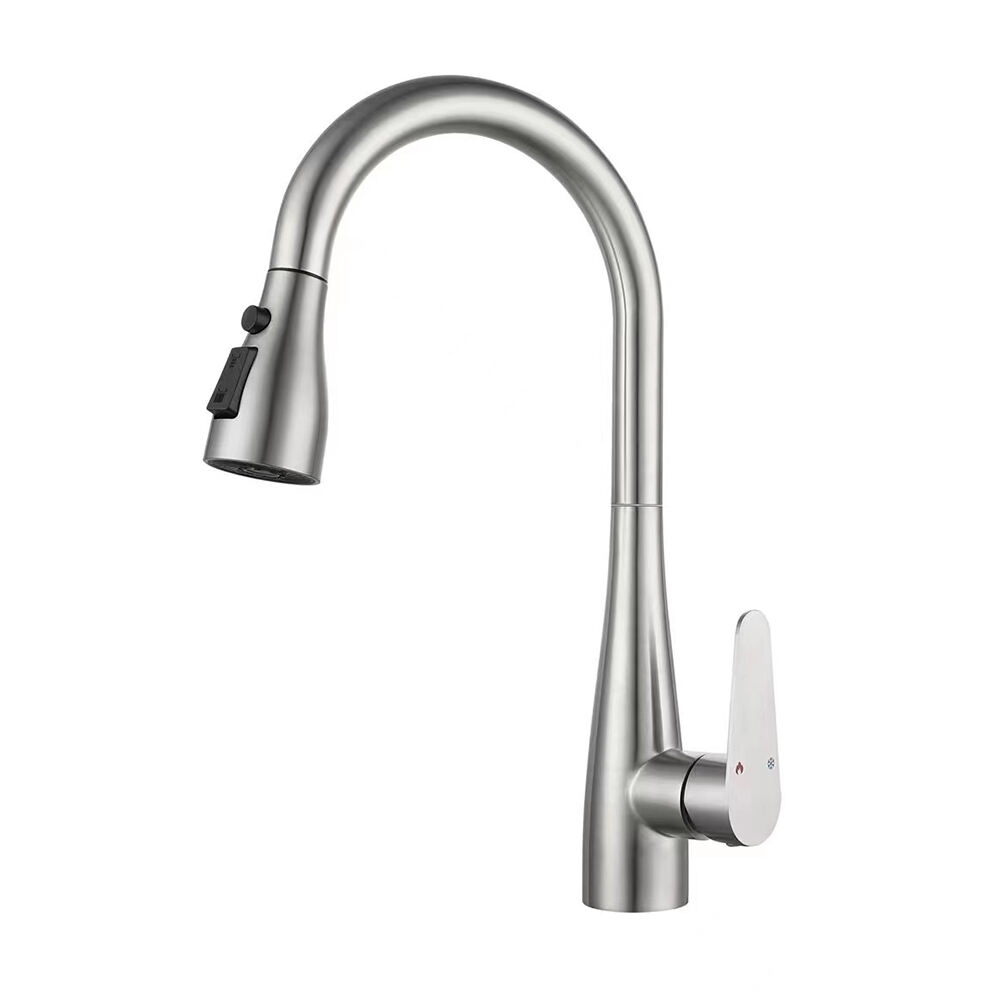
Κατασκευή Υψηλής Ποιότητας Υλικών
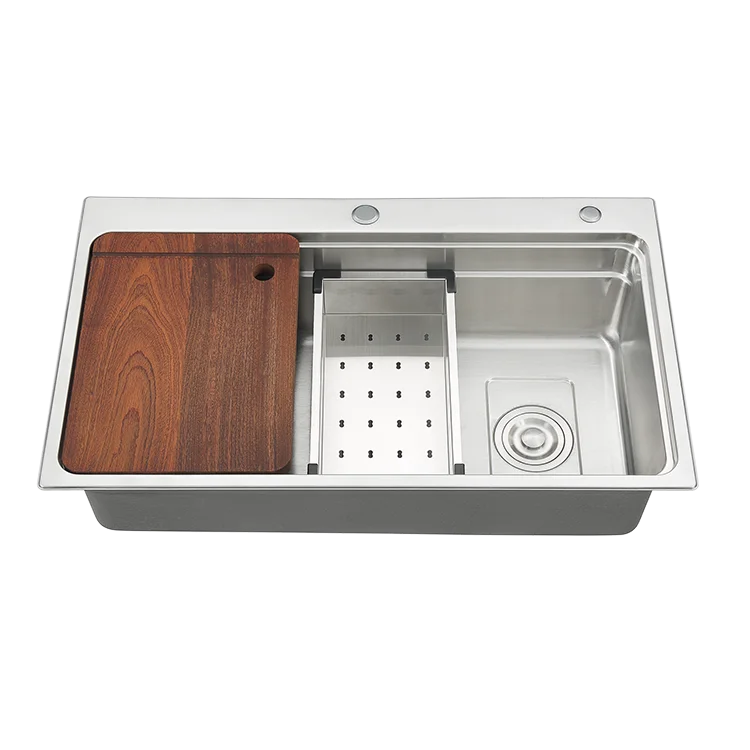
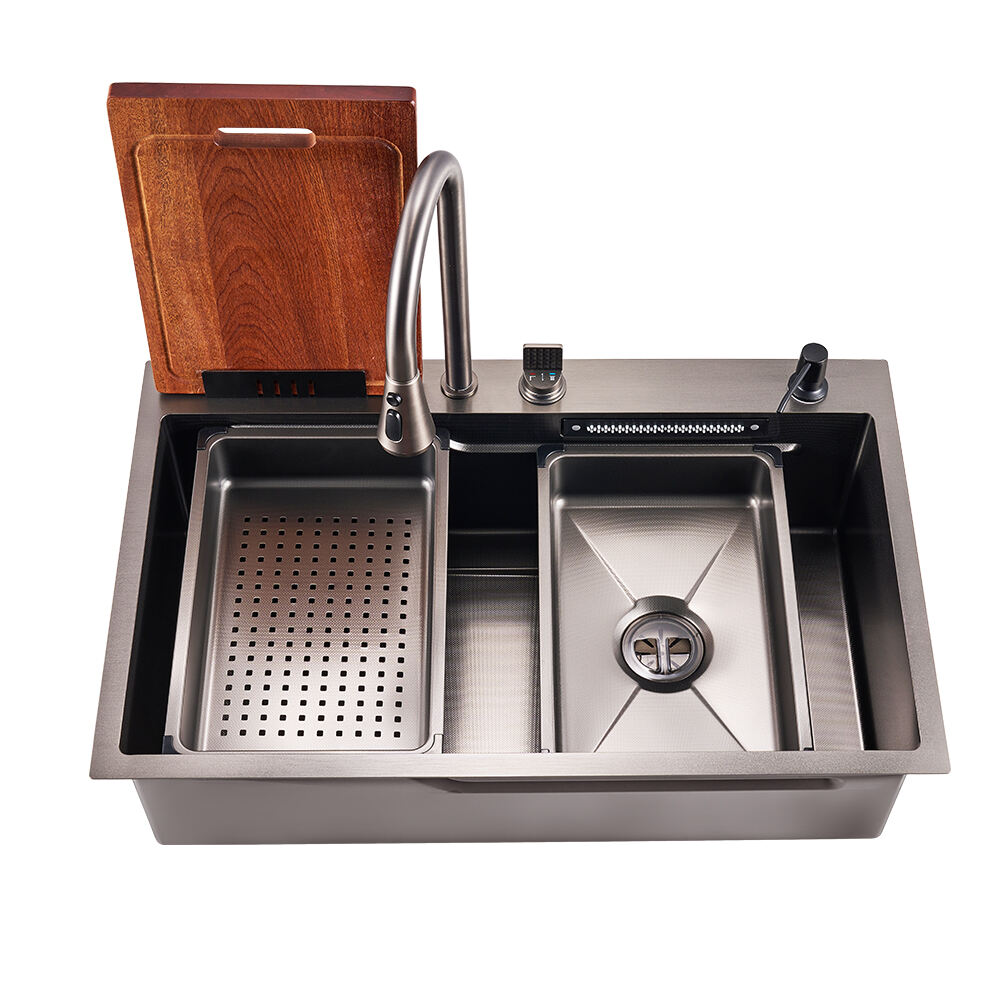
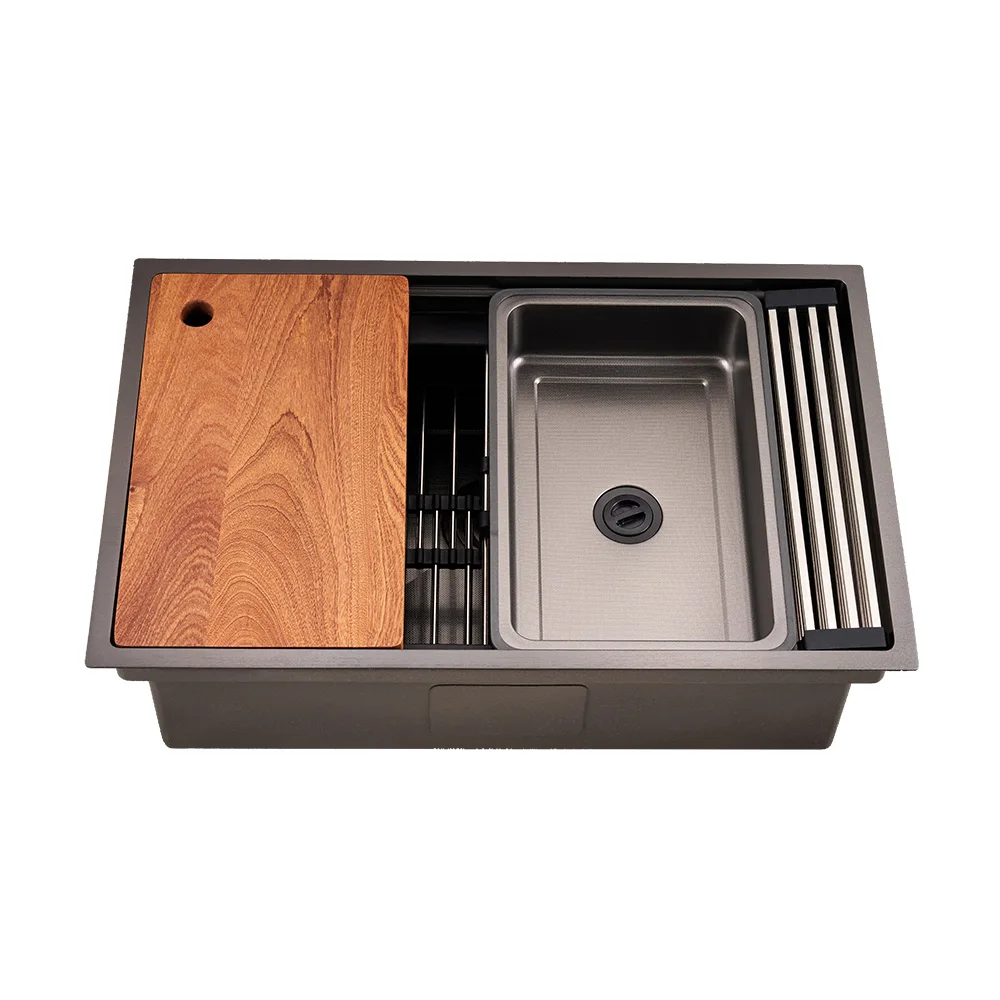
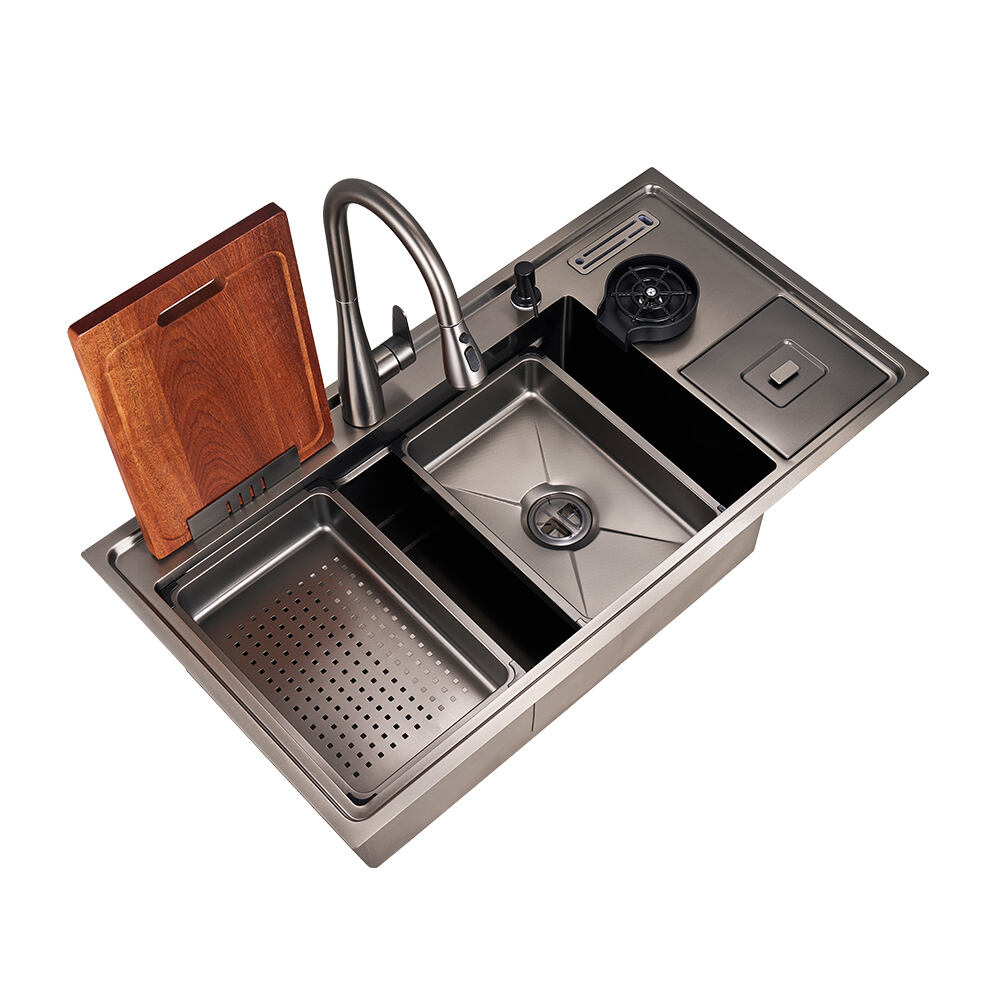
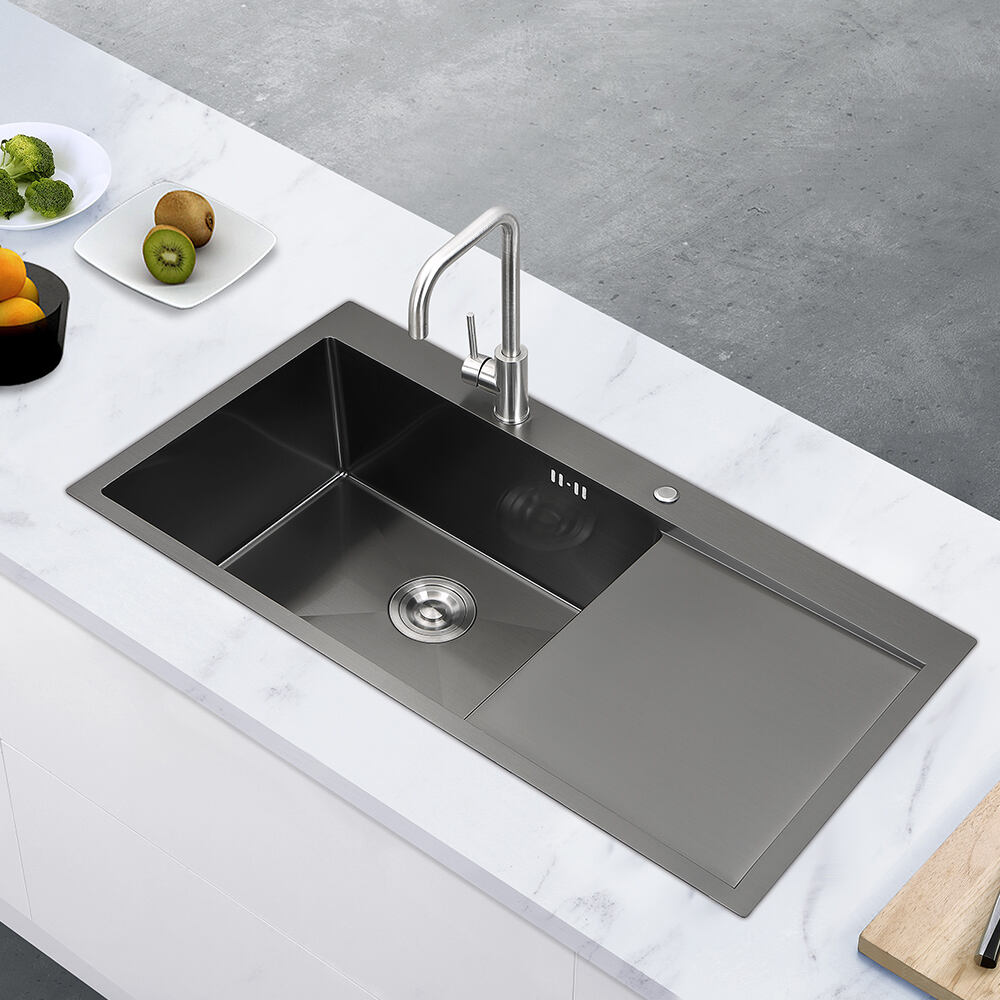
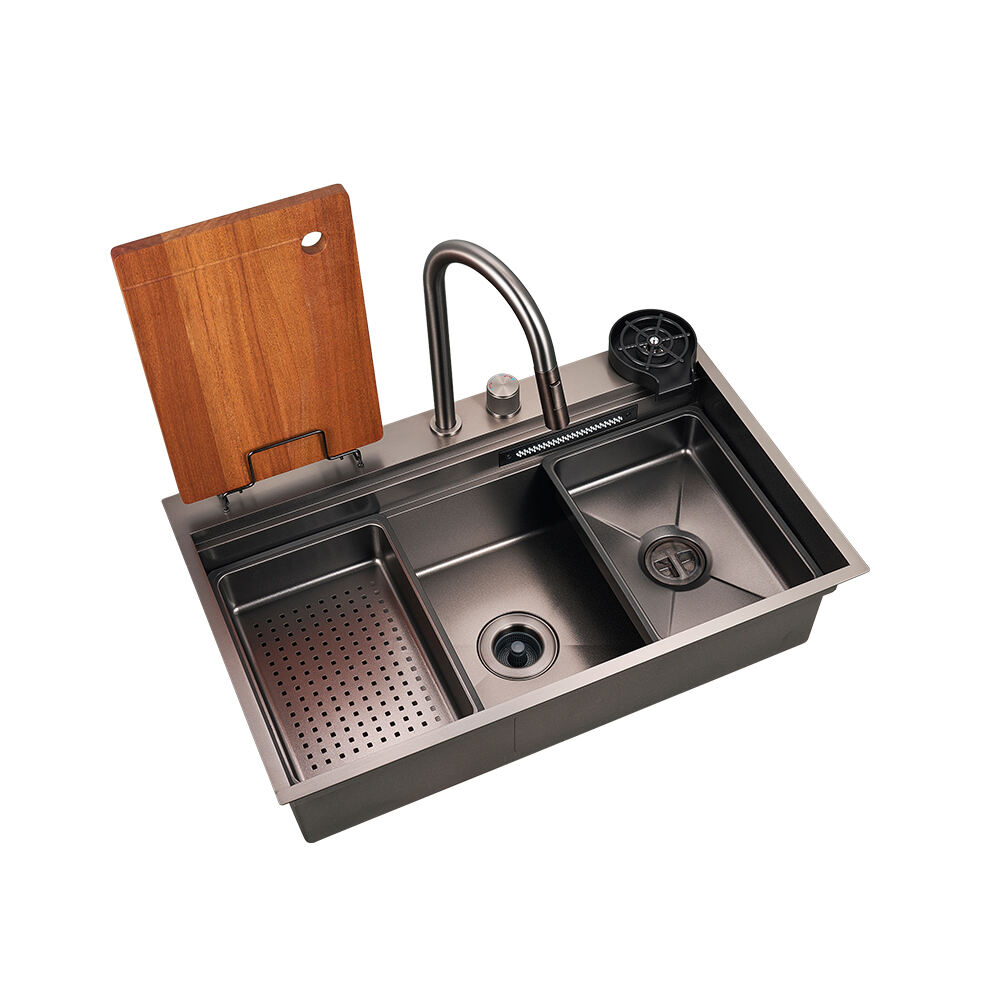
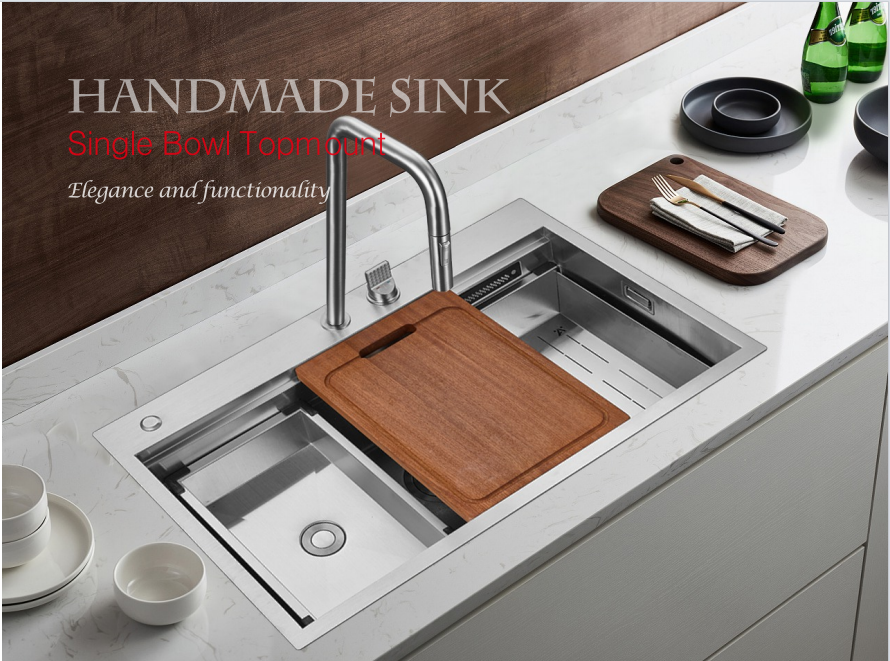
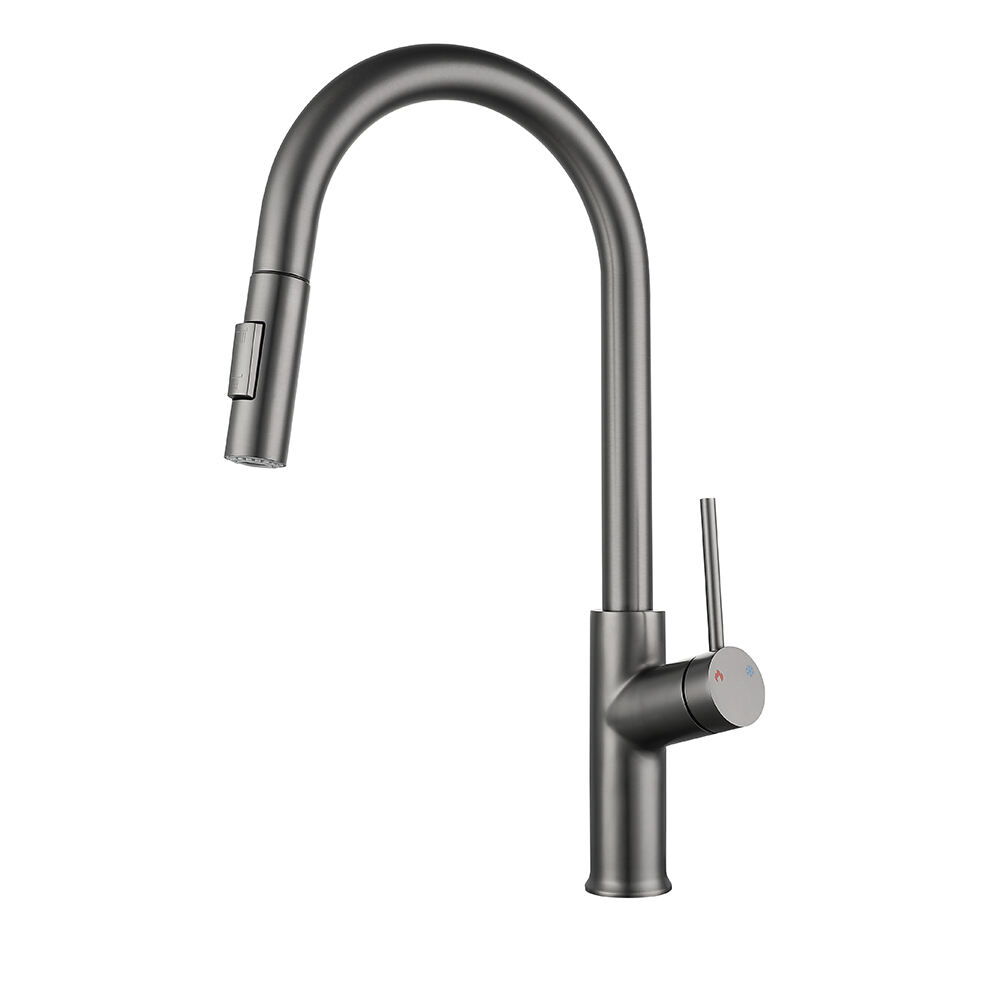
Η κατασκευή από πρώτης κατηγορίας υλικά αποτελεί τη βάση για εξαιρετική απόδοση, μεγάλη διάρκεια ζωής και αισθητική έκφραση των κουζινικών μπρίζες, μέσω προσεκτικά επιλεγμένων συστατικών που αντιστέκονται στη διάβρωση, διατηρούν τη δομική ακεραιότητα και παρέχουν δεκαετίες αξιόπιστης λειτουργίας ακόμα και σε απαιτητικές συνθήκες λειτουργίας. Το ανοξείδωτο χάλυβα υψηλής ποιότητας αποτελεί το βασικό υλικό κατασκευής, προσφέροντας ανώτερη αντίσταση στη σκουριά, τις κηλίδες και την ανάπτυξη βακτηρίων, ενώ διατηρεί τη λαμπερή του εμφάνιση παρά τον συχνό καθαρισμό και την έκθεση σε διάφορα τροφιμικά οξέα και καθαριστικά χημικά. Οι προηγμένες μεταλλουργικές διαδικασίες που χρησιμοποιούνται στην κατασκευή κουζινικών μπρίζες πρώτης κατηγορίας εξασφαλίζουν ομοιόμορφη δομή κόκκων, βέλτιστα χαρακτηριστικά σκληρότητας και βελτιωμένη αντοχή σε κόπωση, προλαμβάνοντας έτσι το σχηματισμό ρωγμών ή παραμορφώσεων λόγω θερμικών κύκλων και μηχανικής τάσης. Ειδικές επιφανειακές επεξεργασίες, όπως επεξεργασίες με «μπρούσι» (brushed), πολύστρωτη χρωμίωση με λαμπερή επιφάνεια και εφαρμογή σκόνης (powder coating), δεν βελτιώνουν μόνο την οπτική έκφραση, αλλά προσφέρουν επιπλέον προστασία έναντι περιβαλλοντικής υποβάθμισης και των φυσιολογικών φθορών της καθημερινής χρήσης. Οι τεχνικές κατασκευής πρώτης κατηγορίας περιλαμβάνουν ακριβή μηχανική κατεργασία, αδιάκοπη συγκόλληση και πρότυπα ελέγχου ποιότητας που εξαλείφουν αδύναμα σημεία και δυνητικούς τρόπους αστοχίας, οι οποίοι συνήθως παρατηρούνται σε εξαρτήματα χαμηλότερης ποιότητας. Τα εσωτερικά εξαρτήματα χρησιμοποιούν προηγμένες κεραμικές δίσκους-καρτρίτζ, ακριβώς μηχανοκατεργασμένα καθίσματα βαλβίδων και σφραγίσματα ανθεκτικά στη διάβρωση, τα οποία διασφαλίζουν ομαλή λειτουργία και απόλυτη στεγανότητα καθ’ όλη τη διάρκεια της εκτεταμένης χρήσης. Ισχυρά συστήματα στήριξης και ενισχυμένα σημεία σύνδεσης εξασφαλίζουν ασφαλή εγκατάσταση που αντέχει τις μηχανικές τάσεις της καθημερινής χρήσης, της λειτουργίας του μηχανισμού ανασύρσιμης μπρίζας (pull-out) και των τυχαίων κρούσεων, χωρίς χαλάρωση ή δομική υποβάθμιση. Οι λειτουργίες αντίστασης στο περιβάλλον προστατεύουν τα υλικά πρώτης κατηγορίας από τη βλάβη που προκαλείται από το χλώριο, τις αποθέσεις μεταλλικών αλάτων του σκληρού νερού και τις ακραίες θερμοκρασίες, οι οποίες διαφορετικά θα μπορούσαν να επηρεάσουν αρνητικά την απόδοση ή την εμφάνιση με την πάροδο του χρόνου. Η επένδυση σε κατασκευή από πρώτης κατηγορίας υλικά μεταφράζεται σε μειωμένες ανάγκες συντήρησης, χαμηλότερο κόστος αντικατάστασης και αυξημένη αξία της περιουσίας, δικαιολογώντας έτσι την αρχική επένδυση μέσω μακροπρόθεσμων πλεονεκτημάτων απόδοσης και αισθητικής διαρκείας, η οποία διατηρεί την ελκυστικότητα της κουζίνας για χρόνια ενώπιον.
 EN
EN