EN
EN

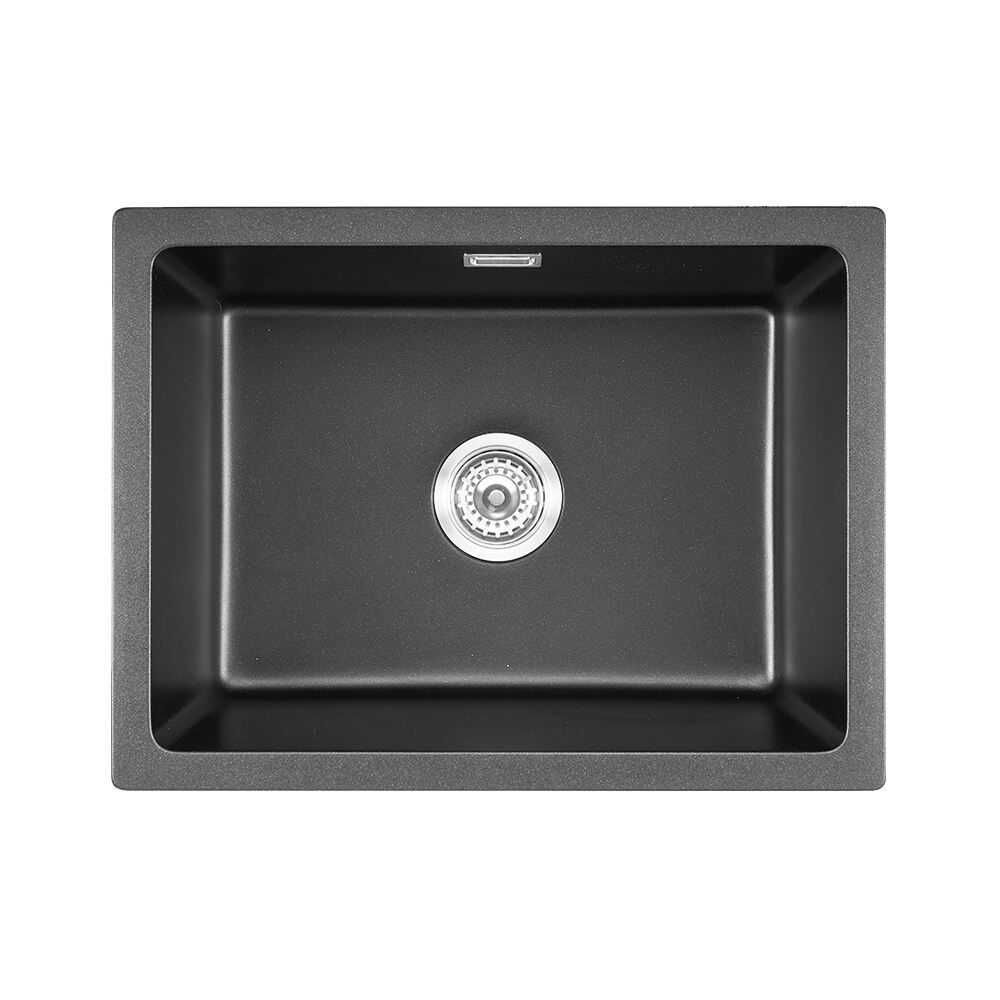
Razumijevanje kada treba zamijeniti kupaonsku umivaonik ključno je za održavanje funkcionalnosti i estetskog izgleda vašeg doma. Većina vlasnika se pita o idealnom vremenskom roku za zamjenu armatura, a odgovor ovisi o nekoliko čimbenika uključujući kvalitetu materijala, navike korištenja i prakse održavanja. Dobro održavan kupaonski umivaonik može trajati od 15 do 30 godina, ali prepoznavanje znakova koji ukazuju da je vrijeme za zamjenu može vas sačuvati od skupih popravaka i potencijalne štete od vode.
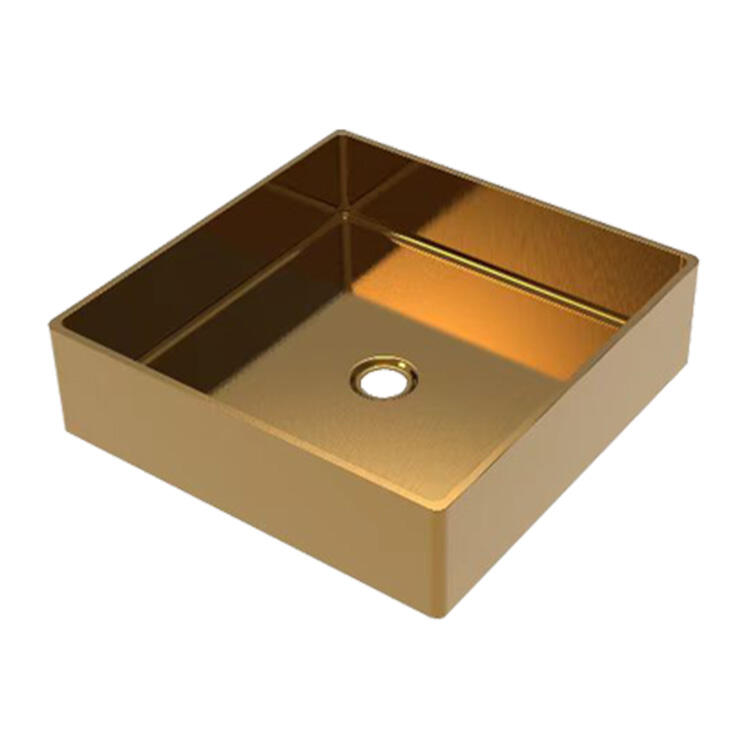
Vijek trajanja vašeg umivaonika značajno varira ovisno o sastavu materijala i kvaliteti proizvodnje. Poroškani i keramički umivaonici obično nude izvrsnu izdržljivost, dok opcije od nerđajućeg čelika pružaju izuzetnu otpornost na mrlje i koroziju. Redovita provjera vaše armature pomaže u prepoznavanju ranih upozorenja prije nego što se razviju veći problemi, osiguravajući da vaša kupaonica ostane funkcionalna i vizualno privlačna.
Čimbenici koji određuju vrijeme zamjene
Kvalitet i trajnost materijala
Materijal od kojeg je izrađena kupaonska umivaonik najznačajnije utječe na raspored zamjene. Umivaonici od visokokvalitetne porculana mogu izdržati desetljeća svakodnevne upotrebe ako se pravilno održavaju, dok materijali niže klase već u roku od nekoliko godina mogu pokazivati znakove habanja. Umivaonici od nerđajućeg čelika nude izuzetnu dugovječnost zahvaljujući otpornosti na koroziju, ogrebotine i termički šok.
Premium materijali poput prirodnog kamena ili inženjerskih kompozita osiguravaju produženi vijek trajanja, ali zahtijevaju specifične protokole održavanja kako bi sačuvali svoj izgled i strukturni integritet. Postupak proizvodnje i standardi kontrole kvalitete također utječu na to koliko dobro vaš umivaonik funkcionira tijekom vremena, zbog čega je početna ulaganja u kvalitetnu armaturu mudra odluka na dugi rok.
Uzorci korištenja i veličina domaćinstva
Učestalost dnevnog korištenja izravno utječe na habanje i trošenje vašeg kupaonskog umivaonika tijekom njegovog vijeka trajanja. Veće kućanstva s više članova obitelji stvaraju veći pritisak na vodoinstalacijske armature, što može potencijalno skratiti njihov radni vijek za nekoliko godina. Kupaone s velikim prometom u komercijalnim ili višesobnim objektima mogu zahtijevati češću zamjenu zbog ubrzanog propadanja.
Vrsta proizvoda koja se koristi za čišćenje i održavanje također utječe na dugotrajnost, jer agresivne kemikalije tijekom vremena mogu oštetiti određene materijale. Razumijevanje specifičnih obrasci korištenja u vašem kućanstvu pomaže u postavljanju točnijeg vremenskog okvira za planiranje zamjene i svrhe budžetiranja.
Upozoravajući znakovi koji ukazuju na potrebu zamjene
Vidljiva oštećenja i strukturni problemi
Pukotine, oštećenja ili duboke ogrebotine na površini sudopera jasni su znakovi da je moguće potrebno zamijeniti uređaj. Ova oštećenja ne samo da narušavaju estetski izgled, već također mogu poslužiti kao sklonište za bakterije i otežati temeljito čišćenje. Male pukotine često se mogu popraviti, ali opsežna oštećenja obično zahtijevaju potpunu zamjenu armature.
Strukturalni problemi poput labavih pričvrsnih elemenata, odvajanja od radne plohe ili vidljivog pomaka kada se primijeni pritisak ukazuju na to da je integritet sudopera narušen. Ovi problemi mogu dovesti do oštećenja vodom i trebali bi se što prije riješiti kako bi se spriječili skupi popravci okolnih područja.
Stalni problemi s vodovodom
Učestali problemi s odvodnjom, redovita začepljenja ili trajne curenja oko točaka pričvršćivanja armature često ukazuju na to da je vaš umivac za kupaonu dosegao kraj svojeg korisnog vijeka. Iako se pojedinačni problemi s vodovodom ponekad mogu riješiti popravcima, višestruki ponavljajući se problemi ukazuju na sistemske kvarove koje najbolje može riješiti zamjena.
Mrlje od vode, mineralni talog ili obojenje koja se ne mogu ukloniti standardnim metodama čišćenja ukazuju na to da je površina sudopera trajno oštećena. Ovi estetski problemi često idu uz funkcionalne probleme, zbog čega je zamjena najpraktičnije rješenje.
Strategije održavanja za produljenje vijeka trajanja sudopera
Redovni protokoli za čišćenje i njegu
Uvođenje odgovarajućih postupaka čišćenja znatno produljuje vijek trajanja kupaonskog sudopera, istovremeno očuvavši njegov izgled i funkcionalnost. Koristite blaga, neagresivna sredstva za čišćenje koja su posebno dizajnirana za materijal vašeg sudopera kako biste spriječili oštećenje površine i sačuvali kvalitetu obrade. Redovito čišćenje sprječava nakupljanje sapunice, mineralnih naslaga i organskih tvari koje mogu uzrokovati trajne mrlje ili degradaciju.
Tjedna temeljita čišćenja pomažu u održavanju optimalne higijene i izgleda, dok svakodnevno brisanje sprječava mrlje od vode i taloženje minerala. Izbjegavajte uporabu čelične vune, jakih kemikalija ili abrazivnih alata za čišćenje koji mogu oguliti ili oštetiti površinu sudopera, što može dovesti do potrebe za ranom zamjenom.
Preventivno održavanje i pregled
Mjesečni vizualni pregledi pomažu u ranoj detekciji potencijalnih problema prije nego postanu ozbiljni i zahtijevaju skup remont ili zamjenu. Provjerite ima li labavih dijelova, pojavljivanja pukotina ili promjena u stabilnosti i čvrstoći montaže sudopera. Rana detekcija omogućuje pravovremenu intervenciju koja može produljiti korisnu životnu dugovečnost armature.
Profesionalni hidrauličarski pregledi svakih nekoliko godina pružaju stručnu procjenu stanja vašeg sudopera i općeg zdravlja instalacijskog sustava kupaonice. Ove evaluacije pomažu u utvrđivanju realističnih rokova zamjene te u prepoznavanju prilika za preventivno održavanje koje može odgoditi potrebu za zamjenom armature.
Mogućnosti zamjene i razmatranja
Suvremeni dizajnerski trendovi i značajke
Suvremeni dizajni umivaonika nude poboljšanu funkcionalnost, učinkovitost korištenja vode te estetski izgled u usporedbi s tradicionalnim elementima. Suvremene proizvodne tehnike proizvode izdržljivije materijale s poboljšanom otpornošću na mrlje, ogrebotine i toplinska oštećenja. Nadogradnjom na noviju tehnologiju umivaonika može se postići višedecenijska pouzdana služba, uz istodobno poboljšanje ukupne vrijednosti i izgleda vaše kupaonice.
Energetski učinkovite značajke, antimikrobne površine i inovativni odvodni sustavi predstavljaju značajna poboljšanja u odnosu na tradicionalne elemente. Ova napredovanja opravdavaju zamjenu čak i kada vaš postojeći umivaonik još uvijek funkcionira, pružajući dugoročne beneficije koje nadmašuju početne troškove ulaganja.
Prednosti profesionalne instalacije
Profesionalna instalacija osigurava ispravno postavljanje, brtvljenje i spojeve na vodovodnu mrežu koji maksimiziraju vijek trajanja i rad novog sudopera. Stručna instalacija sprječava uobičajene probleme poput curenja, neispravnog odvodnjenja ili strukturne nestabilnosti koji mogu dovesti do preranog kvara ili skupih popravaka.
Ovlašteni vodoinstalateri pružaju jamstva na svoj posao i mogu prepoznati potencijalne probleme s vodovodnom infrastrukturom vaše kupaonice koji bi mogli utjecati na rad novog sudopera. Ovo stručno nadgledanje pomaže u postizanju optimalnih rezultata i dugoročne zadovoljstva odlukom o zamjeni.
Analiza troškova i koristi zamjene
Financijsko planiranje i izrada proračuna
Izračunavanje ukupnih troškova zamjene kade uključuje cijenu armature, troškove rada za instalaciju te sve potrebne promjene ili nadogradnje vodovodne instalacije. Usporedba ovih troškova s troškovima stalnih popravaka pomaže u odlučivanju je li zamjena najekonomičnije rješenje. Uzmite u obzir i moguće troškove popravka posljedica oštećenja vodom ako nastavite koristiti neispravnu armaturu prilikom donošenja odluke.
Kvalitetna armatura možda zahtijeva veću početnu ulaganja, ali nudi dulji vijek trajanja i smanjene troškove održavanja tijekom svog vijeka uporabe. Vlasnici kuća koji žele uštedjeti trebali bi razmotriti dugoročnu isplativost umjesto da se usredotoče isključivo na početnu cijenu kupnje prilikom odabira opcija za zamjenu.
Vrijednost nekretnine i tržišni privlačnost
Ažurirana kupaonska armatura znatno doprinosi ukupnoj vrijednosti nepokretnosti i privlačnosti na tržištu, zbog čega je zamjena smisleno ulaganje za vlasnike kuća koji planiraju prodaju. Moderni, estetski privlačni sudovi poboljšavaju izgled kupaonice i budućim kupcima pokazuju da je kuća redovito održavana.
Stručnjaci za nekretnine dosljedno identificiraju ažurirane kupaone kao ključne točke prodaje koje mogu ubrzati postupak prodaje i opravdati više cijene. Povrat ulaganja u zamjenu kvalitetnog umivaonika u kupaonici često premašuje početnu cijenu kroz povećanu vrijednost imovine i veću privlačnost na tržištu.
Česta pitanja
Koliko dugo tipični umivaonik u kupaonici traje?
Dobro održavan umivaonik u kupaonici obično traje između 15 i 30 godina, ovisno o kvaliteti materijala, uzorcima korištenja i praksama održavanja. Umivaonici od visokokvalitetnog porculana i nerđajućeg čelika mogu premašiti ovaj raspon uz odgovarajuće održavanje, dok se kod materijala nižeg kvaliteta može zahtijevati ranija zamjena. Redovito održavanje i nježno čišćenje znatno produžuju vijek trajanja većine materijala umivaonika.
Koji su najtrajniji materijali za umivaonike u kupaonici?
Nerđajući čelik, visokokvalitetna porculan i inženjerski kameni kompoziti nude najbolju izdržljivost za primjenu u kupaonskim umivaonicima. Ovi materijali otporni su na mrlje, ogrebotine i toplinska oštećenja, a zadržavaju svoj izgled tijekom dugih razdoblja. Prirodni kameni umivaonici također pružaju izvrsnu dugovječnost, ali zahtijevaju specifične protokole održavanja kako bi se sačuvao njihov izgled i strukturna cjelovitost.
Može li se manje oštećenje umivaonika popraviti umjesto zamjene?
Male pukotine, sitne ogrebotine ili izolirane mrlje često se mogu popraviti uporabom specijaliziranih proizvoda i tehnika prilagođenih materijalu vašeg umivaonika. Međutim, opsežna oštećenja, više problema na različitim mjestima ili strukturni problemi obično zahtijevaju potpunu zamjenu radi optimalnih rezultata. Stručna procjena pomaže u određivanju je li popravak ekonomično isplativ rješenje ili zamjena bolji dugoročni izbor.
Koji čimbenici treba uzeti u obzir pri odabiru zamjenskog umivaonika?
Uzmite u obzir veličinu kupaonice, konfiguraciju vodovoda, zahtjeve za dnevnom uporabom i estetske preferencije prilikom odabira zamjenskog umivaonika. Također utječu na odluku otpornost materijala, zahtjevi za održavanje i složenost instalacije. Savjetovanje s profesionalcima za vodoinstalacije osigurava kompatibilnost s postojećom infrastrukturom i pomaže u identifikaciji najpogodnijih opcija za vašu specifičnu situaciju.