מפעל אגנות מטבח נירוסטה
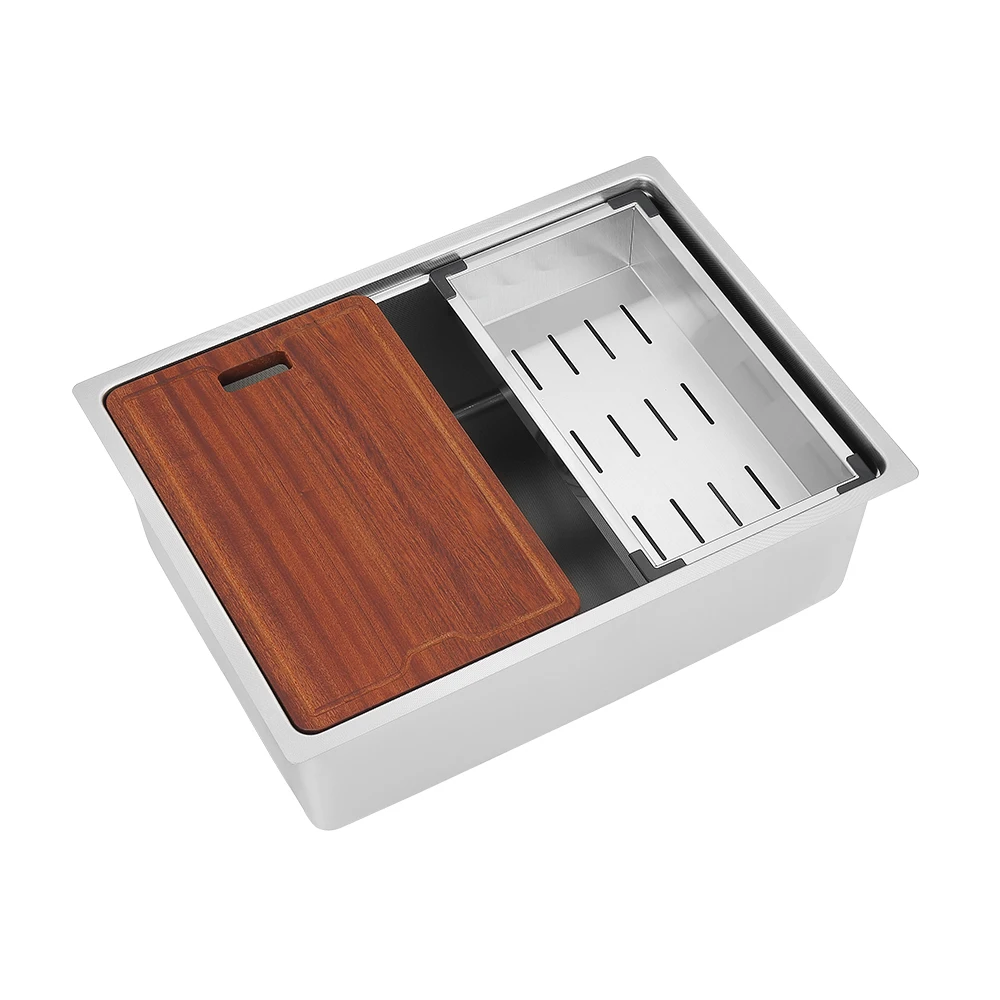
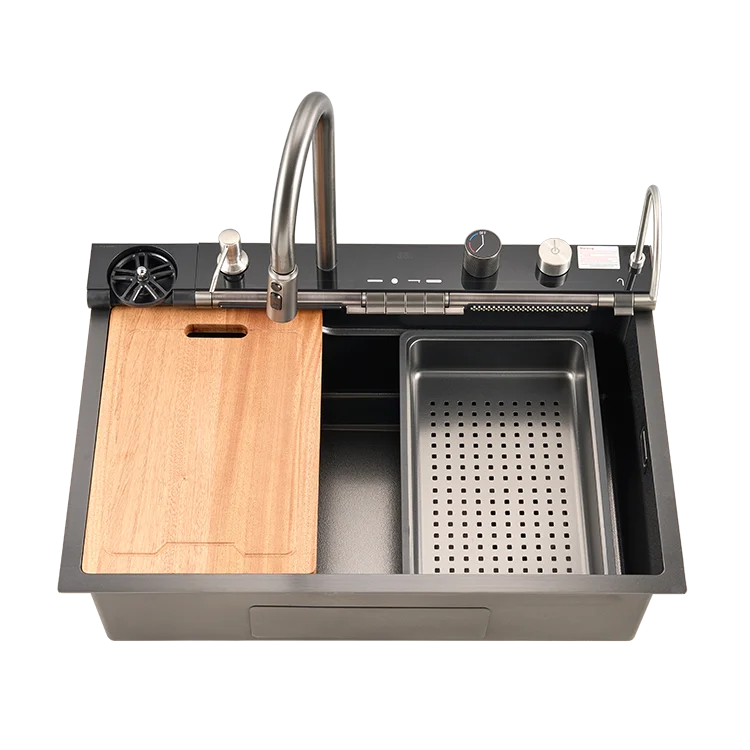
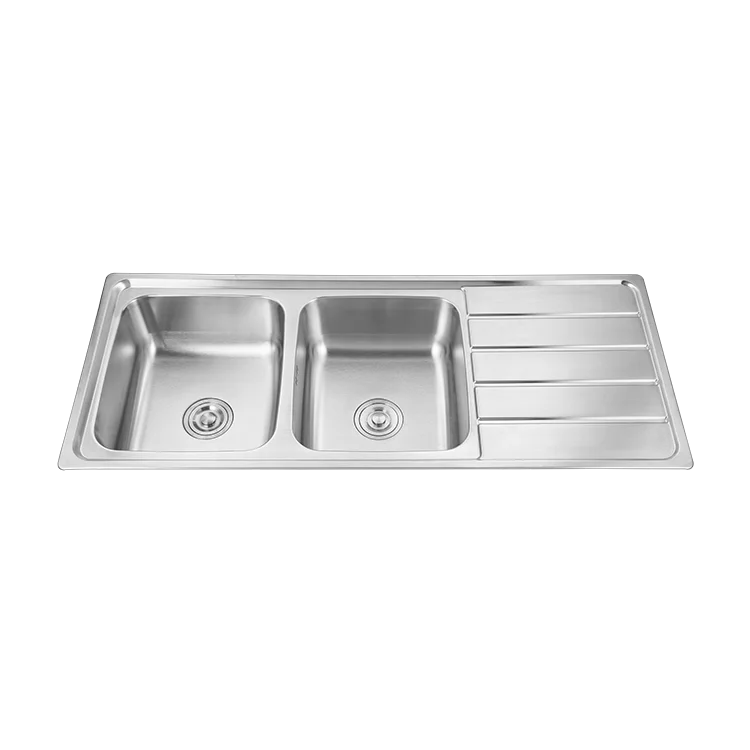
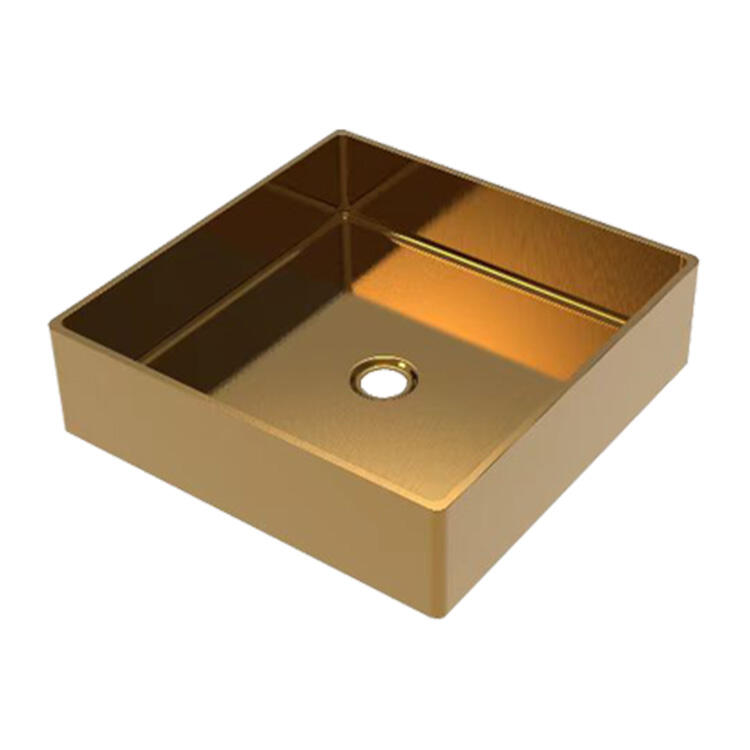
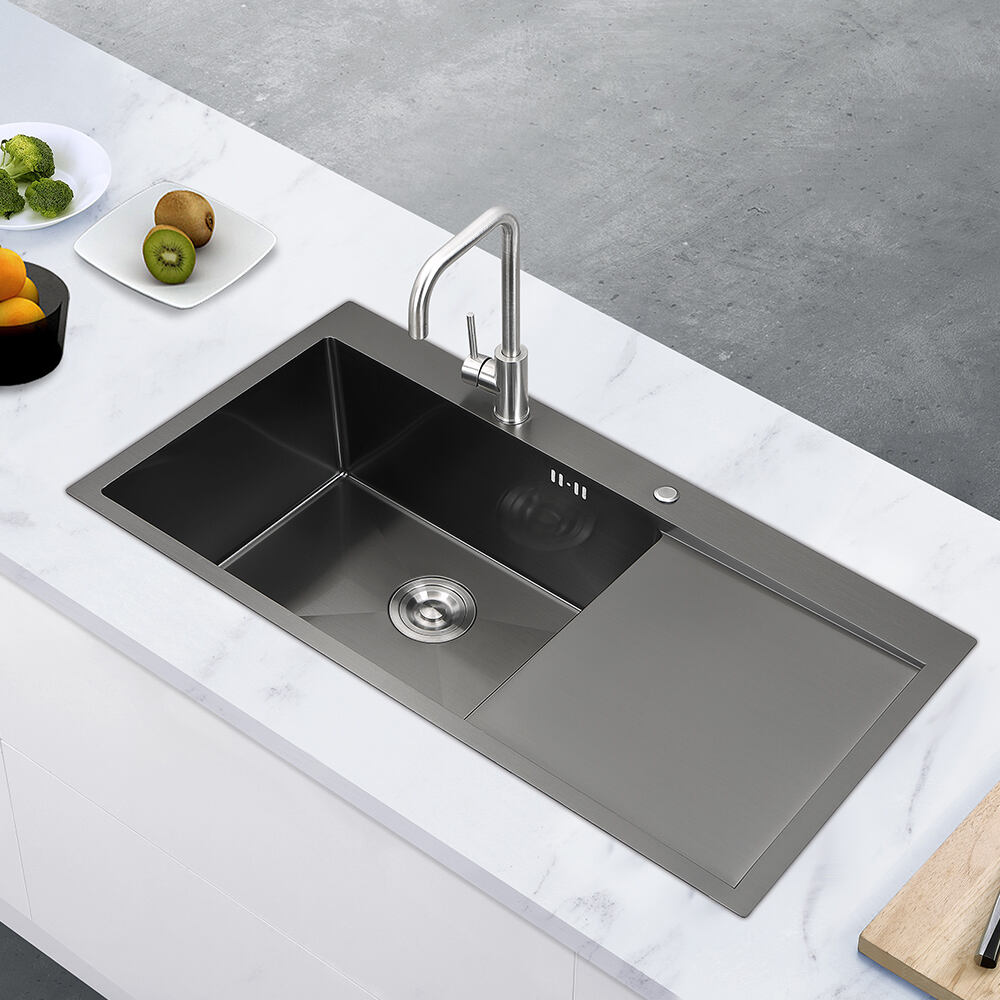
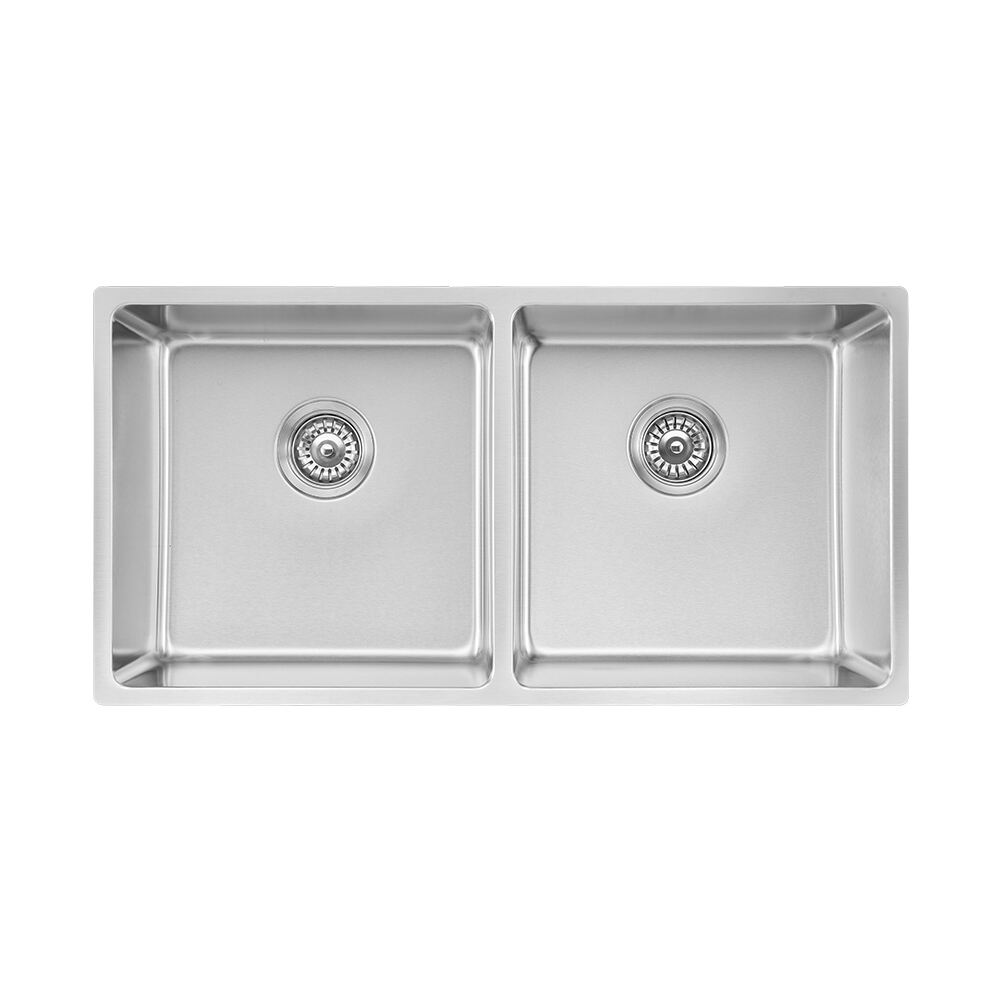
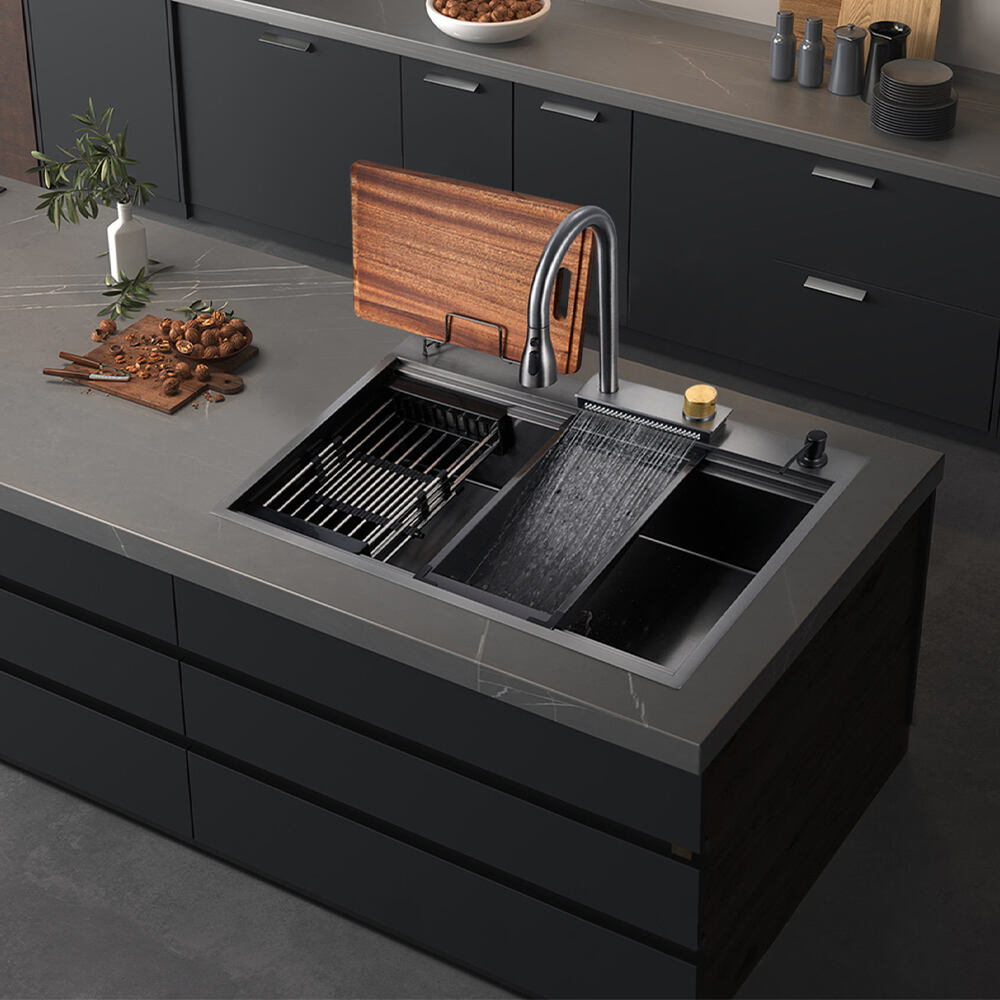
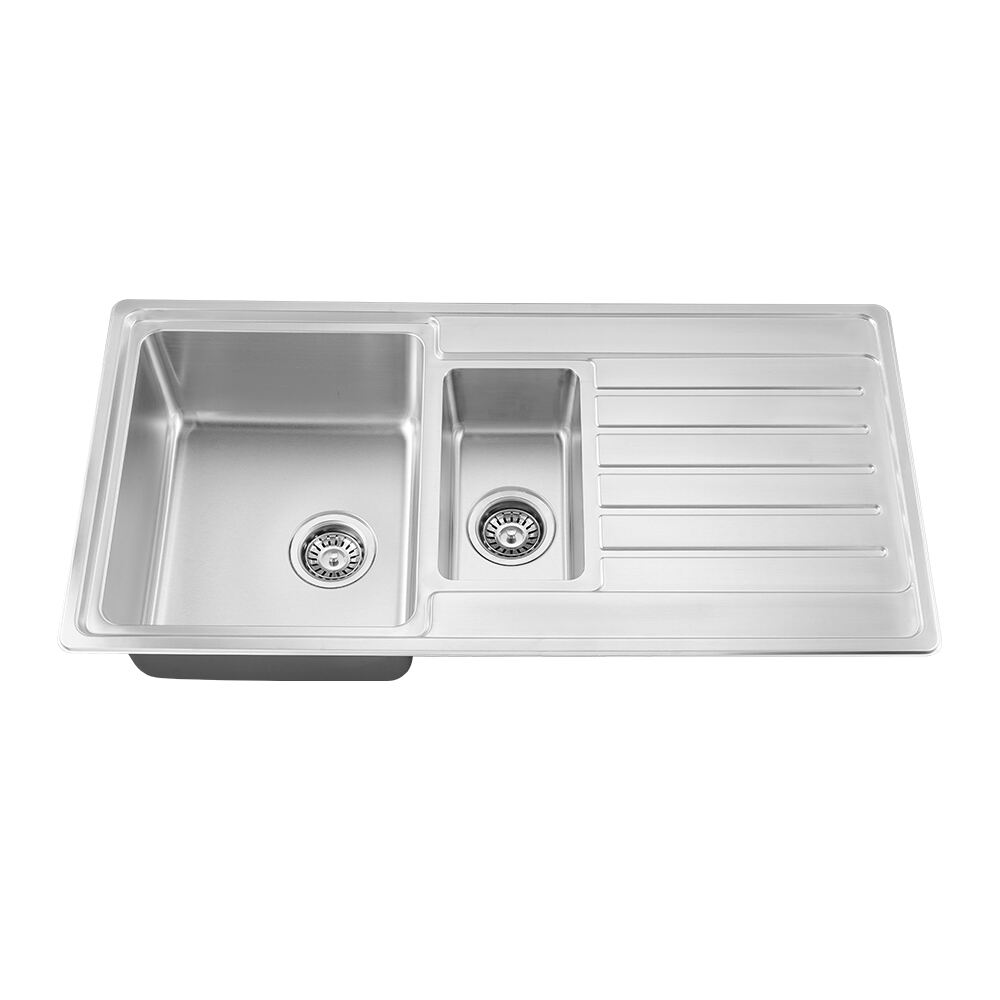
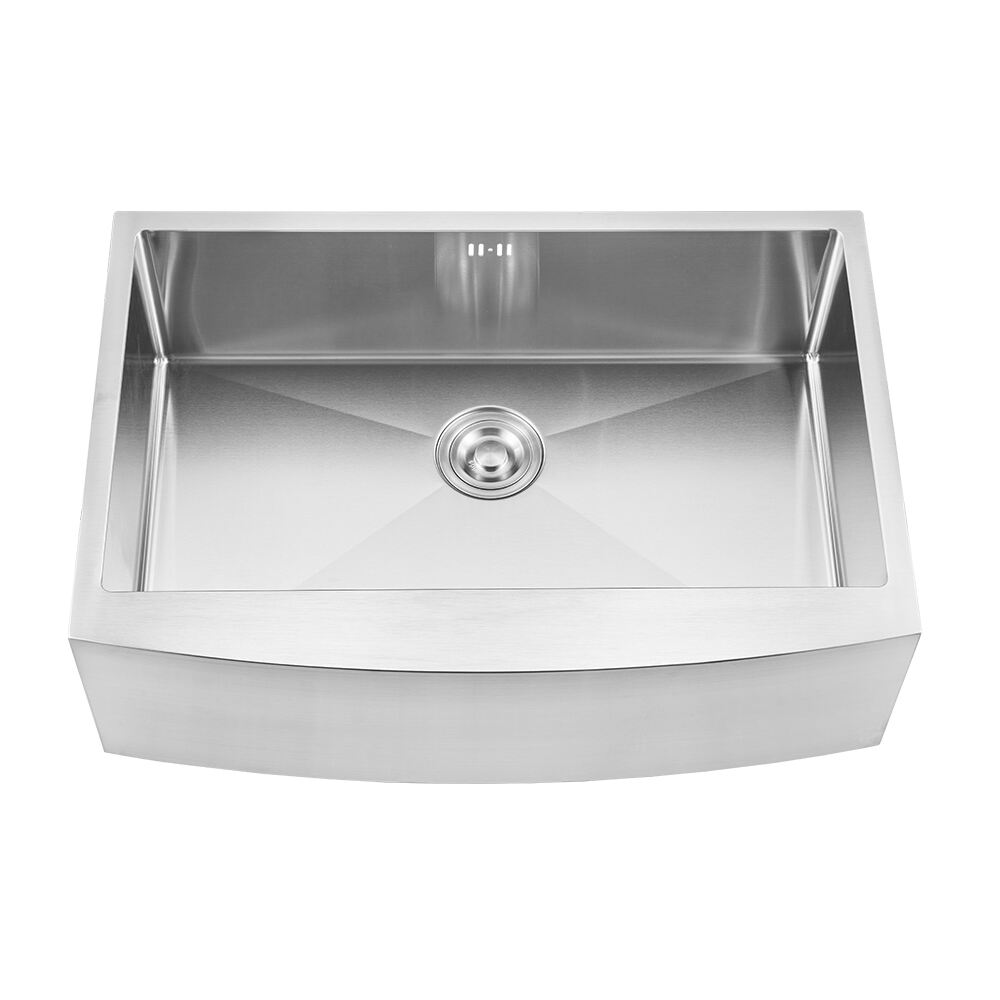
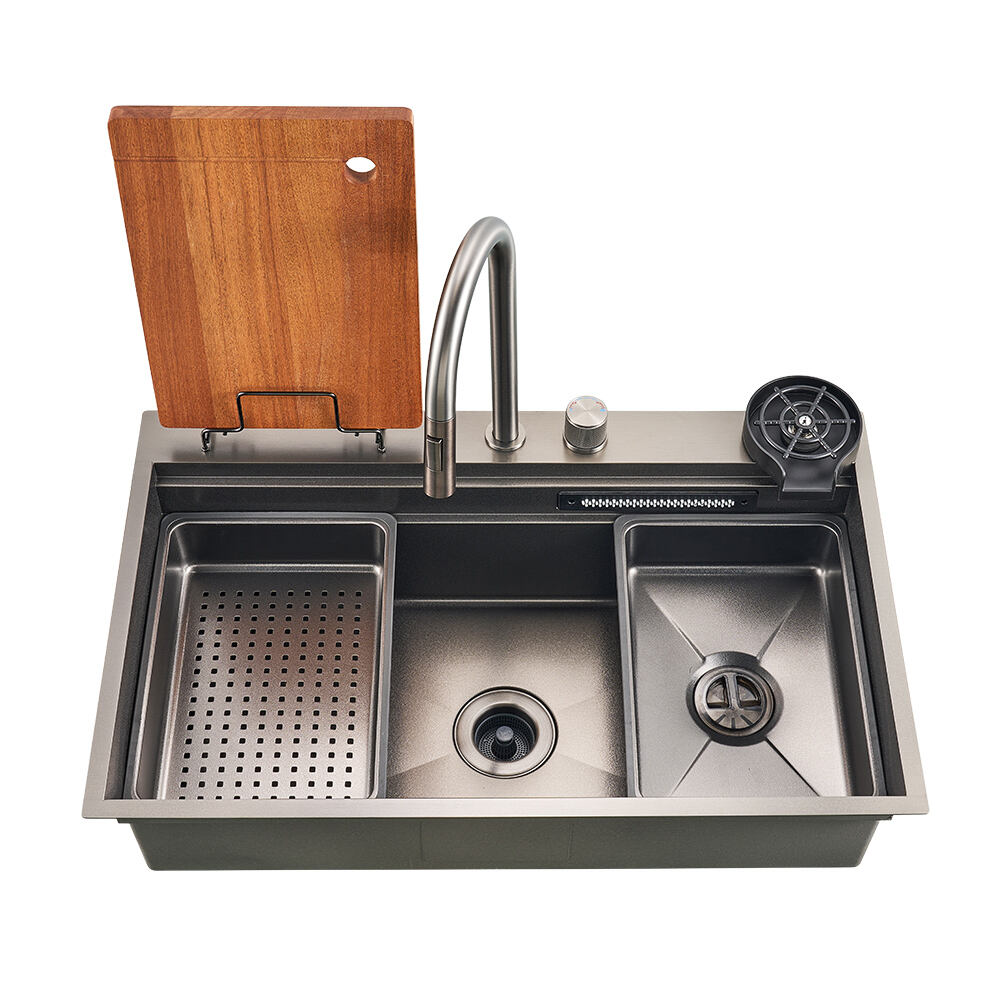
מפעל לכיורי מטבח נירוסטה מודרני מייצג את שיא טכנולוגיית היצור המתקדמת, שמשלבת הנדסת דיוק עם שיטות ייצור ברות-תלות כדי ליצור ציוד מטבח איכותי. מפעלים מיוחדים אלו פועלים כמרכזי ייצור מקיפים שבהם חומרי גלם של נירוסטה עוברים תהליכי התמרה מתוחכמים כדי להפוך לכיורי מטבח פונקציונליים ועמידים, אשר עומדים בדרישות הן לשימוש ביתי והן מסחרי. התפקידה העיקרי של מפעל כיורי מטבח מנירוסטה כולל מספר שלבים בייצור: הכנת החומר, עיבוד צורה, ריתוך, מילוט ובדיקות בקרת איכות. מאפייני הטכנולוגיה המתקדמת שמגדירים את סביבות הייצור הללו כוללים מכונות מבוקרות על-ידי מחשב, קווי montage אוטומטיים וציוד לקציצה מדויקת, אשר מבטיחים עקביות באיכות המוצר ובדיוק הממדים. המפעל משתמש באLOY נירוסטה ברמה גבוהה, בדרך כלל סדרה 304 או 316, אשר מספקת עמידות חריגה בפני קורוזיה וביצועים ארוכי-טווח. תהליכי הייצור משתמשים בטכניקות של משיכה עמוקה (deep drawing), טכנולוגיית קציצה בלייזר ומערכות ריתוך רובוטיות שיוצרות חיבורים חלקים ללא מפרידים וסיום שטח חלק. פרוטוקולי בקרת האיכות במפעל כיורי נירוסטה כוללים בדיקות קפדניות לעמידות במים, לשלמות המבנית ולעמידות השטח. יישומי המוצרים המיוצרים במפעלים אלו משתרעים על שווקים מגוונים – מהמטבחים הפרטיים הלוקסוסיים ועד למוסדות שירות מזון מסחריים בעלי נפח גבוה, בתי חולים, מעבדות ומתקנים תעשייתיים. יכולות הייצור של המפעל מאפשרות ייצור של מגוון תצורות כיוור, כולל כיוור חד-מגש, כיוור דו-מגשים, סגנונות 'Farmhouse' (כיוור חקלאי) ועיצובים מותאמים אישית בהתאם לדרישות ארכיטקטוניות ספציפיות. שיקולים סביבתיים ממלאים תפקיד מרכזי בתפעול המודרני של מפעלי כיורי נירוסטה, הכוללים תוכניות מחזור של פסולת מתכת, שיטות ייצור חסכוניות באנרגיה ומערכות שימור מים המשולבות לאורך תהליך הייצור. מפעלים אלו בדרך כלל מחזיקים באישורים לתשתיות איכות בינלאומית, אשר מבטיחים שהמוצרים עומדים בדרישות הגלובליות לבטיחות, ביצועים ותאימות סביבתית.
 EN
EN