EN
EN
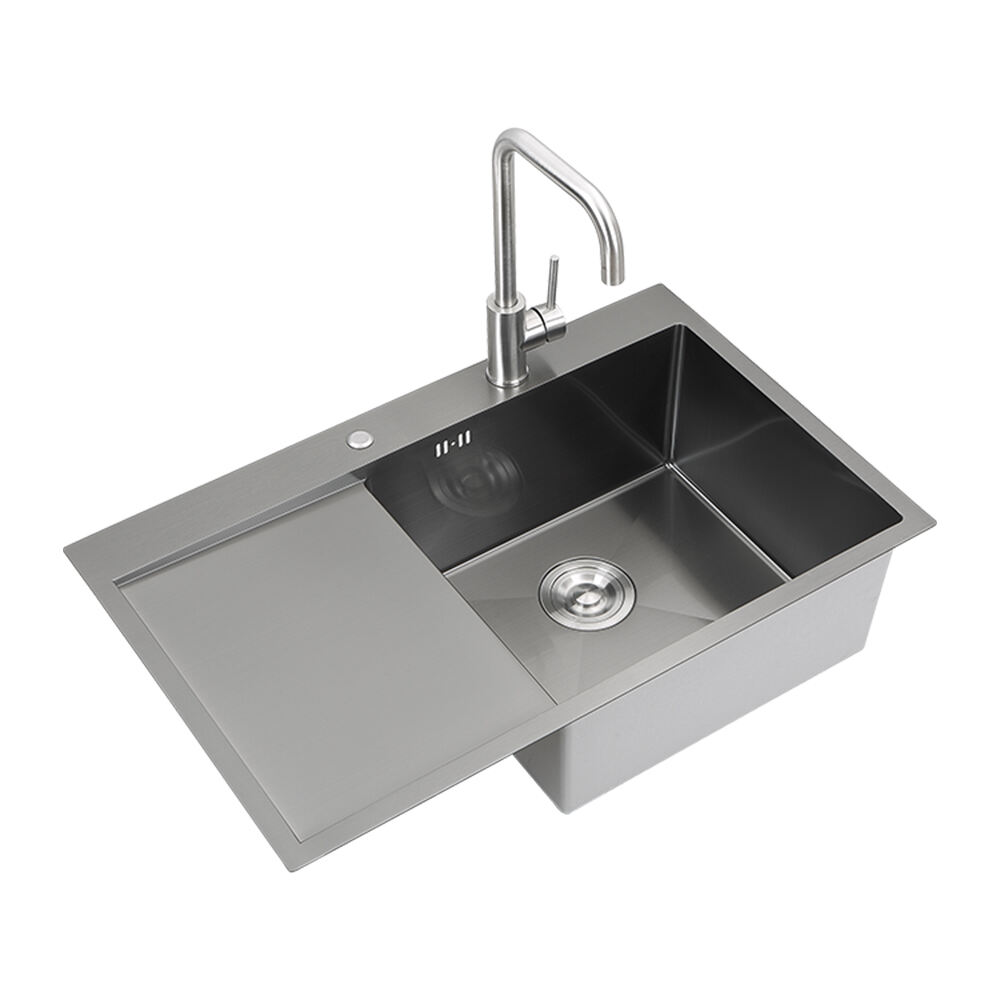
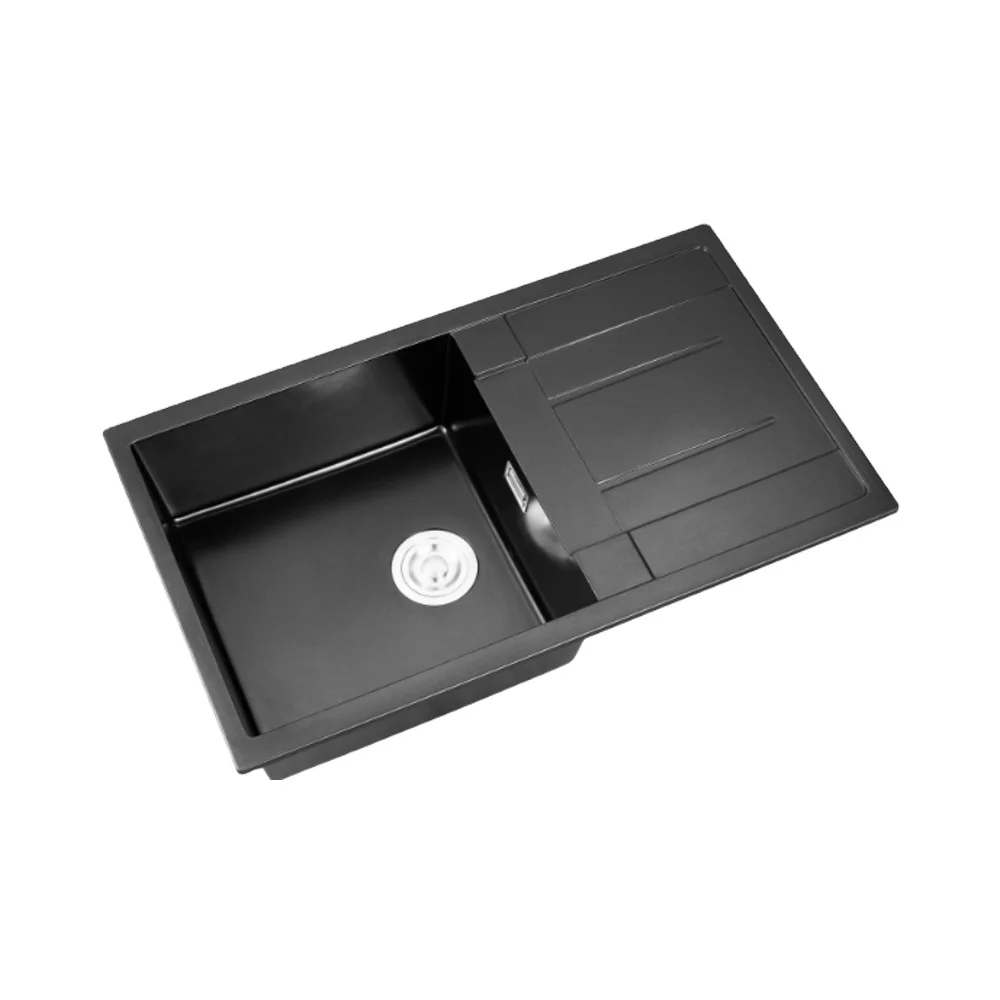
בחירת הספק הנכון לפרויקטים של ברז הכיות מטבח OEM דורשת הערכה זהירה של גורמים רבים שמשפיעים ישירות על איכות המוצר, יעילות הייצור והצלחה עסקית ארוכת טווח. תעשיית המטבחים המודרנית דרשה ספקים המסוגלות לספק עיצובים מתקדמים, תהליכי ייצור אמינים וסטנדרטי איכות עקביים. קונים מקצועיים חייבים לנווט בין שיקולים רבים, ביניהם כושר ייצור, مواפי חומרים, מערכות בקרת איכות ואמינות של שרשרת האספקה, בעת בחירת שותף לייצור ברזי כיית מטבח.
הערכת יכולות ייצור חיוניות
קיבולת ייצור וסקלביות
הערכת כושר הייצור של ספק כוללת הבנה של תפוקת הייצור הנוכחית שלו, שורות הייצור הזמינות, והיכולת להרחיב פעילויות בהתאם לעלויות ובזבוזי הביקוש. יצרני הכיור עם ברז מובילים פועלים לרוב במספר מתקנים לייצור עם ציוד מיוחד למגוון חומרים ותהליכים של סיום. כושר הייצור של הספק צריך להתאים לנפחי ההזמנות החזויים שלך תוך שמירה על גמישות לשינויים עונתיים ולהזדמנויות הרחבה בשוק.
היקף ייצור הופך להיות חשוב במיוחד בעת שיגור קווי מוצר חדשים או כניסה לקטעי שוק שונים. ספקים עם מערכות ייצור מודולריות יכולים להסתגל מהר יותר לדרישות משתנות, בין אם על ידי הגדלת תפוקה למוצרים מוצלחים או התאמה של דרישות מותאמות לApplications ייחודיים. התאמה זו מבטיחה שהשרשרת האספקה שלך של כיורים עם ברז תשאר תואמת דינמיקות שוק ודרישות לקוחות.
ידע טכני וחדשנות
מומחיות טכנית כוללת את היכולות ההנדסיות של הספק, משאבי מחקר ופיתוח, והיכולת ליישם טכנולוגיות ייצור מתקדמות. ייצור עכשווי של הכיות ואביזרי מים למטבח דורש הבנה מתוחכמת של מדע החומרים, טכניקות ייצור מדויקות, ותהליכי טיפול בשטח הפנים. ספקים בעלי בסיס טכני חזק יכולים לתרום תובנות חשובות בשלב פיתוח המוצר ולהציע שיפורים שמעצימים את התפקוד או מפחיתים את עלות הייצור.
כושר חדשנות משקף את מחויבות הספק לשיפור מתמיד ולקידום השוק. יצרנים מובילים משקיעים בטכנולוגיות חדשות, שיטות ייצור בר-קיימות, ושדרוגי עיצוב שמבדילים את 제품יהם בשוק התחרותי. המיקוד הזה בחדשנות משתלם ישירות לבוני OEM באמצעות גישה לפתרונות מתקדמים ואמצה מוקדמת של מגמות בתעשייה.
השלכות בקרת איכות ותקני אישור
תעודות איכות בינלאומיות
אישורים בינלאומיים מספקים אימות אובייקטיבי של מערכות ניהול איכות ותקני ייצור של הספק. אישור ISO 9001 מראה על ניהול איכות שיטתי, ואישורים ספציפיים לתחום כגון NSF או CUPC מבטיחים התאמה להנחיות אינסטלציה ובטיחות. אישורים אלו מצביעים על כך שיצרן ברז-כיור המטבח שומר על תהליכי איכות עקביים ועובר ביקורות מחודשים של גוף שלישי.
אישורים סביבתיים כגון ISO 14001 משקפים את מחויבות הספק לנהלי ייצור בר-קיימא ולאחריות הסביבתית. תעודות אלו הופכות לחשובות יותר ויותר בהיות הצרכנים והרגולציה דורשים מוצרים ושיטות ייצור מודעים יותר לסביבה בתעשיית רכיבי המטבח.
שיטות בדיקה ואישור
נהלי בדיקה מקיפים מבטיחים שמכוני הכיור יתאימו לדרישות הביצועים והעמידות לפני המשלוח. על הספקים להפגין נהלים מחמירים לבדיקות, הכוללים אימות דיוק ממדי, ניתוח הרכב החומרי, הערכת איכות הסיום השטחי ואימות ביצועים פונקציונליים. נהלים אלו מפחיתים את הסיכון לאיכות לקויה אצל הלקוח הסופי.
יכולות בדיקה מתקדמות עשויות לכלול מבחני זקנה מאוצרים, ניתוח מתח ובדיקות התאמה עם תצורות צנרת שונות. ספקים עם תשתיות בדיקה מתוחכמות יכולים לספק נתוני ביצועים מפורטים ולסייע באופטימיזציה של עיצובי המוצרים ליישומים או דרישות שוק ספציפיים.
אספקת חומרים וניהול שרשרת האספקה
איכות חומר גלם ודיווחיות
איכות החומר משפיעה ישירות על הביצועים, העמידות והמראה של מוצרים לברז כיור מטבח. ספקים אמינים שומרים על תקנים מחמירים באספקת חומרים, ועובדים עם ספקים מאושרים שמספקים איכות עקיבה ומכתבי עוקביות מלאים. זה כולל مواصفות לדרגות נירוסטה, חומרים מרוכבים, ציפויים משטחיים ורכיבי חומרה המשמשים בתהליכי ההרכבה.
מערכות עקביות מאפשרות לספקים לעקוב אחר מקורות החומרים, היסטוריית עיבוד ותוצאות מבחני איכות לאורך תהליך הייצור. יכולת זו חיונית לצורך חקירות איכות, התאמה דרישה וمبנים לשיפור מתמיד שמשפרים את אמינות המוצר הכוללת.
עמידות של שרשרת האספקה וניהול סיכונים
עמידות בשרשרת האספקה כוללת את היכולת של הספק לשמור על ייצור עקבי למרות הפרעות אפשריות בהזמין חומרים, קשיים בשינוע או מגבלות ייצור. ספקים בעלי ניסיון ספיגת אביזר במטבח יצרנים מפתחים רשתות ספקים מגוונות, שומרים על רמות מלאי אסטרטגיות ומתקנים תוכניות חירום שמפחיתות לסביב את הסיכונים של הפרעות.
אסטרטגיות ניהול סיכונים צריכות להתייחס למגוון תרחישים, כולל אסונות טבע, אירועים גיאופוליטיים ושינויים כלכליים שעלולים להשפיע על לוחות הזמנים של ייצור או על עלויות חומרים. ספקים עם מסגרות איתנות בניהול סיכונים מספקים יכולת ניבוי ודאות מוגברת עבור שותפי OEM המנהלים השקעות ארוכות טווח בשיקוף מוצרים וחובות שיווקיות.
עיצוב וייכולת התאמה אישית
תמיכה בפיתוח מוצרים
תמיכה אפקטיבית בפיתוח מוצר כוללת את היכולת של הספק לשיתוף פעולה בשלביה של התכנון, לספק הנחיה טכנית ולהמיר רעיונות קונספטואליים למוצרים המיוצרים. ספקי כיור ברז מובילים שומרים על צוותי הנדסה מיוחדים המבינים הן דרישות אסתטיות והן אילוצי פונקציונליות, ועוזרים לאפשרת עיצובים לייצור יעיל وجذاب בשוק.
יכולות של עיצוב בעזרת מחשב, מתקני פרוטוטייפ וכלים לבדיקה וירטואלית מאפשרים לספקים להאיץ את מחזורי הפיתוח תוך צמצום עלויות שמקושרות לאיטרציות פיזיות. יכולות אלו חשובות במיוחד בפיתוח מוצרים מותאמים או בהתאמת תכנונים קיימים לצורך דרישות שוק ספציפיות.
גמישות בהתאמה אישית ודרישות כמות מינימלית להזמנה
הגמישות בהתאמה אישית קובעת עד כמה הספקים מסוגלים לעמוד בדרישות עיצוב ספציפיות, גימורים ייחודיים או תכונות מיוחדות מבלי להשפיע משמעותית על עלויות הייצור או לוחות הזמנים למשלוח. ספקים עם מערכות ייצור גמישות יכולים להציע מגוון אפשרויות התאמה אישית תוך שמירה על כמויות מינימליות סבירות להזמנות בעריכות מותאמות.
ההבנה של דרישות הכמות המינימלית להזמנה עוזרת לשותפי OEM לתכנן השקעות במלאי ואסטרטגיות כניסה לשוק. ספקים שמציעים כמויות מינימליות להזמנה (MOQ) סבירות למוצרים מותאמים אישית של ברז הכיור המאפשרים לחברות קטנות יותר גישה ליכולות ייצור מתקדמות, מבלי לקחת על עצמם התחייבויות מלאי מוגזמות.
תקשורת ושירות מצטיין
ניהול פרויקטים ומערכות תקשורת
ניהול פרויקטים יעיל מבטיח שהפרויקטים של ייצור ברזי כיור יתקדמו בצורה חלקה מתשואות ראשוניות עד למסירה סופית. על הספקים להפגין שיטות ניהול פרויקטים מאורגנות, פרוטוקולי תקשורת ברורים ומערכות דיווח שוטפות על התקדמות, כדי לשמור את שותפי OEM מעודכנים לאורך כל מחזורי הייצור.
מערכות תקשורת מודרניות, כולל פורטלי פרויקטים דיגיטליים, מעקב בזמן אמת אחר הייצור וממשקים תואמי סלולרי, מאפשרות שיתוף פעולה חלק ללא תלות במרחקים הגאוגרפיים. כלים אלו מקדמים החלטות מהירות ופתרון בעיות תוך שמירה על שקיפות לאורך תהליך הייצור.
תמיכה טכנית ושירות לאחר מכירה
תמיכה טכנית מקיפה כוללת הדרכה להתקנה, המלצות לתחזוקה וסיוע בפישוט תקלות, ועוזרת לשותפי OEM לתמוך בצורה יעילה בלקוחות הסופיים שלהם. ספקים מנוסים של הכיות ברז מספקים תיעוד טכני מפורט, חומרי הדרכה וצוותי תמיכה מגיבים, המכונים הן את مواصفات המוצר והן את דרישות היישום.
יכולות שירות לאחר המכירה, הכוללות תמיכה בה bảoנה, זמינות של חלקים חלופיים ושירות שטח, מדגימות את ההתחייבות ארוכת הטווח של הספק להצלחת השותפות. שירותים אלו מפחיתים את העומס האדמיניסטרטיבי על שותפי OEM, תוך וידוא שביעות רצון עקיבה של הלקוחות בכל ערוצי השוק.
מבנה עלות והערכת ערך
מודל תעריפים שקוף
מודלי תמחור שקופים עוזרים לשותפי OEM להבין את מבני העלות ולנקוט בקבלת החלטות מושכלת בנוגע למיקום המוצר ואסטרטגיות שיווק. ספקים מהימנים של ברזים לכיורים מספקים פירוט מפורט של עלויות, הכולל עלות חומרים, הוצאות ייצור, עמלות כלי עבודה ודמי לוגיסטיקה, המאפשרים חישובים מדויקים של רווח והטלת אסטרטגיות תמחור תחרותיות.
דרגות תמחור המבוססות על נפח וحوות סיכון של החוזה לטווח ארוך יכולים לספק יתרונות תחרותיים משמעותיים עבור שותפויות קיימות. הבנת מנגנוני התמחור האלה עוזרת לשותפי OEM להיטיב דפוסי הזמנות ולנהל משא ומתן על תנאים מועדפים שיתמכו בצמיחה עסקית ברת קיימא.
שיקולי עלות מחזור החיים הכוללת
עלות כוללת של בעלות עוברת את מחירי היחידה וכוללת גורמים כגון עלויות הקשורות לאיכות, הוצאות לוגיסטיקה, עלויות אחסון מלאי והשקעות בשירות לקוחות. ספקים המסבים איכות מתמדת ושירות מהימן עשויים להצדיק מחירים גבוהים יותר ליחידה על ידי הפחתת העלות הכוללת של הבעלות ושיפור מדדי שביעות רצון הלקוחות.
ניתוח ערך לטווח ארוך אמור לקחת בחשבון את יכולת הספק לתמוך בצמיחה עסקית, להתאים דרישות משתנות של השוק ולשמור על עמדה תחרותית לאורך מחזורי מוצר מרובים. נקודת מבט זו עוזרת לזהות ספקים שיכולים לתרום להצלחה עסקית מתמשכת ולא רק לחיסכון בטווח קצר.
שאלות נפוצות
אילו תעודות יש לחפש בספק של גגנות לכיור מטבח?
חפשו תעודת ניהול איכות ISO 9001, תעודות תאימות לתקני אביזרי fontana כמו NSF או CUPC, וכן תעודות סביבתיות רלוונטיות כגון ISO 14001. תעודות ספציפיות לתחום מעידות על כך שספק מטמיע את תקני האיכות המתאימים והציות הרגולטורי לייצור גגנות לכיור מטבח.
מה חשיבותה של מיקום הספק עבור פרוייקטים של OEM?
מיקום הספק משפיע על עלויות לוגיסטיקה, יעילות תקשורת וגמישות בשרשרת האספקה. אף ששקולים כלקיים מעודדים לעיתים קרובות אזוריים מסוימים, קירבה יכולה לספק יתרונות בשליטה באיכות, חזרות מהירות יותר על דוגמיות וקיצוץ זמני משלוח בפרוייקטים הדורשים זמן קצר.
מהן כמויות ההזמנה המינימליות שאפשר לצפות לה במוצרים מותאמים אישית של גגנות לכיור מטבח?
כמויות ההזמנה המינימלית משתנות בהתאם לדרגת ההתאמה וליכולות הספק. שינויי סטנדרט מצריכים בדרך כלל בין 100 ל-500 יחידות, בעוד שעיצובים מותאמים לחלוטין עשויים להידרש 1000+ יחידות. יש לדון בדרישות הספציפיות עם ספקים פוטנציאליים כדי להבין את גמישותם ואת ההשלכות על העלות.
איך אפשר לבדוק את תהליכי בקרת האיכות של הספק?
יש לבקש סיבוב במתקן, לבדוק מסמכים של בקרת איכות, לבקש הפניות מלקוחות ולבחון דוגמיות של המוצרים. ספקי הכיות אמינים מקבלים בברכה ביקורות איכות ומספקים גישה שקופה לתהליכי הייצור שלהם ולאנשי ניהול איכות.