EN
EN


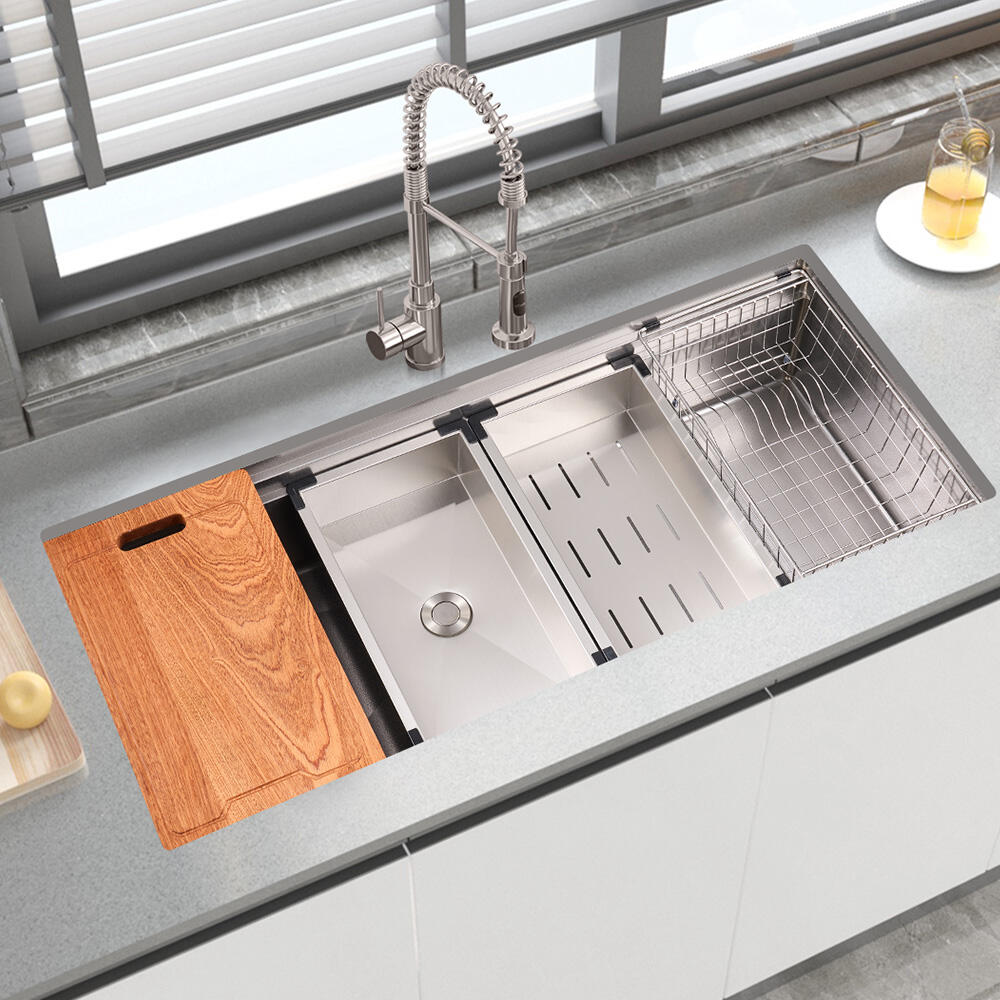
Aukštos kokybės virtuvės įrangos gamyba reikalauja griežtai laikytis kokybės standartų, kurie užtikrina ilgaamžiškumą, veikimą ir estetinį patrauklumą. Po viršaus įmontuojamų kriauklių gamybos srityje gamintojai turi atitikti sudėtingus reikalavimus, apimančius medžiagų specifikacijas, matmenų nuokrypius ir paviršiaus apdorojimo kokybę. Šie standartai ne tik apsaugo vartotojus, bet taip pat nustato pramonės pažangos etalonus, kurie skatina inovacijas ir nuolatinį gamybos procesų tobulinimą.
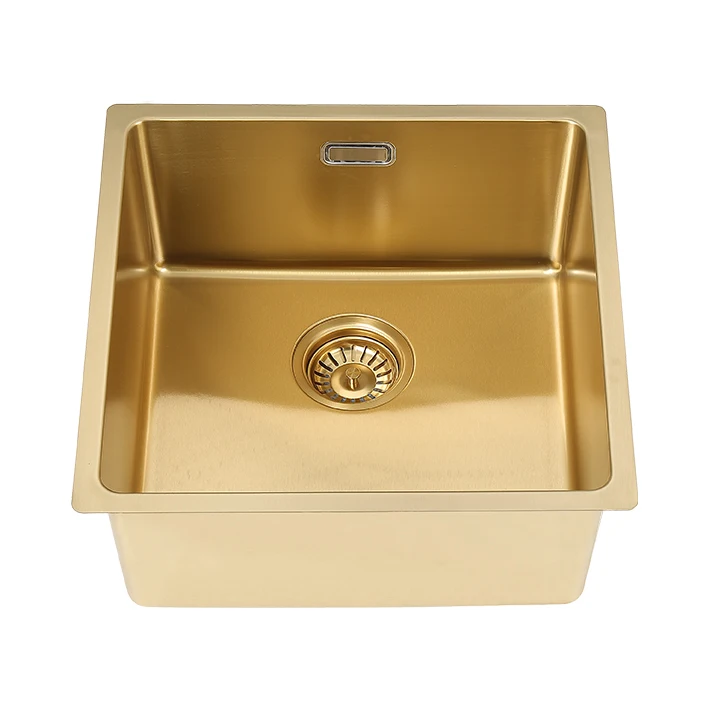
Šiuolaikinėse po viršutinio paviršiaus montuojamų kriauklių gamybos įmonėse būtina įdiegti išsamias kokybės valdymo sistemas, kurios apima visus gamybos proceso aspektus. Nuo žaliavų tikrinimo iki galutinio produkto bandymų šios sistemos užtikrina nuoseklumą ir patikimumą visuose gamybos cikluose. Pažangių kokybės kontrolės priemonių integruota transformavo tai, kaip gamintojai organizuoja po viršutinio paviršiaus montuojamų kriauklių gamybą, todėl gaunami tokie produktai, kurie atitinka vis labiau reikalaujančias vartotojų lūkesčius ir reglamentinius reikalavimus.
Tarptautinė kokybės standartų sistema
ISO sertifikavimo reikalavimai
Tarptautinės standartizacijos organizacijos (ISO) protokolai sudaro pagrindą kokybės užtikrinimui po viršaus įmontuojamų kriauklių gamyboje. ISO 9001 sertifikavimas reikalauja, kad gamintojai sukurtų dokumentuotus kokybės valdymo sistemas, apimančias projektavimo kontrolę, pirkimo procesus ir gamybos priežiūrą. Šie standartai nustato privalomą nuolatinį pagrindinių veiklos rodiklių stebėjimą visame gamybos cikle, kad būtų užtikrinta, jog kiekviena po viršaus įmontuojama kriauklė atitiktų iš anksto nustatytus kokybės reikalavimus prieš patenkdama į rinką.
ISO standartų įdiegimas po vonios kriauklių gamybos įmonėse apima visų gamybos procedūrų, pradedant žaliavų tiekimu ir baigiant galutinės kontrolės protokolais, išsamią dokumentaciją. Kokybės valdymo specialistai privalo vesti išsamius tiekėjų sertifikatų, įeinančių žaliavų techninių charakteristikų ir procesų patvirtinimo duomenų įrašus. Šis sistemingas požiūris leidžia gamintojams ankstyvoje gamybos ciklo stadijoje nustatyti galimus kokybės trūkumus ir įdiegti šaliamąsias priemones dar prieš tai, kai defektiniai gaminiai pasiekia vartotojus.
ASME ir NSF standartai
Jungtinių Valstijų mechanikos inžinierių bendrijos (ASME) standartai pateikia išsamią medžiagų savybių ir gamybos tolerancijų specifikaciją įmontuojamų kriauklių gamybai. Šie nurodymai nustato minimalius reikalavimus nerūdijančiojo plieno sudėčiai, paviršiaus apdorojimo kokybei ir konstrukcinės vientisumo bandymams. NSF International standartai papildo ASME reikalavimus, akcentuodami kriauklių gamybos higienos aspektus, įskaitant paviršiaus porėtumo ribas ir antimikrobinines savybes.
Šių standartų laikymasis reikalauja sudėtingos bandymų įrangos ir kvalifikuoto kokybės užtikrinimo personalo, kuris supranta įmontuojamų kriauklių gamybos technines niuansus. Gamintojai privalo reguliariai tikrinti savo gamybos procesus, kad užtikrintų nuolatinį atitikimą besivystantiems pramonės standartams. Investicijos į kokybės užtikrinimo infrastruktūrą duoda naudingų rezultatų mažinant garantinius reikalavimus, padidinant klientų pasitenkinimą ir gerinant rinkos reputaciją.
Medžiagų kokybės kontrolės protokolai
Nerūdijančio plieno rūšies patvirtinimas
Premium klasės po viršaus įmontuojamų kriauklių gamyba remiasi tikslia nerūdijančiojo plieno sudėties ir savybių kontrolė. Kokybės kontrolės laboratorijos turi patikrinti, ar įeinantys medžiagų tiekimo partijos atitinka nustatytas rūšis – paprastai 304 arba 316 nerūdijančiojo plieno – naudojant spektroskopinę analizę ir mechaninius bandymus. Šie metodai užtikrina optimalią korozijos atsparumą, deformuojamumą ir paviršiaus baigiamąją apdorojimo kokybę, kurios yra būtinos aukštos našumo virtuvės kriauklėms.
Patvirtinimo procesas išplečiamas ne tik pagrindinei cheminės sudėčiai, bet taip pat apima grūdelių struktūros analizę, kietumo bandymus ir paviršiaus kokybės vertinimą. Kiekviena nerūdijančiojo plieno partija, naudojama po viršaus įmontuojamų kriauklių gamyboje privalo būti sekama iki jos šaltinio gamyklos sertifikato, kad būtų sukurta išsami kokybės seka, palaikanti garantinius reikalavimus ir reglamentinį atitikimą. Pažangūs bandymo metodai apima ultragarso storio matavimą ir paviršiaus šiurkštumo analizę, kad būtų užtikrinta nuolatinė medžiagos kokybė.
Storumo ir kalibravimo standartai
Matmenų tikslumas įmontuojamųjų kriauklių gamyboje reikalauja tikslaus medžiagos storio kontrolės visuose formavimo etapuose. Pramonės standartai paprastai nustato minimalius storio reikalavimus – nuo 18 iki 16 kalibro aukštos kokybės taikymuose, o leistinieji nuokrypiai užtikrina konstrukcinę vientisumą be per didelės medžiagos sąnaudų. Kokybės kontrolės sistemos turi stebėti storio pokyčius visame kriauklės paviršiuje, ypač didelės apkrovos zonose, tokiuose kaip kampai ir nutekėjimo jungtys.
Šiuolaikinėse įmontuojamųjų kriauklių gamybos įmonėse naudojamos lazerinės matavimo sistemos ir koordinačių matavimo mašinos, kad būtų patikrintas matmenų tikslumas gamybos procese keliuose etapuose. Šios automatizuotos sistemos gali aptikti storio pokyčius net iki 0,001 colio, leisdamos realiuoju laiku koreguoti gamybos procesą ir palaikyti nuolatinę kokybę. Statistinės proceso kontrolės diagramos registruoja storio matavimus laikui bėgant, nustatydamos tendencijas, kurios gali rodyti įrankių ausimą ar medžiagos nevienalytiškumą.
Gamybos proceso kokybės užtikrinimas
Formavimo ir formos keitimo kontrolė
Įmontuojamųjų kriauklių gamyboje formavimo operacijoms reikia atidžiai stebėti presų jėgas, štampų išdėstymą ir medžiagos tekėjimo savybes. Kokybės kontrolės inžinieriai nustato technologinius parametrus remdamiesi medžiagos savybėmis ir konstrukciniais reikalavimais, o vėliau šiuos parametrus nuolat stebi visą gamybos ciklą. Tinkama formavimo kontrolė neleidžia susidaryti dažniausiai pasitaikančioms klaidoms, tokioms kaip raukšlėjimasis, plyšimasis ar matmenų iškraipymasis, kurios gali pabloginti kriauklės veikimą ir išvaizdą.
Pažangios po vonios kriauklių gamybos įmonės naudoja servovaldymo presus su realiuoju laiku stebimos jėgos funkcija. Šie sistemos gali aptikti formavimo apkrovos svyravimus, kurie rodo galimus kokybės problemas, automatiškai koreguodamos technologinio proceso parametrus arba sustabdant gamybą, kai viršijamos leistinos nuokrypos ribos. Dirbtinio intelekto ir mašininio mokymosi algoritmų integracija leidžia numatyti kokybės kontrolę, kuri nuspėja problemas dar prieš joms atsirandant.
Lankstymo ir sujungimo kokybės standartai
Po vonios kriauklių gamyboje lankstymo operacijos turi atitikti griežtus kokybės reikalavimus, kad būtų užtikrinti nepraleidžiantys vandens sujungimai ir lygūs paviršiai. Kokybės kontrolės protokolai apima lankstymo įvaržos vizualinę inspekciją, rentgeno tyrimus vidiniams defektams aptikti ir slėgio bandymus, kad būtų patvirtinta sujungimų vientisumas. Kiekvieno gamybos partijos lankstymo parametrai, tokie kaip srovė, įtampa ir judėjimo greitis, tiksliai kontroliuojami ir dokumentuojami.
Viršutinės kriauklės gamyboje viršutinių jungčių technologijų kvalifikavimas ir operatorių sertifikavimas yra esminiai kokybės kontrolės elementai. Kiekvienas suvirintojas turi įrodyti savo kompetenciją standartinėmis bandymų procedūromis, o suvirinimo įranga turi būti reguliariai kalibruojama ir prižiūrima. Nedestruktyvieji bandymo metodai, įskaitant dažikliu remiamą įtrūkių aptikimą ir ultragarsinį bandymą, patvirtina suvirinimo kokybę nepažeisdami gaminio vientisumo.
Paviršiaus apdorojimo ir baigiamųjų apdorojimo standartai
Šlifavimo ir šukavimo specifikacijos
Paviršiaus apdorojimo kokybė labai paveikia tiek viršutinės kriauklės estetinį patrauklumą, tiek jos funkcinę našumą. Kokybės standartai nustato paviršiaus šiurkštumo parametrus, matuojamus mikrūnais arba mikrometrais, kurie užtikrina optimalią valymo lengvumą ir korozijos atsparumą. Viršutinės kriauklės gamyboje šlifavimo procesas turi pasiekti vienodą paviršiaus apdorojimą visose matomose vietose, išlaikant matmeninę tikslumą.
Kokybės kontrolės procedūros paviršiaus apdorojimui apima nuolatines paviršiaus šiurkštumo matavimus naudojant profilometrus ir vizualinę inspekciją standartinėmis apšvietimo sąlygomis. Šlifavimo operacijose skirtingų grūdelių dydžių taikymo eiga laikomasi nustatytų protokolų, kurie užtikrina vienodą paviršiaus kokybę. Pažengusios po vonios kriauklių gamybos įmonės naudoja robotizuotus šlifavimo sistemas, kurios užtikrina nuoseklius rezultatus, tuo pačiu sumažindamos darbo jėgos išlaidas ir gerindamos darbuotojų saugą.
Dangos ir apdorojimo patvirtinimas
Specializuotos dangos ir paviršiaus apdorojimo metodai pagerina aukštos kokybės po vonios kriauklių eksploatacines savybes. Kokybės kontrolės protokolai turi patikrinti dangos storį, sukibimo stiprumą ir vienodumą visame kriauklės paviršiuje. Šiuos matavimus reikalauja sudėtingos bandymų įrangos, įskaitant dangos storio matuoklius ir sukibimo bandymo prietaisus, kurie užtikrina ilgalaikę veikimą normaliomis naudojimo sąlygomis.
Apsaugos dangų taikymas įgilintų kriauklių gamyboje apima atidžią aplinkos kontrolę, siekiant išlaikyti pastovią temperatūrą, drėgmę ir švarą. Kokybės užtikrinimo personalas stebi dangų dengimo parametrus ir reguliariai tikrina dangų savybes visą gamybos ciklą. Greitinio senėjimo bandymai imituoja daugelį metų normalios naudojimo trukmės, kad būtų patvirtinta dangų ilgaamžiškumas ir našumas.
Dimensinės Tikslios ir Tolerancijų Kontrolė
Svarbiausių matmenų stebėjimas
Tiksli matmenų kontrolė užtikrina tinkamą įgilintų kriauklių prigludimą ir montavimą ant darbastalio. Kokybės kontrolės sistemos turi stebėti svarbiausius matmenis, tokius kaip bendras ilgis, plotis, gylis ir kampų spinduliai per visą gamybos procesą. Šie matavimai reikalauja aukštos tikslumo matavimo įrangos ir apmokytų operatorių, kurie supranta ryšį tarp gamybos tolerancijų ir montavimo reikalavimų.
Šiuolaikinės įmontuojamųjų kriauklių gamybos įrenginiai naudoja koordinačių matavimo mašinas ir lazerio skenavimo sistemas, kad surinktų išsamią kiekvieno produkto matmenų informaciją. Šie duomenys pateikiami į statistinio proceso kontrolės sistemas, kurios stebi matmenų tendencijas ir nustato galimus proceso pokyčius dar iki jie sukeltų neatitikimą specifikacijoms. Matavimo duomenų integracija su gamybos įrašais užtikrina išsamią kokybės sekamumą.
Montavimo sąsajos standartai
Įmontuojamųjų kriauklių tvirtinimo sistema ir apvado konfigūracija turi atitikti pramonės standartus, užtikrinančius suderinamumą su įvairiais spintelių medžiagų tipais ir montavimo būdais. Kokybės kontrolės procedūros tikrina apvado plokštumą, tvirtinimo skylių vietą bei kraštų apdorojimo kokybę, kurios veikia montavimo sėkmę ir ilgalaikį veikimą. Šios specifikacijos dažnai skiriasi tarp skirtingų įmontuojamųjų kriauklių gamybos linijų, priklausomai nuo taikomų rinkos reikalavimų.
Montavimo sąsajų bandymo protokolai apima pritaikymo patikrinimus su atstovaujančiais stalviršių pavyzdžiais ir tvirtinimo sistemų apkrovos bandymus simuliuojamomis naudojimo sąlygomis. Kokybės inžinieriai glaudžiai bendradarbiauja su montavimo rangovais, kad suprastų lauko reikalavimus ir įtrauktų jų atsiliepimus į gamybos technines sąlygas. Šis bendradarbiavimo požiūris užtikrina, kad po stalviršio montuojamų kriauklių gamybos standartai atitiktų realias montavimo praktikas.
Našumo bandymai ir patvirtinimas
Konstrukcijos integrybės vertinimas
Išsamūs bandymų programos patvirtina po stalviršio montuojamų kriauklių konstrukcinę našumą įvairiomis apkrovos sąlygomis. Šie bandymai imituojamos įprastas naudojimo situacijas, įskaitant statines apkrovas nuo vandens ir indų, dinamines apkrovas nuo smūgių įvykių ir temperatūrinius ciklus, kurie vyksta įprastinėse virtuvės veiklos sąlygomis. Bandymo protokolai užtikrina, kad po stalviršio montuojamų kriauklių gamybos standartai tinkamai atitiktų realaus pasaulio našumo reikalavimus.
Baigtinių elementų analizė ir fizikiniai bandymai veikia kartu, kad patvirtintų projektavimo prielaidas ir gamybos technines sąlygas. apkrovos bandymų įranga taiko kontroliuojamas jėgas kritinėse kriauklės vietose, tuo tarpu deformacijos matuokliai stebi konstrukcijos reakciją. Šie duomenys padeda tobulinti projektavimą ir optimizuoti gamybos procesus, kad būtų padidinta gaminio ilgaamžiškumas ir patikimumas.
Nutekėjimo bandymai ir sandarumo patikrinimas
Vandens nepraleidžiamumas yra pagrindinis reikalavimas po viršaus montuojamų kriauklių gamybos kokybės standartams. Bandymų metodai apima hidrostatinį slėgio bandymą, vakuumo nutekėjimo aptikimą ir ilgalaikį sandarumo susilpnėjimo vertinimą paspartintomis senėjimo sąlygomis. Šie bandymai patvirtina, kad suvirintos jungtys, leidžiamųjų vamzdžių jungtys ir montavimo sąsajos išlaiko savo vientisumą visą numatytą gaminio eksploatacijos laikotarpį.
Pažangūs nuotėkio tikrinimo sistemos naudoja helio masės spektrometriją ir fluorescencinės dažymo medžiagos prasiskverbimo metodus, kad aptiktų labai mažus nuotėkius, kurie gali būti nepastebimi įprastomis bandymo sąlygomis. Šių bandymo metodų jautrumas leidžia kokybės kontrolės personalui nustatyti galimus gedimo režimus dar prieš tai, kai produktai pasiekia rinką, taip sumažinant garantinių remonto išlaidas ir apsaugant prekės ženklo reputaciją.
Kokybės dokumentacija ir sekamumas
Gamybos įrašų reikalavimai
Išsamios dokumentavimo sistemos stebi visus po vonios kriauklių gamybos etapus – nuo žaliavų priėmimo iki galutinės siuntos. Kokybės įrašuose būtina įtraukti medžiagų sertifikatus, technologinių parametrų žurnalus, patikrinimų rezultatus ir bandymų duomenis, kurie patvirtina atitiktį taikomoms normoms. Šie dokumentai leidžia greitai tirti kokybės problemas ir palaiko nuolatinio tobulėjimo iniciatyvas.
Skaitmeninės kokybės valdymo sistemos integruoja duomenis iš kelių šaltinių, kad sukurtų išsamias produktų istorijas, kurios palaiko garantinius reikalavimus ir reguliavimo atitiktį. Štrichkodų ir RFID sekimo sistemos užtikrina tikslų duomenų rinkimą visame gamybos procese, tuo pačiu sumažindamos rankomis vykdomos dokumentacijos klaidas. Išsamių kokybės įrašų prieinamumas padidina klientų pasitikėjimą ir palaiko aukštos klasės rinkos pozicionavimą.
Koreguojamųjų veiksmų protokolus
Efektyvus po vonios kriauklių gamybos kokybės valdymas reikalauja sistemingų požiūrių į kokybės problemų nustatymą, tyrimą ir šalinimą. Šakninių priežasčių analizės metodologijos padeda kokybės komandoms suprasti pagrindines priežastis, kurios lemia defektus ar veiklos problemas. Taisomųjų veiksmų protokolai užtikrina, kad sprendimai būtų orientuoti į esmines priežastis, o ne tik į kokybės problemų simptomus.
Koreguojamųjų veiksmų įgyvendinimas apima kryžmines komandas, kuriose dalyvauja inžinerijos, gamybos ir kokybės užtikrinimo personalas. Patvirtinimo testavimas patvirtina koreguojamųjų priemonių veiksmingumą prieš grįžtant prie normalios gamybos veiklos. Ilgalaikis stebėjimas užtikrina, kad koreguojamieji veiksmai išliktų veiksmingi ir neįvestų naujų kokybės problemų į po spinta sumontuojamų kriauklių gamybos procesą.
Tiekėjų kokybės valdymas
Tiekėjų kvalifikavimo standartai
Po spinta sumontuojamų kriauklių gamybos kokybė labai priklauso nuo išorinių tiekėjų tiekiamų žaliavų ir komponentų nuoseklumo bei patikimumo. Tiekėjų kvalifikavimo procesai vertina potencialius tiekėjus pagal jų kokybės valdymo sistemas, technines gebėjimus ir našumo istoriją. Šios vertinimai apima gamyklos auditorijas, bandinių testavimą ir kokybės dokumentacijos peržiūrą, siekiant užtikrinti atitiktį su po spinta sumontuojamų kriauklių gamybos reikalavimais.
Tiekėjų veiklos stebėjimas vyksta nuolat ir apima reguliariai vertinimą tiekimo rezultatus, kokybės rodiklius bei reagavimą į kokybės problemas. Tiekėjų vertinimo kortelės registruoja pagrindinius našumo rodiklius ir suteikia objektyvią informaciją renkantis bei tobulinant tiekėjus. Sėkmingiausi apatinio montavimo kriauklių gamybos procesai remiasi ilgalaikiais partnerystės ryšiais su kvalifikuotais tiekėjais, kurie dalija jų pasišventimą aukščiausios kokybės standartams.
Įvežamų medžiagų patikrinimas
Griežta įeinančių medžiagų patikra sudaro nuoseklios kokybės pagrindą gaminant apatinio montavimo kriaukles. Patikros procedūros apima medžiagų specifikacijų, matmenų tikslumo bei paviršiaus kokybės tikrinimą dar iki medžiagų patekimo į gamybą. Statistiniai atrankos planai subalansuoja patikros sąnaudas su kokybės rizika, nukreipdami patikros išteklius į kritines charakteristikas, kurios esminį poveikį turi galutinio produkto veikimui.
Pažangūs medžiagų identifikavimo sistemos, įskaitant rentgeno fluorescencinę spektroskopiją ir optinės emisijos spektroskopiją, užtikrina greitą medžiagų sudėties ir savybių patvirtinimą. Šios sistemos leidžia kokybės kontrolės personalui greitai nustatyti medžiagų neatitikimus, neleidžiant gaminti nepatikusių produktų. Patekusių medžiagų tikrinimo duomenų integracija su tiekėjų veiklos rodikliais palaiko nuolatinį tiekimo grandinės kokybės tobulinimą.
DUK
Kokie yra svarbiausi kokybės standartai įmontuojamųjų kriauklių gamybai?
Svarbiausi kokybės standartai apima ISO 9001 kokybės valdymo sistemoms, ASME specifikacijas dėl medžiagų savybių ir gamybos tolerancijų bei NSF standartus higieninio dizaino reikalavimams. Šie standartai užtikrina, kad įmontuojamųjų kriauklių gamyba atitiktų tarptautinius ilgaamžiškumo, našumo ir saugos etalonus, kartu užtikrindama pastovią kokybę skirtingų gamintojų ir rinkų mastu.
Kaip gamintojai užtikrina po viršutinio paviršiaus montuojamų kriauklių matmeninę tikslumą?
Gamintojai naudoja pažangias matavimo sistemas, įskaitant koordinačių matavimo mašinas, lazerinius skenerius ir automatinį tikrinimo įrangą, kad stebėtų esminius matmenis visame gamybos procese. Statistinės proceso kontrolės metodai stebi matmenines tendencijas ir leidžia realiuoju laiku atlikti pataisas, kad būtų išlaikytos leistinos nuokrypios. Reguliari matavimo įrangos kalibracija ir kvalifikuoti operatoriai užtikrina tikslų ir patikimą matmeninį patvirtinimą.
Kokie bandymų metodai patvirtina po viršutinio paviršiaus montuojamų kriauklių konstrukcinę vientisumą?
Konstrukcinės vientisumo bandomasis tyrimas apima pastoviosios apkrovos bandymus, smūgio bandymus ir šiluminį ciklinimą, kad būtų imituotos normalios naudojimo sąlygos. Baigtinių elementų analizė patvirtina projektavimo prielaidas, o fiziniai bandymai patvirtina faktinę našumą kontroliuojamomis laboratorinėmis sąlygomis. Ilgalaikio patikimumo bandymai pagreitina senėjimo procesus, kad būtų numatytas gaminio tarnavimo laikas ir nustatyti galimi verslo sutrikimai dar prieš gaminio patekimą į rinką.
Kaip kokybės kontrolės sistemos neleidžia defektų po vonios kriauklių gamyboje?
Kokybės kontrolės sistemos, grindžiamos prevencija, stebi proceso parametrus realiuoju laiku, leidžiant nedelsiant atlikti pataisas, kai aptinkamos pokyčiai. Statistinė proceso kontrolė nustato tendencijas, kurios gali sukelti defektus, o automatinės apžiūros sistemos aptinka kokybės problemas dar prieš produktams perkeliama į kitas gamybos pakopas. Išsamus operatorių mokymas ir standartizuotos darbo procedūros užtikrina nuoseklų kokybei svarbių operacijų vykdymą visose įmontuojamų kriauklių gamyklose.
Turinio lentelė
- Tarptautinė kokybės standartų sistema
- Medžiagų kokybės kontrolės protokolai
- Gamybos proceso kokybės užtikrinimas
- Paviršiaus apdorojimo ir baigiamųjų apdorojimo standartai
- Dimensinės Tikslios ir Tolerancijų Kontrolė
- Našumo bandymai ir patvirtinimas
- Kokybės dokumentacija ir sekamumas
- Tiekėjų kokybės valdymas
-
DUK
- Kokie yra svarbiausi kokybės standartai įmontuojamųjų kriauklių gamybai?
- Kaip gamintojai užtikrina po viršutinio paviršiaus montuojamų kriauklių matmeninę tikslumą?
- Kokie bandymų metodai patvirtina po viršutinio paviršiaus montuojamų kriauklių konstrukcinę vientisumą?
- Kaip kokybės kontrolės sistemos neleidžia defektų po vonios kriauklių gamyboje?