EN
EN
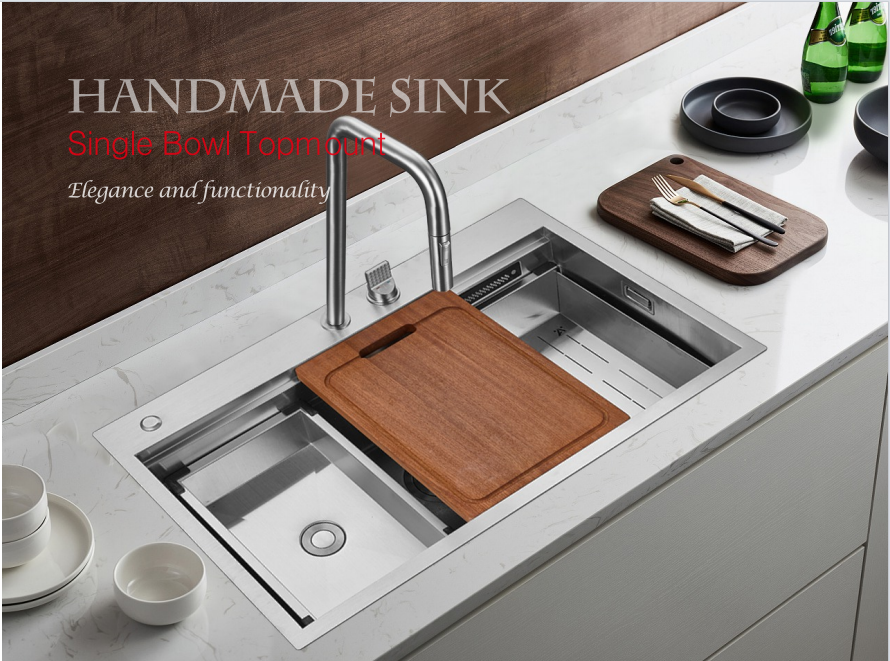
Atunci când proiectați sau refaceți bucătăria, alegerea chiuvetei ideale din oțel inoxidabil necesită o analiză atentă a esteticii generale a designului dumneavoastră. Chiuveta potrivită servește atât ca element funcțional central, cât și ca element de design care poate completa sau contrasta cu stilul bucătăriei dumneavoastră. Înțelegerea modului de armonizare a chiuvetei din oțel inoxidabil cu diversele stiluri de bucătărie asigură un aspect coerent care îmbunătățește atât forma, cât și funcționalitatea. Acest ghid complet explorează nuanțele potrivirii diferitelor stiluri de bucătărie cu configurația ideală a chiuvetei din oțel inoxidabil.
Integrarea Designului Modern al Bucătăriei
Estetică Contemporană Eleganță
Designurile moderne de bucătărie subliniază liniile curate, estetica minimală și eficiența funcțională. O chiuvetă din oțel inoxidabil se integrează perfect în această filozofie de design, oferind atât atracție vizuală, cât și beneficii practice. Suprafața reflectorizantă a oțelului inoxidabil completează electrocasnicele moderne și creează un stil metalic unitar în întreaga încăpere. Bucătăriile contemporane includ adesea dulapuri cu panouri plane, mese de lucru din cuarț și sisteme integrate de iluminat, care funcționează armonios cu accesorii din oțel inoxidabil.
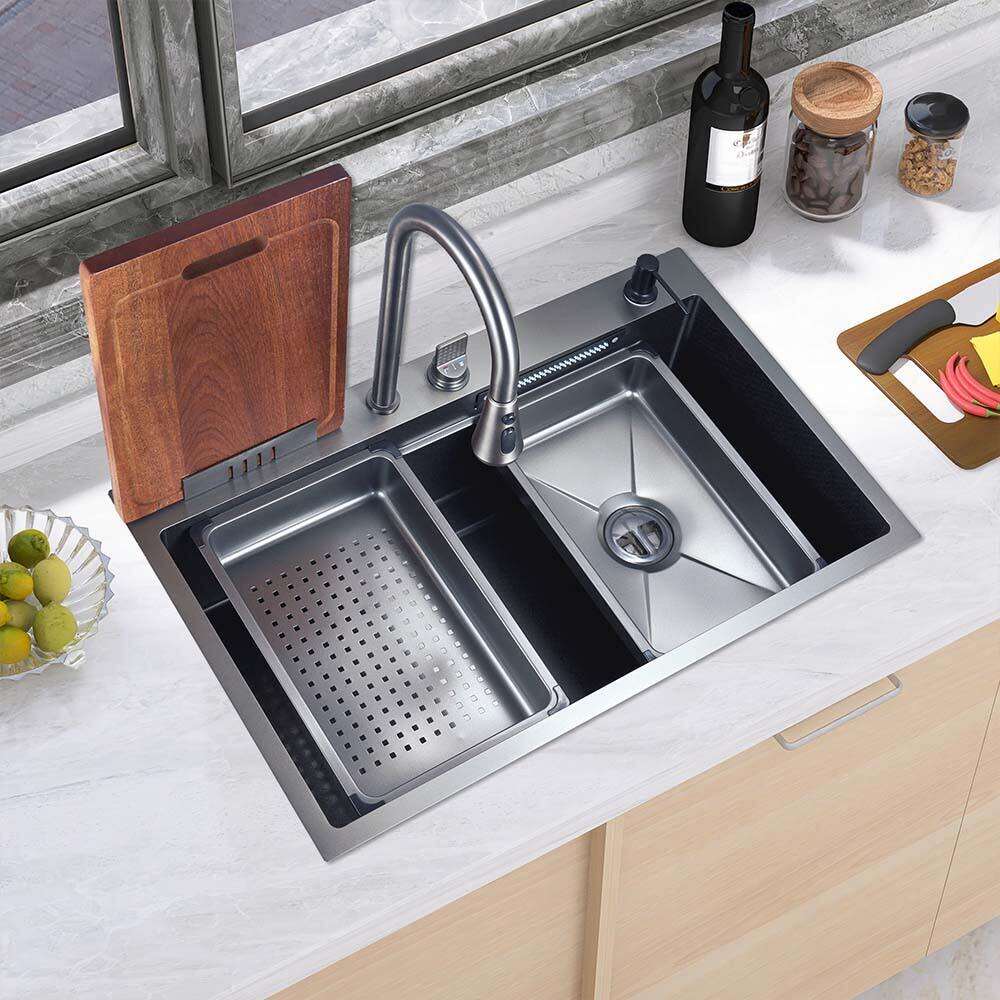
Cheia integrării cu succes a unei chiuvete de bucătărie din oțel inoxidabil în designurile moderne constă în selectarea modelelor cu forme geometrice clare și cu o ornamentație minimală. Configurațiile cu un singur vas, cu margini pătrate, creează declarații vizuale puternice, care se aliniază cu principiile de design contemporan. Nuansa neutră a oțelului inoxidabil îi permite să servească ca fundal pentru plăci decorative colorate sau finisaje vibrante ale dulapurilor, fără a concura pentru atenție.
Principii de design minimalist
Bucătăriile minimaliste acordă prioritate funcționalității, păstrând în același timp o simplitate vizuală, ceea ce face ca variantele de chiuvete de bucătărie din oțel inoxidabil să fie ideale pentru această abordare estetică. Aspectul industrial al oțelului inoxidabil se potrivește perfect cu principiile minimaliste, care celebrează materialele autentice și designul direct. Aceste chiuvete oferă funcționalitatea necesară, fără a adăuga elemente decorative inutile care ar putea perturba estetica curată.
În spațiile minimalistice, chiuveta de bucătărie din oțel inoxidabil devine adesea o parte integrantă a unei suprafețe continue de blat, creând tranziții fără discontinuități între zonele de lucru. Această tehnică de integrare elimină rupturile vizuale și păstrează aspectul neîncărcat care definește designul minimalist. Durabilitatea și natura ușor de întreținut a oțelului inoxidabil sprijină, de asemenea, preferința minimalistă pentru soluții practice și durabile.
Armonia stilului tradițional de bucătărie
Atractivitate clasică și timpurie
Designurile tradiționale de bucătărie pot integra cu succes elemente de chiuvetă din oțel inoxidabil atunci când se acordă o atenție deosebită alegerii finisajului și detaliilor de stilizare. Deși estetica tradițională favorizează în mod frecvent materiale mai calde, cum ar fi cuprul sau porțelana, oțelul inoxidabil poate completa aceste medii prin coordonare atentă cu celelalte elemente metalice. Cheia constă în selectarea unor finisaje din oțel inoxidabil care oferă o căldură subtilă, nu un aspect industrial pronunțat.
Finisajele matate sau satinate ale suprafețelor din oțel inoxidabil ale chiuvetelor de bucătărie oferă o reflexie mai blândă, care se potrivește bine alături de stilurile tradiționale de dulapuri și de blatul din piatră naturală. Aceste finisaje reduc caracterul industrial al oțelului inoxidabil, păstrând în același timp avantajele sale practice. Bucătăriile tradiționale beneficiază de tehnici de montare sub blat, care permit marginilor decorative ale blatului să incadreze atractiv zona chiuvetei.
Echilibrarea funcționalității moderne cu stilul clasic
Integrarea cu succes a unei chiuvete de bucătărie din oțel inoxidabil în designuri tradiționale necesită o analiză atentă a materialelor și finisajelor din jur. Bucătăriile tradiționale prezintă adesea nuanțe bogate de lemn, suprafețe din piatră naturală și accesorii decorative care pot completa sau intra în conflict cu elementele din oțel inoxidabil. Soluția constă în selectarea componentelor din oțel inoxidabil care armonizează cu finisajele metalice existente din întreaga bucătărie.
Când bucătăriile tradiționale au accesorii din alamă sau bronz, alegerea unui balotă de bucatarie din oțel inoxidabil cu nuanțe mai calde contribuie la crearea unei coerențe vizuale. Această abordare permite proprietarilor să beneficieze de avantajele practice ale oțelului inoxidabil, păstrând în același timp estetica clasică care definește designul bucătăriilor tradiționale. O proiectare adecvată a iluminatului poate, de asemenea, contribui la încălzirea aspectului suprafețelor din oțel inoxidabil în spații tradiționale.
Elemente de design pentru bucătării industriale
Estetică de nivel profesional
Designurile bucătăriilor industriale valorifică materialele de calitate comercială și funcționalitatea profesională, făcând din instalarea chiuvetelor de bucătărie din oțel inoxidabil o alegere naturală pentru această estetică. Aspectul utilitar al oțelului inoxidabil se potrivește perfect cu pereții expuși din cărămidă, mesele din beton și sistemele de rafturi deschise, frecvent întâlnite în bucătăriile de stil industrial. Aceste medii îmbrățășesc aspectul sincer și funcțional al echipamentelor profesionale pentru bucătărie.
Bucătăriile industriale prezintă adesea electrocasnice de tip comercial, iluminat suspendat cu finisaje metalice și elemente arhitecturale care subliniază structura și funcționalitatea. O chiuvetă de bucătărie din oțel inoxidabil consolidează această estetică, oferind o durabilitate autentică de tip comercial, în timp ce păstrează coerența vizuală cu celelalte elemente industriale. Proprietățile reflective ale oțelului inoxidabil contribuie, de asemenea, la iluminarea spațiilor industriale, care altfel ar putea părea prea austere sau reci.
Durabilitate de Clasă Comercială
Estetica industrială impune materiale capabile să reziste uzurii intense, păstrând în același timp aspectul lor pe termen lung. Chiuvetele de bucătărie din oțel inoxidabil se dovedesc excelente în aceste medii exigente, oferind rezistență la căldură, zgârieturi și pete, ceea ce le face ideale pentru pasionații de gătit serioși. Grosimea (gauge) oțelului inoxidabil devine deosebit de importantă în mediile industriale, unde grosimile mai mari asigură o amortizare superioară a zgomotului și o integritate structurală mai bună.
Designurile de bucătării industriale includ adesea mai multe zone de lucru și funcționalități de nivel profesional care necesită accesorii sanitare robuste. O chiuvetă de bucătărie din oțel inoxidabil de înaltă calitate servește ca element central al acestor zone funcționale, oferind durabilitatea și performanța necesare pentru pregătirea intensivă a alimentelor. Aspectul neutru al oțelului inoxidabil permite, de asemenea, bucătăriilor industriale să integreze accente colorate prin intermediul operelor de artă sau al plantelor, fără a crea conflicte vizuale.
Coordonarea stilului de bucătărie tip fermă
Amestec rustic-modern
Designurile de bucătării în stil fermier subliniază, de obicei, materialele naturale, elementele vintage și funcționalitatea confortabilă, generând astfel provocări unice privind integrarea chiuvetelor din oțel inoxidabil. Totuși, interpretările moderne ale stilului fermier reușesc adesea să combine cu succes confortul contemporan cu estetica rustică, deschizând astfel oportunități pentru integrarea elementelor din oțel inoxidabil. Cheia constă în echilibrarea caracterului industrial al oțelului inoxidabil cu natura caldă și plăcută a designului fermier.
O integrare reușită în stil fermier implică adesea selectarea unor modele de chiuvete din oțel inoxidabil cu muchii mai puțin pronunțate și finisaje mai calde, care să completeze suprafețele din lemn și accesorii inspirate din epoca vintage. Configurațiile cu fațadă înaintată (aprone-front) din oțel inoxidabil pot oferi impactul vizual al chiuvetelor tradiționale în stil fermier, în timp ce asigură o durabilitate superioară și o igienă superioară. Această abordare permite proprietarilor să beneficieze de estetica fermieră fără a renunța la confortul modern.
Compatibilitatea cu materialele naturale
Bucătăriile de tip fermier includ frecvent dulapuri din lemn natural, blaturi din piatră și accesorii inspirate din epoca vintage, care necesită o coordonare atentă cu elementele metalice. O chiuvetă de bucătărie din oțel inoxidabil poate completa aceste materiale naturale, dacă este integrată corespunzător în ansamblul designului. Calitatea reflectantă a oțelului inoxidabil poate chiar accentua frumusețea naturală a materialelor învecinate, oferind un contrast vizual.
Când bucătăriile de tip fermier includ blaturi din piatră naturală, nuanțele reci ale suprafețelor chiuvetelor de bucătărie din oțel inoxidabil pot oferi un contrast plăcut, păstrând în același timp armonia vizuală. Această combinație funcționează deosebit de bine cu suprafețe din granit sau cuarț care conțin particule metalice sau vene. Durabilitatea oțelului inoxidabil sprijină, de asemenea, accentul specific bucătăriilor de tip fermier pe materiale practice și durabile, capabile să reziste uzurii zilnice.
Soluții de design pentru bucătării de tranziție
Elemente flexibile de stil
Designurile de bucătării tranzitorii combină elemente tradiționale și contemporane, creând spații versatilе care se adaptează preferințelor în evoluție de-a lungul timpului. Instalarea unei chiuvete de bucătărie din oțel inoxidabil funcționează excepțional de bine în astfel de ambiențe tranzitorii datorită aspectului său neutru și funcționalității sale atemporale. Aceste designuri includ, de obicei, o combinație de materiale și finisaje care pot integra ușor caracterul industrial al oțelului inoxidabil.
Bucătăriile tranzitorii includ adesea atât finisaje vopsite, cât și din lemn natural, mai multe tipuri de materiale pentru blaturi și accesorii în diverse nuanțe metalice. O chiuvetă de bucătărie din oțel inoxidabil servește ca element unificator care completează simultan mai multe direcții de design. Această flexibilitate face din oțelul inoxidabil o investiție excelentă pe termen lung pentru proprietarii de locuințe care doresc să-și actualizeze estetica bucătăriei fără a înlocui elemente majore de dotare.
Opțiuni de design adaptabile
Caracterul neutru al opțiunilor de chiuvete din oțel inoxidabil le face deosebit de potrivite pentru designurile tranzitive, care se pot dezvolta în timp. Spre deosebire de materialele pentru chiuvete colorate sau puternic stilizate, oțelul inoxidabil se adaptează la finisajele în schimbare ale dulapurilor, ale blatului și ale accesoriilor decorative, fără a necesita înlocuirea chiuvetei. Această adaptabilitate sprijină filosofia tranzitivă de creare a spațiilor capabile să integreze diverse influențe de design.
Bucătăriile tranzitive beneficiază de configurațiile chiuvetelor din oțel inoxidabil care oferă atât atracție vizuală, cât și versatilitate funcțională. Designurile cu mai multe compartimente oferă avantaje practice în pregătirea alimentelor, păstrând în același timp aspectul curat, care se potrivește bine atât elementelor tradiționale, cât și celor contemporane. Calitatea reflectantă a oțelului inoxidabil contribuie, de asemenea, la senzația de spațiu mai deschis și mai conectat cu zonele adiacente de locuit.
Strategii de integrare în bucătării contemporane
Tendințe de vârf în domeniul designului
Designurile moderne de bucătării depășesc estetica modernă tradițională, integrând cele mai recente materiale, tehnologii și concepte spațiale. Instalarea chiuvetelor din oțel inoxidabil rămâne relevantă în aceste medii orientate spre viitor, oferind atât funcționalitate clasică, cât și compatibilitate cu tendințele emergente de design. Spațiile moderne includ adesea motive geometrice audacioase, combinații de materiale și soluții inovatoare de stocare, care completează perfect accesorii din oțel inoxidabil.
Moștenirea industrială a chiuvetelor din oțel inoxidabil se potrivește bine cu preferințele moderne pentru materiale autentice și metode oneste de construcție. Aceste spații subliniază adesea intersecția dintre formă și funcționalitate, făcând din oțelul inoxidabil o alegere ideală pentru proprietarii de locuințe care apreciază atât inovația estetică, cât și performanța practică. Tehnici avansate de fabricație permit, de asemenea, realizarea de chiuvete din oțel inoxidabil cu forme și configurații unice, care sprijină obiectivele de design contemporan.
Integrarea tehnologiei
Bucătăriile moderne includ din ce în ce mai frecvent tehnologii inteligente și sisteme automate care necesită coordonarea cu accesorii tradiționale, cum ar fi chiuvetele. Modelele de chiuvete de bucătărie din oțel inoxidabil se adaptează ușor la actualizări tehnologice, cum ar fi robinetele fără contact, sistemele integrate de iluminat și echipamentele de filtrare a apei. Aspectul neutru al oțelului inoxidabil asigură faptul că aceste adăugiri tehnologice rămân vizual integrate, fără a părea soluții adăugate ulterior.
Durabilitatea și rezistența chimică a suprafețelor chiuvetelor din oțel inoxidabil sprijină, de asemenea, interesul actual pentru traiul durabil și reducerea impactului asupra mediului. Aceste materiale necesită un număr minim de produse chimice de curățare și își păstrează aspectul fără a necesita refinare sau înlocuire frecventă. Această longevitate este în concordanță cu valorile actuale, care prioritizează responsabilitatea ecologică alături de realizarea estetică.
Întrebări frecvente
Ce finisaj din oțel inoxidabil se potrivește cel mai bine cu dulapurile de bucătărie închise la culoare
Finisajele din oțel inoxidabil mat sau satinat oferă complementul ideal pentru dulapurile de bucătărie închise la culoare, oferind o reflexie subtilă fără a crea un contrast puternic. Aceste finisaje reflectă lumina în mod blând, contribuind la iluminarea spațiilor întunecate din bucătărie, păstrând în același timp armonia vizuală cu culorile intense ale dulapurilor. Calitatea mată a suprafețelor chiuvetelor din oțel inoxidabil mat reduce, de asemenea, vizibilitatea amprentelor digitale și necesarul de întreținere în medii cu contrast ridicat.
Cum pot preveni aspectul prea industrial al chiuvetei mele din oțel inoxidabil?
Atenuați aspectul industrial al chiuvetei dvs. de bucătărie din oțel inoxidabil prin integrarea unor surse de iluminat cald, a materialelor naturale și a accesoriiilor texturate în jurul zonei chiuvetei. Luați în considerare montarea sub blat pentru a integra chiuveta fără discontinuități cu materialul blaturilor și alegeți robinete cu finisaje metalice mai calde sau cu stil tradițional. Adăugarea de plante, scânduri de lemn pentru tăiat sau accesorii din ceramică în apropierea chiuvetei contribuie la echilibrarea caracterului industrial rece cu căldura organică.
Pot fi folosite chiuvete de bucătărie din oțel inoxidabil în spații mici de bucătărie?
Opțiunile de chiuvete de bucătărie din oțel inoxidabil îmbunătățesc, de fapt, spațiile mici de bucătărie, reflectând lumina și creând continuitate vizuală cu electrocasnicele și accesorii. Proprietățile reflective ajută bucătăriile mici să pară mai spațioase și mai coerente, în timp ce culoarea neutră previne suprasolicitarea vizuală a spațiului limitat. Configurațiile cu o singură cuvă maximizează spațiul funcțional, păstrând în același timp aspectul elegant care sprijină obiectivele de design pentru bucătării mici.
Ce materiale pentru blat se potrivesc cel mai bine cu chiuvetele de bucătărie din oțel inoxidabil
Blaturile din cuarț, granit și lemn masiv (butcher block) se potrivesc excelent cu chiuvetele de bucătărie din oțel inoxidabil, oferind fiecare avantaje estetice diferite. Cuarțul asigură o integrare fără cusur, cu o colorare uniformă, în timp ce granitul oferă variații naturale care completează caracterul industrial al oțelului inoxidabil. Lemnul masiv creează un contrast cald care atenuează aspectul metalic, oferind în același timp suprafețe de lucru practice, care se coordonează bine cu funcționalitatea oțelului inoxidabil.
Cuprins
- Integrarea Designului Modern al Bucătăriei
- Armonia stilului tradițional de bucătărie
- Elemente de design pentru bucătării industriale
- Coordonarea stilului de bucătărie tip fermă
- Soluții de design pentru bucătării de tranziție
- Strategii de integrare în bucătării contemporane
-
Întrebări frecvente
- Ce finisaj din oțel inoxidabil se potrivește cel mai bine cu dulapurile de bucătărie închise la culoare
- Cum pot preveni aspectul prea industrial al chiuvetei mele din oțel inoxidabil?
- Pot fi folosite chiuvete de bucătărie din oțel inoxidabil în spații mici de bucătărie?
- Ce materiale pentru blat se potrivesc cel mai bine cu chiuvetele de bucătărie din oțel inoxidabil