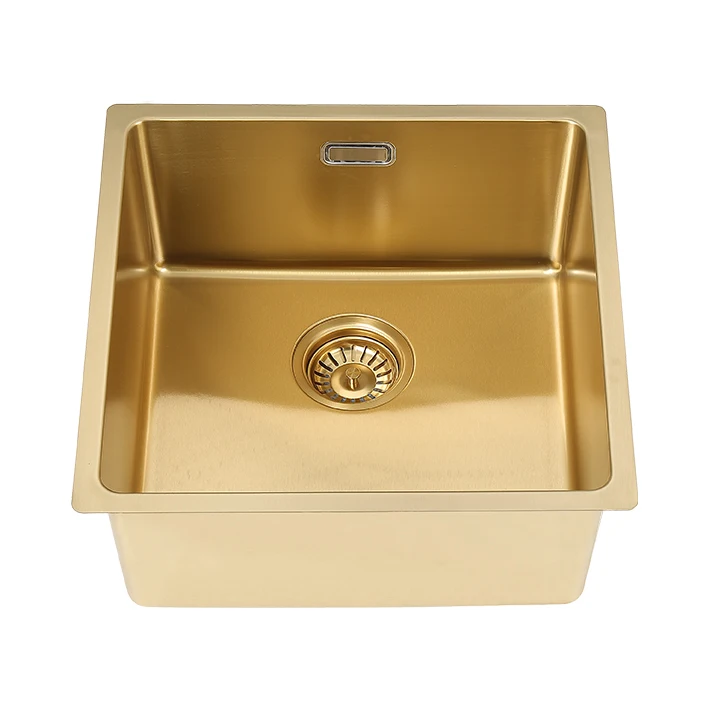
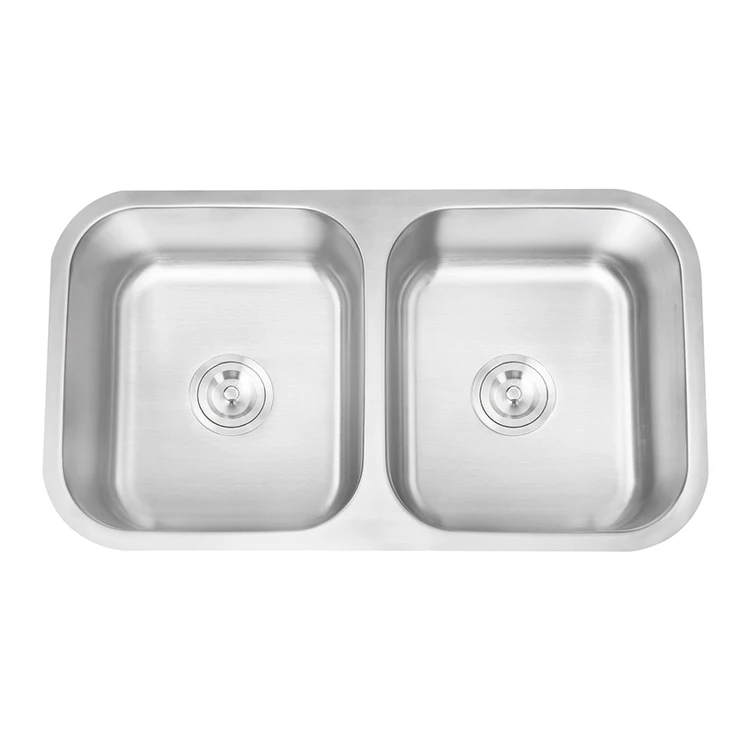
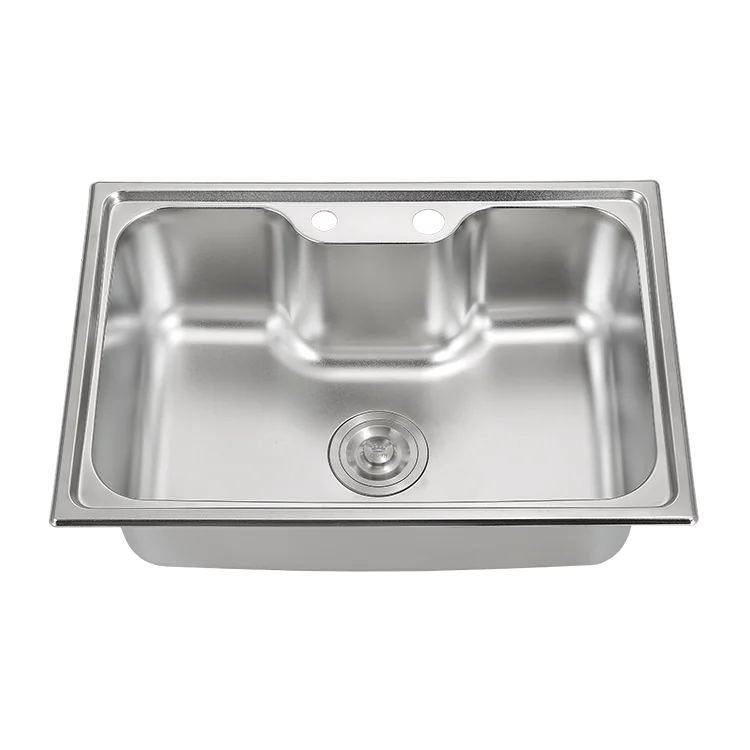
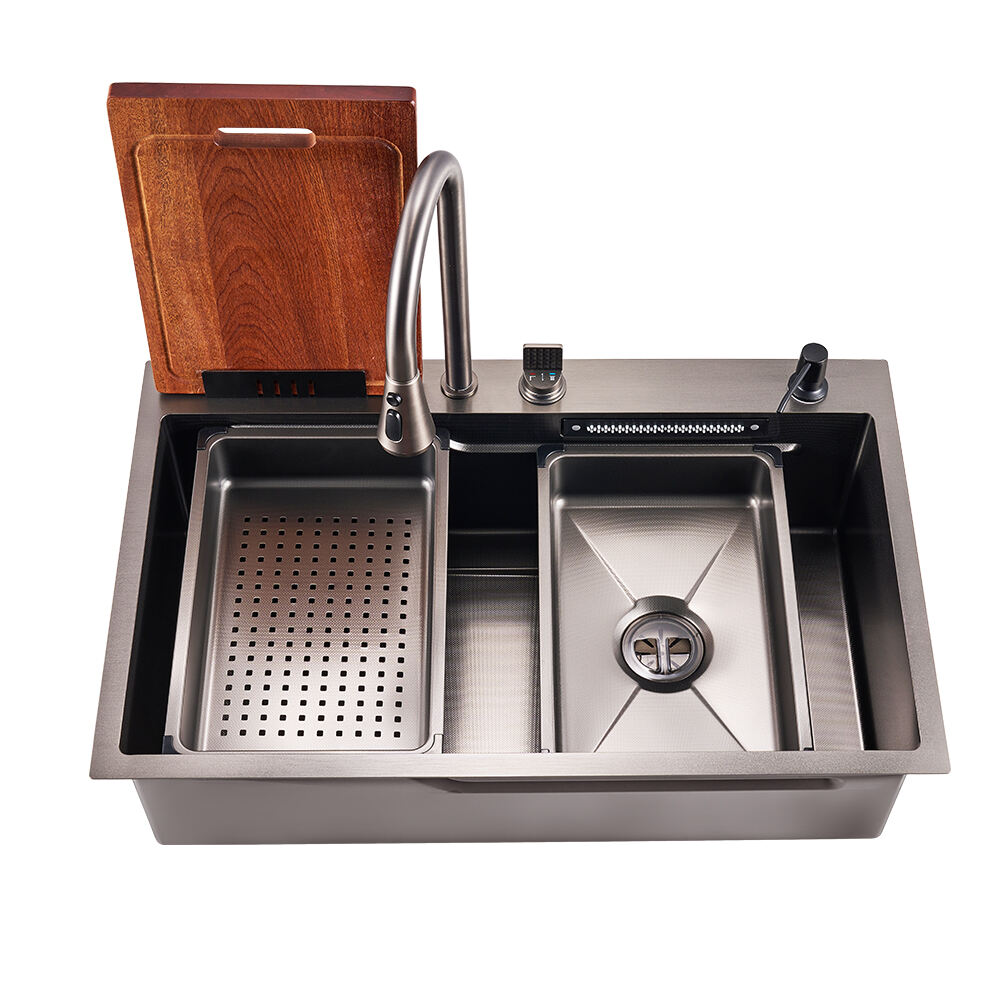
Professional Restaurant Kitchen Sink - Commercial Grade Multi-Compartment Stainless Steel Systems

Get a Free Quote

Our representative will contact you soon.
Email
Name
Mobile/WhatsApp
Company Name
Message
0/1000

restaurant kitchen sink

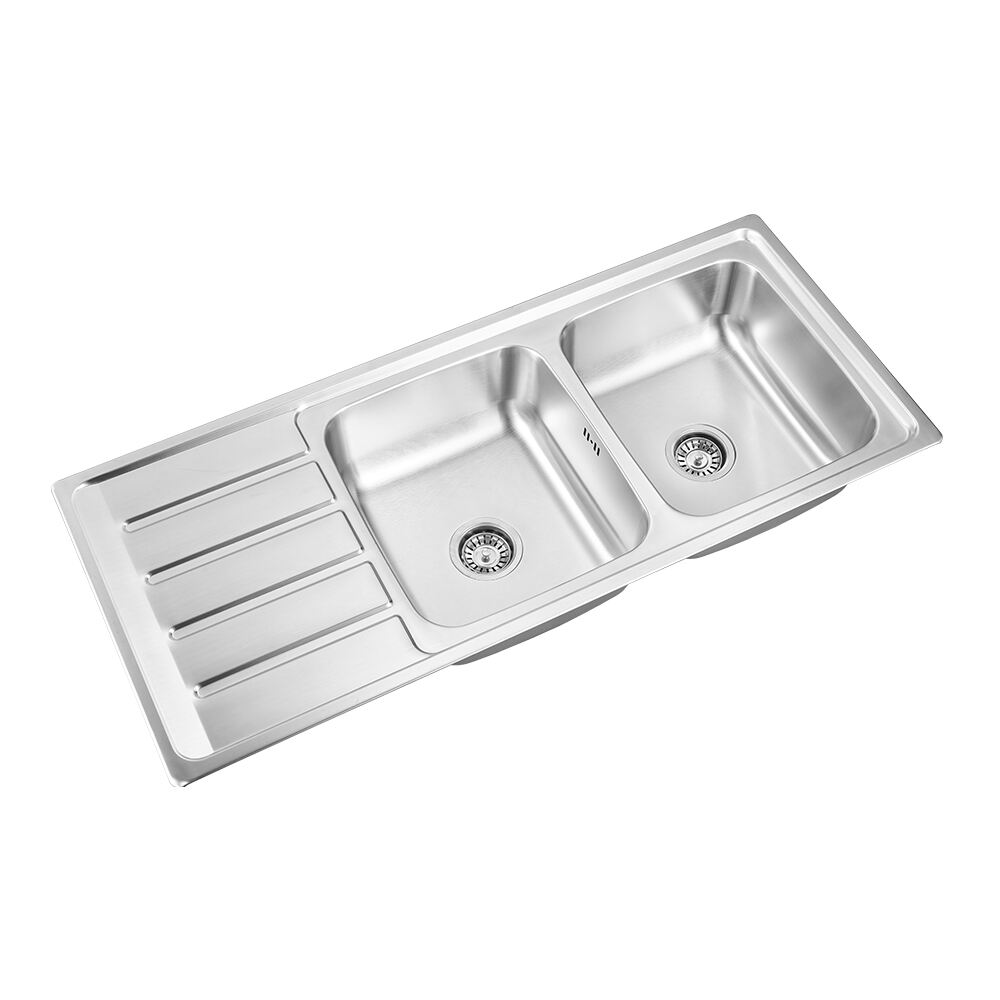
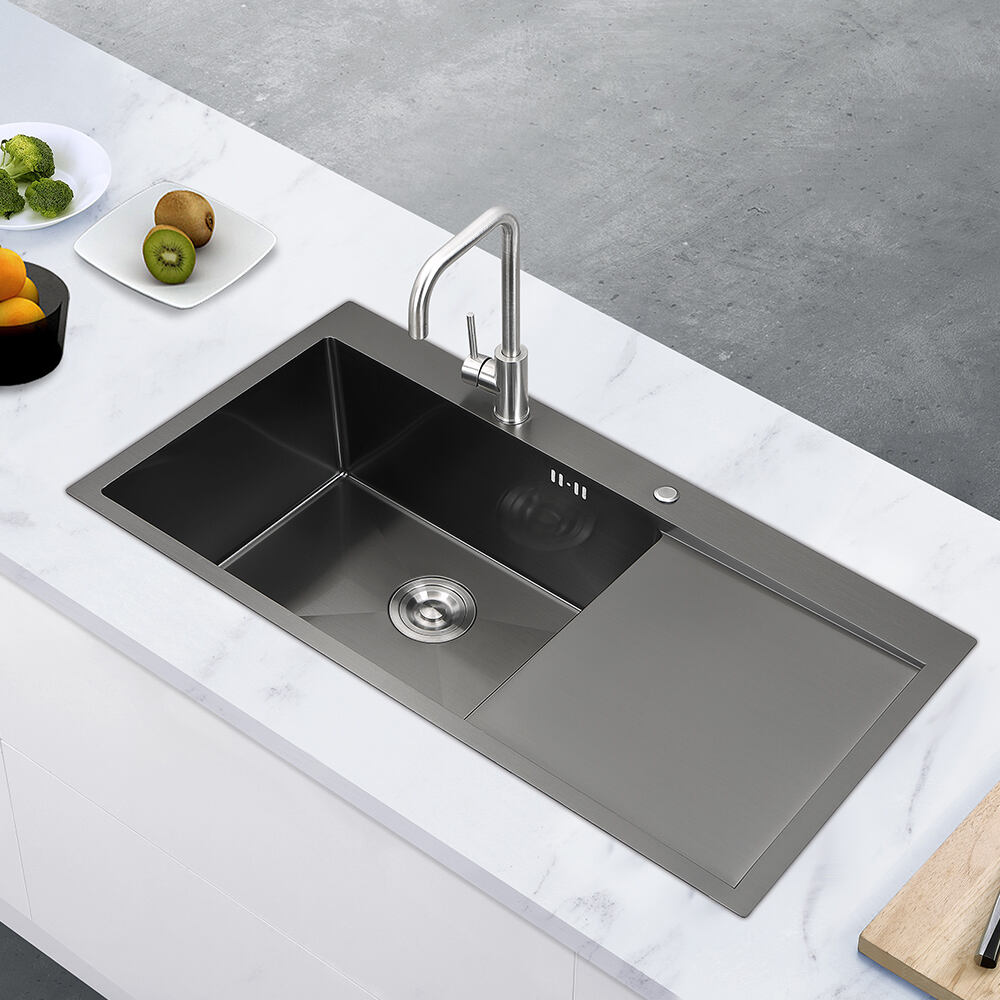
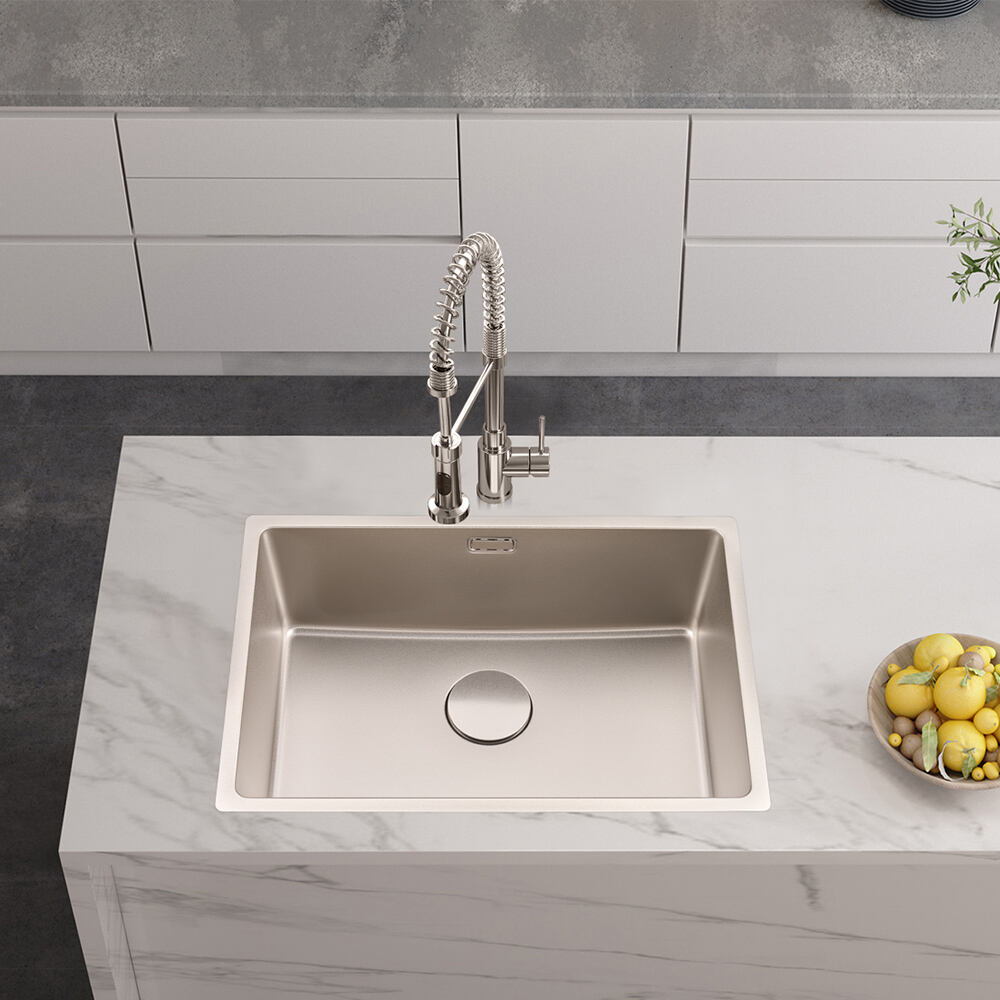
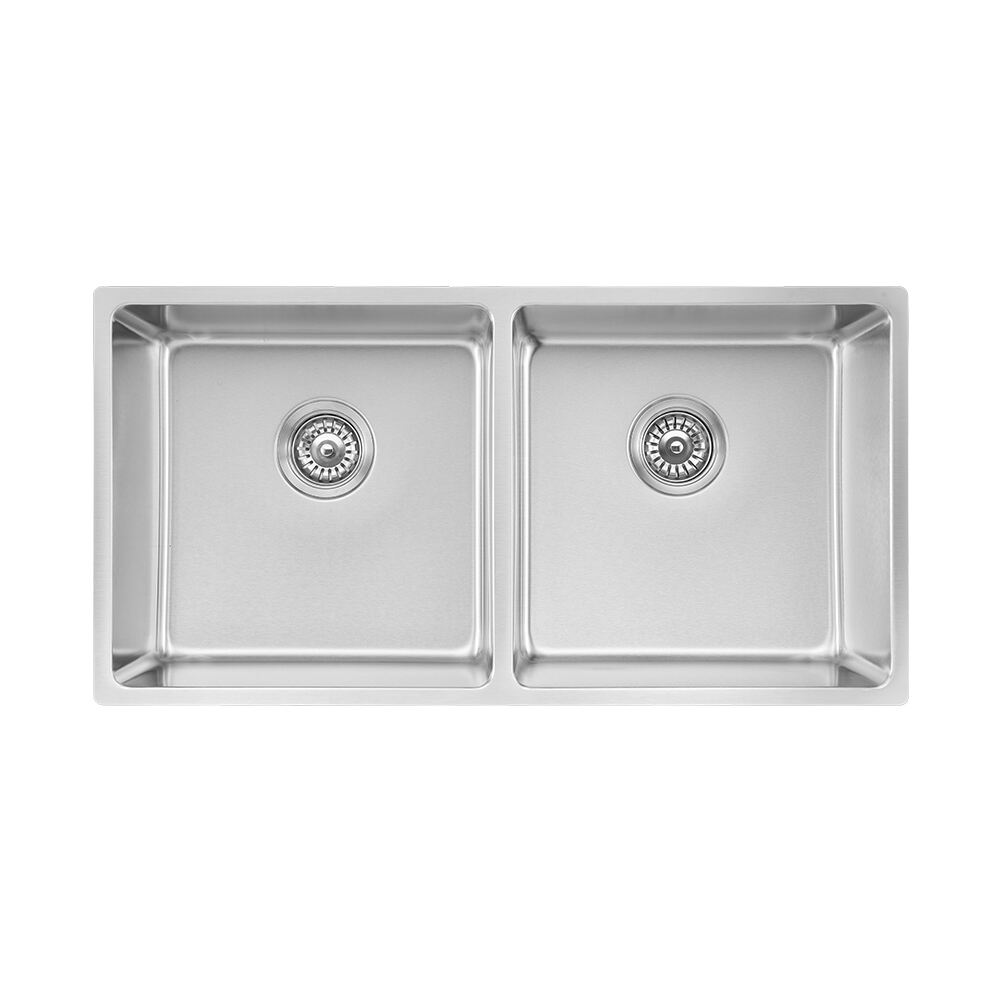
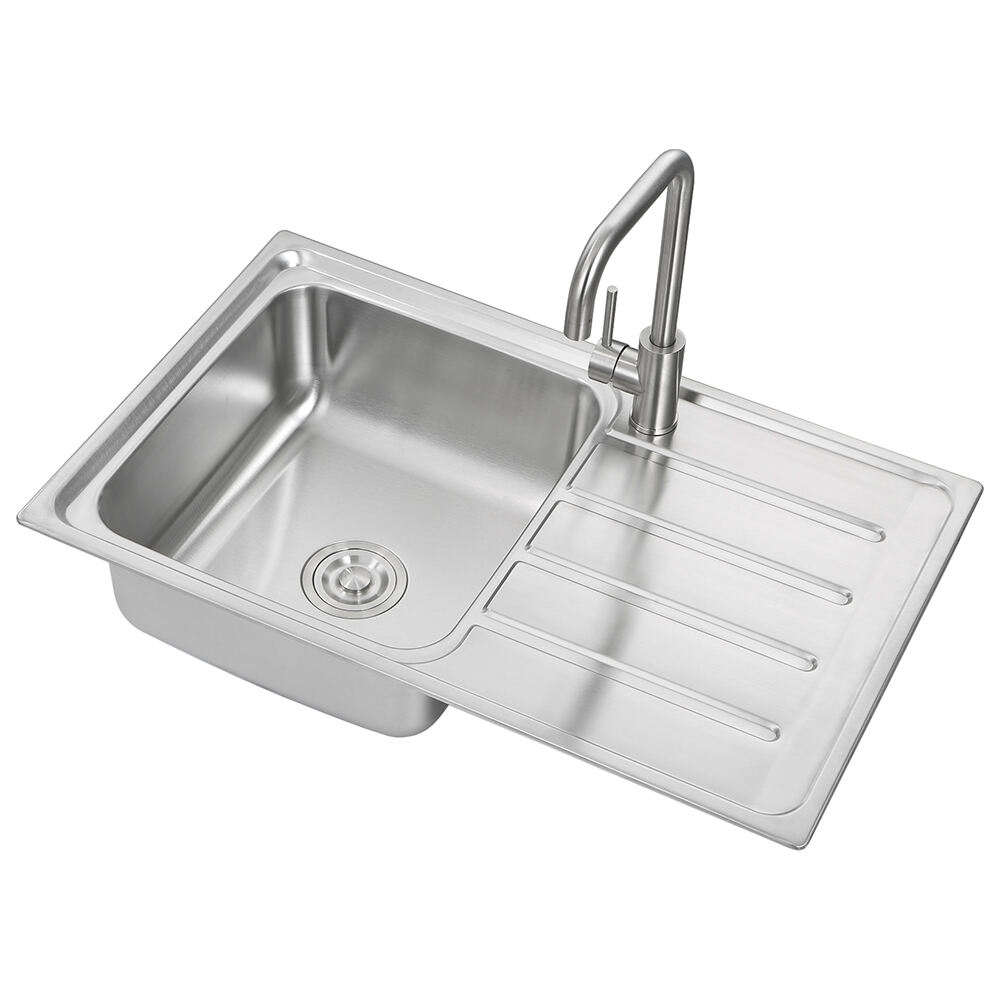
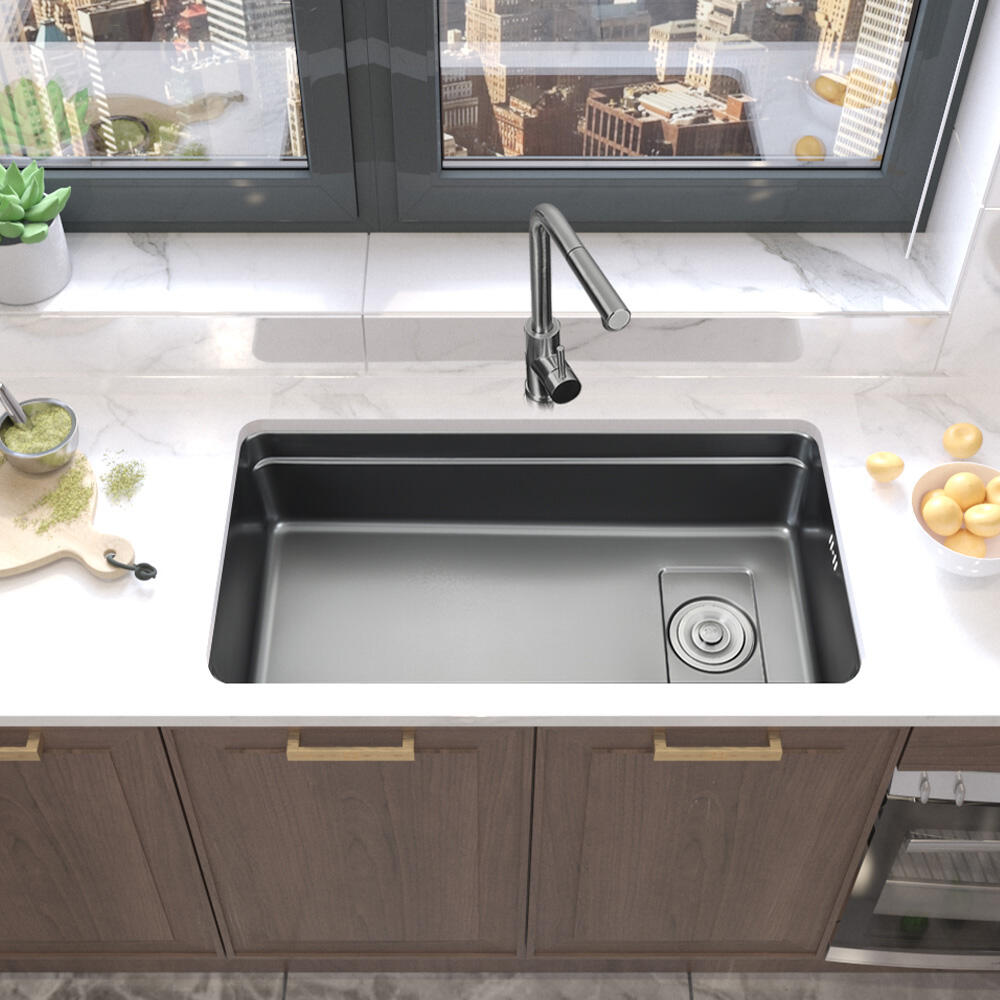
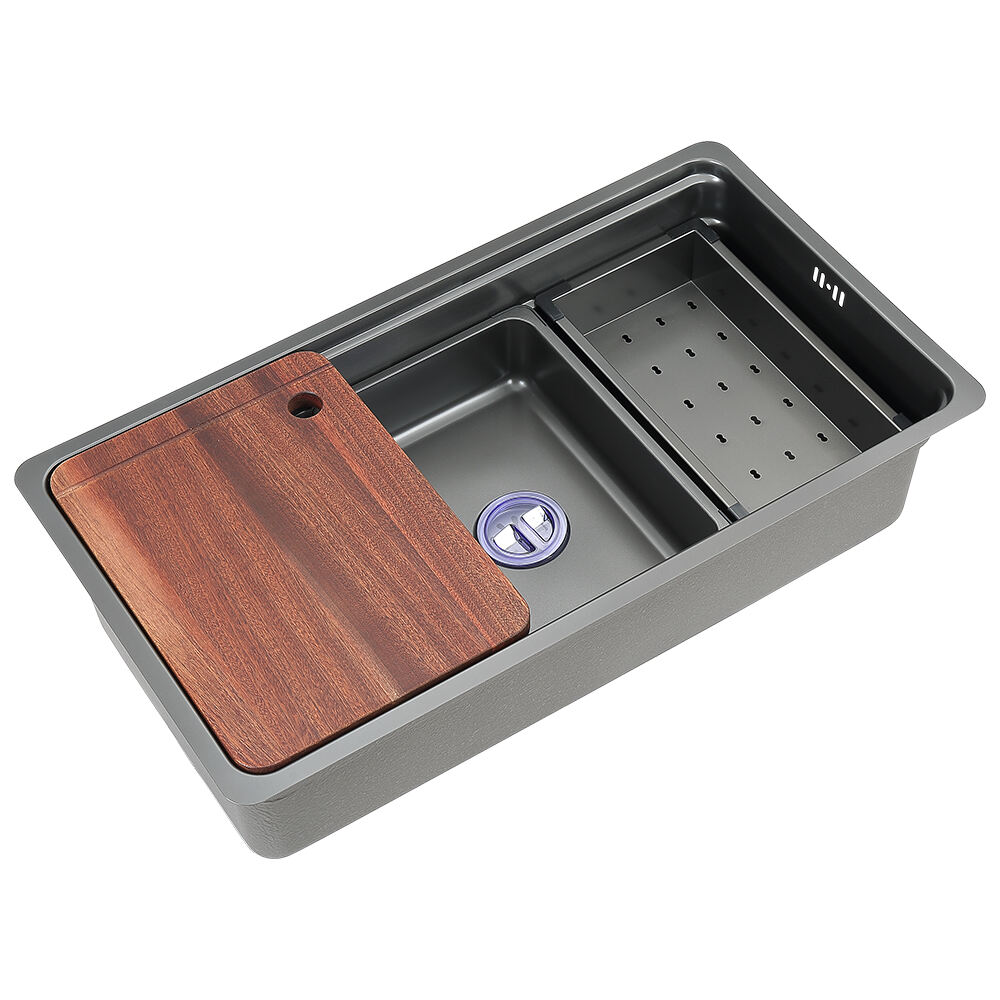
The restaurant kitchen sink serves as the cornerstone of commercial food preparation facilities, providing essential functionality for maintaining hygiene standards and operational efficiency. These specialized sinks differ significantly from residential models, incorporating robust construction materials and advanced design features tailored for high-volume food service environments. Modern restaurant kitchen sinks feature multiple compartments, typically ranging from single-bowl configurations to elaborate three or four-compartment systems, allowing simultaneous washing, rinsing, and sanitizing operations. The primary function revolves around dishware cleaning, utensil preparation, and food handling processes that comply with health department regulations. Advanced technological features include integrated soap dispensers, commercial-grade faucets with pull-down sprayers, and temperature-controlled water delivery systems. Many restaurant kitchen sink models incorporate stainless steel construction with gauge ratings between 14 and 18, ensuring durability against constant use and chemical exposure. Drainage systems feature large-capacity waste outlets with removable strainers, preventing blockages while accommodating substantial food debris volumes. Installation requirements encompass proper plumbing connections, adequate counter space, and compliance with local health codes governing commercial kitchen equipment. Applications extend beyond basic cleaning to include food preparation activities such as vegetable washing, seafood processing, and equipment sanitization. The restaurant kitchen sink often integrates with dishwashing systems, creating seamless workflows that maximize productivity during peak service periods. Water efficiency technologies help establishments reduce utility costs while maintaining sanitation standards required by food safety protocols. Ergonomic design considerations ensure staff comfort during extended use, featuring appropriate height adjustments and accessible controls. These sinks accommodate various accessories including cutting boards, colanders, and drying racks that enhance functional versatility. Commercial establishments rely on restaurant kitchen sink systems to support daily operations ranging from casual dining to fine dining establishments, each requiring specific configurations based on menu complexity and service volume demands.

New Product Releases

Restaurant kitchen sink systems deliver significant operational advantages that directly impact business efficiency and profitability. The enhanced durability of commercial-grade construction ensures long-term investment protection, with stainless steel materials resisting corrosion, dents, and staining that would compromise lesser equipment. These robust systems handle intensive daily use without performance degradation, reducing replacement costs and minimizing downtime that disrupts service operations. Superior hygiene maintenance becomes effortless through smooth, non-porous surfaces that prevent bacterial growth and simplify cleaning protocols required by health inspectors. The restaurant kitchen sink design facilitates rapid sanitization between different food preparation tasks, preventing cross-contamination that could result in foodborne illness incidents and regulatory violations. Multiple compartment configurations enable simultaneous processing of various cleaning stages, dramatically improving workflow efficiency during busy service periods. Staff productivity increases as employees can wash, rinse, and sanitize items without waiting for single-compartment systems to complete previous tasks. Water conservation features integrated into modern restaurant kitchen sink models help establishments reduce utility expenses while maintaining optimal cleaning performance. High-capacity drainage systems prevent costly backups and flooding that could damage kitchen equipment and interrupt service operations. The versatile functionality accommodates diverse cleaning requirements from delicate glassware to heavy-duty pots and pans, eliminating the need for multiple specialized cleaning stations. Ergonomic design elements reduce staff fatigue and injury risks, decreasing worker compensation claims and improving employee satisfaction rates. Easy maintenance procedures minimize the time and cost associated with keeping equipment in optimal working condition. The restaurant kitchen sink serves as a central hub for food safety compliance, helping establishments pass health inspections and maintain operating licenses essential for business continuity. Customizable configurations allow businesses to select specifications that match their unique operational requirements and available space constraints. Professional appearance enhances kitchen aesthetics, creating positive impressions for customers, health inspectors, and potential employees. Integration capabilities with other commercial kitchen equipment create seamless workflows that maximize operational efficiency and reduce labor costs associated with manual processes.

Practical Tips

Why Are Stainless Kitchen Sinks the Top Choice for Modern Homes?

24

Nov

Why Are Stainless Kitchen Sinks the Top Choice for Modern Homes?

Modern homeowners increasingly prioritize functionality and aesthetics when designing their kitchens, leading many to choose stainless kitchen sinks as their preferred option. These versatile fixtures have gained tremendous popularity due to their ex...
View More
How to Select the Right Stainless Kitchen Sink Size and Shape?

24

Nov

How to Select the Right Stainless Kitchen Sink Size and Shape?

Choosing the perfect stainless kitchen sink for your home involves careful consideration of multiple factors that directly impact both functionality and aesthetics. The size and shape of your sink determine how efficiently you can perform daily kitch...
View More
How Undermount Sinks Meet the Needs of Modern Kitchen Design?

14

Jan

How Undermount Sinks Meet the Needs of Modern Kitchen Design?

Modern kitchen design has evolved significantly over the past decade, with homeowners increasingly prioritizing both functionality and aesthetic appeal. Among the essential elements that define contemporary kitchens, undermount sinks have emerged as ...
View More
Why is Stainless Steel the Top Choice for Kitchen Sinks?

11

Feb

Why is Stainless Steel the Top Choice for Kitchen Sinks?

When designing or renovating a kitchen, choosing the right sink material is crucial for both functionality and aesthetics. Among all available options, the stainless steel kitchen sink has emerged as the preferred choice for homeowners and profession...
View More

Get a Free Quote

Our representative will contact you soon.
Email
Name
Mobile/WhatsApp
Company Name
Message
0/1000

restaurant kitchen sink

Advanced Multi-Compartment Design for Maximum Efficiency

Advanced Multi-Compartment Design for Maximum Efficiency

The multi-compartment design represents the most significant advantage of professional restaurant kitchen sink systems, transforming traditional cleaning workflows into highly efficient operations. This innovative configuration typically features three or four separate basins, each serving distinct functions in the cleaning and sanitization process. The first compartment handles initial washing with hot, soapy water at temperatures reaching 110 degrees Fahrenheit, effectively removing food debris and grease from dishes, utensils, and cookware. The second basin provides thorough rinsing with clean water, eliminating soap residue and loosened contaminants that could compromise taste or safety standards. The final compartment contains sanitizing solution or extremely hot water exceeding 180 degrees Fahrenheit, ensuring complete elimination of harmful bacteria and viruses that pose health risks. This systematic approach prevents cross-contamination between cleaning stages while maintaining consistent sanitation standards required by health regulations. The restaurant kitchen sink multi-compartment design enables simultaneous processing of different cleaning phases, dramatically reducing the time required to complete dishware cycles during peak service periods. Staff members can efficiently move items through each stage without waiting for single-basin systems to complete previous tasks, improving overall kitchen productivity. The separate compartments also accommodate different cleaning requirements for various kitchen items, allowing gentle handling of delicate glassware while providing robust cleaning action for heavily soiled pots and pans. Professional kitchens benefit from the organizational advantages of clearly defined cleaning zones that help staff maintain proper sanitation protocols even during high-stress service periods. The generous sizing of each compartment in restaurant kitchen sink systems accommodates large volumes of dishes, reducing the frequency of water changes and chemical replenishment required throughout service periods. This design efficiency translates directly into labor cost savings as fewer staff members can handle larger cleaning volumes more effectively than traditional single-basin alternatives.
Commercial-Grade Stainless Steel Construction for Unmatched Durability

Commercial-Grade Stainless Steel Construction for Unmatched Durability

The commercial-grade stainless steel construction of restaurant kitchen sink systems provides unparalleled durability and performance characteristics essential for demanding food service environments. High-quality stainless steel, typically manufactured in 14 or 16-gauge thickness, offers exceptional resistance to corrosion, impact damage, and thermal shock that would compromise inferior materials. This robust construction ensures restaurant kitchen sink systems maintain structural integrity despite constant exposure to hot water, cleaning chemicals, and heavy cookware that characterize commercial kitchen operations. The non-porous surface properties of stainless steel prevent bacterial growth and absorption of odors, flavors, or stains that could contaminate food preparation processes. Professional kitchens benefit from the easy cleaning and sanitization capabilities of stainless steel surfaces that meet stringent health department requirements for food contact surfaces. The material's natural antibacterial properties provide an additional layer of protection against foodborne pathogens that pose serious health risks to customers and staff members. Restaurant kitchen sink systems constructed from commercial-grade stainless steel resist chemical damage from powerful cleaning agents and sanitizers required for proper hygiene maintenance. The smooth, seamless construction eliminates crevices where bacteria could accumulate, simplifying cleaning procedures and ensuring compliance with food safety regulations. Heat resistance properties allow direct contact with boiling water and hot cookware without warping or discoloration that would affect performance or appearance. The professional appearance of stainless steel restaurant kitchen sink systems creates positive impressions during health inspections and enhances overall kitchen aesthetics. Maintenance requirements remain minimal due to the inherent durability and stain resistance of quality stainless steel construction. Long-term cost benefits become apparent through extended service life and reduced replacement frequency compared to alternative materials. The recyclable nature of stainless steel also supports environmental sustainability goals while providing superior performance characteristics. Investment protection through durable construction ensures restaurant kitchen sink systems deliver consistent performance throughout their extended service life, maximizing return on equipment expenditure.
Integrated Water Management and Conservation Technology

Integrated Water Management and Conservation Technology

Modern restaurant kitchen sink systems incorporate sophisticated water management and conservation technology that delivers significant operational benefits while supporting environmental sustainability goals. Advanced faucet designs feature precise flow control mechanisms that maintain optimal water pressure and temperature while minimizing waste during cleaning operations. The restaurant kitchen sink often includes sensor-activated controls that automatically regulate water flow based on user proximity, preventing unnecessary water usage when stations remain unattended. Temperature mixing valves ensure consistent hot water delivery at predetermined levels, eliminating the energy waste associated with manual temperature adjustments throughout service periods. Water-efficient spray attachments provide powerful cleaning action while reducing overall consumption compared to traditional full-flow systems. The integrated design allows restaurant kitchen sink systems to maintain superior cleaning performance while substantially decreasing utility costs associated with water heating and consumption. Pre-rinse spray valves incorporated into many restaurant kitchen sink configurations deliver high-pressure water streams that effectively remove food debris with minimal water usage. These efficiency features help establishments meet increasingly strict environmental regulations while reducing operational expenses that impact profitability. The restaurant kitchen sink water management systems often include filtration components that improve water quality while protecting downstream plumbing and dishwashing equipment from mineral buildup and contamination. Automated chemical dispensing systems integrated with water controls ensure proper sanitizer concentrations while eliminating waste from manual mixing procedures. Temperature monitoring capabilities provide real-time feedback on water conditions, helping staff maintain compliance with health regulations requiring specific temperature ranges for effective sanitization. The conservation technology reduces the environmental impact of commercial kitchen operations while supporting corporate sustainability initiatives that appeal to environmentally conscious customers. Water recirculation systems in advanced restaurant kitchen sink models capture and filter rinse water for reuse in initial washing stages, further reducing consumption without compromising cleaning effectiveness. These integrated technologies create measurable cost savings through reduced utility bills while maintaining the high performance standards required for professional food service operations.
Professional Restaurant Kitchen Sink - Commercial Grade Multi-Compartment Stainless Steel Systems

Get a Free Quote

Our representative will contact you soon.
Email
Name
Mobile/WhatsApp
Company Name
Message
0/1000