EN
EN


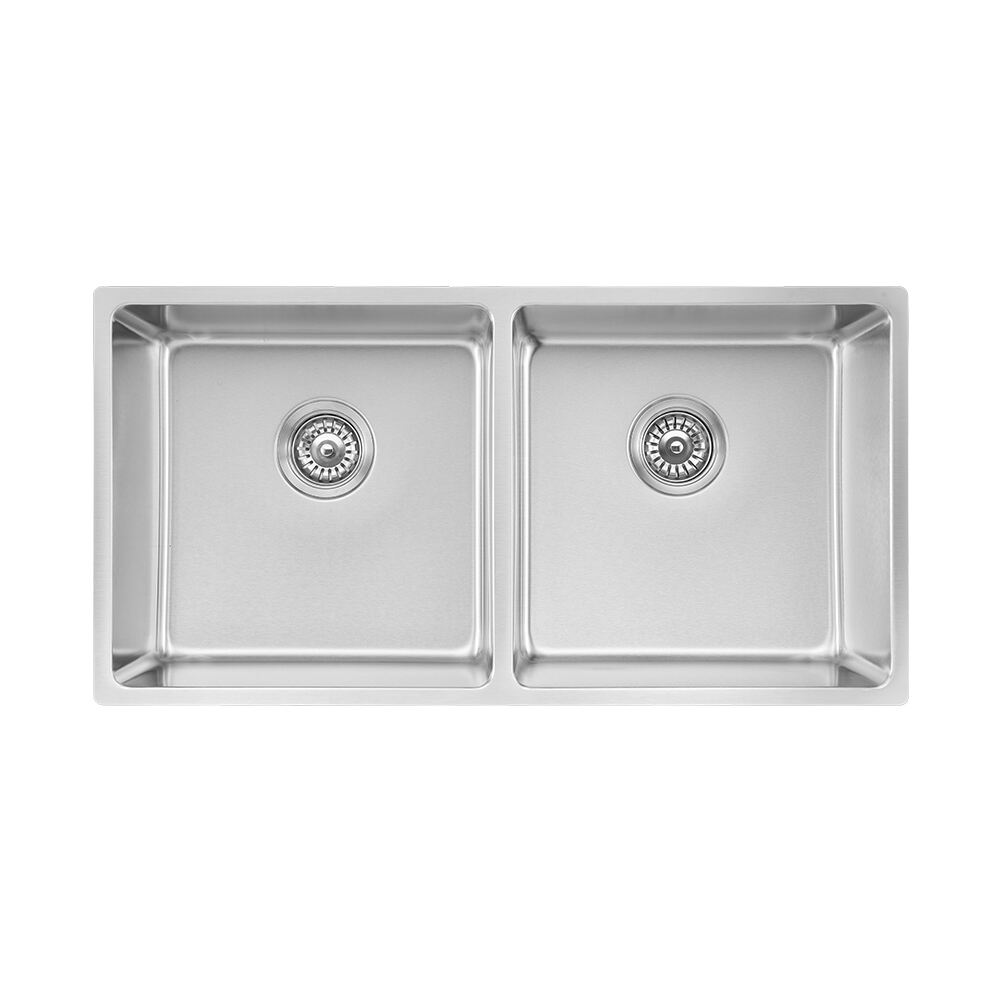
When designing or renovating a kitchen, choosing the right sink material is crucial for both functionality and aesthetics. Among all available options, the stainless steel kitchen sink has emerged as the preferred choice for homeowners and professional chefs alike. This material combines durability, hygiene, and timeless appeal in ways that other materials simply cannot match. Understanding why stainless steel dominates the kitchen sink market requires examining its unique properties and practical advantages.
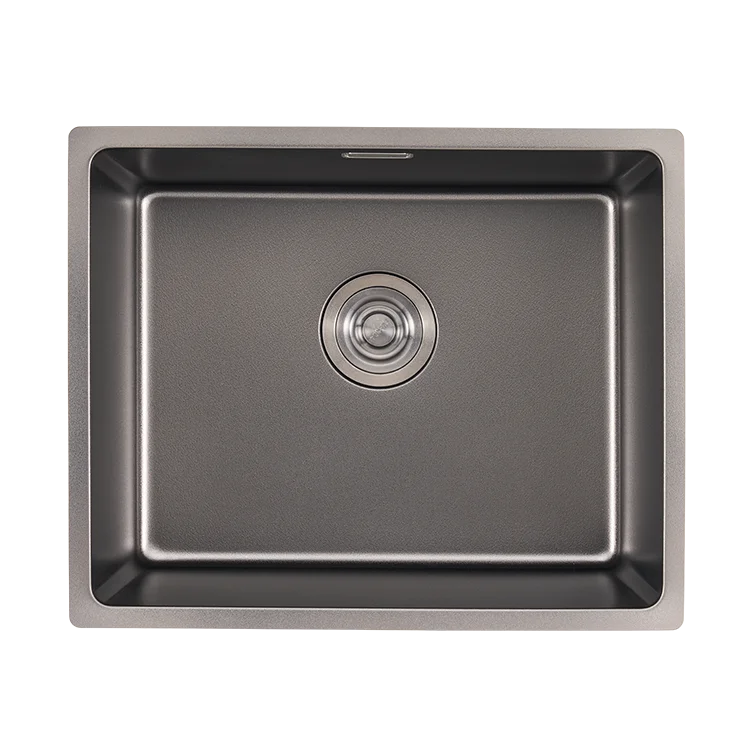
Material Properties and Durability Advantages
Corrosion Resistance and Longevity
The exceptional corrosion resistance of a stainless steel kitchen sink stems from its chromium content, which forms a protective oxide layer on the surface. This invisible barrier prevents rust formation and maintains the sink's appearance even under constant exposure to water and cleaning chemicals. Unlike traditional materials that deteriorate over time, stainless steel maintains its structural integrity for decades with minimal maintenance requirements.
The longevity factor makes every stainless steel kitchen sink an excellent long-term investment. Professional kitchens worldwide rely on this material because it withstands heavy daily use without showing significant wear. The ability to resist staining, pitting, and chemical damage ensures that your sink will look as good as new years after installation.
Heat and Impact Resistance
Temperature fluctuations pose no threat to a quality stainless steel kitchen sink. Whether you're draining boiling pasta water or placing hot pots directly in the basin, the material maintains its shape and finish without cracking or discoloration. This thermal stability is particularly important in busy kitchens where temperature extremes are common.
Impact resistance is another crucial advantage that sets the stainless steel kitchen sink apart from ceramic or composite alternatives. Dropped dishes, heavy cookware, and daily kitchen activities create constant stress on sink surfaces. Stainless steel absorbs these impacts without chipping, cracking, or showing permanent damage, making it ideal for high-traffic kitchen environments.
Hygiene and Food Safety Benefits
Non-Porous Surface Properties
The non-porous nature of a stainless steel kitchen sink creates an inhospitable environment for bacteria, mold, and other harmful microorganisms. Unlike porous materials that can harbor contaminants in microscopic crevices, stainless steel provides a smooth, sealed surface that prevents bacterial growth. This characteristic makes it the preferred choice in commercial food preparation facilities and health-conscious home kitchens.
Food safety regulations in professional kitchens often mandate the use of stainless steel surfaces due to their superior hygienic properties. The same benefits apply to residential applications, where a stainless steel kitchen sink helps maintain cleaner food preparation areas and reduces the risk of cross-contamination during meal preparation.
Easy Sanitization and Maintenance
Cleaning and sanitizing a stainless steel kitchen sink requires minimal effort compared to other materials. The smooth surface allows for thorough cleaning with standard household cleaners, and the material's resistance to harsh chemicals means you can use strong disinfectants when necessary. This ease of maintenance is particularly valuable for busy households and commercial kitchens.
The maintenance routine for any stainless steel kitchen sink involves simple daily cleaning with mild soap and water, followed by occasional deeper cleaning with specialized stainless steel cleaners. This straightforward maintenance schedule helps preserve the sink's appearance and hygienic properties throughout its extended lifespan.
Design Versatility and Aesthetic Appeal
Style Compatibility Across Kitchen Designs
The neutral metallic finish of a stainless steel kitchen sink complements virtually any kitchen design style, from ultramodern minimalist spaces to traditional farmhouse kitchens. This versatility eliminates the risk of design obsolescence, ensuring your sink choice remains stylistically relevant even as kitchen trends evolve over time.
Contemporary kitchen designs particularly benefit from the clean, industrial aesthetic that a stainless steel kitchen sink provides. The material's reflective properties help brighten kitchen spaces and create visual continuity with other stainless steel appliances, resulting in a cohesive and professional appearance.
Finish Options and Surface Treatments
Modern manufacturing techniques offer various finish options for the stainless steel kitchen sink, including brushed, satin, and mirror finishes. Each finish provides different visual effects and maintenance characteristics, allowing homeowners to select the option that best suits their preferences and lifestyle requirements.
Brushed finishes are particularly popular because they hide water spots and fingerprints better than polished surfaces. The subtle texture of a brushed stainless steel kitchen sink provides visual interest while maintaining the material's inherent sophistication and professional appearance.
Performance in Daily Kitchen Operations
Noise Reduction and Sound Dampening
Quality stainless steel kitchen sink models incorporate sound dampening technologies to minimize noise during use. Undercoating materials and strategic thickness variations help absorb vibrations and reduce the metallic sounds that can occur when dishes and cookware contact the sink surface.
The noise factor is an important consideration in open-concept homes where kitchen sounds can affect adjacent living spaces. A well-designed stainless steel kitchen sink with proper sound dampening provides the durability benefits of stainless steel without the acoustic drawbacks that might concern some homeowners.
Water Flow and Drainage Efficiency
The smooth interior surface of a stainless steel kitchen sink promotes efficient water flow and drainage, preventing standing water that could lead to staining or bacterial growth. The material's properties allow for precise manufacturing of drainage slopes and corner radiuses that optimize water evacuation.
Efficient drainage is particularly important in undermount configurations, where proper water flow prevents moisture accumulation around the sink edges. A properly designed stainless steel kitchen sink channels water effectively toward the drain, maintaining a dry countertop surface and preventing water damage to surrounding cabinetry.
Environmental and Economic Considerations
Sustainability and Recyclability
Stainless steel ranks among the most environmentally responsible materials available for kitchen fixtures. The recyclability of a stainless steel kitchen sink means that even after decades of use, the material can be completely recycled into new products without losing its inherent properties or quality.
The manufacturing process for stainless steel has become increasingly efficient, with many producers incorporating recycled content into new products. Choosing a stainless steel kitchen sink supports sustainable manufacturing practices and reduces the environmental impact associated with kitchen renovations.
Cost-Effectiveness Over Time
While the initial investment in a quality stainless steel kitchen sink might exceed that of some alternative materials, the long-term cost benefits are substantial. The durability and low maintenance requirements translate to reduced replacement costs and minimal ongoing expenses over the product's extended lifespan.
Comparing lifecycle costs reveals that a stainless steel kitchen sink often provides superior value compared to materials that require frequent maintenance, refinishing, or premature replacement. The combination of durability, low maintenance, and timeless appeal makes stainless steel an economically sound choice for kitchen investments.
Installation and Configuration Options
Mounting Methods and Compatibility
The versatility of a stainless steel kitchen sink extends to installation options, with compatibility for drop-in, undermount, and farmhouse mounting configurations. This flexibility allows homeowners to select the installation method that best suits their countertop material and design preferences.
Undermount installation is particularly popular with stone and solid surface countertops, where the seamless transition between countertop and stainless steel kitchen sink creates a clean, modern appearance. The material's strength and dimensional stability make it ideal for undermount applications that require precise fitting and long-term structural integrity.
Size and Bowl Configuration Varieties
Manufacturing capabilities allow for extensive customization of stainless steel kitchen sink dimensions and bowl configurations. Single-bowl, double-bowl, and triple-bowl designs accommodate different kitchen workflows and space constraints, while custom sizing ensures perfect integration with existing cabinetry.
The formability of stainless steel enables the creation of deep bowls, integrated drainboards, and other functional features that enhance kitchen efficiency. These configuration options make it possible to design a stainless steel kitchen sink that meets specific functional requirements while maintaining the material's inherent advantages.
Professional and Commercial Applications
Industry Standards and Regulations
Commercial food service operations universally rely on stainless steel for kitchen fixtures due to health department regulations and industry standards. The same properties that make a stainless steel kitchen sink suitable for commercial use provide exceptional benefits in residential applications, ensuring that homeowners receive commercial-grade performance and reliability.
Professional chefs prefer stainless steel because it meets the demanding requirements of high-volume food preparation while maintaining hygienic standards. These professional endorsements validate the superior performance characteristics that make a stainless steel kitchen sink the logical choice for serious home cooks as well.
Performance Under Heavy Use
Restaurant kitchens subject sinks to extreme conditions that would quickly destroy lesser materials. The ability of a stainless steel kitchen sink to maintain functionality and appearance under such demanding circumstances demonstrates its suitability for any residential application, regardless of usage intensity.
Heavy-duty applications reveal the true strength of stainless steel, where constant exposure to hot water, cleaning chemicals, and physical impacts would cause other materials to fail. This proven durability provides confidence that a residential stainless steel kitchen sink will perform reliably throughout its extended service life.
FAQ
What gauge stainless steel is best for kitchen sinks?
The most suitable gauge for a stainless steel kitchen sink is typically 16 or 18 gauge, with 16 gauge being thicker and more durable. Thicker gauge steel provides better sound dampening, increased durability, and superior resistance to denting. While 18 gauge offers good performance at a lower cost, 16 gauge represents the optimal balance of performance and value for most residential applications.
How do you prevent water spots on stainless steel sinks?
Preventing water spots on your stainless steel kitchen sink involves drying the surface after each use and cleaning with the grain of the steel finish. Use a microfiber cloth to remove water droplets immediately after use, and apply specialized stainless steel cleaners weekly to maintain the surface. Avoiding harsh chemicals and abrasive cleaning materials also helps preserve the finish and reduce spotting tendencies.
Can stainless steel kitchen sinks be repaired if damaged?
Minor scratches and surface blemishes on a stainless steel kitchen sink can often be repaired using specialized polishing compounds and techniques that blend the repair with the surrounding finish. However, deep dents or structural damage typically require professional assessment to determine whether repair is feasible or replacement is necessary. The good news is that stainless steel's durability makes significant damage relatively rare under normal use conditions.
What is the difference between 304 and 316 stainless steel for sinks?
Grade 304 stainless steel contains 18% chromium and 8% nickel, making it suitable for most residential stainless steel kitchen sink applications. Grade 316 includes molybdenum for enhanced corrosion resistance, particularly against chlorides, but is typically unnecessary for kitchen sinks unless you have unusually harsh water conditions. For most homeowners, 304 grade stainless steel provides excellent performance and represents the standard for quality kitchen sinks.