EN
EN


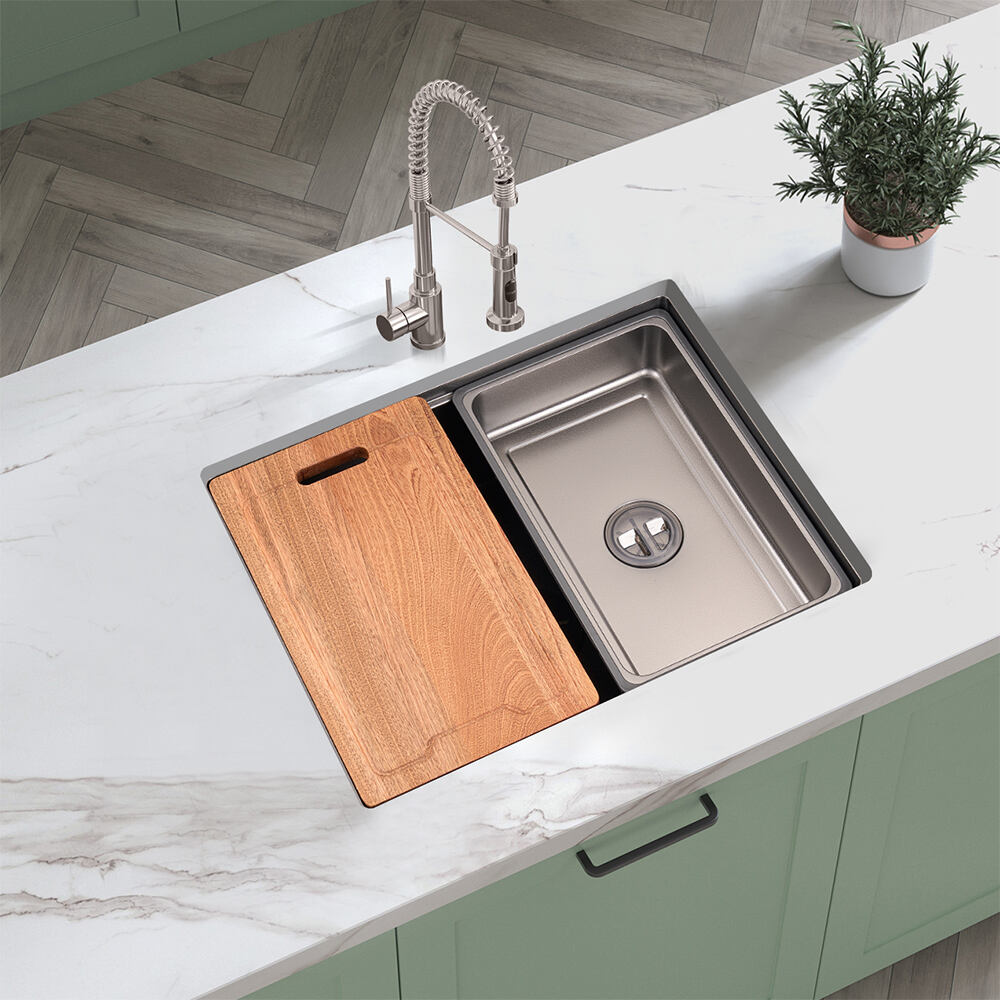
Modern kitchens have evolved into sophisticated culinary workspaces where functionality meets cutting-edge design. The heart of this transformation lies in the development of multifunctional kitchen sinks that integrate advanced technology with practical features. These innovative fixtures are revolutionizing how we approach food preparation, cleaning, and kitchen workflow management. Today's homeowners demand more than basic washing capabilities from their kitchen sinks, seeking solutions that enhance productivity while maintaining aesthetic appeal.
Advanced Water Management Systems
Smart Flow Control Technology
Contemporary multifunctional kitchen sinks incorporate sophisticated water management systems that optimize flow rates and temperature control. These systems feature electronic sensors that automatically adjust water pressure based on the task at hand, whether washing delicate produce or cleaning heavy cookware. The integration of touchless activation technology eliminates the need for manual handle operation, promoting hygiene and convenience during food preparation activities.
Temperature precision has become a hallmark of modern sink design, with digital displays providing real-time feedback on water temperature. This technology prevents scalding incidents while ensuring optimal cleaning conditions for different materials and surfaces. The advanced control systems also include preset programs for specific tasks, such as gentle rinsing for fragile items or high-pressure cleaning for stubborn residues.
Water Conservation Features
Environmental consciousness drives the development of water-efficient multifunctional kitchen sinks that minimize consumption without compromising performance. These systems incorporate aerators and flow restrictors that maintain cleaning effectiveness while reducing water usage by up to forty percent compared to traditional fixtures. Smart sensors detect when items are removed from the sink area, automatically shutting off water flow to prevent waste.
Greywater recycling capabilities represent another significant advancement in sink technology. Some models can capture and filter used water for secondary applications such as plant watering or preliminary cleaning tasks. This closed-loop approach to water management aligns with sustainable living practices while reducing household utility costs over time.
Integrated Appliance Connectivity
Built-in Food Processing Components
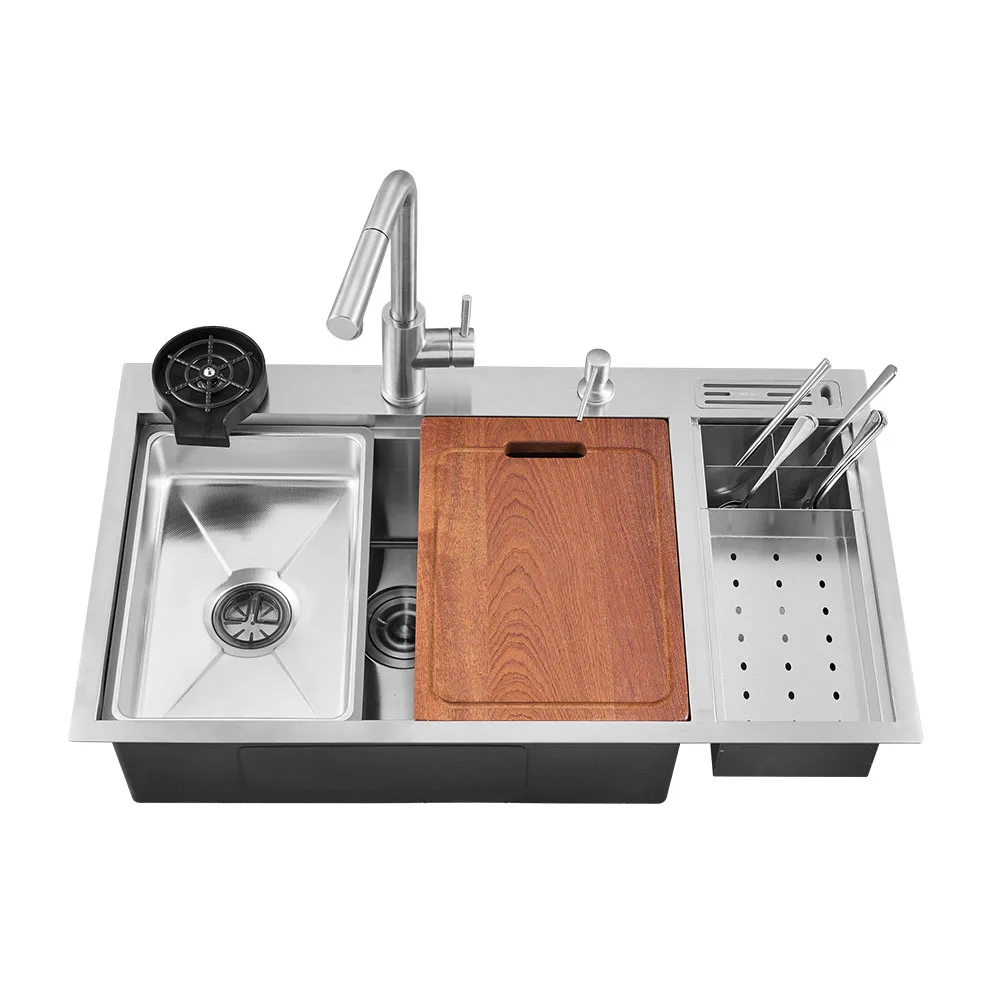
The latest generation of multifunctional kitchen sinks seamlessly integrates food processing elements directly into the basin structure. Removable cutting boards, colanders, and prep bowls fit precisely within designated sink sections, creating an efficient workspace for meal preparation. These components are crafted from materials that complement the sink's construction while providing durability and easy maintenance characteristics.
Garbage disposal systems have evolved to include quieter operation and enhanced grinding capabilities that handle a broader range of food waste. Advanced models feature multiple grinding stages and sound insulation technology that significantly reduces operational noise. The integration of these systems with sink drainage ensures optimal performance while maintaining the aesthetic integrity of the overall design.
Smart Home Integration
Modern multifunctional kitchen sinks connect seamlessly with home automation systems, allowing users to control various functions through smartphone applications or voice commands. These connectivity features enable remote monitoring of water usage, temperature settings, and maintenance schedules. Integration with smart home ecosystems provides valuable data analytics that help optimize kitchen workflows and identify potential efficiency improvements.
Predictive maintenance capabilities utilize sensor data to anticipate component wear and schedule preventive service before problems occur. This proactive approach minimizes downtime and extends the operational lifespan of sink systems. Smart notifications alert users to filter replacement needs, cleaning cycles, and other maintenance requirements through connected devices.
Material Innovation and Durability
Advanced Stainless Steel Compositions
The foundation of superior multifunctional kitchen sinks lies in advanced metallurgy that produces stainless steel alloys with enhanced corrosion resistance and antibacterial properties. These materials undergo specialized treatment processes that create microscopic surface textures designed to resist staining and facilitate easy cleaning. The latest formulations incorporate trace elements that provide additional protection against chemical damage from household cleaners and acidic foods.
Sound dampening technology has been integrated into the material structure itself, utilizing composite backing systems that absorb vibrations and reduce noise during operation. This innovation addresses one of the primary concerns with traditional stainless steel sinks while maintaining the material's inherent durability and hygienic properties. The result is a surface that performs exceptionally well under heavy use conditions while providing a quieter kitchen environment.
Protective Coating Technologies
Nano-coating applications represent a significant advancement in sink surface protection, creating invisible barriers that repel water, oils, and food particles. These molecular-level treatments make cleaning significantly easier while preserving the sink's appearance over extended periods of use. The coatings are engineered to withstand repeated exposure to cleaning chemicals and high temperatures without degrading or affecting food safety.
Self-healing surface technologies are emerging in premium multifunctional kitchen sinks, utilizing materials that can repair minor scratches and surface damage automatically. This innovation extends the aesthetic lifespan of sinks while reducing maintenance requirements. The protective systems also include antimicrobial properties that actively inhibit bacterial growth on contact surfaces.
Ergonomic Design and Accessibility
User-Centered Basin Configuration
Contemporary multifunctional kitchen sinks prioritize ergonomic design principles that reduce physical strain and improve user comfort during extended use periods. Basin depths and angles are optimized to minimize back strain while providing adequate space for large cookware and serving dishes. The incorporation of multiple basin configurations allows users to segregate tasks effectively, such as washing dishes in one section while preparing food in another.
Rounded corners and smooth transitions eliminate sharp edges that can cause injury or discomfort during use. These design elements also facilitate easier cleaning by preventing debris accumulation in difficult-to-reach areas. The overall sink profile is engineered to complement standard counter heights while accommodating users of varying physical capabilities and preferences.
Universal Design Principles
Modern multifunctional kitchen sinks incorporate universal design features that make them accessible to users with diverse physical abilities and limitations. Height-adjustable components and removable accessories ensure that the sink can accommodate wheelchair users and individuals with mobility challenges. Control systems are designed with clear visual indicators and intuitive operation patterns that reduce learning curves and improve usability for all family members.
Lever-style handles and touch-activated controls eliminate the need for gripping or twisting motions that may be difficult for users with arthritis or limited hand mobility. The placement of these controls follows accessibility guidelines that ensure comfortable reach distances and clear sight lines. These inclusive design approaches make multifunctional kitchen sinks suitable for aging-in-place scenarios and multi-generational households.
Installation and Customization Options
Modular Component Systems
The flexibility of modern multifunctional kitchen sinks extends to their installation and customization capabilities, with modular systems that adapt to various kitchen layouts and user preferences. These systems allow homeowners to select specific components and configurations that match their cooking habits and space constraints. Interchangeable accessories can be added or modified after installation, providing long-term adaptability as needs change over time.
Professional installation services have evolved to support the complexity of multifunctional kitchen sinks, with specialized technicians trained in electrical, plumbing, and smart home integration requirements. The installation process includes comprehensive system testing and user training to ensure optimal performance and satisfaction. Detailed documentation and support resources help homeowners understand the full capabilities of their new sink systems.
Size and Configuration Flexibility
Custom sizing options enable multifunctional kitchen sinks to fit precisely into existing counter spaces or new construction projects without compromising functionality or aesthetics. Manufacturers offer extensive measurement services and design consultations to ensure proper fit and integration with surrounding cabinetry and appliances. The ability to specify exact dimensions eliminates installation challenges and ensures seamless integration with kitchen design themes.
Configuration flexibility extends beyond physical dimensions to include feature selection and control placement options. Users can choose from various faucet styles, accessory packages, and smart home integration levels based on their specific requirements and budgets. This customization approach ensures that each multifunctional kitchen sinks installation delivers maximum value and user satisfaction.
FAQ
What maintenance requirements do multifunctional kitchen sinks have compared to traditional sinks?
Multifunctional kitchen sinks require regular maintenance of their electronic components, including sensor cleaning and software updates, in addition to standard sink cleaning procedures. Most smart features include self-diagnostic capabilities that alert users to maintenance needs, making upkeep more straightforward than traditional systems. Filter replacements and component lubrication may be needed periodically, but many modern systems are designed for minimal maintenance requirements.
Can multifunctional kitchen sinks be retrofitted into existing kitchen designs?
Many multifunctional kitchen sinks can be retrofitted into existing kitchens, though electrical and plumbing modifications may be necessary to support smart features and integrated appliances. Professional assessment is recommended to determine compatibility with current infrastructure and identify any required upgrades. The retrofitting process typically involves expanding electrical connections and ensuring adequate water pressure for advanced features.
How do smart features in multifunctional kitchen sinks impact water and energy consumption?
Smart features in multifunctional kitchen sinks generally reduce water and energy consumption through precise flow control, automatic shutoff mechanisms, and usage optimization algorithms. Most systems provide detailed consumption reports that help users identify opportunities for additional savings. The initial energy requirements for electronic components are typically offset by the efficiency gains in water heating and usage patterns.
What warranty coverage is typically available for multifunctional kitchen sinks?
Warranty coverage for multifunctional kitchen sinks usually includes separate terms for mechanical components, electronic systems, and finish materials, with coverage periods ranging from two to ten years depending on the component type. Many manufacturers offer extended warranty options and professional service programs to support the complex systems. Regular maintenance compliance is often required to maintain full warranty coverage for electronic and smart home integration features.
Table of Contents
- Advanced Water Management Systems
- Integrated Appliance Connectivity
- Material Innovation and Durability
- Ergonomic Design and Accessibility
- Installation and Customization Options
-
FAQ
- What maintenance requirements do multifunctional kitchen sinks have compared to traditional sinks?
- Can multifunctional kitchen sinks be retrofitted into existing kitchen designs?
- How do smart features in multifunctional kitchen sinks impact water and energy consumption?
- What warranty coverage is typically available for multifunctional kitchen sinks?