EN
EN


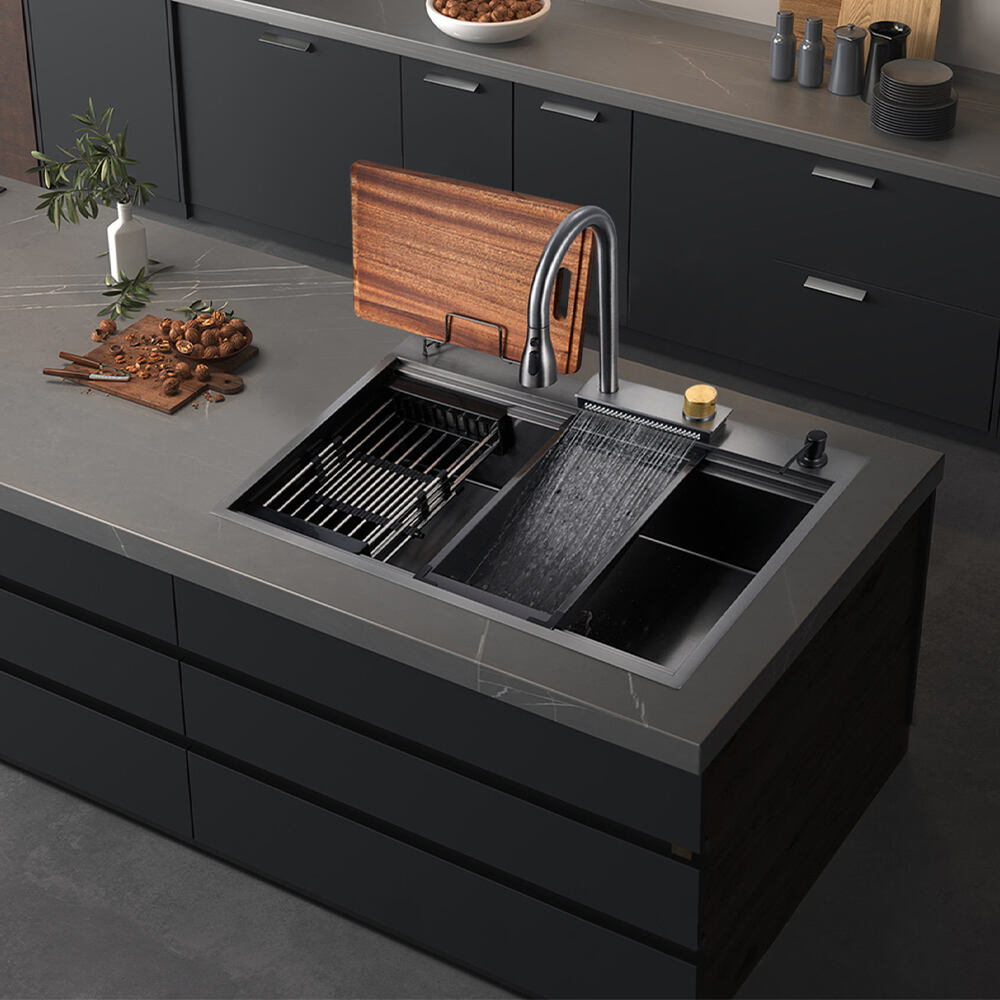
Choosing the right stainless steel kitchen sink configuration is one of the most important decisions homeowners face during kitchen renovations or new construction. The debate between single bowl and double bowl designs has persisted for decades, with each option offering distinct advantages depending on your cooking habits, kitchen size, and lifestyle preferences. A quality stainless steel kitchen sink serves as the workhorse of your culinary space, handling everything from daily meal preparation to cleanup tasks. Understanding the fundamental differences between these configurations will help you make an informed decision that enhances both functionality and aesthetics in your kitchen environment.
Understanding Single Bowl Sink Advantages
Maximum Space Utilization
Single bowl stainless steel kitchen sink designs provide unparalleled workspace for large cooking projects and oversized items. The absence of dividers means you can accommodate roasting pans, cookie sheets, and large pots without awkward maneuvering. Professional chefs often prefer this configuration because it eliminates the size restrictions imposed by divided basins. The spacious interior allows for efficient washing of bulky items like stockpots, mixing bowls, and even small appliances that would otherwise require careful positioning in smaller compartments.
This expansive design proves particularly beneficial for households that frequently prepare elaborate meals or entertain large groups. The uninterrupted bowl space means you can soak multiple dishes simultaneously without worrying about fitting everything into cramped quarters. Additionally, the generous dimensions make it easier to clean oversized cutting boards, baking sheets, and other kitchen tools that are essential for serious cooking endeavors.
Enhanced Cleaning Efficiency
The streamlined design of a single bowl stainless steel kitchen sink simplifies the cleaning process significantly. Without internal dividers, you can easily rinse debris toward the drain without obstruction, making post-cooking cleanup more efficient. The smooth, continuous surface eliminates hard-to-reach corners where food particles and grease typically accumulate in multi-bowl configurations. This design advantage translates to reduced maintenance time and improved hygiene standards in your kitchen workspace.
Professional cleaning becomes more straightforward with single bowl designs because you can use long-handled brushes and cleaning tools without navigating around barriers. The unobstructed access allows for thorough scrubbing of all surfaces, ensuring that your stainless steel kitchen sink maintains its pristine appearance and sanitary condition over time. This efficiency proves especially valuable in busy households where quick cleanup between cooking sessions is essential.
Exploring Double Bowl Sink Benefits
Superior Task Separation
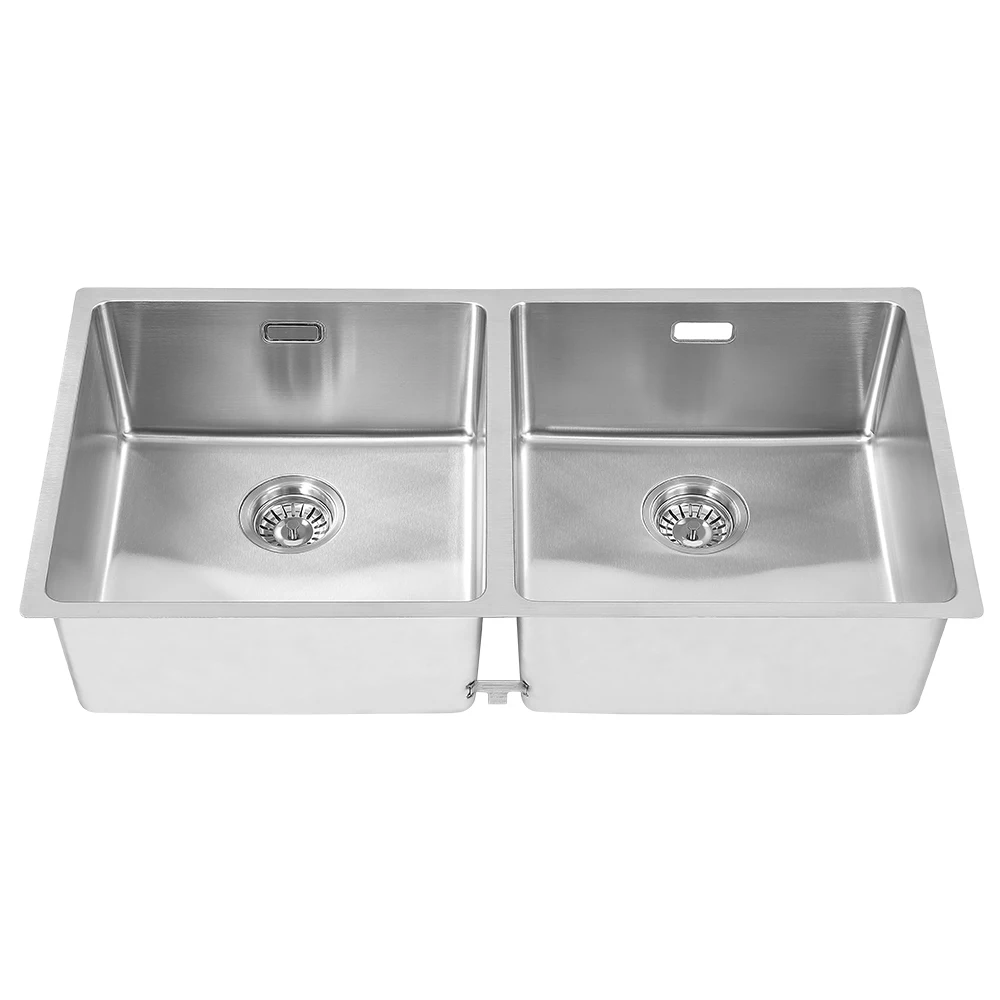
Double bowl stainless steel kitchen sink configurations excel at providing dedicated spaces for different kitchen activities. One basin can handle dirty dishes while the other remains available for food preparation tasks like rinsing vegetables or filling pots with clean water. This separation prevents cross-contamination between raw ingredients and soiled cookware, supporting better food safety practices. The divided design allows multiple people to work efficiently in the kitchen without competing for sink access.
Professional kitchens often incorporate this principle through dedicated prep and cleanup stations. In residential settings, the same logic applies when preparing complex meals that require simultaneous washing and food preparation activities. The ability to maintain clean and dirty zones within your sink area streamlines workflow and reduces the time needed to complete kitchen tasks.
Improved Water Management
The dual basin design of a double bowl stainless steel kitchen sink promotes more efficient water usage through targeted applications. You can fill one side for soaking dishes while using the other for quick rinses, eliminating the need to completely empty and refill a large basin repeatedly. This approach conserves water while maintaining effective cleaning results. Additionally, the separated spaces allow for better temperature control when different tasks require hot and cold water simultaneously.
Modern double bowl configurations often feature different sized basins to optimize functionality further. The larger basin handles major washing tasks while the smaller one manages prep work and quick cleanups. This asymmetrical design maximizes the benefits of both single and double bowl concepts within one integrated stainless steel kitchen sink solution.
Material Quality and Construction Considerations
Stainless Steel Grade Selection
The grade of stainless steel used in your kitchen sink significantly impacts durability, appearance, and performance regardless of bowl configuration. Premium stainless steel kitchen sink models typically utilize 304-grade steel, which offers superior corrosion resistance and maintains its lustrous finish over decades of use. This high-grade material contains optimal nickel and chromium content that prevents staining, pitting, and deterioration even under heavy daily use conditions.
Lower grade alternatives may appear initially attractive due to cost savings, but they often develop surface imperfections and require more frequent replacement. The investment in quality stainless steel construction pays dividends through reduced maintenance requirements and sustained aesthetic appeal. Professional-grade stainless steel kitchen sink products undergo rigorous testing to ensure they meet commercial kitchen standards for durability and performance.
Construction Techniques and Durability
Modern manufacturing techniques for stainless steel kitchen sink production employ advanced forming and welding processes that enhance structural integrity. Seamless bowl construction eliminates potential weak points where leaks might develop over time. The gauge thickness of the steel directly correlates with durability, with heavier gauges providing better resistance to denting and noise reduction during operation.
Sound dampening technologies integrated into premium stainless steel kitchen sink designs include rubber padding and specialized coatings that minimize operational noise. These features prove particularly important in open-concept kitchens where sink sounds might disrupt adjacent living spaces. Quality construction also includes precision-formed drain assemblies and overflow systems that ensure reliable long-term performance.
Installation and Space Planning Factors
Cabinet Configuration Requirements
The choice between single and double bowl stainless steel kitchen sink configurations significantly impacts cabinet planning and installation requirements. Single bowl designs typically require wider cabinet openings but allow for more storage space beneath the sink area. The simplified plumbing requirements of single bowl installations often result in lower installation costs and fewer potential maintenance issues over time.
Double bowl configurations demand more complex cabinet modifications to accommodate divided drain systems and potentially different basin depths. However, they can fit into narrower cabinet spaces while still providing functional dual work areas. The installation process requires careful attention to ensure both basins drain properly and maintain level positioning for optimal performance.
Countertop Integration Strategies
Successful stainless steel kitchen sink installation depends heavily on proper countertop preparation and sealing techniques. Single bowl designs offer more flexibility in countertop material selection because they create fewer stress points around the cutout perimeter. The larger opening requires reinforcement, but the continuous rim distribution spreads weight more evenly across the supporting structure.
Double bowl installations must account for the center divider support and potentially different mounting requirements for each basin. The multiple cutout areas demand precise measurement and cutting to ensure proper fit and prevent future settling or movement. Professional installation becomes particularly important for heavy-gauge stainless steel kitchen sink models that require specialized mounting hardware and support systems.
Maintenance and Longevity Considerations
Daily Care Requirements
Proper maintenance of your stainless steel kitchen sink ensures optimal performance and appearance regardless of bowl configuration. Daily cleaning with mild soap and warm water followed by thorough drying prevents water spots and mineral buildup that can dull the surface finish. Avoid abrasive cleaners or steel wool that can scratch the protective surface and create areas where bacteria might accumulate.
Single bowl designs typically require less time for routine cleaning due to their simplified geometry and absence of internal dividers. However, the larger surface area means more space to maintain consistently. Double bowl configurations demand attention to the center divider area where debris often collects, but the separated spaces allow for more targeted cleaning approaches based on usage patterns.
Long-term Performance Optimization
The longevity of your stainless steel kitchen sink investment depends on consistent care practices and prompt attention to minor issues before they become major problems. Regular inspection of drain assemblies, mounting hardware, and sealant conditions helps identify potential concerns early. Quality stainless steel construction can provide decades of reliable service when properly maintained and protected from harsh chemicals or extreme temperature variations.
Professional refinishing services can restore the original luster to stainless steel kitchen sink surfaces that have developed scratches or staining over time. These restoration techniques prove more cost-effective than complete replacement while extending the functional lifespan of your sink investment. Preventive measures like using sink mats and avoiding harsh impacts help preserve the pristine condition of your stainless steel surfaces.
Cost Analysis and Value Considerations
Initial Investment Comparison
The cost differential between single and double bowl stainless steel kitchen sink options varies significantly based on quality, features, and manufacturer specifications. Generally, single bowl designs command slightly lower prices due to simpler manufacturing processes and reduced material requirements for divider construction. However, premium single bowl models with advanced features may cost more than basic double bowl alternatives.
Installation costs often favor single bowl configurations because they require less complex plumbing modifications and cabinet preparations. The simplified drain system reduces potential installation complications and associated labor charges. Double bowl installations typically involve higher plumbing costs due to dual drain requirements and more intricate mounting procedures that demand additional time and expertise.
Long-term Value Assessment
Evaluating the long-term value proposition of your stainless steel kitchen sink choice requires considering factors beyond initial purchase price. Durability, maintenance requirements, and resale impact all contribute to the total cost of ownership over the sink's functional lifespan. Premium stainless steel construction typically provides better long-term value through reduced replacement frequency and maintenance costs.
Market research indicates that both single and double bowl stainless steel kitchen sink configurations maintain strong resale appeal, with preference largely depending on target buyer demographics and kitchen design trends. The key to maximizing long-term value lies in selecting quality construction and appropriate sizing for your specific kitchen layout and usage requirements.
FAQ
Which sink configuration works better for small kitchens?
Single bowl stainless steel kitchen sink designs often work better in compact kitchens because they maximize available workspace without requiring wide cabinet configurations. The uninterrupted basin provides more functional space for washing large items that would be difficult to manage in divided smaller basins. However, if your small kitchen sees heavy use from multiple people, a compact double bowl design might provide better workflow organization despite the space constraints.
Do double bowl sinks require more maintenance than single bowl designs?
Double bowl stainless steel kitchen sink configurations require slightly more maintenance attention due to additional surfaces and the center divider area where debris can accumulate. The dual drain system also means more components that need periodic inspection and cleaning. However, the maintenance difference is minimal with regular care, and both configurations can provide decades of reliable service when properly maintained with quality stainless steel construction.
Can I install a garbage disposal with both sink types?
Both single and double bowl stainless steel kitchen sink configurations can accommodate garbage disposal units, though installation approaches differ. Single bowl designs provide more flexibility in disposal placement and typically offer easier access for maintenance. Double bowl configurations usually install the disposal in the larger basin, leaving the smaller basin free for other uses. The choice often depends on your specific model requirements and local plumbing codes.
Which configuration offers better resale value for my home?
Both single and double bowl stainless steel kitchen sink configurations maintain strong market appeal, with preference varying by region and target demographics. Young professionals often prefer single bowl designs for their modern aesthetic and workspace efficiency, while families frequently favor double bowl functionality. The key to maximizing resale value lies in selecting quality stainless steel construction and ensuring the configuration matches your kitchen's overall design theme and target buyer expectations.