Professional-Grade Hygiene and Food Safety Standards
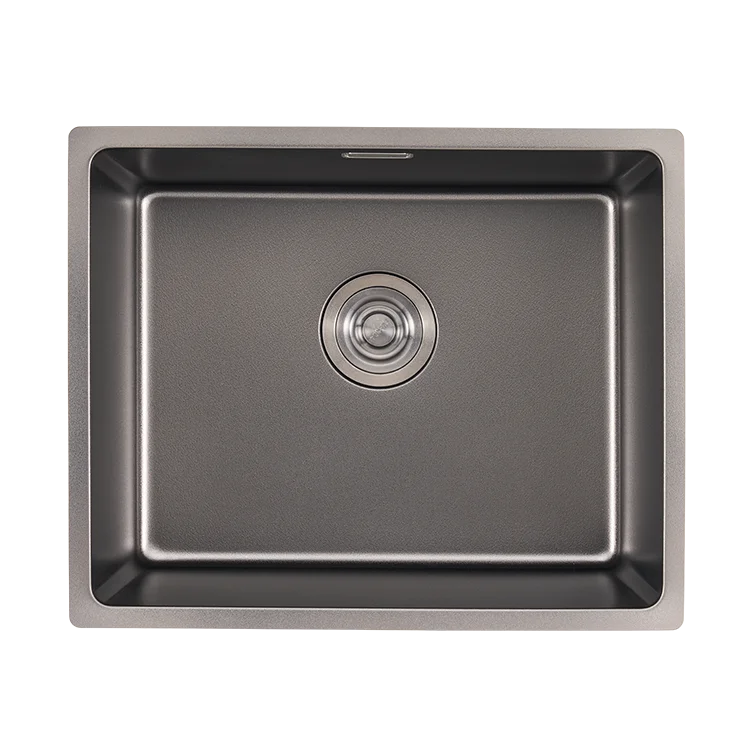
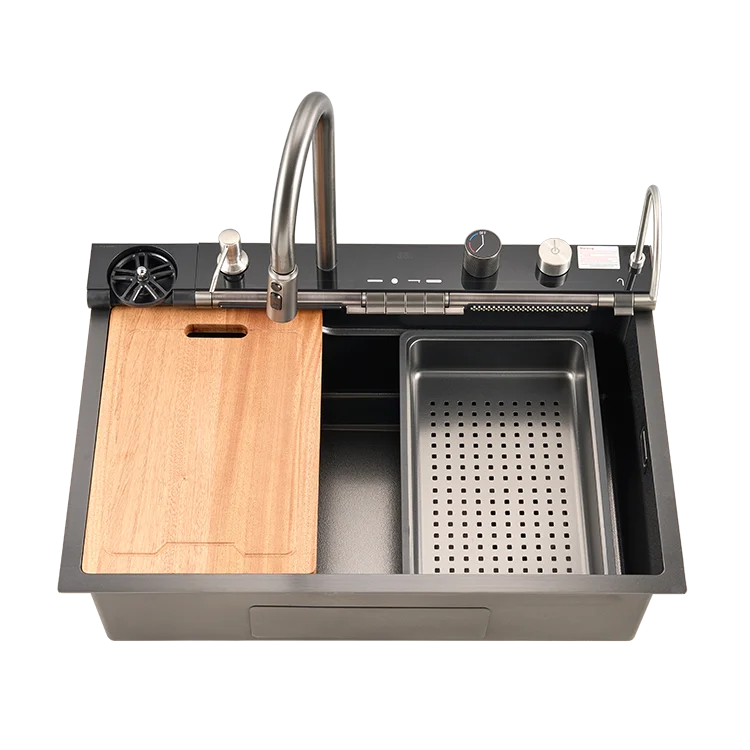
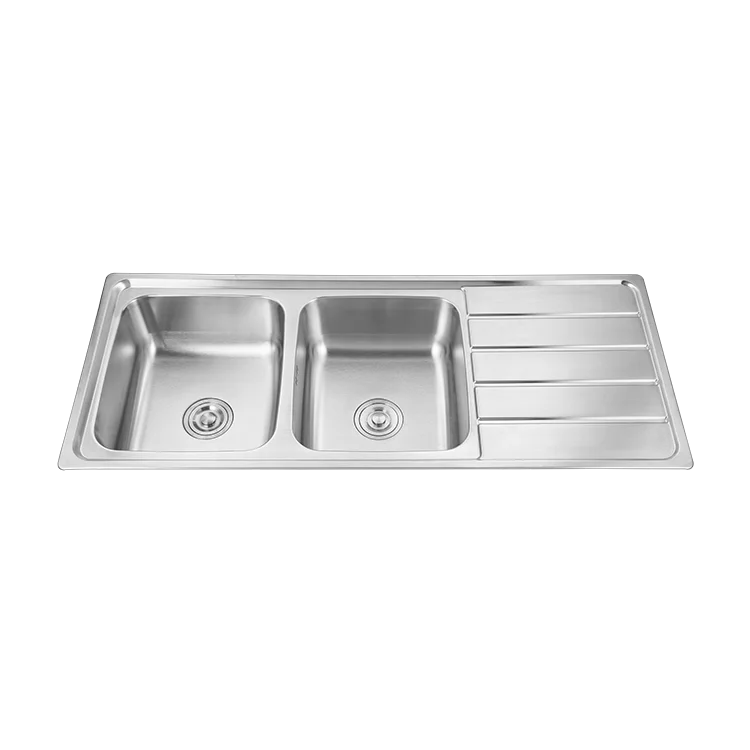
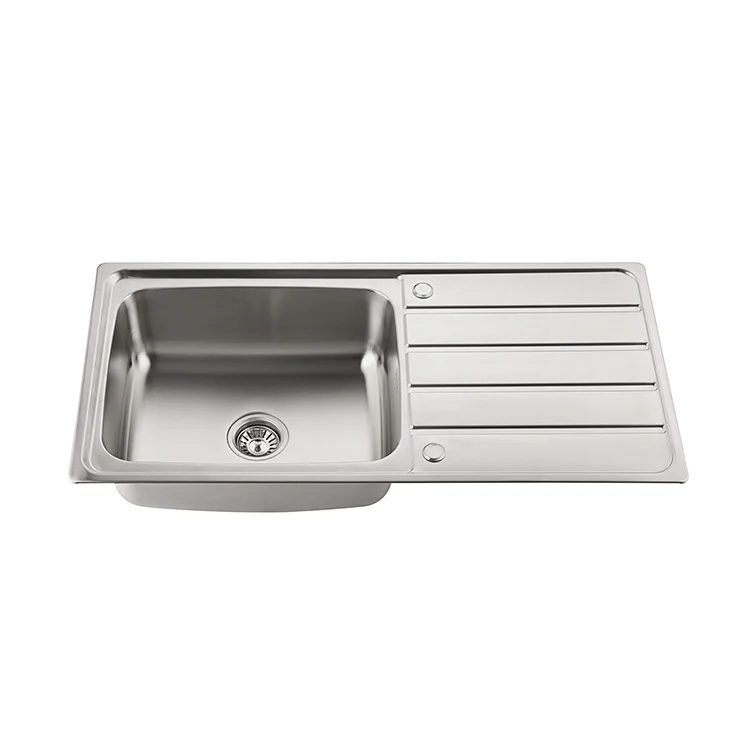
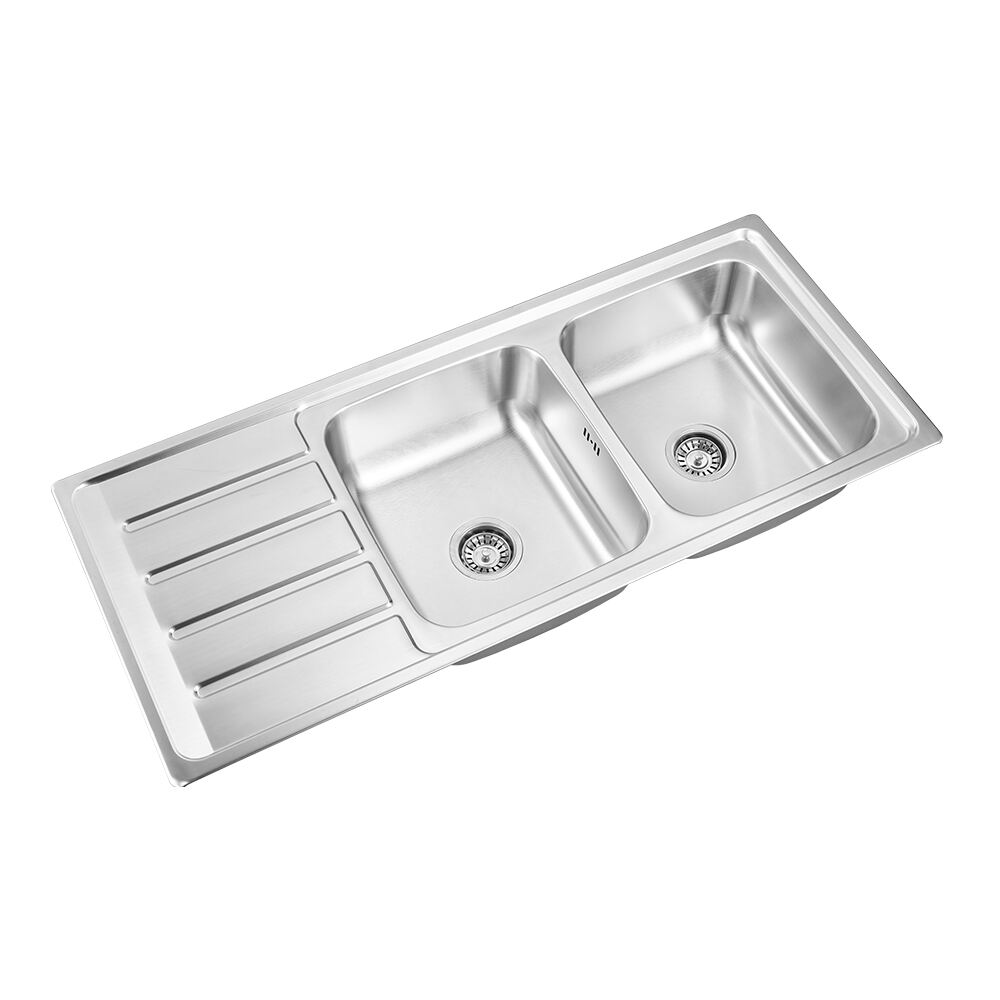
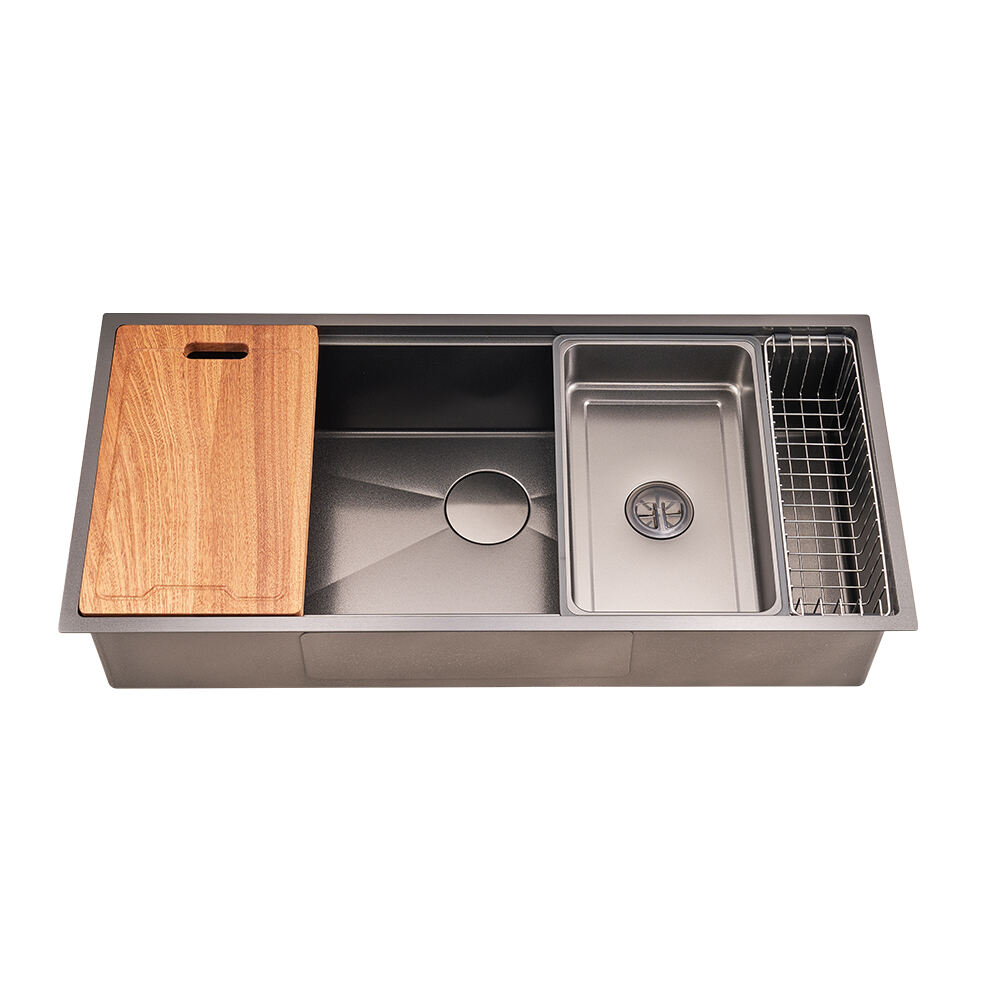
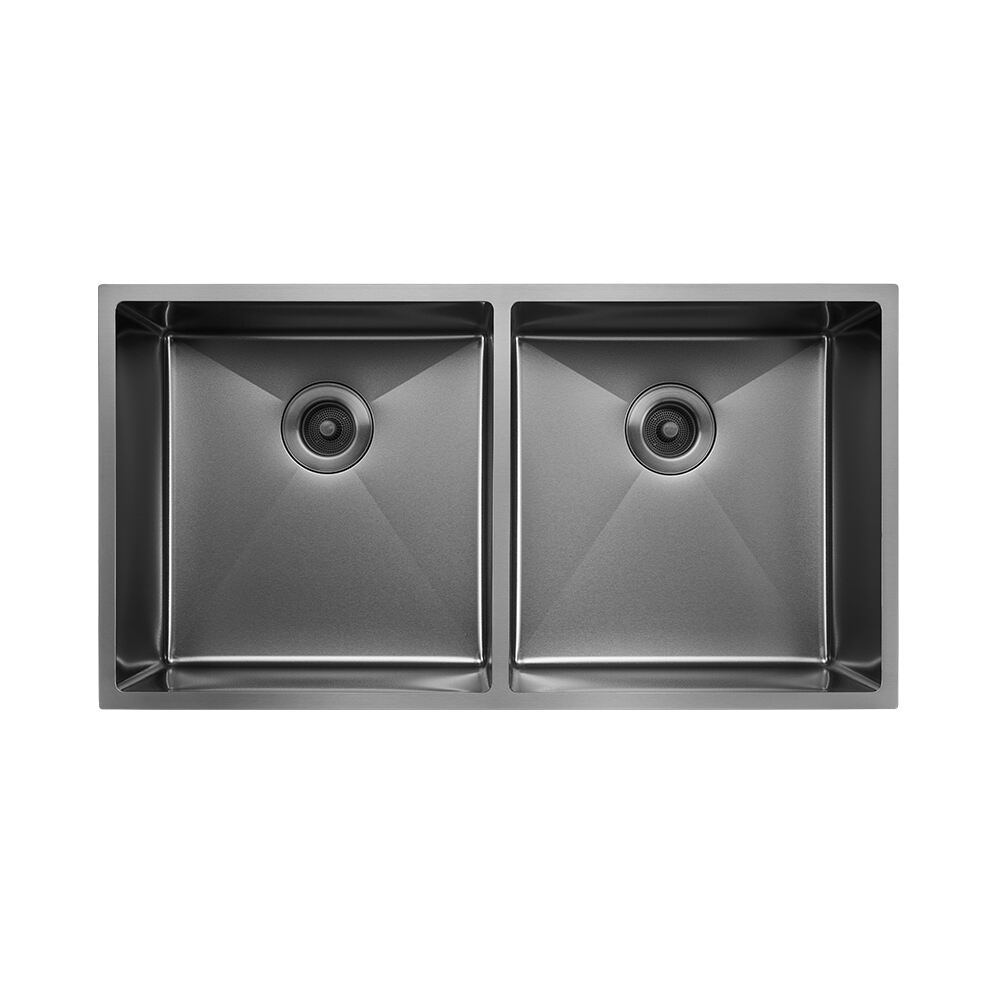
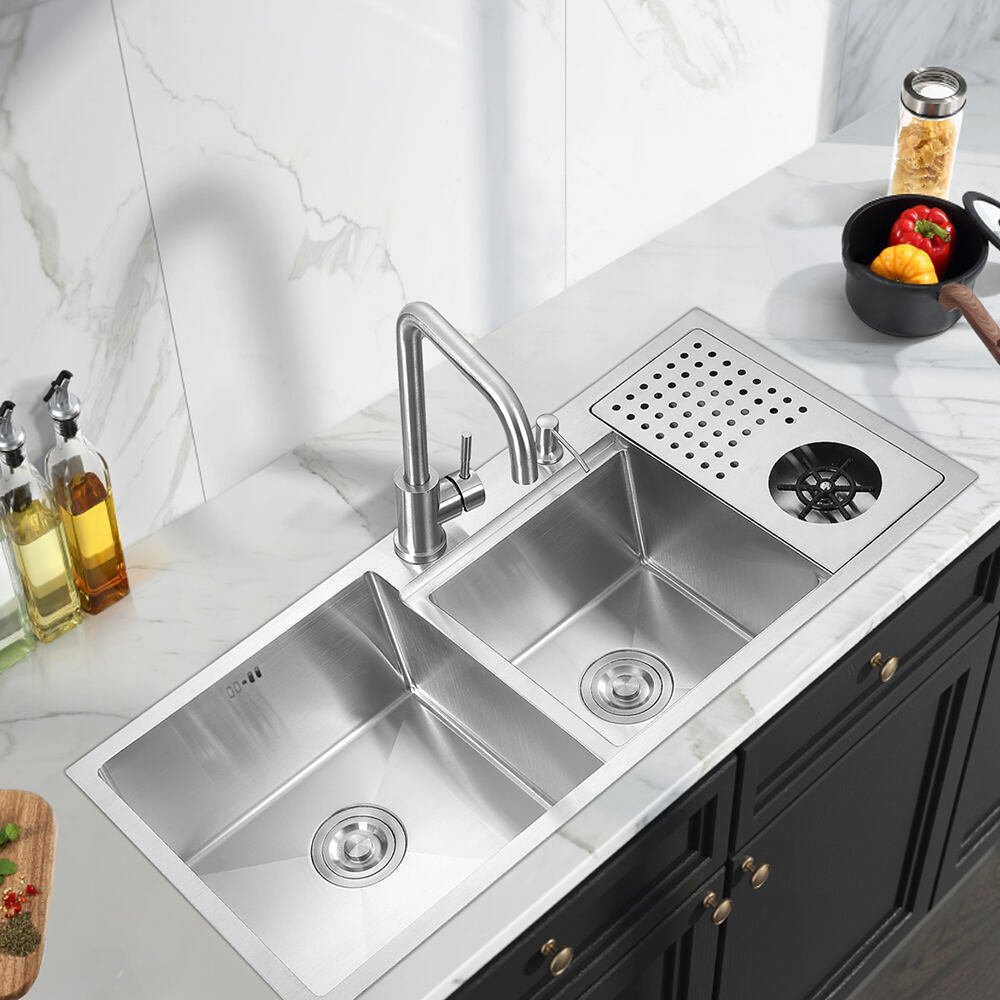
The stainless undermount sink meets and exceeds professional food safety standards through its inherent antibacterial properties and non-porous surface characteristics that prevent pathogenic microorganism growth and cross-contamination risks. The molecular structure of stainless steel creates an inhospitable environment for bacteria, viruses, and fungi, naturally inhibiting their ability to establish colonies or reproduce on the surface without requiring chemical treatments or special maintenance procedures. This natural antimicrobial action stems from the metal's ability to release trace amounts of metallic ions that disrupt cellular functions in harmful microorganisms, providing continuous protection throughout the sink's service life. Food preparation safety becomes enhanced because the smooth, non-absorbent surface prevents penetration of liquids, oils, and organic matter that could harbor dangerous bacteria like Salmonella, E. coli, or Listeria in microscopic surface irregularities. Professional kitchens and commercial food service operations rely on stainless undermount sinks because they facilitate rapid, thorough cleaning and sanitization protocols required by health department regulations and food safety management systems. The seamless construction eliminates crevices, joints, and seams where contaminants could accumulate and resist standard cleaning procedures, ensuring complete accessibility for proper sanitation. Temperature resistance allows the stainless undermount sink to withstand hot water sanitization procedures, including high-temperature rinse cycles that reach 180°F or higher, which effectively destroys remaining pathogens without damaging the sink material or finish. Chemical compatibility ensures safe use with commercial-strength sanitizers, including quaternary ammonium compounds, chlorine-based solutions, and iodophor sanitizers commonly used in professional food service environments. The non-reactive surface prevents chemical interactions that could compromise sanitizer effectiveness or create harmful byproducts during cleaning processes. Easy identification of contamination becomes possible due to the light-colored, reflective surface that reveals dirt, debris, or staining immediately, enabling prompt cleaning action before problems develop into food safety hazards. Regular maintenance requires only standard cleaning procedures using mild detergents and warm water, making compliance with food safety protocols simple and cost-effective for both residential and commercial users.
 EN
EN