steel sink price
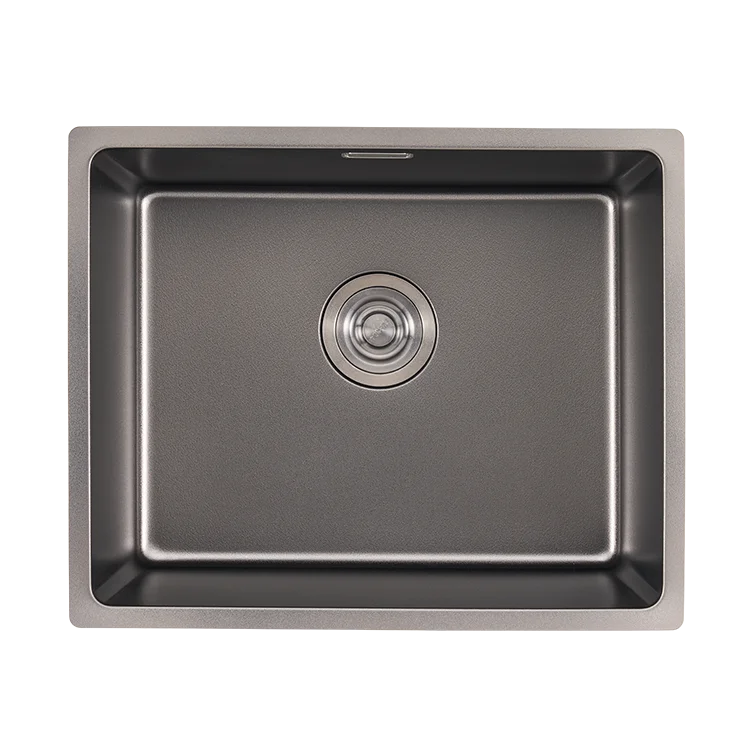
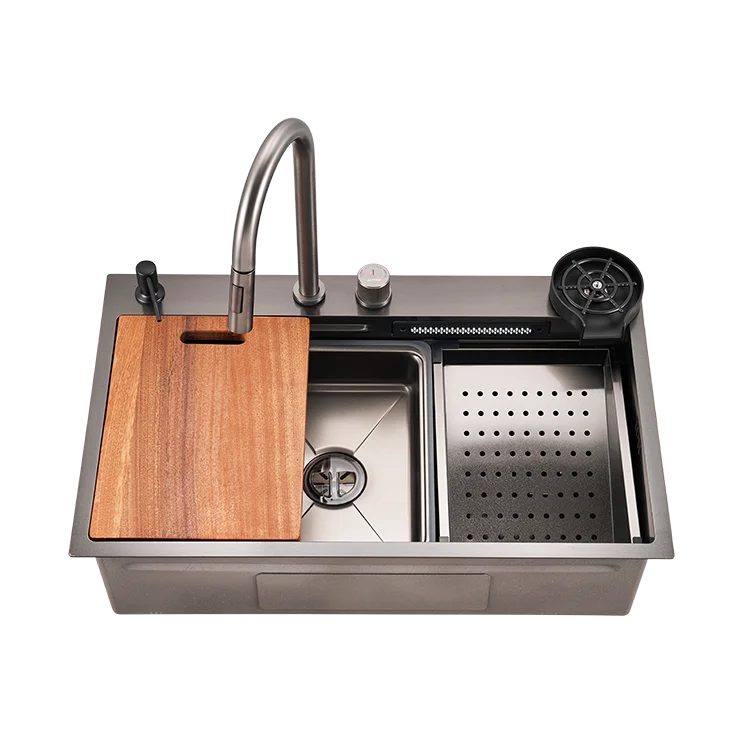
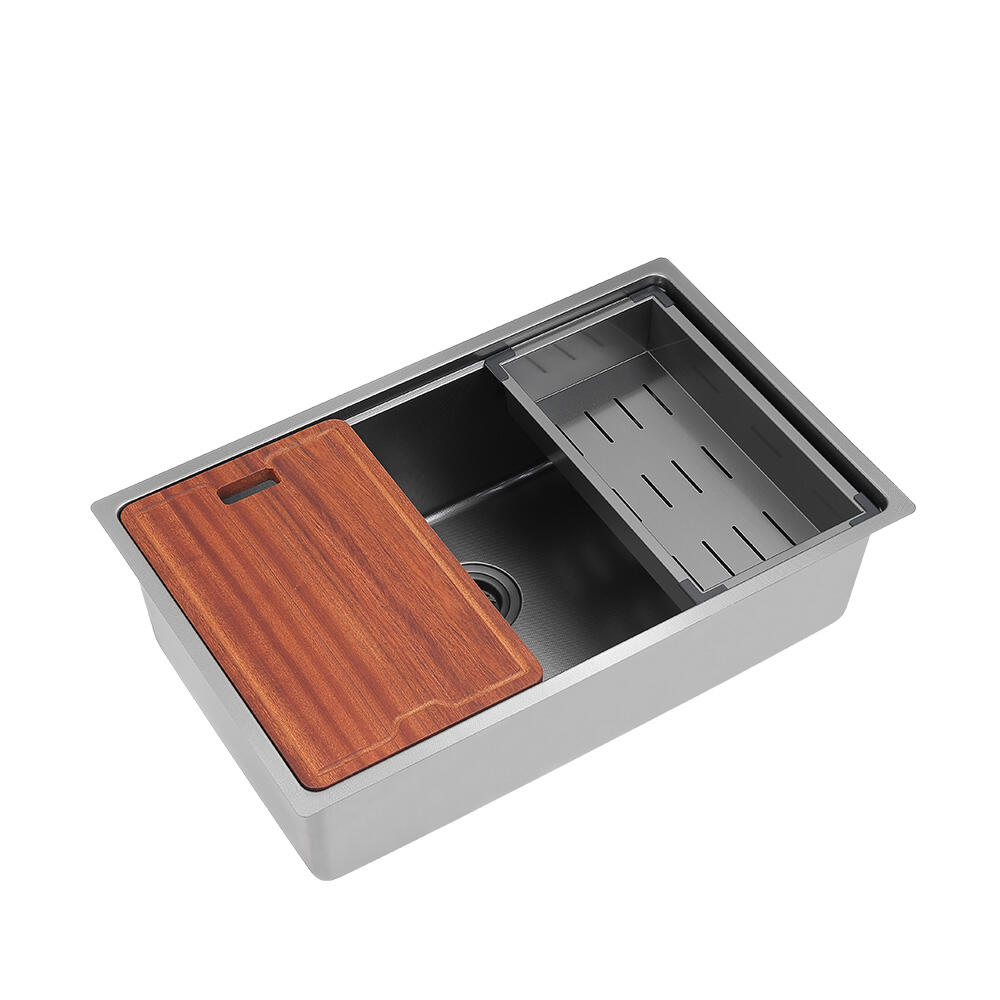
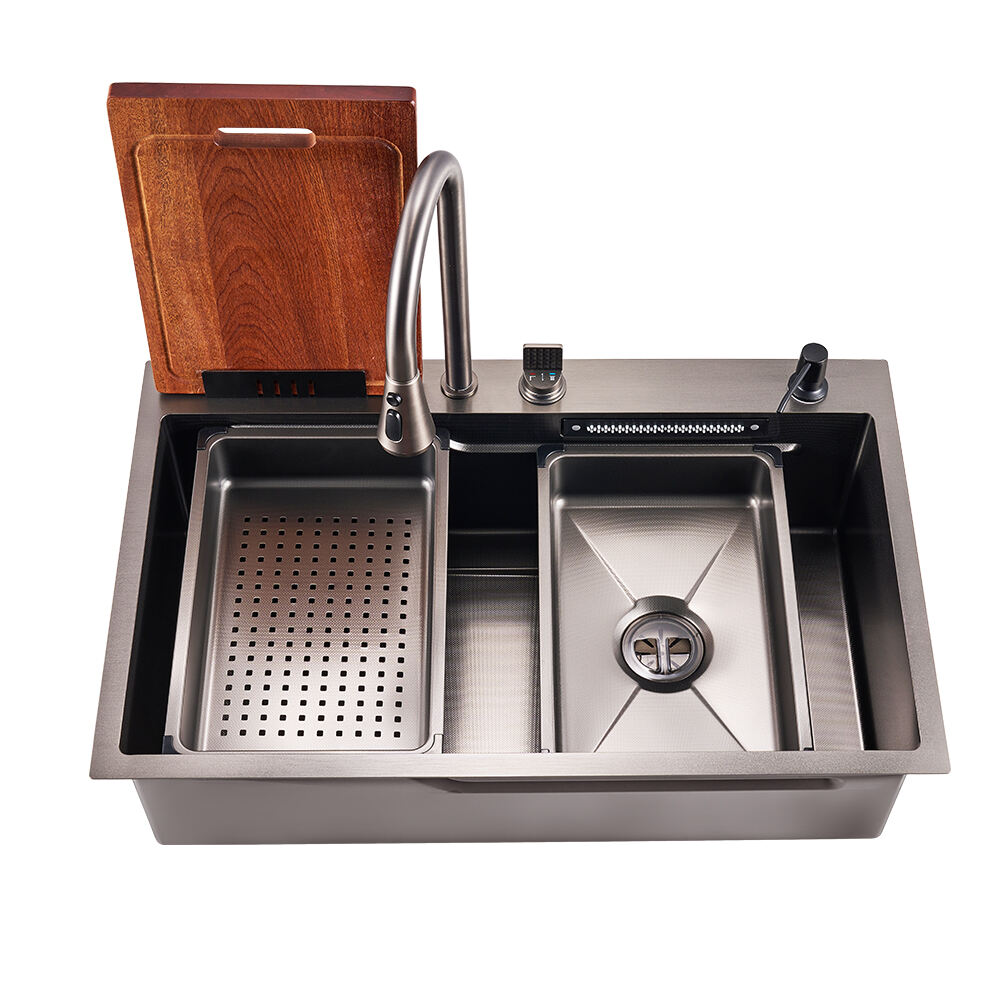
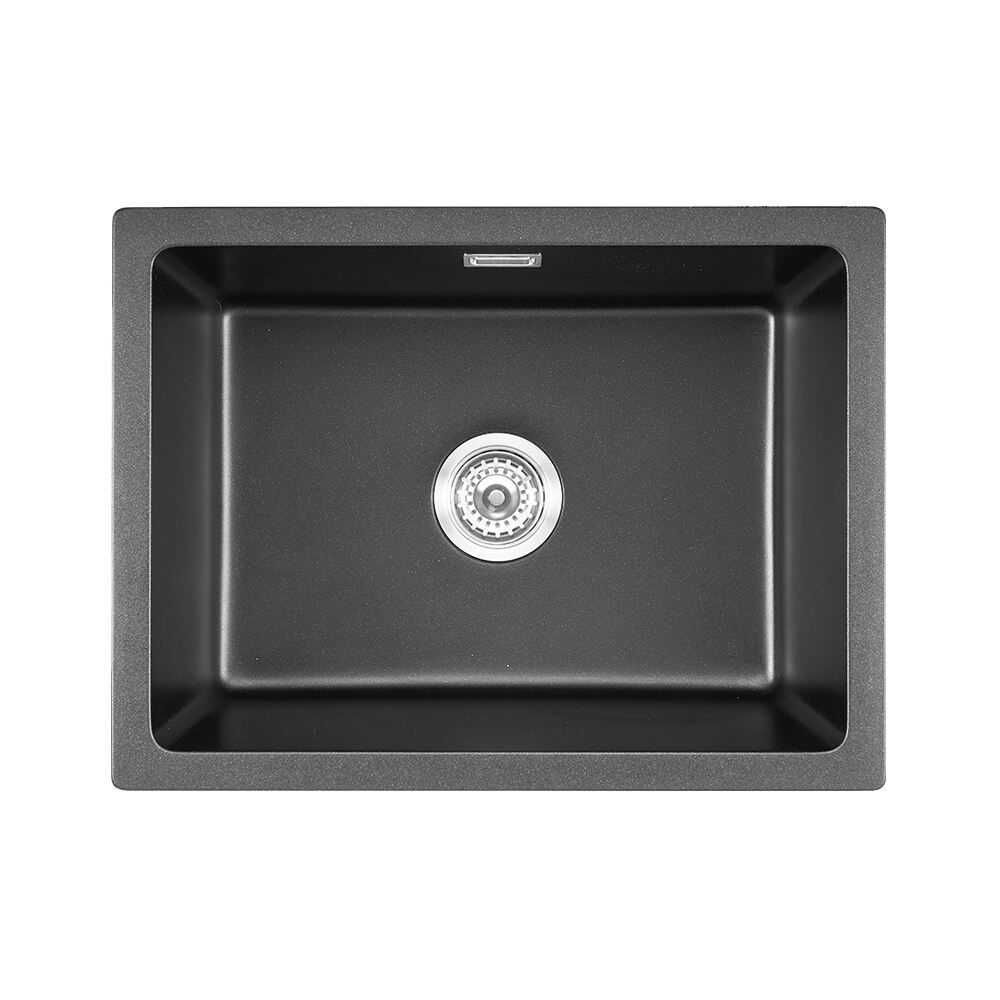
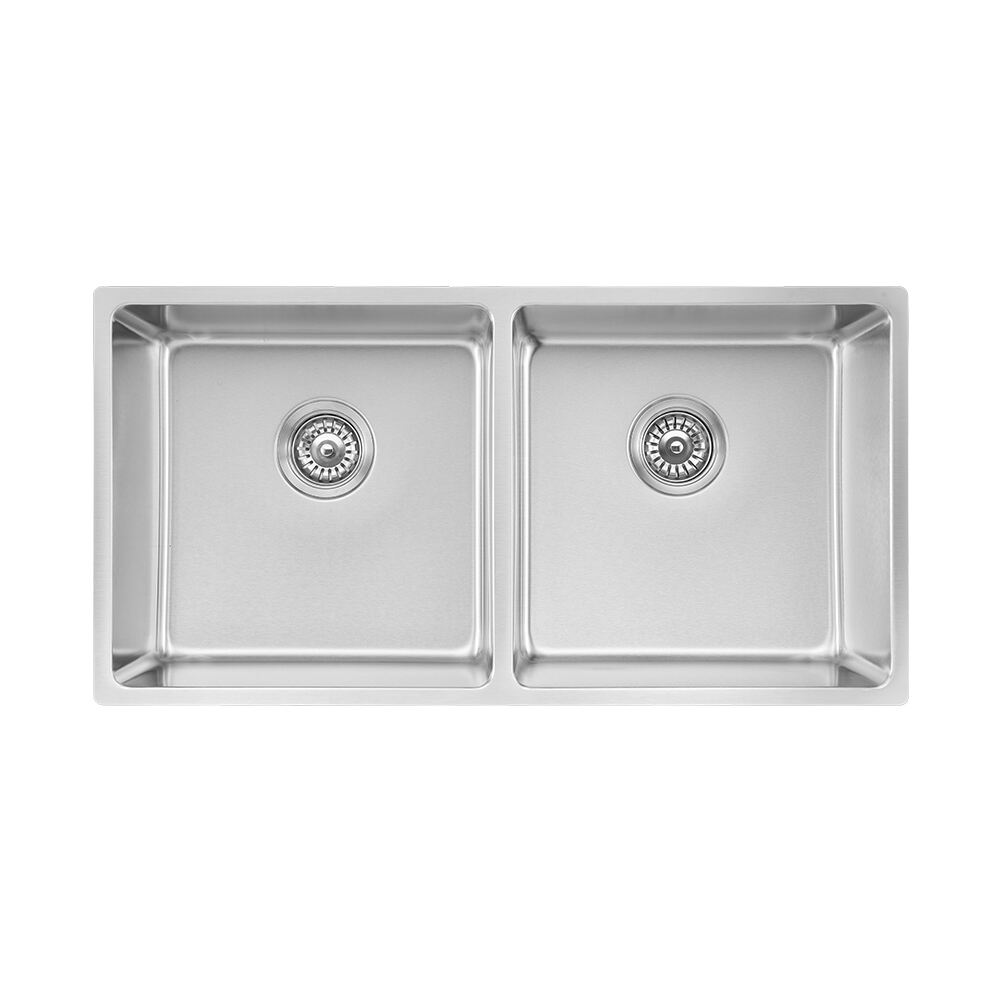
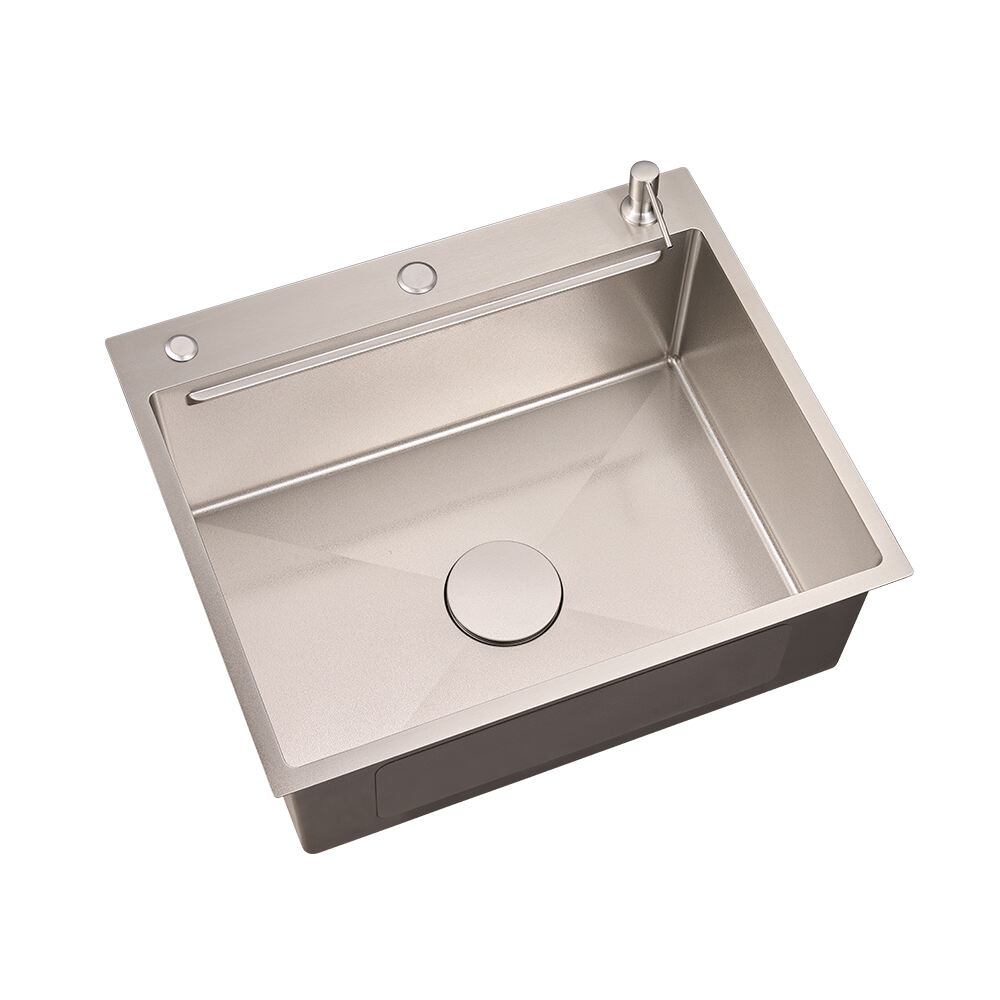
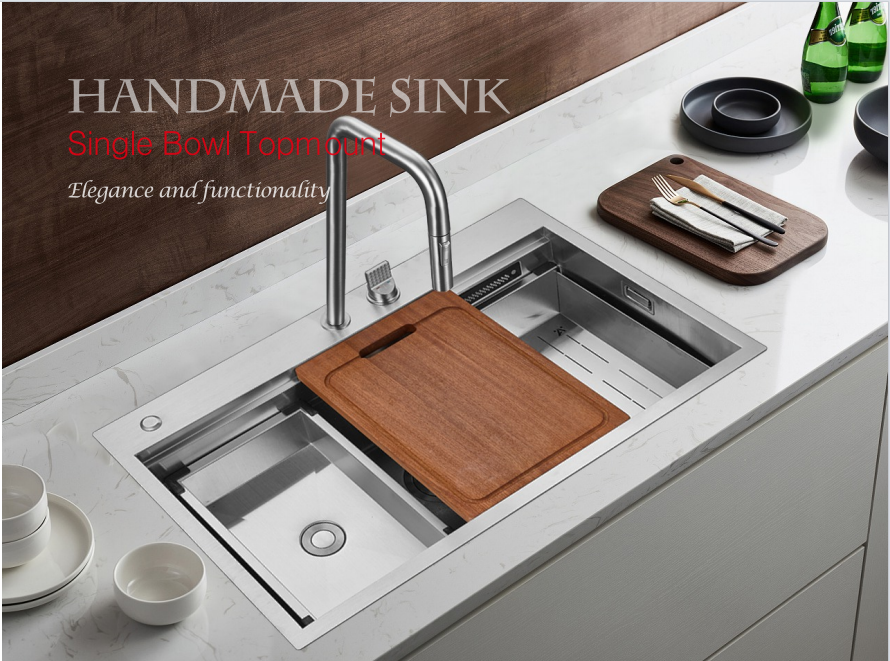
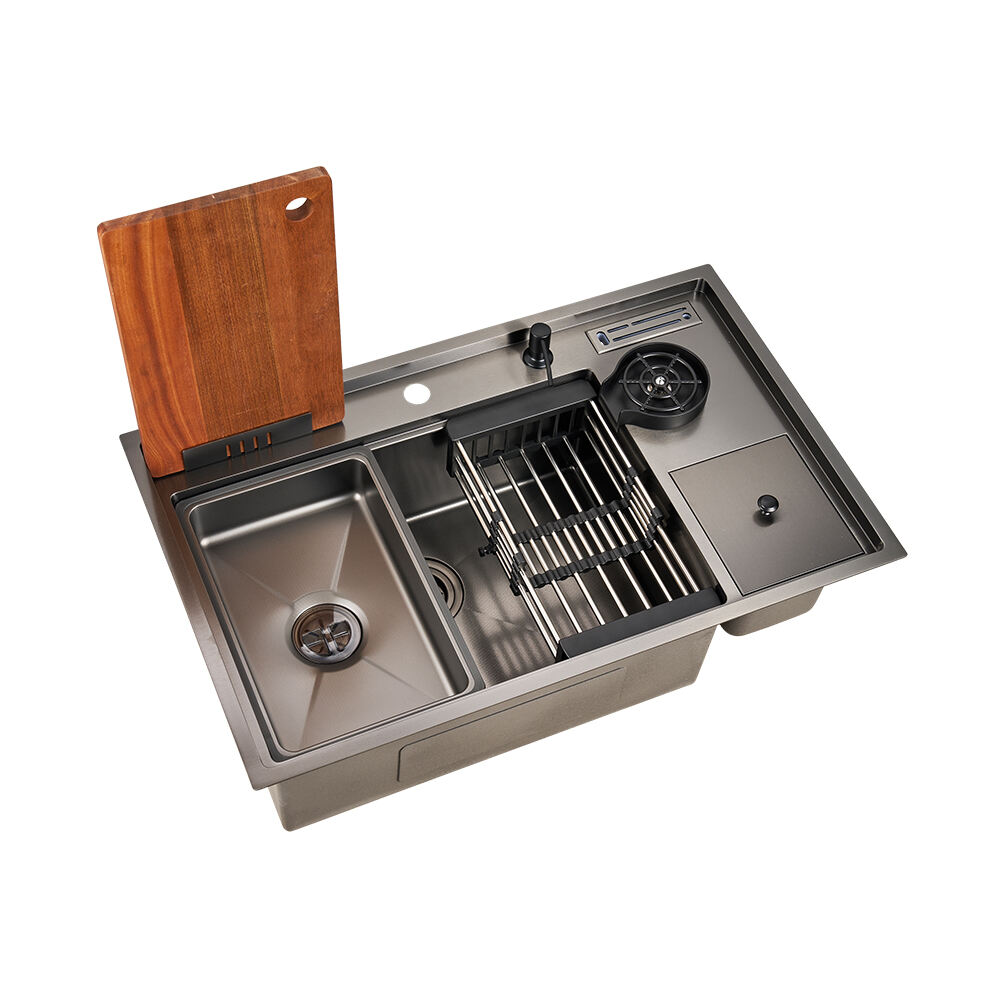
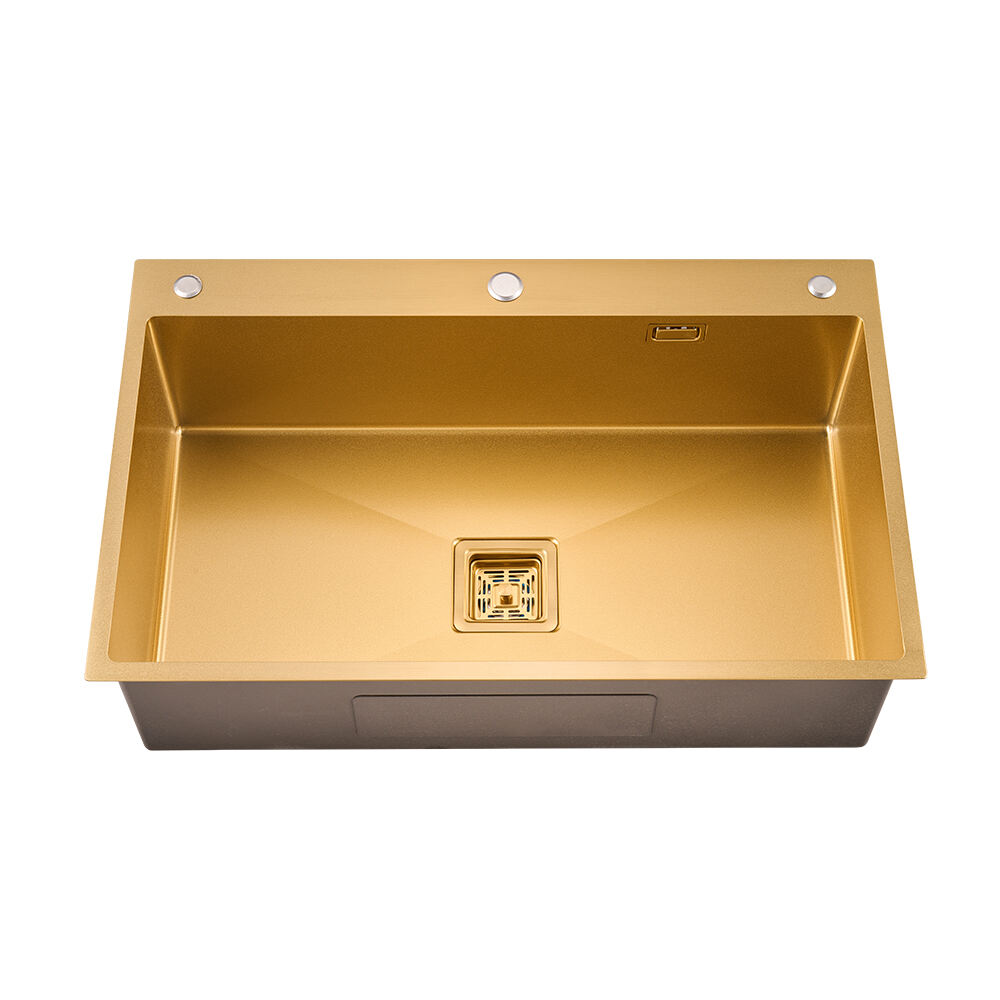
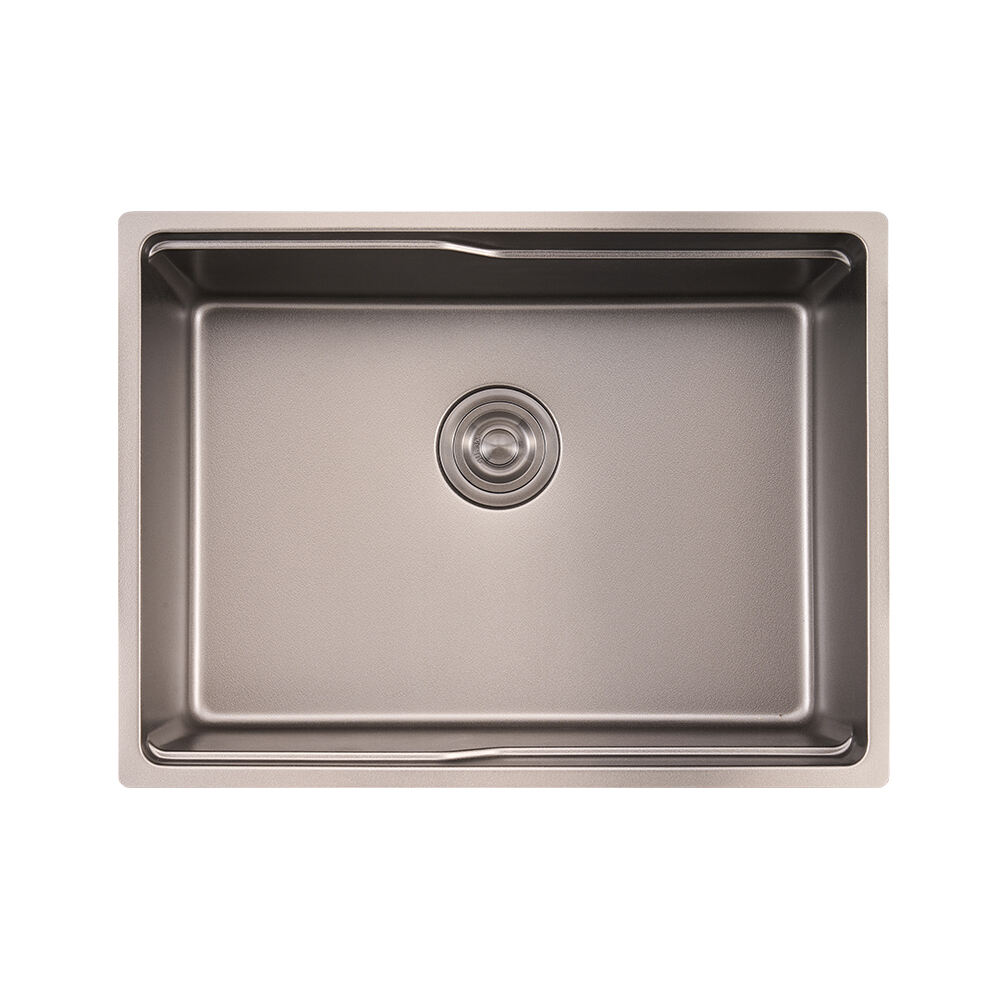
Understanding steel sink price dynamics requires examining the comprehensive value proposition these fixtures offer to homeowners and commercial establishments. Steel sinks represent one of the most practical investments in kitchen infrastructure, with pricing typically ranging from affordable basic models to premium professional-grade units. The steel sink price reflects multiple manufacturing factors including material gauge thickness, finish quality, bowl configuration, and additional features like sound dampening technology. Most steel sinks utilize stainless steel construction, specifically grades 304 or 316, which provide exceptional durability and corrosion resistance. The manufacturing process involves deep drawing techniques that create seamless bowl formations, eliminating weak joints that could compromise longevity. Modern steel sinks incorporate advanced surface treatments that resist water spots, fingerprints, and scratches while maintaining their lustrous appearance. Technological features include precision-engineered drain systems with removable strainers, integrated soap dispensers, and cutting board accessories that maximize workspace efficiency. Many models feature sound-deadening pads applied to the underside, significantly reducing noise during daily use. The steel sink price often includes mounting hardware, template guides, and installation instructions for straightforward setup. Applications span residential kitchens, commercial food service establishments, laboratory environments, and outdoor cooking areas due to their versatility and hygienic properties. Professional chefs prefer steel sinks because they withstand extreme temperature changes without cracking or staining. The non-porous surface prevents bacterial growth, making these sinks ideal for food preparation areas. Steel sink price considerations should factor in long-term maintenance costs, which remain minimal compared to other sink materials. Energy efficiency benefits emerge from the material's excellent heat conductivity, allowing hot water to warm the entire surface quickly. Customization options include various bowl depths, widths, and configurations like single, double, or triple compartment designs to accommodate different workflow requirements.
 EN
EN