EN
EN


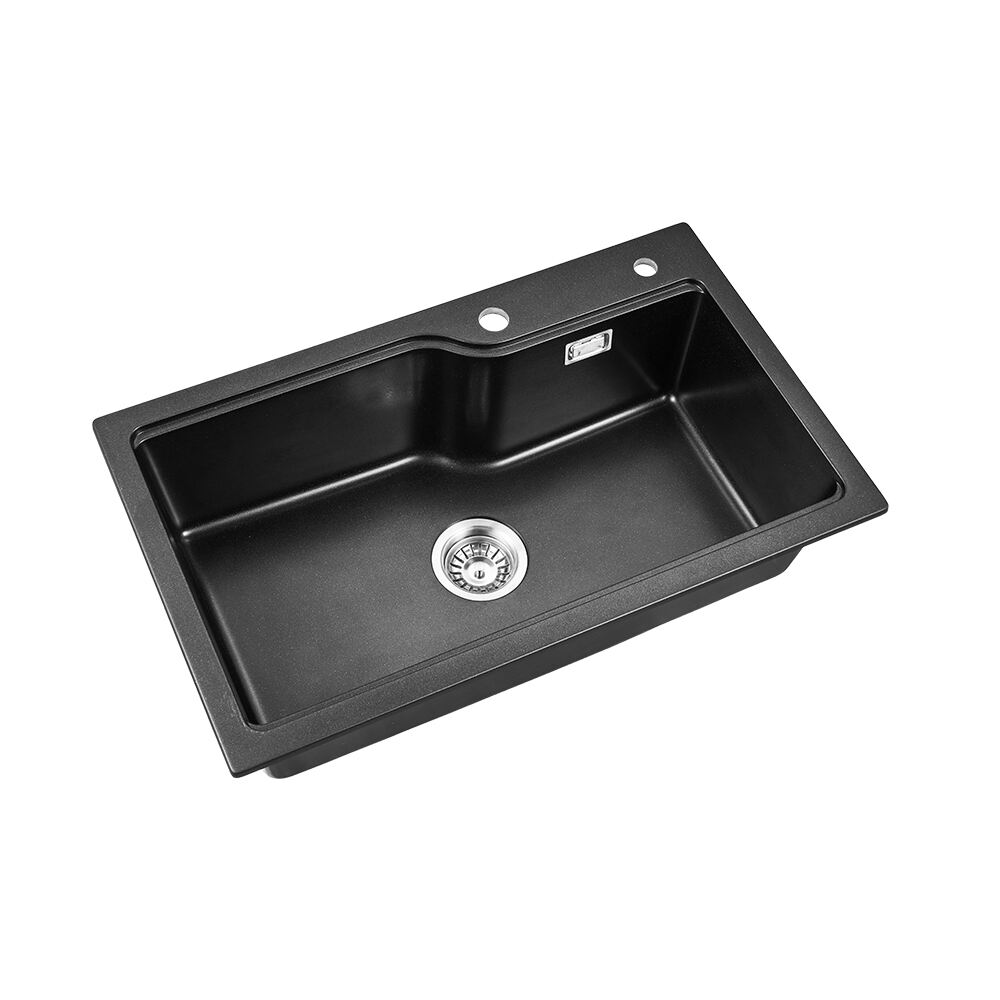
When sourcing commercial kitchen equipment, verifying quality standards for press sinks remains a critical concern for buyers across the foodservice industry. Press sinks manufactured through advanced forming processes must meet stringent durability and hygiene requirements to ensure long-term performance in demanding commercial environments. Understanding the key quality indicators and verification methods empowers buyers to make informed purchasing decisions that protect their investment and operational efficiency.
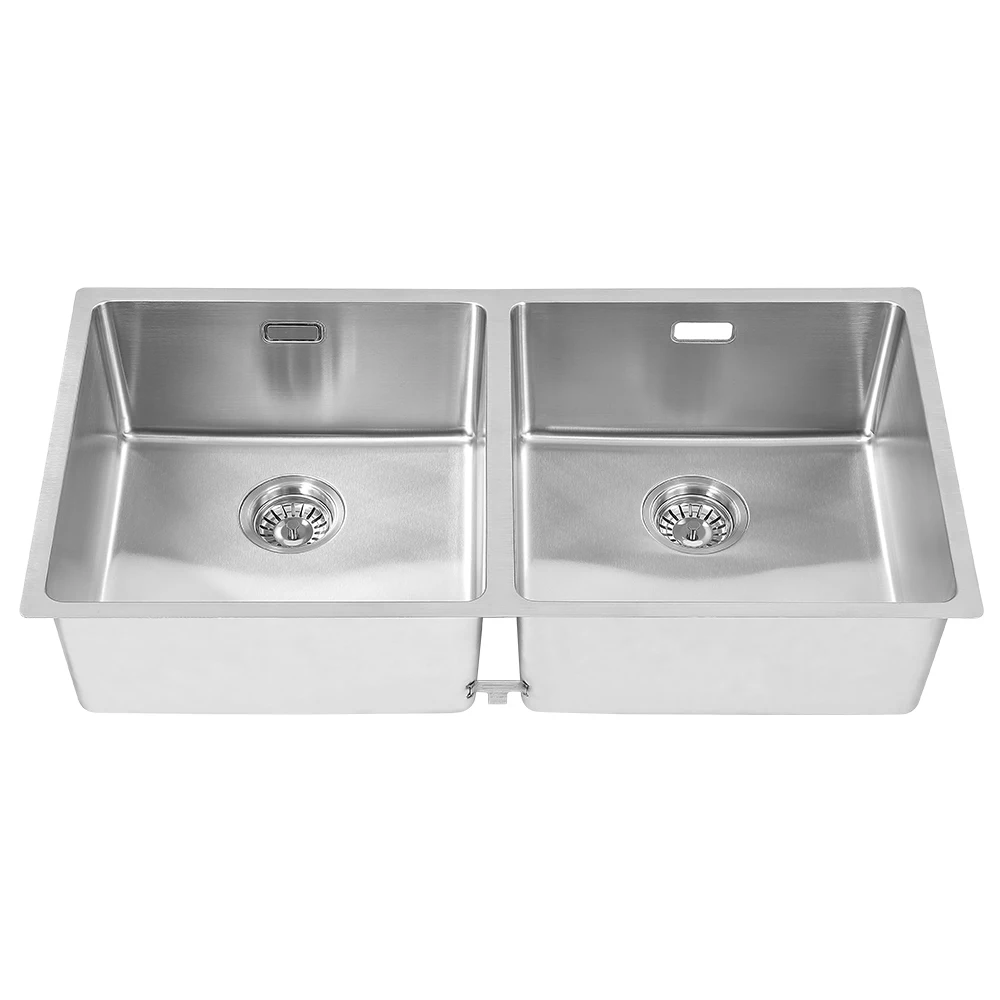
The verification process involves examining multiple quality aspects including material composition, construction methods, surface finishes, and compliance certifications. Professional buyers must develop a systematic approach to evaluate these factors before finalizing their sourcing decisions. This comprehensive assessment ensures that the selected equipment meets both immediate operational needs and long-term durability expectations.
Material Quality Assessment for Commercial Kitchen Equipment
Stainless Steel Grade Verification
The foundation of quality verification begins with confirming the stainless steel grade used in manufacturing. Premium press sinks typically utilize 304 or 316 grade stainless steel, which provides superior corrosion resistance and longevity. Buyers should request material certificates that clearly specify the steel composition, including chromium and nickel content percentages. These certificates serve as documentation that the material meets industry standards for commercial food preparation environments.
Testing methods such as spark testing or chemical analysis can verify the actual steel grade when certificates are unavailable or questionable. Professional buyers often work with third-party inspection services to conduct these tests, ensuring accurate material identification. The investment in material verification protects against substandard products that may fail prematurely or pose health risks in commercial kitchens.
Thickness and Gauge Standards
Material thickness directly impacts the durability and performance characteristics of commercial kitchen sinks. Industry standards typically require minimum gauge specifications that vary based on sink size and intended usage patterns. Buyers should verify thickness measurements using precision calipers or ultrasonic thickness gauges to ensure compliance with specified requirements.
Thicker materials provide enhanced structural integrity and reduced vibration during operation, contributing to longer equipment lifespan and improved user experience. However, buyers must balance thickness requirements with cost considerations and installation constraints. Professional specification sheets should clearly outline minimum thickness requirements for different sink components including basins, drainboards, and support structures.
Construction Quality and Manufacturing Standards
Welding and Joint Inspection
High-quality construction requires examining welding techniques and joint integrity throughout the sink structure. Professional-grade equipment features continuous welds with smooth, consistent bead patterns that eliminate potential contamination sites. Buyers should inspect weld joints for proper penetration, absence of porosity, and uniform appearance that indicates skilled craftsmanship and quality control processes.
Corner construction methods significantly impact both aesthetics and functionality in commercial applications. Radius corners provide easier cleaning and reduced bacterial accumulation compared to sharp corner designs. Verification involves examining corner radii measurements and ensuring consistent application across all sink basins and transitions.
Surface Finish Quality Control
Surface finish quality affects both appearance and hygiene characteristics of commercial kitchen equipment. Premium finishes resist scratching, staining, and bacterial adhesion while maintaining attractive appearance over extended use periods. Buyers should evaluate surface consistency, grain direction, and finish uniformity across all visible surfaces.
Testing methods include visual inspection under proper lighting conditions and tactile examination to identify surface irregularities. Professional buyers often request finish samples or visit manufacturing facilities to observe finishing processes firsthand. This direct evaluation provides confidence in the manufacturer's quality control capabilities and attention to detail.
Certification and Compliance Verification
Industry Standard Certifications
Compliance with recognized industry standards provides essential quality assurance for commercial kitchen equipment purchases. Organizations such as NSF International, UL, and local health departments establish standards that govern materials, construction methods, and performance characteristics. Buyers should verify that products carry appropriate certifications from accredited testing organizations.
Documentation review involves examining certification numbers, validity periods, and scope of certification coverage. Authentic certifications include detailed test reports that outline specific compliance criteria and testing methodologies. Buyers can verify certification authenticity by contacting issuing organizations directly or accessing online certification databases.
Manufacturing Quality Management Systems
Manufacturers with established quality management systems demonstrate commitment to consistent product quality and continuous improvement. ISO 9001 certification indicates that companies follow systematic approaches to quality control, document control, and customer satisfaction. Buyers should inquire about quality management certifications and request evidence of ongoing compliance monitoring.
Facility audits provide valuable insights into manufacturing capabilities and quality control processes. Professional buyers may conduct site visits or engage third-party auditing services to evaluate production facilities, equipment maintenance, and staff training programs. These assessments offer confidence in the manufacturer's ability to deliver consistent product quality over time.
Performance Testing and Validation Methods
Load and Stress Testing
Structural integrity verification requires testing equipment under simulated operating conditions that replicate actual commercial kitchen environments. Load testing involves applying specified weights to basin areas and support structures while monitoring for deformation or structural failure. Professional testing protocols establish minimum load requirements based on intended usage patterns and safety factors.
Dynamic testing simulates repetitive loading cycles that occur during normal operation, including impacts from cookware placement and removal. These tests identify potential failure modes and verify long-term durability characteristics. Buyers should request test reports that document load capacity, deflection measurements, and safety factor calculations.
Drainage and Flow Rate Evaluation
Proper drainage performance ensures efficient water removal and prevents standing water that could create hygiene concerns. Flow rate testing measures drainage capacity under various water volume conditions to verify adequate performance for intended applications. Professional testing includes evaluating drain fitting quality, slope accuracy, and overflow prevention capabilities.
Installation verification involves confirming proper pitch angles and drain connections that support optimal water flow. Buyers should observe actual drainage performance during facility visits or request video documentation of flow testing procedures. This validation ensures that drainage systems meet operational requirements and health code compliance standards.
Supplier Evaluation and Due Diligence
Manufacturing Facility Assessment
Comprehensive supplier evaluation includes assessing manufacturing facilities, equipment capabilities, and production processes. Site visits provide opportunities to observe quality control procedures, equipment maintenance practices, and staff training programs. Professional buyers should evaluate facility cleanliness, organization, and adherence to safety protocols as indicators of overall quality commitment.
Production capacity assessment ensures that suppliers can meet delivery requirements without compromising quality standards. Buyers should inquire about production scheduling, inventory management, and capacity planning processes. Understanding these operational aspects helps predict delivery reliability and quality consistency over extended supply relationships.
Quality Control Documentation
Established quality control documentation systems demonstrate systematic approaches to product consistency and traceability. Buyers should review inspection procedures, testing protocols, and record-keeping practices that support quality assurance objectives. Comprehensive documentation includes material certificates, process control records, and final inspection reports for each product batch.
Traceability systems enable tracking of materials and components throughout the manufacturing process, supporting quality investigations and continuous improvement initiatives. Professional suppliers maintain detailed records that connect finished products to specific material lots, production dates, and quality test results. This documentation provides confidence in product authenticity and supports warranty claims when necessary.
Cost-Quality Balance in Procurement Decisions
Total Cost of Ownership Analysis
Effective procurement decisions consider total cost of ownership rather than initial purchase price alone. Quality equipment typically provides lower long-term costs through reduced maintenance requirements, extended service life, and improved operational efficiency. Buyers should develop cost models that include purchase price, installation costs, maintenance expenses, and replacement frequency projections.
Energy efficiency considerations impact operating costs in commercial kitchen environments where equipment operates continuously. High-quality construction often provides better insulation properties and reduced heat transfer that can lower energy consumption. These operational savings contribute to positive return on investment calculations that justify premium equipment purchases.
Warranty and Service Support Evaluation
Comprehensive warranty coverage reflects manufacturer confidence in product quality and provides protection against premature failures. Buyers should evaluate warranty terms, coverage scope, and claim procedures to understand actual protection levels. Extended warranty options may provide additional value for critical equipment installations where downtime costs are significant.
Service support availability affects long-term equipment performance and user satisfaction. Professional manufacturers provide technical support, replacement parts availability, and service training resources that support ongoing operations. Buyers should assess service network coverage, response time commitments, and parts inventory management capabilities when evaluating supplier options.
FAQ
What certifications should I look for when purchasing commercial press sinks?
Look for NSF International certification, which ensures the equipment meets stringent hygiene and safety standards for commercial food service. UL certification verifies electrical safety compliance, while local health department approvals confirm regulatory compliance. Additionally, ISO 9001 certification from the manufacturer indicates established quality management systems and consistent production processes.
How can I verify the stainless steel grade without laboratory testing?
Request material certificates from the manufacturer that specify the exact steel composition and grade. Magnet testing can help distinguish between different steel types, as 304 and 316 grades are typically non-magnetic. Visual inspection of surface finish and grain structure can also provide clues, though professional verification may require spark testing or chemical analysis for complete accuracy.
What thickness specifications should I require for heavy-duty commercial applications?
Heavy-duty commercial applications typically require minimum 18-gauge stainless steel for basin construction, with 16-gauge preferred for high-volume operations. Drainboard areas should be 18-gauge minimum, while support structures may require 14 or 16-gauge depending on load requirements. Always consult manufacturer specifications and local code requirements to ensure adequate thickness for your specific application.
How important is the manufacturing facility inspection in quality verification?
Manufacturing facility inspection provides crucial insights into quality control processes, equipment capabilities, and overall manufacturing standards. Site visits allow you to observe welding techniques, surface finishing processes, and quality testing procedures firsthand. This direct assessment helps verify that manufacturers can consistently deliver the quality standards they claim and maintain proper documentation systems.
Table of Contents
- Material Quality Assessment for Commercial Kitchen Equipment
- Construction Quality and Manufacturing Standards
- Certification and Compliance Verification
- Performance Testing and Validation Methods
- Supplier Evaluation and Due Diligence
- Cost-Quality Balance in Procurement Decisions
-
FAQ
- What certifications should I look for when purchasing commercial press sinks?
- How can I verify the stainless steel grade without laboratory testing?
- What thickness specifications should I require for heavy-duty commercial applications?
- How important is the manufacturing facility inspection in quality verification?