EN
EN


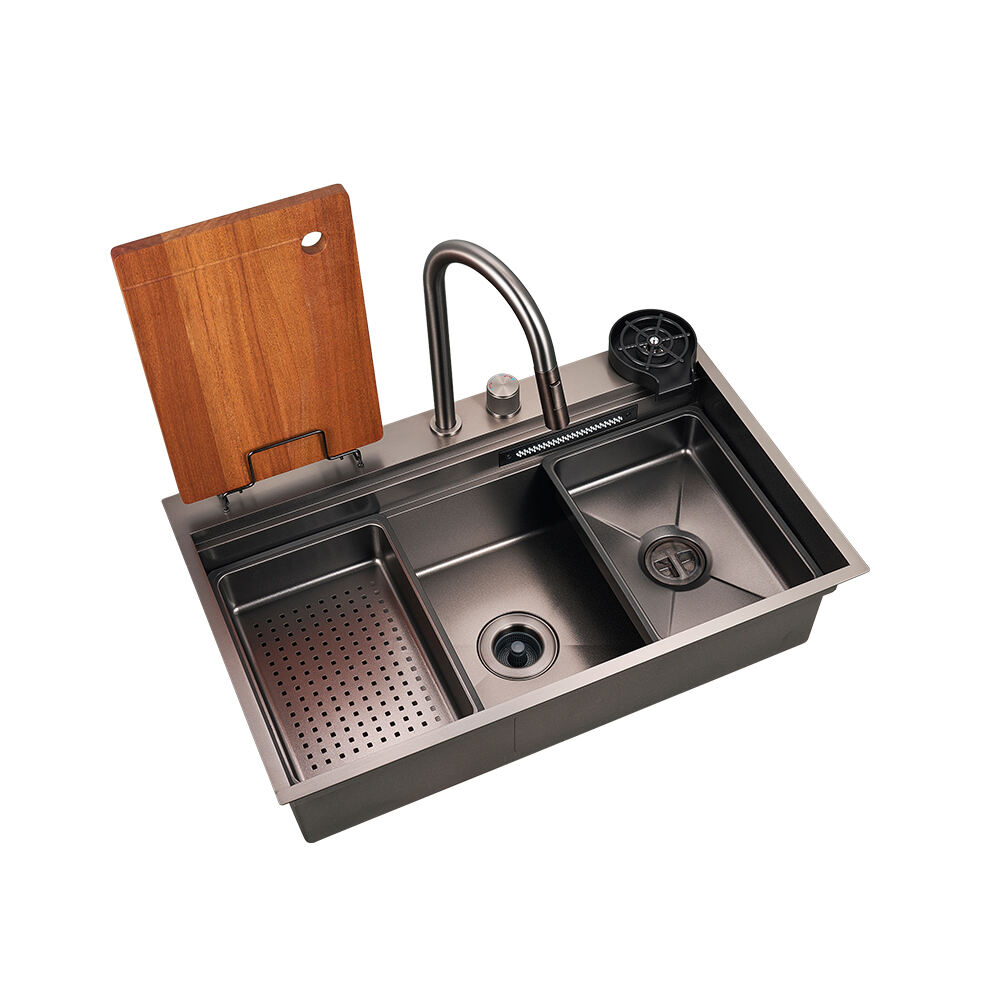
When planning a home remodel, homeowners often focus on major elements like flooring, paint colors, and appliances, but overlook one of the most impactful features in the kitchen: the kitchen basin sink. This central fixture serves as both a functional workhorse and a design statement that can dramatically transform the entire aesthetic of your space. The right sink choice influences everything from daily workflow patterns to the overall visual appeal that guests notice the moment they enter your kitchen.

Modern kitchen design has evolved to treat sinks as architectural elements rather than mere utilities. Whether you're updating a dated space or creating a completely new kitchen layout, understanding how different sink styles, materials, and configurations impact your home's atmosphere will guide you toward making choices that enhance both form and function for years to come.
Material Selection and Visual Impact
Composite and Natural Stone Options
Composite materials like granite and quartz have revolutionized kitchen sink design by offering durability that matches their striking appearance. These materials provide rich textures and deep colors that create focal points within the kitchen space. Black granite composite sinks, for instance, deliver a sophisticated contrast against light-colored countertops while maintaining resistance to scratches, stains, and heat damage.
The natural variations in composite materials ensure that each sink maintains unique character while complementing various design themes. Whether your remodel leans toward contemporary minimalism or rustic farmhouse charm, composite sinks adapt seamlessly to different aesthetic preferences. Their non-porous surfaces also contribute to improved hygiene standards, making them ideal for families who prioritize both beauty and cleanliness in their kitchen spaces.
Traditional Stainless Steel Versus Modern Alternatives
While stainless steel remains popular for its affordability and versatility, modern alternatives offer distinct advantages for homeowners seeking unique visual appeal. Ceramic and fireclay sinks bring vintage charm to traditional remodels, while copper options develop beautiful patinas that evolve over time. Each material choice communicates different design intentions and influences how the entire kitchen feels to occupants and visitors.
The reflective properties of different materials also affect lighting dynamics within the kitchen. Matte finishes absorb light for subtle elegance, while polished surfaces bounce illumination around the space to create brighter, more energetic atmospheres. Understanding these nuances helps homeowners select materials that support their desired ambiance while meeting practical requirements for daily use.
Size and Configuration Considerations
Single Basin Versus Double Basin Layouts
The decision between single and double basin configurations significantly impacts both functionality and visual flow in remodeled kitchens. Large single basins create clean, uninterrupted lines that emphasize spaciousness, while double configurations offer practical separation for different tasks. The choice often depends on cooking habits, family size, and the overall kitchen layout you're trying to achieve.
Single basin designs work particularly well in smaller kitchens where maximizing usable space takes priority, while larger kitchens can accommodate double basins without feeling cramped. The visual weight of the sink also influences cabinet proportions and counter space distribution, affecting how balanced the entire kitchen appears once the remodel is complete.
Undermount Versus Drop-In Installation Styles
Installation method dramatically affects the seamless integration of your kitchen basin sink with surrounding countertops. Undermount installations create flowing transitions between surfaces, emphasizing continuity and making countertops appear larger. This approach works exceptionally well with natural stone and engineered quartz countertops that can support the sink's weight from below.
Drop-in installations, while more traditional, offer flexibility with different countertop materials and typically cost less to implement during remodels. The visible rim can either complement or contrast with countertop colors, creating intentional design statements. Modern drop-in sinks feature increasingly sleek rim profiles that minimize the visual disruption while maintaining easier installation requirements.
Color Coordination and Design Harmony
Creating Contrast for Visual Interest
Strategic color contrast between sinks and surrounding elements creates dynamic focal points that energize kitchen spaces. Dark sinks against light countertops provide dramatic sophistication, while light sinks on dark surfaces offer bright, clean aesthetics. The key lies in balancing contrast levels with other kitchen features like backsplashes, cabinet hardware, and appliance finishes.
Color temperature also plays a crucial role in establishing mood throughout the remodeled space. Warm-toned materials like copper or bronze sinks complement wood cabinets and create inviting atmospheres, while cool-toned options like stainless steel or gray composite maintain crisp, contemporary feels. Understanding these relationships helps ensure cohesive design schemes that feel intentional rather than accidental.
Complementing Existing Kitchen Elements
Successful sink selection considers existing elements that will remain after the remodel, such as flooring, architectural details, or cherished appliances. The goal involves creating harmony between new and existing features while allowing the sink to enhance rather than compete with other design elements. This approach often results in more budget-friendly remodels that maximize impact through strategic updates.
Cabinet styles particularly influence sink selection, as traditional raised-panel doors pair beautifully with farmhouse-style apron sinks, while flat-panel contemporary cabinets complement sleek undermount designs. Understanding these relationships helps homeowners make choices that reinforce their desired aesthetic while avoiding costly mismatches that require additional changes.
Functional Features That Enhance Daily Living
Integrated Accessories and Drainage Solutions
Modern kitchen basin sink designs incorporate thoughtful accessories that improve daily functionality while maintaining clean aesthetics. Integrated cutting boards, colanders, and drying racks transform sinks into multi-functional workstations that streamline meal preparation and cleanup routines. These features particularly benefit busy families who need efficient workflows in their remodeled kitchens.
Advanced drainage systems prevent water spots and mineral buildup while directing waste toward disposal units efficiently. Some designs include multiple drainage levels that accommodate different tasks simultaneously, such as washing vegetables while soaking pots. These functional improvements often prove more valuable than purely aesthetic upgrades in terms of long-term satisfaction with remodeling investments.
Sound Dampening and Comfort Features
Noise reduction technology in modern sinks significantly improves the kitchen environment by minimizing sounds from running water, garbage disposals, and dishware contact. Special coatings and padding systems absorb vibrations that would otherwise create disruptive noise levels during daily activities. This consideration becomes particularly important in open-concept homes where kitchen sounds carry throughout living spaces.
Ergonomic design elements like rounded corners, appropriate depth measurements, and comfortable working heights reduce strain during extended use periods. These features might seem minor during the planning phase but contribute substantially to daily comfort and satisfaction with the completed remodel. Investing in well-designed sinks pays dividends through years of improved kitchen experiences.
FAQ
What size kitchen basin sink works best for most remodeling projects?
Most kitchen remodels benefit from single basin sinks measuring 30 to 36 inches in length, which provide ample workspace without overwhelming standard cabinet configurations. The ideal size depends on your cooking habits, family size, and available counter space, but these dimensions offer good versatility for most households while fitting standard 36-inch base cabinets effectively.
How do different sink materials affect maintenance requirements during daily use?
Composite materials like granite and quartz require minimal maintenance beyond regular cleaning with mild soap, while stainless steel needs occasional polishing to prevent water spots. Natural materials like copper develop patina over time, which some homeowners love while others prefer the consistent appearance of engineered materials. Consider your maintenance preferences when selecting materials for long-term satisfaction.
Can I install a new sink style without changing my existing countertops?
Installation options depend on your current countertop material and sink cutout size. Drop-in sinks offer more flexibility for updates without countertop modifications, while undermount installations typically require professional assessment of structural support capabilities. Many remodels can accommodate new sinks with minor modifications rather than complete countertop replacement, saving significant costs.
What factors should I prioritize when choosing between aesthetic and functional sink features?
Balance your daily usage patterns with long-term design goals by prioritizing features you'll use regularly while ensuring the aesthetic matches your remodel vision. Functional elements like proper depth, sound dampening, and drainage efficiency affect daily satisfaction more than purely visual features. However, since sinks remain visible focal points, choosing options that support both practical needs and design preferences typically delivers the best overall value for remodeling investments.
Table of Contents
- Material Selection and Visual Impact
- Size and Configuration Considerations
- Color Coordination and Design Harmony
- Functional Features That Enhance Daily Living
-
FAQ
- What size kitchen basin sink works best for most remodeling projects?
- How do different sink materials affect maintenance requirements during daily use?
- Can I install a new sink style without changing my existing countertops?
- What factors should I prioritize when choosing between aesthetic and functional sink features?