EN
EN


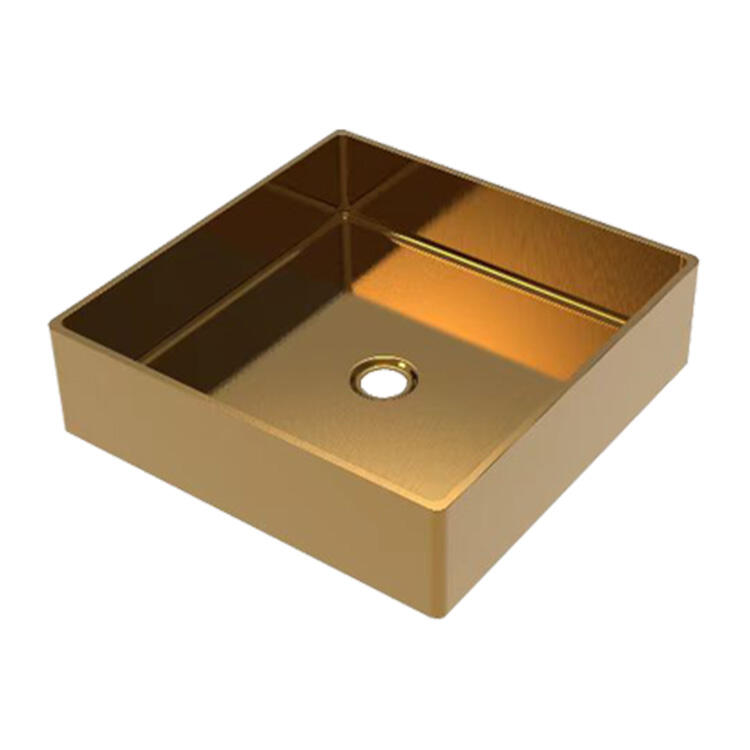
When selecting kitchen fixtures for your home, understanding which materials offer superior longevity becomes crucial for making informed investment decisions. Handmade sinks represent a premium category where craftsmanship meets functionality, requiring careful consideration of material properties that directly impact performance and lifespan. The choice between various materials can significantly affect both the aesthetic appeal and practical durability of your kitchen centerpiece. Professional contractors and homeowners alike recognize that material selection forms the foundation of sink longevity, making this knowledge essential for anyone planning kitchen renovations or new installations.
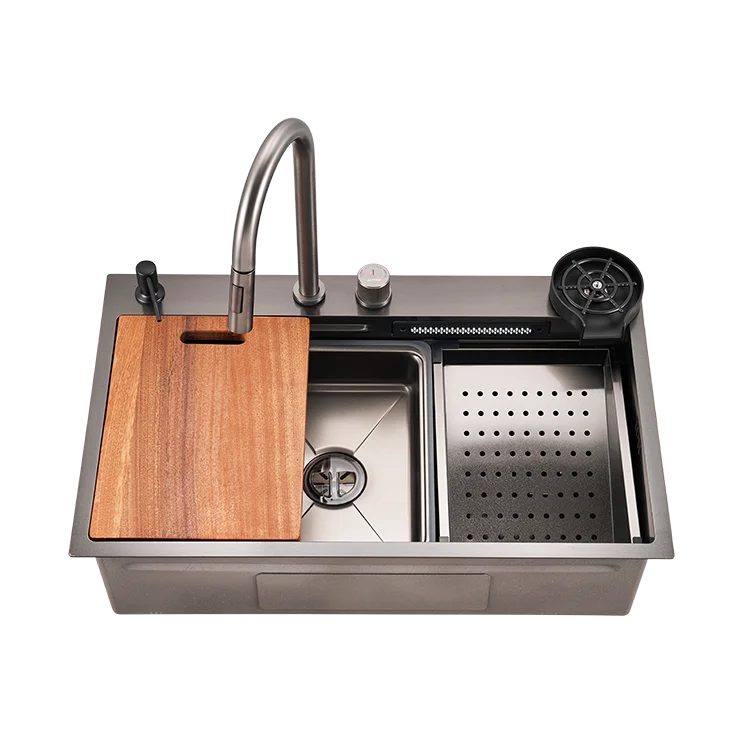
Stainless Steel Excellence in Artisan Sink Manufacturing
Grade Classifications and Performance Characteristics
Stainless steel stands as the premier choice for handmade sinks due to its exceptional resistance to corrosion, staining, and thermal shock. The most common grades used in premium sink manufacturing include 304 and 316 stainless steel, each offering distinct advantages for different applications. Grade 304 stainless steel contains 18% chromium and 8% nickel, providing excellent durability for standard residential use while maintaining cost-effectiveness. Grade 316 incorporates molybdenum for enhanced corrosion resistance, making it ideal for harsh environments or commercial applications where chemical exposure occurs regularly.
The manufacturing process of stainless steel handmade sinks involves hand-forming techniques that create superior structural integrity compared to stamped alternatives. Artisan craftsmen utilize specialized tools to shape the metal gradually, eliminating stress points that could lead to cracking or deformation over time. This meticulous approach ensures that each sink maintains its structural properties throughout decades of use, even under heavy-duty applications. The surface finish options available in stainless steel provide additional customization opportunities while maintaining the material's inherent durability characteristics.
Maintenance Requirements and Longevity Factors
Stainless steel handmade sinks require minimal maintenance while delivering exceptional longevity when properly cared for. Regular cleaning with mild detergents and soft cloths preserves the surface finish and prevents buildup of minerals or food residues that could affect appearance. The non-porous nature of stainless steel prevents bacterial growth and makes sanitization straightforward, contributing to both hygiene and durability. Professional-grade finishes resist fingerprints and water spots, reducing the frequency of cleaning required to maintain optimal appearance.
Temperature resistance represents another significant advantage of stainless steel in handmade sink applications. These sinks withstand extreme temperature variations without warping, cracking, or losing their structural integrity. The thermal expansion properties remain consistent over time, preventing gaps or leaks at mounting points that commonly occur with other materials. This stability makes stainless steel particularly suitable for busy kitchens where hot cookware frequently contacts the sink surface during food preparation and cleanup activities.
Composite Material Innovations in Durable Sink Construction
Granite Composite Advantages and Applications
Granite composite materials offer exceptional durability through the combination of natural stone particles with advanced polymer resins. These handmade sinks demonstrate superior resistance to chips, scratches, and impacts that would damage traditional materials. The manufacturing process involves carefully mixing crushed granite with high-performance resins before hand-forming into desired shapes, creating a material that retains the natural beauty of stone while enhancing practical durability. Color consistency throughout the material thickness ensures that minor surface damage remains virtually invisible, maintaining aesthetic appeal over extended periods.
Heat resistance capabilities of granite composite exceed those of many alternative materials, allowing direct contact with hot cookware without surface damage or discoloration. The thermal mass properties help regulate temperature changes, reducing thermal shock that could affect structural integrity. Manufacturing techniques used in creating these handmade sinks ensure proper fiber orientation and resin distribution, maximizing strength characteristics while minimizing potential failure points. Professional installation considerations include proper support structures to accommodate the material density and weight distribution requirements.
Quartz Composite Performance Characteristics
Quartz composite materials deliver exceptional hardness ratings that surpass most natural stone options while maintaining workability for handmade sink construction. The engineered composition combines crushed quartz crystals with polymer binders, creating a non-porous surface that resists staining and bacterial growth. Manufacturing precision allows for consistent color and pattern distribution throughout the material thickness, ensuring long-term aesthetic stability. The molecular structure provides superior chemical resistance against common household cleaners and food acids that typically cause etching in natural stone surfaces.
Fabrication techniques for quartz composite handmade sinks require specialized tools and expertise to achieve optimal results. Artisan craftsmen utilize diamond-tipped cutting implements and precision grinding equipment to shape these materials without compromising structural integrity. The curing process involves controlled temperature and humidity conditions that ensure complete polymer cross-linking, maximizing durability characteristics. Quality control measures throughout production verify material density, surface finish quality, and dimensional accuracy that directly impact long-term performance.
Natural Stone Selection Criteria for Artisan Sink Projects
Marble Characteristics and Durability Considerations
Marble represents a traditional choice for handmade sinks, offering unparalleled natural beauty through unique veining patterns and color variations. However, durability considerations require careful evaluation of marble types and their specific properties. Carrara marble provides excellent workability for artisan crafting while maintaining reasonable durability for moderate-use applications. The calcium carbonate composition makes marble susceptible to acid etching from citrus fruits and vinegar-based cleaners, requiring protective treatments and careful maintenance protocols.
Sealing requirements for marble handmade sinks involve periodic application of penetrating sealers that protect against staining and moisture absorption. The porous nature of marble necessitates regular maintenance to preserve both appearance and structural integrity over time. Professional installation techniques include proper drainage design and ventilation considerations that prevent moisture accumulation in mounting areas. These factors significantly influence the long-term durability and performance expectations for marble sink installations.
Granite Durability and Performance Standards
Granite offers superior durability compared to marble while maintaining the natural stone aesthetic desired in premium handmade sinks. The igneous rock formation process creates a dense, hard material that resists scratching, chipping, and thermal damage effectively. Color stability remains consistent over decades of use, even with exposure to sunlight and cleaning chemicals that fade other materials. The crystalline structure provides natural antibacterial properties that contribute to hygiene maintenance in kitchen environments.
Manufacturing considerations for granite handmade sinks include proper grain orientation and stress distribution during the shaping process. Skilled artisans evaluate the stone structure to identify optimal cutting directions that maximize strength characteristics. Surface finishing options range from polished to honed textures, each offering different maintenance requirements and durability profiles. Professional installation requires adequate structural support to accommodate the significant weight while ensuring proper drainage and mounting security for long-term stability.
Emerging Material Technologies in Handmade Sink Manufacturing
Fireclay Innovation and Traditional Craftsmanship
Fireclay represents an evolving material technology that combines traditional ceramic craftsmanship with modern durability enhancements. These handmade sinks undergo high-temperature firing processes that create exceptionally hard, non-porous surfaces resistant to chipping and cracking. The clay composition includes specific mineral additives that enhance thermal shock resistance and mechanical strength beyond traditional ceramic materials. Artisan techniques involve hand-throwing or pressing methods that create uniform wall thickness and optimal stress distribution throughout the sink structure.
Color integration in fireclay handmade sinks occurs during the manufacturing process, ensuring consistency throughout the material thickness rather than surface-only coloration. This characteristic prevents color changes from surface wear or damage, maintaining aesthetic appeal over extended service periods. The firing temperature and duration directly influence final durability characteristics, requiring precise control of kiln conditions to achieve optimal results. Quality assurance protocols verify thermal expansion coefficients and mechanical properties that determine long-term performance reliability.
Advanced Polymer Composite Development
Advanced polymer composites represent the latest innovation in handmade sink materials, offering unprecedented combinations of durability, workability, and design flexibility. These materials incorporate carbon fiber reinforcements or ceramic particles within high-performance polymer matrices, creating lightweight yet extremely strong sink structures. Manufacturing processes allow for complex geometries and integrated features that would be difficult or impossible with traditional materials. The molecular engineering approach enables customization of specific properties such as chemical resistance, thermal conductivity, and surface hardness to match application requirements.
Environmental resistance characteristics of advanced polymer composites surpass many traditional materials while maintaining excellent workability for artisan crafting techniques. UV stability prevents color fading and surface degradation common in outdoor or high-light applications. Chemical compatibility testing ensures resistance to common household chemicals and cleaning products without compromising structural integrity. The manufacturing process enables color integration and pattern creation throughout the material volume, providing design possibilities unavailable with surface-finished alternatives.
Installation and Maintenance Factors Affecting Material Longevity
Proper Installation Techniques for Maximum Durability
Installation methodology significantly impacts the long-term durability of handmade sinks regardless of material selection. Professional mounting techniques ensure proper weight distribution and stress management that prevent premature failure or damage. Substrate preparation includes verification of structural adequacy and moisture protection measures that preserve both sink and surrounding materials. Plumbing connections require precise alignment and sealing to prevent leaks that could compromise installation integrity over time.
Thermal expansion considerations become critical when installing handmade sinks made from materials with different expansion coefficients than surrounding countertops or cabinetry. Professional installers utilize appropriate sealants and mounting methods that accommodate movement without creating stress concentrations. Drainage system design affects long-term performance by ensuring proper water flow and preventing standing water that could lead to mineral buildup or bacterial growth. These installation factors directly influence the realized durability benefits of premium sink materials.
Maintenance Protocols for Extended Service Life
Maintenance requirements vary significantly among different materials used in handmade sinks, with proper care protocols directly affecting durability outcomes. Regular cleaning schedules prevent buildup of contaminants that could cause staining, etching, or surface damage over time. Material-specific cleaning products ensure compatibility while avoiding chemical reactions that might compromise surface integrity or appearance. Professional maintenance recommendations include periodic inspections for signs of wear or damage that could indicate need for preventive repairs.
Protective measures such as cutting board usage and proper drain maintenance contribute significantly to material longevity across all sink types. Temperature management practices prevent thermal shock damage that could affect structural integrity or surface finish quality. Preventive maintenance schedules should align with material characteristics and usage patterns to optimize durability benefits. Documentation of maintenance activities helps track performance trends and identify potential issues before they compromise sink functionality or appearance.
FAQ
Which material offers the longest lifespan for handmade sinks
Stainless steel typically provides the longest service life for handmade sinks, often exceeding 30 years with proper maintenance. Grade 316 stainless steel offers superior corrosion resistance for demanding applications, while Grade 304 provides excellent durability for standard residential use. The non-porous nature and thermal resistance of stainless steel contribute to its exceptional longevity compared to other materials.
How do composite materials compare to natural stone for sink durability
Composite materials generally offer superior durability compared to natural stone due to their engineered properties and consistent material characteristics. Granite and quartz composites provide better impact resistance and chemical compatibility than natural marble or limestone. However, high-quality granite can match composite durability while offering unique natural aesthetics that some homeowners prefer over manufactured alternatives.
What maintenance requirements affect material longevity most significantly
Regular cleaning with appropriate products represents the most critical maintenance factor affecting material longevity across all sink types. Avoiding abrasive cleaners and harsh chemicals prevents surface damage that could compromise structural integrity over time. Proper sealing maintenance for porous materials and prompt repair of minor damage help maximize service life regardless of material selection.
Can installation quality impact the durability benefits of premium materials
Installation quality significantly affects realized durability benefits, even with premium materials. Improper mounting techniques can create stress concentrations that lead to premature cracking or failure. Inadequate support structures may cause deformation or damage over time, while poor sealing allows moisture penetration that affects both sink and surrounding materials. Professional installation ensures optimal performance from quality materials.
Table of Contents
- Stainless Steel Excellence in Artisan Sink Manufacturing
- Composite Material Innovations in Durable Sink Construction
- Natural Stone Selection Criteria for Artisan Sink Projects
- Emerging Material Technologies in Handmade Sink Manufacturing
- Installation and Maintenance Factors Affecting Material Longevity
- FAQ