EN
EN


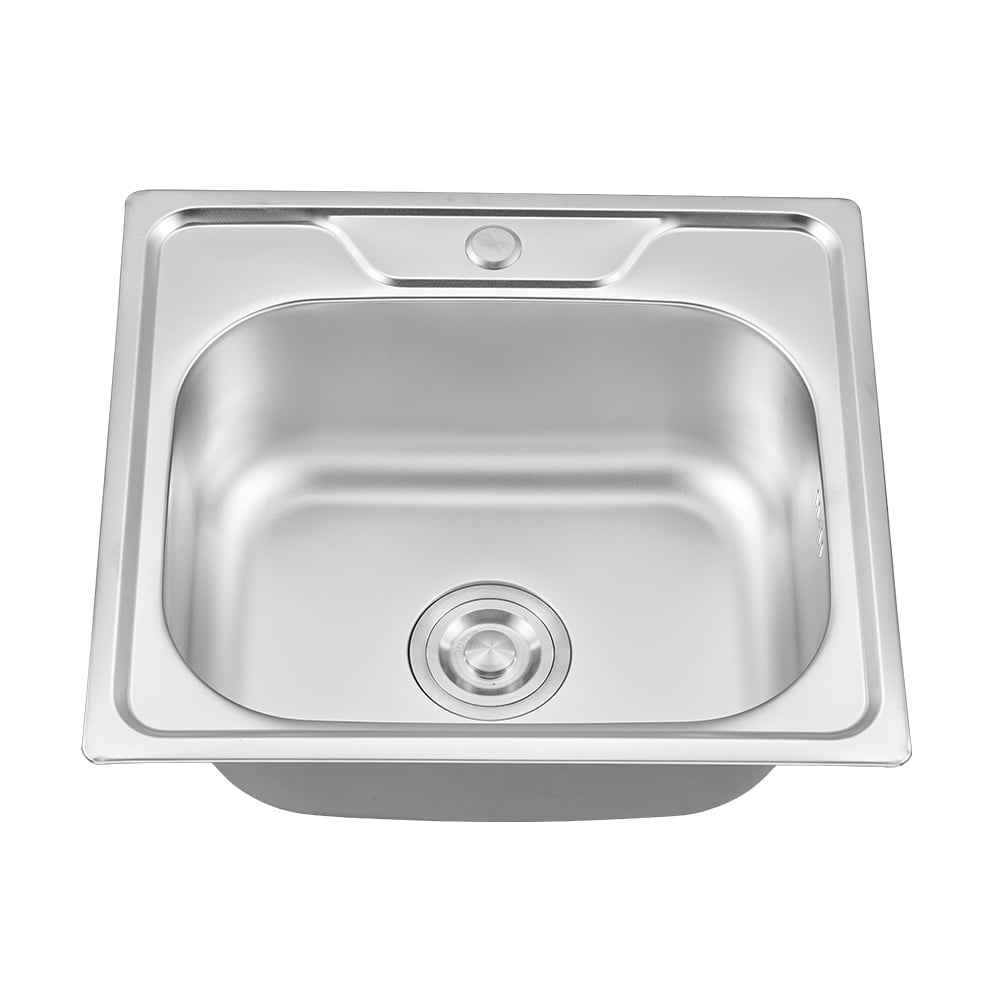
Modern kitchen design has evolved significantly, placing greater emphasis on both aesthetic appeal and practical functionality. Among the various elements that contribute to a kitchen's efficiency, the sink remains one of the most crucial components for daily operations. Handmade sinks have emerged as a premium solution that combines superior craftsmanship with enhanced functionality, offering homeowners and designers an opportunity to elevate their kitchen experience beyond conventional mass-produced alternatives.
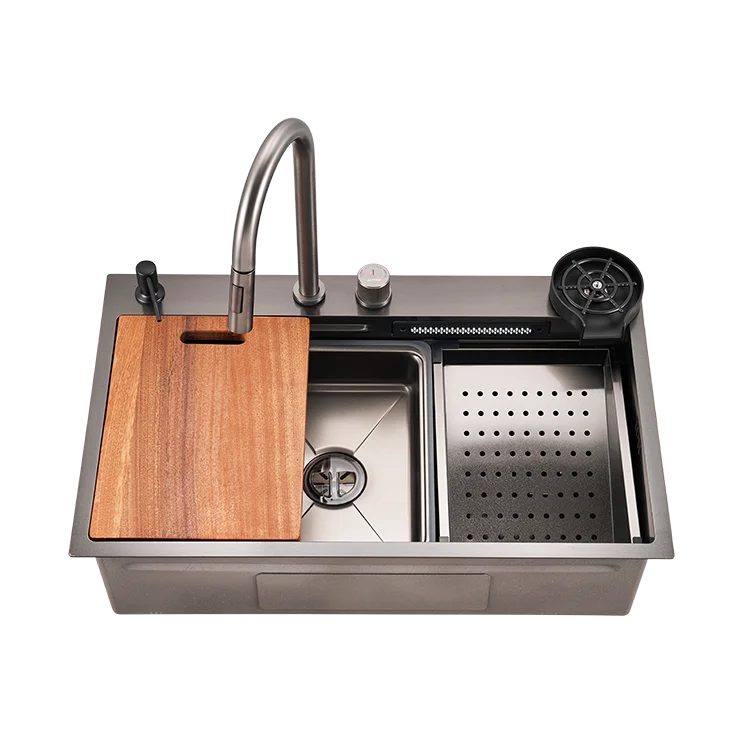
The distinction between handmade sinks and factory-manufactured units extends far beyond surface aesthetics. Artisanal construction methods allow for precise attention to detail, resulting in superior build quality and enhanced performance characteristics. These carefully crafted fixtures integrate seamlessly into contemporary kitchen workflows while providing durability that withstands intensive daily use. Understanding the functional advantages of handmade sinks enables informed decision-making for kitchen renovations and new construction projects.
Superior Construction Quality and Material Integrity
Precision Welding and Seamless Joints
Handmade sinks feature meticulously executed welding techniques that create virtually seamless joints between bowl walls and drainage areas. This precision construction eliminates weak points commonly found in mass-produced alternatives, where automated welding processes may leave inconsistencies or stress points. The result is a structurally superior product that maintains its integrity under heavy use conditions, reducing the likelihood of cracks, leaks, or premature failure.
Professional craftspeople employ specialized techniques to ensure uniform material thickness throughout the entire sink structure. This consistency prevents thin spots that could compromise durability while maintaining optimal weight distribution. The attention to detail in welding processes also creates smoother internal surfaces that facilitate easier cleaning and maintenance, contributing to long-term hygiene standards in kitchen environments.
Premium Stainless Steel Selection and Treatment
Artisanal sink manufacturers typically utilize higher-grade stainless steel alloys compared to mass production facilities. These premium materials offer enhanced corrosion resistance, improved scratch tolerance, and superior heat retention properties. The careful selection of steel compositions ensures optimal performance across various kitchen applications, from heavy-duty food preparation to delicate dishware handling.
Surface treatment processes for handmade sinks involve multiple finishing stages that enhance both appearance and functionality. Hand-polishing techniques create uniform surface textures that resist water spotting and fingerprint accumulation. These specialized finishing methods also improve the material's resistance to chemical exposure from cleaning products and acidic food substances, extending the sink's operational lifespan significantly.
Enhanced Functional Design Features
Optimized Bowl Depth and Configuration
The bowl depth in handmade sinks is carefully engineered to maximize workspace efficiency while minimizing splash-back issues. Craftspeople can customize dimensions to accommodate specific user requirements and kitchen workflows, creating optimal ergonomic conditions for food preparation and cleanup activities. This precision in dimensional planning reduces strain on users and improves overall kitchen functionality.
Multi-functional design elements integrated into handmade sinks include strategically positioned drainage channels, integrated cutting board rests, and accessory mounting points. These features are seamlessly incorporated during the manufacturing process, ensuring structural integrity while expanding the sink's utility beyond basic washing functions. The result is a comprehensive workstation that supports diverse kitchen activities within a single fixture.
Advanced Drainage Systems and Water Flow Management
Handmade sinks incorporate sophisticated drainage designs that promote efficient water evacuation and prevent standing water accumulation. The precise angles and gradients created through artisanal construction methods ensure optimal flow patterns that minimize cleaning requirements and maintain sanitary conditions. These drainage improvements contribute significantly to kitchen efficiency and user satisfaction.
Water flow management features include strategically positioned overflow channels and sound-dampening elements integrated into the sink structure. These components work together to create a quieter, more efficient kitchen environment while preventing water damage and maintaining consistent performance standards. The attention to hydraulic engineering principles in handmade sinks results in superior functionality compared to standard manufacturing approaches.
Installation Flexibility and Customization Options
Adaptable Mounting Systems
The construction methods used for handmade sinks allow for greater flexibility in installation configurations, accommodating various countertop materials and thickness requirements. Custom fabrication capabilities enable precise fitting to existing cabinetry or specialized kitchen designs, reducing installation complications and ensuring optimal integration with surrounding elements.
Reinforcement structures built into handmade sinks provide superior support for heavy-duty applications and oversized installations. These structural enhancements distribute weight more effectively than standard mounting systems, preventing stress-related damage to countertops and cabinetry over time. The robust construction also supports additional accessories and fixtures without compromising stability.
Personalized Dimension and Feature Integration
Custom sizing options available with handmade sinks enable perfect integration into unique kitchen layouts and design schemes. Craftspeople can modify standard dimensions to accommodate specific spatial constraints or user preferences, creating truly personalized solutions that maximize available workspace. This customization capability eliminates the compromises often required with mass-produced alternatives.
Specialized feature integration during the manufacturing process allows for unique functional additions such as integrated soap dispensers, cutting board storage, or accessory rails. These custom elements are seamlessly incorporated into the overall design, maintaining structural integrity while expanding utility. The ability to integrate personalized features during construction results in superior functionality compared to aftermarket additions.
Long-Term Performance and Maintenance Advantages
Durability and Wear Resistance
The superior construction quality of handmade sinks translates directly into extended operational lifespan and reduced maintenance requirements. High-quality materials and precision manufacturing techniques create products that maintain their appearance and functionality for decades with proper care. This durability represents significant long-term value compared to frequently replaced mass-produced alternatives.
Scratch resistance and surface integrity of handmade sinks remain superior throughout extended use periods due to quality material selection and surface treatment processes. The enhanced durability reduces replacement frequency and maintenance costs, making these premium products economically advantageous over their operational lifetime. Investment in quality construction pays dividends through reduced long-term ownership expenses.
Simplified Cleaning and Maintenance Protocols
The smooth, seamless construction of handmade sinks eliminates crevices and joints where debris and bacteria commonly accumulate in mass-produced alternatives. This design advantage simplifies cleaning procedures and improves sanitation standards, contributing to healthier kitchen environments. Reduced cleaning time and effort represent practical benefits that enhance daily kitchen operations.
Surface treatments applied during handmade sink production create self-cleaning properties that resist staining and bacterial growth. These protective coatings maintain their effectiveness over extended periods, reducing the need for aggressive cleaning chemicals or intensive maintenance procedures. The result is a more sustainable and user-friendly kitchen fixture that supports efficient household operations.
FAQ
What makes handmade sinks more functional than mass-produced alternatives
Handmade sinks offer superior functionality through precision construction, premium materials, and customizable features that address specific user requirements. The attention to detail in manufacturing processes creates seamless joints, optimal drainage, and enhanced durability that mass production cannot achieve. These factors combine to deliver improved performance, easier maintenance, and longer operational lifespan.
How do handmade sinks improve kitchen workflow efficiency
The optimized bowl depth, strategic drainage design, and integrated functional features of handmade sinks create more efficient workspace utilization. Custom sizing options ensure perfect fit with existing kitchen layouts, while specialized accessories and mounting systems expand utility beyond basic washing functions. These design elements work together to streamline food preparation and cleanup activities.
Are handmade sinks worth the additional investment cost
The superior construction quality, extended lifespan, and reduced maintenance requirements of handmade sinks provide excellent long-term value despite higher initial costs. Premium materials and craftsmanship result in products that maintain functionality and appearance for decades, eliminating frequent replacement expenses. The enhanced performance and customization options also contribute to improved kitchen efficiency and user satisfaction.
What maintenance requirements do handmade sinks have compared to standard sinks
Handmade sinks typically require less intensive maintenance due to their seamless construction, superior surface treatments, and high-quality materials. The smooth, joint-free surfaces resist debris accumulation and bacterial growth, simplifying cleaning procedures. Protective coatings and premium stainless steel alloys maintain their appearance with basic cleaning products, reducing the need for specialized maintenance chemicals or procedures.