EN
EN


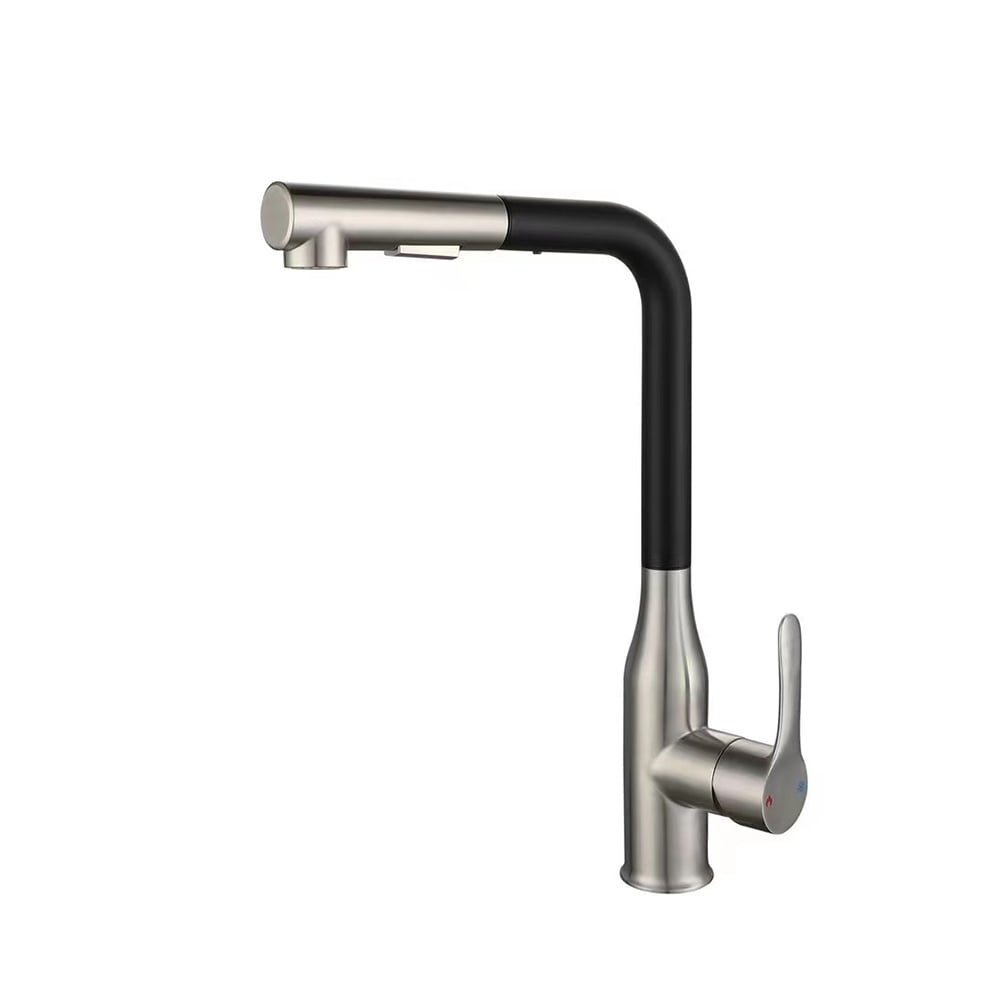
A faucet is one of those fixtures that people interact with dozens of times each day, yet rarely pause to consider in depth. Whether you are washing vegetables, rinsing your hands, or filling a commercial pot, the type of faucet you use has a direct impact on efficiency, hygiene, water usage, and overall experience. Not all faucets are engineered for the same purpose, and understanding how each type functions in its intended environment is the first step toward making smarter decisions for your home or business.

The diversity of faucet designs available today reflects the wide range of tasks people perform at sinks and basins around the world. From single-handle kitchen models to sensor-activated commercial units, each category offers a distinct functional profile. This article explores how different faucet types differ in function across various usage scenarios, helping you understand which design characteristics matter most in specific contexts and why matching the right faucet to the right environment leads to better long-term outcomes.
Understanding the Functional Logic Behind Faucet Design
Why Function Drives Faucet Design Decisions
At its core, every faucet is designed around a primary use case. Engineers and product designers begin with a set of functional requirements — water pressure tolerance, flow rate, temperature control precision, ease of operation, and durability — before settling on a form. The result is that two faucets sitting side by side in a showroom may look superficially similar but perform very differently when installed in their intended environments.
A faucet designed for a residential bathroom lavatory, for example, prioritizes aesthetic refinement and gentle flow. In contrast, a faucet built for a commercial kitchen must handle repeated high-volume use, resist corrosive cleaning agents, and allow fast temperature switching. These differing priorities shape every aspect of the product, from the internal valve mechanism to the finish and the handle design.
Understanding this functional logic helps buyers, specifiers, and facility managers avoid common mismatches. Installing a decorative residential faucet in a high-traffic commercial sink, for instance, will lead to premature wear and increased maintenance costs. The right approach is always to align the faucet's functional strengths with the demands of the specific usage scenario.
The Role of Valve Technology in Faucet Performance
The internal valve is arguably the most important functional component of any faucet. It determines how smoothly water flow and temperature can be adjusted, how long the faucet will last without leaking, and how much effort the user must exert during operation. The most common valve types found in modern faucets include ceramic disc valves, ball valves, cartridge valves, and compression valves, each with its own performance characteristics.
Ceramic disc valves are widely regarded as the most durable option and are commonly found in premium kitchen and bathroom faucets. They use two ceramic discs that rotate against each other to control flow, offering precise control and a very long service life. A faucet equipped with a ceramic disc valve is particularly well-suited to high-frequency environments where consistent performance over thousands of operating cycles is essential.
Ball valves use a rotating ball with holes drilled through it to mix hot and cold water and are commonly found in single-handle faucets. Cartridge valves use a sliding cartridge mechanism and offer a good balance between ease of operation and durability. Compression valves, the oldest design, require the user to compress a rubber washer to stop water flow and are increasingly rare in new installations due to higher maintenance requirements. Choosing the right valve technology is a key part of ensuring the faucet performs reliably in its intended setting.
Kitchen Faucet Functions and Scenario-Specific Performance
Standard Kitchen Faucets for Everyday Meal Preparation
The kitchen is one of the most demanding environments for any faucet. A typical household kitchen sink faucet must handle everything from rinsing produce and filling pots to washing dishes and defrosting food under running water. This variety of tasks means kitchen faucets are generally designed with higher flow rates, more robust construction, and greater reach than their bathroom counterparts.
A single-handle kitchen faucet is particularly valued in the residential kitchen because it allows the user to adjust both temperature and flow with one hand, leaving the other hand free for food handling. The tall arc spout design common in modern kitchen faucets provides clearance for large pots and pans, making filling operations far more practical. Some models also incorporate a pull-down or pull-out spray head, which dramatically expands the faucet's functional reach within the sink basin.
For those seeking a balance of modern design and practical utility, a faucet made from SUS304 stainless steel delivers both structural durability and resistance to the corrosive effects of water minerals and cleaning chemicals. This material choice is especially important in kitchen environments where the faucet is exposed to splashing water and food acids on a daily basis. The combination of functional design and quality materials defines what separates a long-lasting kitchen faucet from one that requires frequent replacement.
Specialty and Multifunctional Kitchen Faucets
Beyond the standard single-function kitchen faucet, a growing category of multifunctional models has emerged to address the increasingly complex demands of modern kitchens. These faucets incorporate multiple spray modes — such as stream, spray, and pause — within a single unit, allowing users to switch between functions depending on the task at hand. A paused spray mode, for example, is particularly useful when moving wet dishes from the sink to the drying rack without leaving the water running.
Some advanced kitchen faucet designs also integrate water filtration systems directly into the spout, delivering purified drinking water from the same fixture used for washing. Others include a dedicated hot water dispenser function, reducing the need for a separate countertop appliance. These multifunctional designs are especially popular in smaller kitchens where counter space is limited and every fixture needs to serve more than one purpose.
From a commercial kitchen perspective, the multifunctional faucet concept extends even further. Pre-rinse spray valves, pot fillers mounted above commercial ranges, and high-volume hose reels all represent specialized faucet-type devices engineered for very specific workflow steps in professional food preparation environments. Each fulfills a function that a standard residential faucet simply cannot match at the required volume and intensity.
Bathroom Faucet Types and Their Functional Distinctions
Lavatory Faucets and the Hygiene-Focused Usage Scenario
In the bathroom, a faucet serves a fundamentally different set of tasks than in the kitchen. Handwashing, face washing, toothbrushing, and shaving are all relatively low-volume, precision-oriented activities. As a result, bathroom faucets are typically designed with lower flow rates, more refined aesthetic profiles, and a stronger emphasis on ease of temperature fine-tuning. The widespread adoption of low-flow aerators in bathroom faucets reflects the growing priority of water conservation in residential and commercial settings alike.
Centerset and widespread lavatory faucets are the two most common configurations in residential bathrooms. A centerset faucet combines the spout and handles in a single base unit, making installation straightforward and suitable for standard pre-drilled sink configurations. A widespread faucet separates the spout from the handles, allowing for more flexible placement and a more custom appearance. Both types perform the same core function, but their installation geometry affects which sink types and countertop layouts they are compatible with.
Wall-mounted bathroom faucets represent another functional variation, particularly suited to vessel sinks and modern minimalist designs. By mounting the faucet to the wall rather than the sink deck, these models free up counter space and simplify cleaning around the sink area. However, their installation is more complex and requires careful planning of in-wall plumbing, making them a better fit for new construction or full bathroom renovation projects.
Touchless and Sensor-Activated Faucets in High-Traffic Settings
The touchless or sensor-activated faucet represents a significant functional evolution driven by hygiene concerns and water conservation goals. By using infrared sensors to detect hand presence and activate water flow automatically, these faucets eliminate the need to touch any surface during use. This feature is especially valuable in public restrooms, healthcare facilities, schools, and food service environments where cross-contamination risks are a serious concern.
From a water management perspective, sensor-activated faucets deliver measurable efficiency gains. Because the water flow stops the moment hands are removed from the detection zone, there is no opportunity for water to run unattended. Studies conducted in commercial and institutional settings consistently show that touchless faucet installations reduce water consumption compared to manual alternatives, particularly in environments with high user traffic and unpredictable usage patterns.
The functional limitations of touchless faucets are worth acknowledging as well. In residential settings, false activations triggered by nearby objects can be a minor annoyance, and power supply requirements — whether battery or hardwired — add a maintenance consideration not present in manual faucets. Nonetheless, for the usage scenarios where hygiene and efficiency are paramount, a sensor-activated faucet delivers functional advantages that manual designs simply cannot replicate.
Commercial and Industrial Faucet Scenarios
Heavy-Duty Faucets for Commercial Foodservice Environments
Commercial kitchens, catering operations, and food processing facilities impose extreme demands on any faucet installed within them. High-frequency use throughout extended operating hours, exposure to harsh cleaning chemicals, and the need to meet stringent food safety regulations all define the functional requirements for commercial-grade faucets. As a result, these fixtures are engineered to a fundamentally different standard than residential products.
Material selection is the most critical differentiator in commercial faucet specifications. Stainless steel — particularly grades such as SUS304 or SUS316 — is the predominant choice because of its resistance to corrosion, its compatibility with commercial detergents, and its compliance with food contact safety standards. Brass bodies with chrome or nickel finishes are also used in commercial settings, though they may require more attention to maintenance in environments with chemically aggressive water or cleaning products.
In terms of flow performance, a commercial faucet typically operates at significantly higher flow rates than residential models. Pre-rinse units, for instance, are designed to deliver targeted high-pressure spray for removing food debris from dishes before machine washing, a function that requires specific pressure and flow characteristics to be effective. The functional gap between a residential kitchen faucet and a commercial pre-rinse unit illustrates just how wide the spectrum of faucet performance truly is.
Industrial and Laboratory Faucet Requirements
Beyond foodservice, industrial and laboratory environments present their own distinct faucet functional requirements. Laboratory faucets, for example, must often accommodate multiple fluid types beyond potable water, including purified water, gas, and vacuum lines. These multi-outlet designs are engineered with chemically resistant materials such as polypropylene or epoxy-coated brass to withstand contact with reagents and solvents that would destroy standard residential fixtures.
Emergency eyewash and safety shower stations found in laboratories and industrial facilities represent another specialized category of faucet-type device. These units are designed for immediate activation and sustained high-volume flow, ensuring that workers can flush hazardous substances from skin or eyes within seconds. Their functional design is governed by strict safety standards, and their operational reliability is non-negotiable given the life-safety context in which they serve.
Industrial process faucets used in manufacturing, chemical processing, and water treatment plants operate under conditions of extreme pressure, temperature, and chemical exposure. These faucet assemblies are often custom-specified rather than selected from standard product ranges, with every material and valve component chosen to meet precise process requirements. The breadth of industrial faucet types underscores the principle that faucet function must always be driven by the realities of the environment in which it will operate.
Outdoor and Utility Faucet Functions
Hose Bibs and Garden Faucets for Outdoor Use
Outdoor usage scenarios place a completely different set of functional demands on a faucet compared to indoor kitchen or bathroom applications. Garden faucets, also known as hose bibs or sillcocks, are designed to connect directly to garden hoses for irrigation, vehicle washing, outdoor cleaning, and general utility water supply. Their primary functional requirements are simple: robust construction capable of surviving outdoor temperature extremes, a threaded spout compatible with standard hose fittings, and easy quarter-turn or multi-turn operation.
Frost-free or anti-siphon faucet designs represent an important functional advancement for outdoor use in cold climates. A frost-free sillcock positions the actual shut-off point deep inside the wall, away from the exterior surface, preventing residual water from freezing in the spout during cold weather. Anti-siphon models incorporate a backflow prevention mechanism that stops contaminated outdoor water from being siphoned back into the potable water supply — a critical safety feature in any outdoor irrigation scenario.
Utility sinks used in garages, workshops, laundry rooms, and garden sheds typically require a faucet that combines rugged construction with basic functional flexibility. High-arc spouts accommodate buckets and large containers, while simple lever or cross-handle designs allow easy operation with wet or gloved hands. These utility faucets are not designed for elegance but for consistent performance under conditions that would damage more refined fixtures.
Deck-Mounted vs. Wall-Mounted Outdoor Faucets
The mounting configuration of an outdoor faucet has a direct impact on its functional versatility and installation requirements. Deck-mounted models attach to a horizontal surface — typically the top of a utility sink or a ground-level platform — and are straightforward to connect to supply lines running through the surface below. They offer the advantage of easy access and simple replacement but may be more vulnerable to physical damage in high-traffic outdoor areas.
Wall-mounted outdoor faucets, in contrast, attach directly to an exterior wall and connect to supply lines running through the wall cavity. This configuration keeps the fixture clear of work surfaces and provides a stable, protected mounting point. The wall-mount approach is standard for residential hose bibs and is favored in commercial landscaping and facility management contexts where the faucet must remain accessible at a fixed, predictable location around the perimeter of a building.
Regardless of mounting style, the key functional characteristic that all outdoor faucets share is their need for durability in uncontrolled environmental conditions. UV exposure, temperature cycling, physical impact, and the presence of soil and organic matter all challenge the materials and seals of an outdoor faucet in ways that indoor fixtures never experience. Selecting an outdoor faucet with appropriate material ratings and weatherproofing is just as important as choosing the right indoor faucet for a specific kitchen or bathroom task.
FAQ
What is the most important factor when choosing a faucet for a specific usage scenario?
The most important factor is matching the functional capabilities of the faucet to the actual demands of the environment. This includes considering flow rate, material durability, valve technology, handle ergonomics, and any specialized features — such as pull-out spray heads, sensor activation, or frost-free design — that are required for the specific task and location. A faucet that performs excellently in a residential bathroom may be completely unsuitable for a commercial kitchen or an outdoor utility application.
How does faucet material affect its performance across different scenarios?
Material choice has a significant impact on how well a faucet holds up in its intended environment. Stainless steel, particularly SUS304, offers excellent corrosion resistance and is ideal for kitchen and commercial foodservice applications. Brass provides a durable, machinable base for many residential faucets and accepts a wide range of finishes. Plastic and composite materials are used in lower-cost utility faucets but may not withstand chemical exposure or high-frequency use as effectively as metal alternatives.
Are touchless faucets suitable for residential kitchen use?
Touchless faucets can function well in residential kitchens, particularly for users who frequently handle raw food and want to minimize cross-contamination. However, they require a power source, may experience false activations, and tend to cost more than manual equivalents. For households that prioritize hygiene and water conservation, a sensor-activated kitchen faucet is a practical investment. For those who prefer simplicity and low maintenance, a high-quality manual faucet with a pull-down spray head remains the more common and cost-effective choice.
Can the same faucet model be used in both a kitchen and a bathroom?
While some faucet models are technically compatible with both kitchen and bathroom sinks in terms of plumbing connections, the functional design of kitchen and bathroom faucets differs significantly. Kitchen faucets are built for higher flow rates, larger spout reach, and heavier daily use. Bathroom faucets are optimized for lower flow rates and refined aesthetics. Using a kitchen faucet in a bathroom is generally possible but may result in an aesthetically mismatched appearance, while using a bathroom faucet in a kitchen can lead to insufficient flow and premature wear from tasks it was not designed to handle.