EN
EN


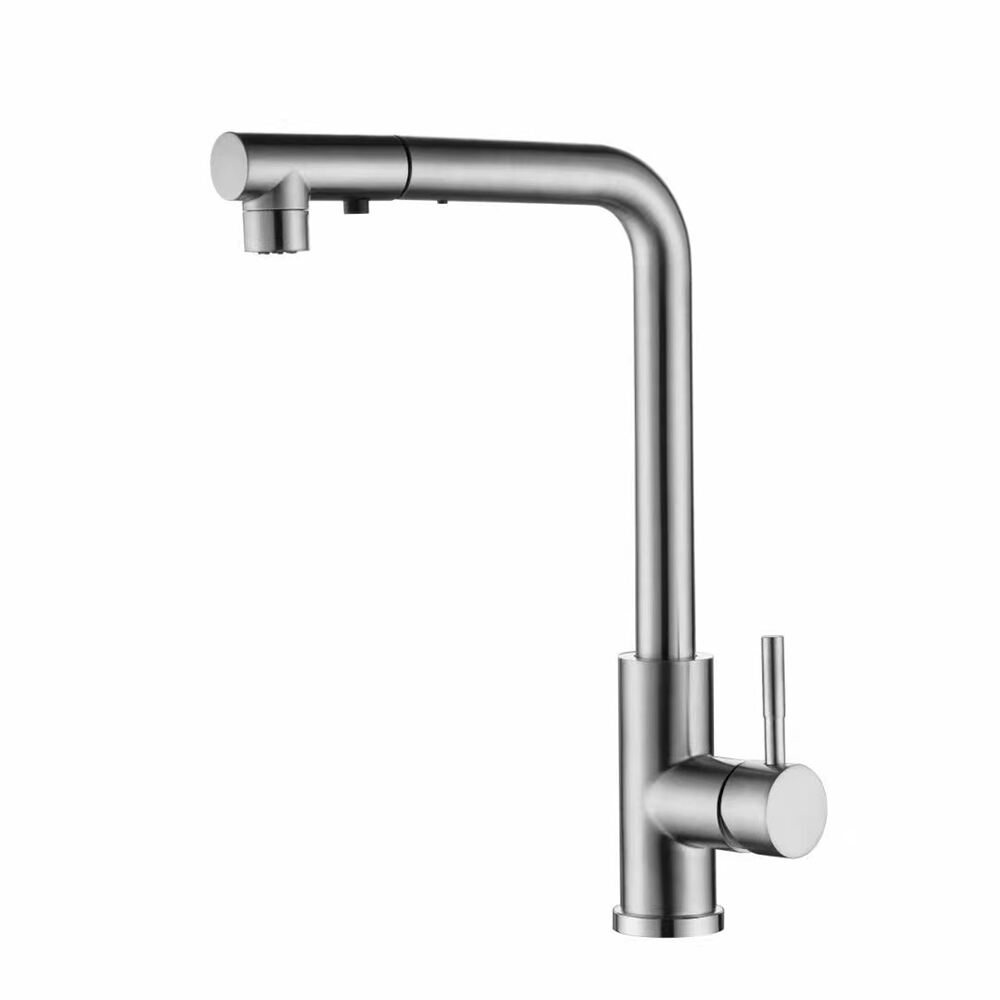
The modern kitchen is no longer a static environment. From food prep and dishwashing to filling large stockpots and rinsing produce, the demands placed on a kitchen faucet shift constantly throughout the day. Understanding how faucet systems are engineered to keep pace with these evolving needs is essential for anyone specifying fixtures for residential, commercial, or hospitality kitchens.
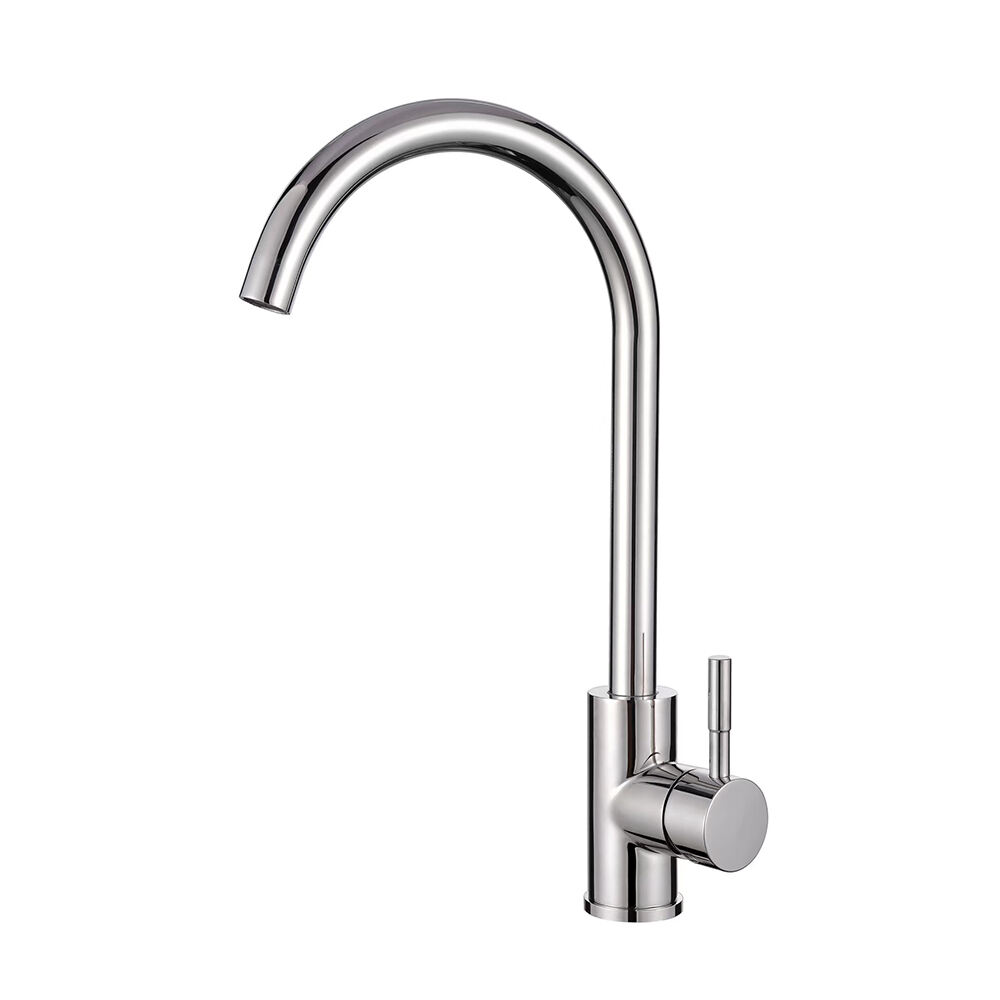
A well-designed faucet does far more than deliver water. It integrates ergonomic controls, flow management technology, and durable materials into a single fixture that must perform reliably across hundreds of daily interactions. As kitchen workflows become more complex and user expectations rise, the adaptability of the faucet system has become a key performance criterion rather than an afterthought.
The Core Design Principles Behind Adaptable Faucet Systems
Modular Functionality as a Foundation
Modern faucet design increasingly draws on modular thinking. Rather than serving a single fixed function, today's kitchen faucet is built to accommodate multiple use modes within one fixture. Pull-down spray heads, for instance, allow the user to switch between an aerated stream for filling and a wide spray pattern for rinsing with a single motion.
This modular approach means that the faucet can adapt to the task at hand without requiring the user to change fixtures or adjust external components. A chef rinsing delicate herbs benefits from a gentle spray setting, while the same faucet delivers a focused, high-pressure stream when clearing a heavily soiled pot.
The internal valve architecture also plays a critical role. Ceramic disc cartridges, now standard in high-quality faucet products, allow precise incremental adjustments to both flow and temperature, enabling users to dial in exactly the water delivery they need for any given kitchen task.
Ergonomic Controls Designed for Variable Workflows
The physical interface of the faucet matters enormously in busy kitchen environments. Single-lever handles allow one-handed operation, freeing the other hand to manage food or cookware. This ergonomic configuration is not a luxury feature — it is a functional response to the realities of how kitchens operate.
Tall gooseneck spout designs extend the faucet's reach, making it easier to maneuver large pots and baking sheets beneath the stream without splashing or obstruction. This spatial adaptability directly addresses one of the most common usage frustrations in kitchen environments: inadequate clearance between the spout and the sink basin.
Some contemporary faucet models incorporate touch or touchless activation, which adds another layer of adaptability. When hands are contaminated with raw ingredients, activating the faucet without physical contact reduces cross-contamination risk and keeps the fixture cleaner between uses — a practical adaptation to the hygiene demands of modern kitchen practice.
Material and Finish Durability Supporting Long-Term Adaptability
Stainless Steel Construction and Structural Reliability
A faucet that cannot maintain its performance over time is not truly adaptable — it simply degrades under changing demands. This is why material choice is so central to faucet system adaptability. SUS304 stainless steel has become a preferred construction material precisely because it resists corrosion, handles thermal cycling, and maintains structural integrity under heavy daily use.
The internal components of a high-quality faucet must withstand years of repeated valve actuation, temperature fluctuation, and water pressure variation. Low-grade alloy components are prone to mineral buildup, seal degradation, and micro-cracking — all of which compromise the faucet's ability to adapt cleanly to changing demands over its service life.
From a B2B specification perspective, selecting a faucet built from food-safe, corrosion-resistant stainless steel is not just about longevity. It is about ensuring that the fixture can maintain its full range of functional capabilities without performance degradation as kitchen usage patterns evolve.
Surface Finishes That Respond to Changing Aesthetic and Hygiene Standards
Kitchen design trends evolve, and faucet finishes must be durable enough to remain presentable throughout these shifts. Brushed nickel, matte black, and polished chrome finishes all serve different aesthetic contexts, but their practical durability is what determines how well the faucet adapts to the visual demands of the kitchen environment over time.
Physical vapor deposition (PVD) coating technology has transformed faucet finish durability. PVD-coated surfaces resist scratching, tarnishing, and chemical degradation far better than conventional electroplated finishes, meaning the faucet maintains both its appearance and its hygienic surface properties through years of active use.
In commercial kitchen settings, where regulatory hygiene requirements can change and cleaning chemical protocols may be updated, a faucet with a chemically resistant finish provides a meaningful operational advantage. The fixture continues to adapt — maintaining compliance and cleanliness — without requiring premature replacement.
Flow Control and Water Management Adaptations
Adjustable Flow Rates for Different Kitchen Tasks
Not every kitchen task requires the same water volume. Filling a large stockpot demands maximum flow, while rinsing a single piece of fruit or washing a delicate utensil benefits from a reduced, controlled stream. An adaptable faucet system provides intuitive control over flow rate, allowing the user to calibrate delivery to the precise need of each task.
Aerators embedded in the spout of a modern faucet serve a dual function: they reduce actual water consumption by mixing air into the stream while maintaining the perception of full, pressurized flow. This efficiency-oriented adaptation allows kitchens to reduce water costs without sacrificing usability — a balance that matters in both residential and commercial contexts.
Pressure-compensating cartridges represent a further adaptation. In buildings where water pressure fluctuates — common in older commercial properties or multi-story residential developments — a pressure-compensating faucet maintains consistent flow delivery regardless of supply pressure variation. This prevents frustrating performance inconsistencies and protects downstream fixtures from pressure shock.
Temperature Response and Safety Adaptation
Temperature control is another dimension along which the kitchen faucet must adapt. In households with young children or elderly users, thermostatic mixing valves integrated into the faucet system prevent scalding by limiting maximum delivery temperature. This is not merely a convenience feature — it is a safety adaptation that changes the faucet's risk profile for vulnerable users.
In professional kitchen environments, rapid temperature switching is often required. A cook may need cold water immediately after working with hot materials, or may require a specific warm temperature for proofing dough or tempering chocolate. The responsiveness of the faucet's mixing mechanism directly determines how quickly and accurately these temperature transitions can be executed.
High-quality ceramic cartridge valves in a professional-grade faucet provide near-instantaneous temperature response with minimal overshoot, allowing kitchen staff to adapt their water delivery in real time without waiting for thermal lag to resolve. This responsiveness is a genuine operational efficiency gain in high-volume kitchen environments.
Installation Flexibility and Future-Proofing Faucet Systems
Deck Configuration and Sink Compatibility
Kitchen configurations vary enormously. A faucet that is limited to a single installation configuration cannot truly adapt to the diverse environments in which kitchens are built or renovated. Modern faucet systems are often designed with flexible deck plate options, allowing installation in one-hole or three-hole sink configurations without requiring a different model.
Supply line flexibility also contributes to installation adaptability. Braided stainless steel supply hoses with standardized fittings allow the faucet to connect easily to existing plumbing infrastructure regardless of local pipe sizing conventions, reducing the need for custom adapters and simplifying retrofit installations.
For kitchen renovation projects, this installation flexibility means that the faucet can be retained and repositioned even when the sink or countertop configuration changes. Rather than treating the fixture as disposable, this approach recognizes the faucet as a long-term investment that should adapt to evolving spatial layouts.
Scalability for Changing Household or Business Needs
A kitchen's usage intensity can change significantly over time. A household that grows, a restaurant that expands its seating, or a catering operation that scales up will all place greater demands on its faucet infrastructure. Choosing a faucet rated for high cycle counts and built with replaceable internal components ensures that the fixture can scale with these changing demands.
Serviceable faucet systems allow individual components — cartridges, aerators, spray heads — to be replaced without changing the entire fixture. This approach to modularity extends the faucet's functional lifespan and allows it to be upgraded incrementally as new features become available or as usage requirements shift.
From a procurement and facilities management perspective, specifying a serviceable, modular faucet system reduces total cost of ownership and minimizes operational disruption. The ability to swap a worn cartridge in minutes, rather than replacing the entire fixture, is a practical adaptability advantage that compounds in value as kitchen operations mature.
FAQ
What makes a faucet suitable for high-frequency commercial kitchen use?
A faucet intended for commercial kitchen use should feature a ceramic disc cartridge rated for high cycle counts, construction from food-safe stainless steel or brass, and a finish that resists chemical cleaners. Pull-down or pull-out spray functionality and single-lever operation further improve usability under high-demand conditions.
How does a faucet adapt to different water pressure conditions?
Pressure-compensating internal valves allow a faucet to maintain consistent flow output even when inlet water pressure fluctuates. This is particularly valuable in multi-story buildings or older plumbing systems where pressure variation is common. Choosing a faucet with this feature eliminates inconsistent performance across different times of day or under peak demand conditions.
Can a single faucet handle both food preparation and cleaning tasks effectively?
Yes. A multifunction faucet with switchable spray modes — typically a standard aerated stream and a wider rinse spray — can address both food preparation and cleanup needs from a single fixture. The key is that the faucet provides intuitive mode switching, adequate spout reach, and sufficient flow rate to handle both light and heavy-duty water delivery tasks.
How important is the faucet material for long-term kitchen adaptability?
Material quality is foundational to long-term faucet adaptability. A faucet constructed from SUS304 stainless steel resists corrosion, handles thermal stress, and maintains structural integrity far longer than lower-grade alloy alternatives. This durability ensures that the faucet continues to perform its full range of functions reliably as kitchen usage patterns change over the years.