EN
EN


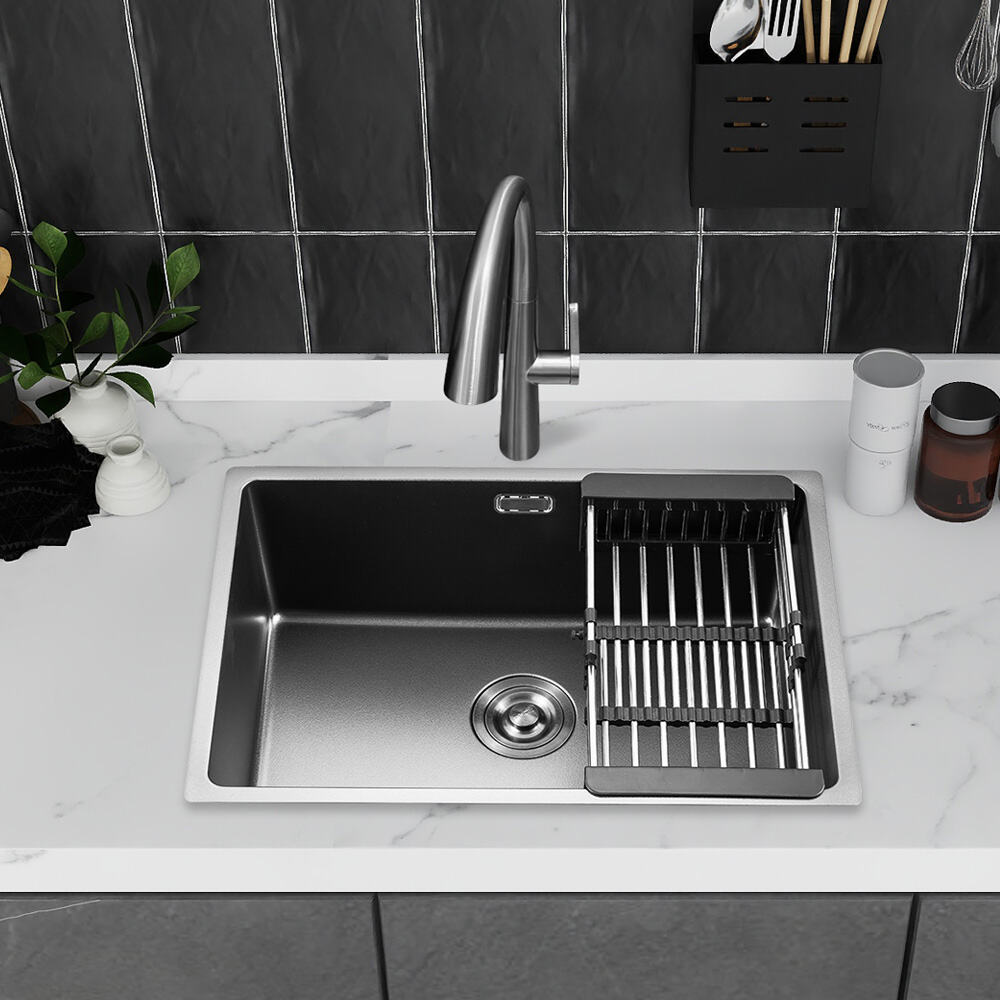
The kitchen sink is often treated as a simple fixture, yet its configuration plays a surprisingly decisive role in how efficiently daily kitchen tasks get completed. Whether in a residential setting or a commercial food preparation environment, the layout, depth, bowl count, accessory integration, and material quality of a kitchen sink directly influence workflow speed, hygiene standards, and user comfort. Overlooking these factors at the planning stage can lead to persistent operational bottlenecks that are costly and inconvenient to fix after installation.

Understanding why kitchen sink configuration matters requires looking beyond aesthetics and into the practical mechanics of kitchen task flow. From washing produce and rinsing utensils to managing waste disposal and maintaining cleanliness between cooking stages, the kitchen sink acts as the central hub of kitchen operations. A well-configured kitchen sink reduces unnecessary movement, minimizes cross-contamination risks, and supports a seamless transition between tasks. This article explores the key reasons why configuration is not a secondary concern but a primary driver of kitchen efficiency.
The Role of Kitchen Sink Layout in Daily Task Flow
How Bowl Configuration Shapes Work Patterns
The number and arrangement of bowls in a kitchen sink fundamentally determines how multiple tasks can be handled simultaneously. A single-bowl configuration maximizes basin depth and usable interior space, making it ideal for soaking large pots, washing oversized cutting boards, or accommodating bulky cookware. In contrast, a double-bowl layout allows users to separate tasks such as washing and rinsing, or keeping clean items isolated from those still being scrubbed.
For kitchens where food preparation volume is high, the ability to run parallel operations within the kitchen sink is not a luxury but a necessity. A chef preparing multiple courses, for instance, needs a dedicated zone for produce washing that does not interfere with the area used for dishware. The bowl configuration directly governs whether this kind of task parallelism is even possible within the existing counter footprint.
Choosing the right bowl layout also affects how fatigue accumulates over a working session. A poorly dimensioned kitchen sink forces users to adopt awkward postures, bend excessively, or reposition items repeatedly. A properly configured kitchen sink, by contrast, supports a natural ergonomic posture that reduces physical strain during extended use.
Positioning and Counter Integration Considerations
Where the kitchen sink is positioned relative to the stove, refrigerator, and prep surfaces directly affects the efficiency of the classic kitchen work triangle. Ideally, the kitchen sink should sit within easy reach of both the primary prep zone and the cooking surface so that food, water, and waste can be managed without excessive cross-kitchen movement. Poor positioning adds steps to every task cycle, which compounds into significant time waste over the course of a day.
Counter-integrated features such as built-in drain boards, colander recesses, and soap dispenser slots further amplify the functional output of a kitchen sink. When these components are thoughtfully incorporated into the sink design rather than added as afterthoughts, they allow users to keep the immediate workspace organized without sacrificing counter space. This is particularly relevant in compact kitchens where every square centimeter carries operational weight.
Material and Build Quality as Efficiency Enablers
Why Stainless Steel Remains the Professional Standard
Material selection for a kitchen sink is not merely an aesthetic decision. The material affects durability, hygiene maintenance, noise levels, and long-term performance under thermal and mechanical stress. Stainless steel, especially SUS304 grade, is widely regarded as the optimal material for kitchen sinks in both residential and commercial settings because it balances corrosion resistance, surface hygiene, structural integrity, and visual neutrality.
SUS304 stainless steel contains a carefully controlled chromium and nickel content that creates a passive oxide layer on the surface, effectively resisting rust, staining, and bacterial adhesion. This property is critically important in a kitchen environment where the kitchen sink is continuously exposed to water, food acids, cleaning chemicals, and temperature variation. A surface that resists contamination buildup requires less scrubbing and drying effort, which translates directly into faster task turnover.
Gauge thickness also matters significantly. A thicker gauge stainless steel kitchen sink resists deformation under heavy loads, dampens vibration and noise from water impact and dishware contact, and holds its shape over years of heavy use. Thinner gauge alternatives may reduce upfront cost but introduce operational inefficiencies through noise distraction, surface warping, and more frequent maintenance requirements.
Surface Finish and Long-Term Maintenance Impact
The surface finish of a kitchen sink affects not only appearance but also how quickly and easily it can be cleaned between tasks. Brushed or satin finishes on stainless steel are particularly effective at masking fine scratches that accumulate with normal use, which helps the sink maintain a clean appearance without constant polishing. Mirror finishes, while visually striking, require more diligent maintenance to prevent visible water spots and fingerprints from interfering with a professional kitchen environment.
A well-maintained kitchen sink surface also reduces the risk of bacterial harboring in micro-scratches or crevices. In settings where food safety compliance is essential, this factor alone can justify investing in a higher-quality kitchen sink with a durable, easy-clean surface. The cumulative time saved on cleaning and surface restoration over the lifespan of the sink represents a genuine operational cost saving.
Integrated Accessories and Their Impact on Workflow
The Value of Built-In Colanders and Drainage Systems
A kitchen sink that includes an integrated colander system delivers a meaningful workflow advantage. Rather than relying on a separate colander that must be placed, removed, cleaned, and stored separately, a built-in colander allows users to strain vegetables, pasta, or other foods directly within the sink basin without interrupting the overall task sequence. This integration eliminates at least one object from the counter and one handling step from the preparation workflow.
Advanced drainage systems with controlled flow rates also contribute to task efficiency. A well-engineered drain assembly in a kitchen sink prevents water pooling during active use, ensures that waste water clears quickly, and reduces the risk of backflow contamination. In busy kitchens, slow drainage creates downtime between tasks as users wait for the basin to clear before beginning the next operation.
The physical placement and size of the drain in relation to the bowl geometry also affects how completely the basin can be cleaned. A drain positioned at the rear or off-center relative to the basin slope ensures that water naturally flows toward the outlet without residual pooling at the front, minimizing the manual effort needed to clear the sink between uses.
Soap Dispensers and Hygiene Efficiency
An integrated soap dispenser mounted directly on the kitchen sink deck eliminates the need for a separate bottle on the counter, reducing clutter and improving reach efficiency. During active food preparation or dishwashing, having soap accessible without moving away from the sink position saves time and prevents cross-contamination from touching a freestanding bottle that may have residue on its exterior.
In high-hygiene environments, the speed and ease of hand and utensil washing has a direct impact on compliance rates. If the process of accessing soap requires extra steps or interrupts the natural task rhythm, users are more likely to skip or shorten the washing process. A kitchen sink with a factory-mounted soap dispenser removes this friction point and supports better hygiene practices without adding complexity to the workflow.
Refillable dispenser systems also reduce waste and packaging compared to disposable soap bottles. For commercial kitchens concerned with both efficiency and sustainability benchmarks, this small design choice has compounding benefits over time. It keeps the immediate kitchen sink environment cleaner and more organized while supporting broader operational standards.
Sizing and Depth Matching to Task Demands
Matching Basin Depth to the Types of Items Being Washed
Basin depth is one of the most commonly underestimated parameters when specifying a kitchen sink. A basin that is too shallow forces users to tilt large items such as sheet pans, stockpots, or woks at awkward angles to fit them under the faucet, which increases the risk of water splashing onto the counter and floor and requires additional cleanup time. A deeper basin accommodates these items naturally and keeps the immediate work area dry and organized.
However, a basin that is excessively deep without matching counter height adjustment can create ergonomic problems of a different kind. Reaching down into an overly deep kitchen sink places strain on the lower back and shoulders over extended periods. The optimal depth depends on the counter height, the primary user's body dimensions, and the typical size of items being processed in that particular kitchen environment.
Commercial kitchen specifications typically favor deeper basins because the volume and scale of items being washed justifies the depth, and counter heights are often customized to match. In residential kitchens, a balanced depth that accommodates everyday dishwashing and occasional large-item cleaning without requiring excessive reach is generally the more practical choice.
Overall Sink Dimensions Relative to Counter and Cabinet Space
The external dimensions of a kitchen sink must be matched carefully to the available cabinet opening and counter cutout to ensure a flush, stable installation with no gaps or stress points. An imprecise fit not only affects appearance but can compromise the structural support of the sink under load, which over time leads to joint failures, water infiltration into the cabinet below, and potential structural damage to the surrounding counter material.
Planning the kitchen sink dimensions as part of the initial kitchen layout rather than as a late-stage specification decision allows for a more cohesive integration with adjacent fixtures and appliances. Designers who account for sink size early can optimize the work triangle, ensure adequate counter space on both sides of the sink for staging and drying, and select cabinetry that provides full support beneath the basin.
FAQ
Why does kitchen sink configuration affect food preparation efficiency?
The configuration of a kitchen sink determines how many tasks can be managed simultaneously, how quickly the basin clears between operations, and how naturally the user can move between the sink and adjacent work surfaces. A well-configured kitchen sink reduces unnecessary movement, supports ergonomic posture, and keeps the workflow continuous rather than interrupted by equipment limitations.
What makes a multi-function kitchen sink better for task management?
A multi-function kitchen sink integrates components such as colanders, soap dispensers, and advanced drain systems directly into the sink unit, eliminating the need for separate accessories that take up counter space and add handling steps to each task. This integration keeps the workflow tight and the workspace organized, which directly reduces preparation time and cleanup effort.
How does material quality influence kitchen sink performance over time?
Material quality affects corrosion resistance, surface hygiene, structural durability, and maintenance requirements. A high-grade stainless steel kitchen sink maintains its surface integrity under continuous exposure to water, heat, and cleaning agents, requiring less maintenance and retaining its hygienic properties longer than lower-grade alternatives. This translates into sustained efficiency without the performance degradation that comes from surface deterioration.
Is a single-bowl kitchen sink suitable for high-volume task environments?
A single-bowl kitchen sink can be highly effective in high-volume environments when properly configured with generous basin depth, an integrated colander, and optimized drain placement. The single bowl maximizes usable interior space for large items while accessories handle the task-separation functions that a second bowl would otherwise serve. The suitability depends on the specific task mix and volume rather than on bowl count alone.