EN
EN


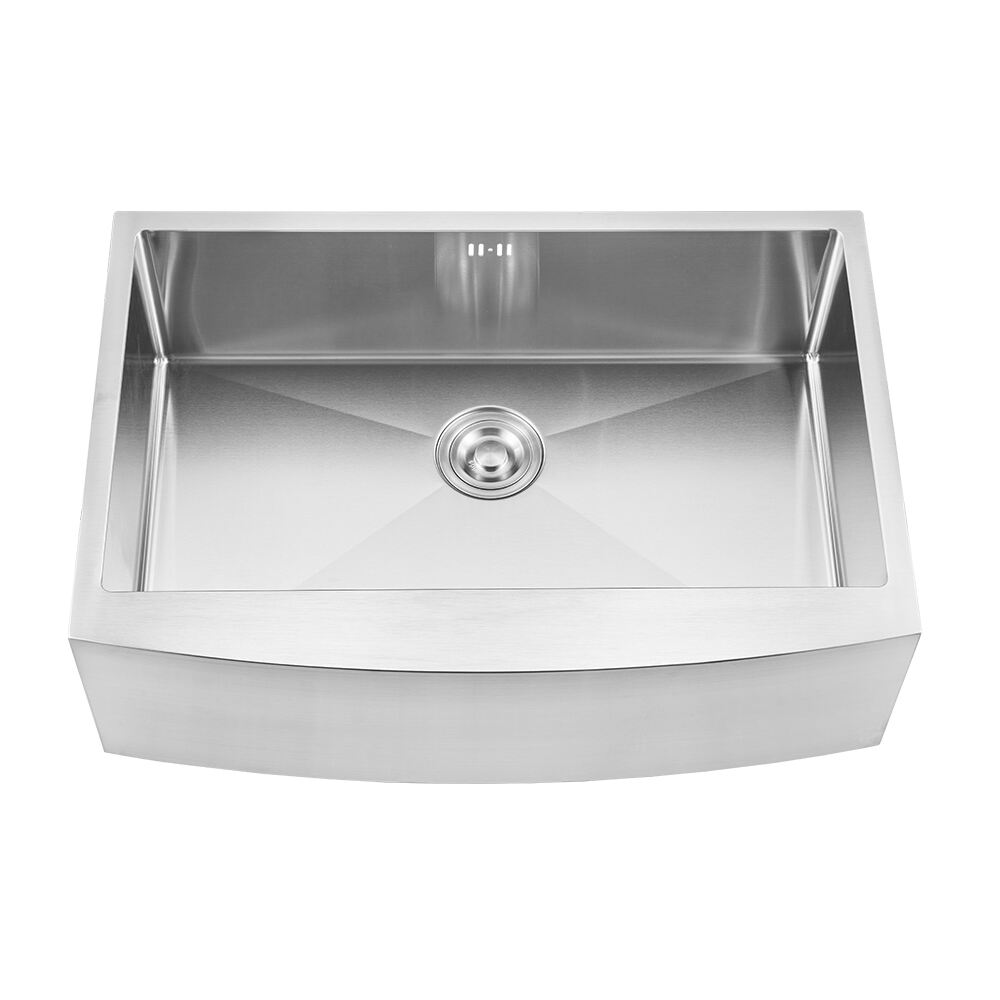
Choosing the right kitchen sink for a high-use environment is not simply a matter of aesthetics or price. The material from which a kitchen sink is constructed plays a central role in determining how well it resists daily punishment, how long it maintains its appearance, and whether it continues to perform reliably under constant pressure. In commercial kitchens, busy households, and institutional food preparation spaces, the stakes around material selection are exceptionally high — and the consequences of a poor choice become visible very quickly.
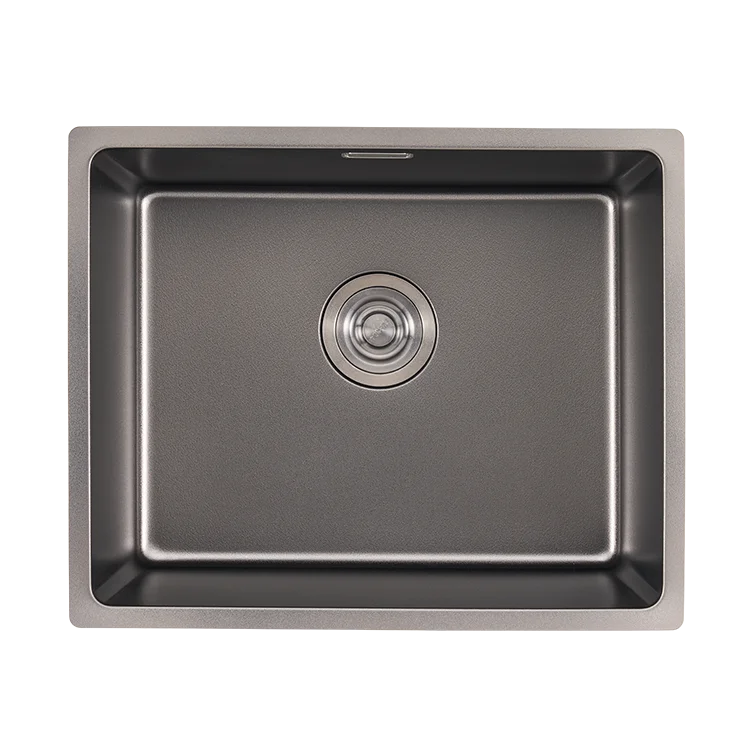
The relationship between kitchen sink materials and durability is multidimensional. It involves resistance to physical impact, corrosion, heat, staining, scratching, and the chemical effects of cleaning agents used repeatedly over years of service. Understanding how different materials respond to these stressors empowers buyers, designers, and facility managers to make smarter decisions that reduce long-term costs and maintenance burdens. This article examines the key material types, their durability profiles, and what makes one kitchen sink a better investment than another in demanding use settings.
The Role of Material in Kitchen Sink Longevity
Why Material Choice Matters More in High-Use Environments
A kitchen sink that sees moderate residential use is exposed to perhaps a few dozen contacts per day. A commercial or high-volume residential kitchen sink, by contrast, may face hundreds of interactions daily — heavy pots dropped into the basin, high-temperature water and steam, aggressive scrubbing, industrial detergents, and continuous moisture cycles. Under these conditions, a material that performs acceptably in light use may degrade rapidly, showing scratches, discoloration, rust, or structural fatigue far earlier than expected.
Material durability in a kitchen sink is not a single metric. It encompasses hardness, tensile strength, thermal stability, surface integrity, and resistance to chemical attack. Each material type exhibits a distinct profile across these dimensions. Buyers who evaluate only initial cost often find themselves replacing a kitchen sink far sooner than they anticipated, which drives up the true lifecycle cost. A durable kitchen sink made from the right material is a long-term asset, not merely a utility fixture.
High-use settings also tend to expose weaknesses in manufacturing quality. A kitchen sink made from a superior material but finished poorly can develop surface cracks, pitting, or delamination that allow moisture and bacteria to penetrate. This makes the interplay between material quality and manufacturing precision critically important when durability is the primary concern.
Key Durability Metrics for Evaluating Kitchen Sink Materials
When comparing kitchen sink materials for durability, the most relevant metrics include scratch resistance, impact resistance, resistance to thermal shock, stain and corrosion resistance, and the ability to retain surface finish over time. These metrics are not equally weighted in every application. A kitchen sink in a professional food service environment may prioritize hygiene and corrosion resistance above all else, while a family kitchen may emphasize scratch resistance and visual longevity.
Thermal shock resistance matters significantly in kitchen environments where water temperature varies widely and rapidly — for example, when boiling liquids are poured directly into a cool basin. Materials that expand and contract unevenly under thermal stress can develop microfractures over time, compromising both structure and hygiene. Understanding each material's thermal behavior is therefore an important part of kitchen sink selection for high-use contexts.
Long-term surface retention is another underappreciated metric. A kitchen sink that starts with a polished or matte finish but loses that finish through normal use becomes harder to clean, more likely to harbor bacteria, and aesthetically unacceptable in professional or upscale residential settings. Durable materials maintain their surface characteristics for years, even under intensive use and cleaning regimes.
Stainless Steel as a High-Use Kitchen Sink Material
Why Stainless Steel Dominates Commercial Environments
Stainless steel is the most widely used material for kitchen sink applications in commercial and high-traffic environments, and for compelling reasons. Its combination of corrosion resistance, hygienic surface properties, structural strength, and ease of fabrication makes it uniquely well-suited to demanding conditions. Food-grade stainless steel grades, particularly SUS304, contain chromium and nickel content that creates a passive oxide layer on the surface — a self-repairing protective barrier that resists rust, staining, and chemical attack.
A kitchen sink constructed from SUS304 stainless steel is non-porous, which means it does not absorb moisture, food particles, or bacteria into its surface structure. This is especially important in high-use commercial kitchens where food safety regulations require surfaces that can be sanitized effectively and repeatedly. Unlike some other materials, stainless steel does not react with acidic foods, alkaline cleaning chemicals, or high-chlorine sanitizers at the concentrations typically used in food service operations.
The gauge — or thickness — of the stainless steel used in a kitchen sink also influences its durability profile significantly. Heavier gauge steel absorbs impact more effectively, resists denting, and produces less resonant sound when items are placed in the basin. Thinner gauges, while cheaper, are more susceptible to deformation under the weight of heavy cookware and may develop stress points near drain openings or mounting hardware over time.
Scratch Resistance and Surface Treatments in Stainless Steel Sinks
One of the traditional criticisms of stainless steel as a kitchen sink material is its susceptibility to visible surface scratches. In high-use settings, constant contact with metal cookware, utensils, and cleaning pads can leave fine surface marks that accumulate into a patina of wear. However, modern manufacturing techniques have significantly improved the scratch resistance of stainless steel kitchen sink products through specialized surface treatments and finishing processes.
Premium scratch-resistant surface treatments on a stainless steel kitchen sink use micro-textured or brushed finishes that effectively camouflage minor surface abrasions and prevent them from becoming visually prominent. These treatments also improve cleaning performance, since a textured matte surface tends to shed water and food residue more effectively than a high-gloss polished finish. For high-use settings, a brushed or satin finish kitchen sink is generally more practical and visually forgiving than a mirror-polished surface.
Some advanced kitchen sink products incorporate surface hardening treatments or additional nano-coating layers that increase Vickers hardness ratings and further reduce the tendency for fine scratching. These innovations are particularly relevant for institutional and commercial buyers who need their kitchen sink installations to remain presentable and hygienic through years of continuous heavy use without requiring frequent polishing or resurfacing.
Alternative Materials and Their Durability Profiles
Cast Iron and Fireclay in High-Use Settings
Cast iron kitchen sink products, typically coated with a layer of porcelain enamel, offer impressive mass and substantial resistance to flexing and resonance. The enamel coating provides a hard, glossy surface that resists staining and is easy to clean under normal conditions. However, the enamel layer itself is the critical vulnerability. Once chipped — which can occur when heavy metal objects are dropped forcefully — the exposed cast iron beneath is highly susceptible to rust. In a high-use kitchen environment, this risk is magnified considerably.
Fireclay kitchen sink products share a similar enamel-based surface vulnerability. While fireclay is extremely hard and resistant to scratching from normal kitchen tools, it is brittle and can crack under severe impact. The thermal mass of fireclay is high, meaning it takes a long time to reach water temperature — a minor inconvenience in residential use that can become a practical issue in fast-paced commercial settings. For sustained high-use environments, both cast iron and fireclay carry maintenance risks that stainless steel largely avoids.
Composite and Granite Sink Materials Under Pressure
Composite kitchen sink materials — typically quartz or granite particles bound in a resin matrix — offer good visual versatility and reasonable durability for residential use. They resist scratching well and provide a non-metallic aesthetic that complements certain kitchen design directions. However, composite kitchen sink products are sensitive to high-temperature exposure. Sustained contact with very hot cookware can cause surface discoloration, cracking in the resin matrix, or a dulling of the surface finish that is difficult or impossible to reverse.
In high-use commercial or institutional kitchen environments, where boiling water and hot cookware are routine, composite materials carry a measurable risk of thermal damage over time. The resin component can also degrade with repeated exposure to harsh industrial cleaners or high-concentration disinfectants, which are commonly required in regulated food service environments. These limitations do not make composite materials unsuitable for all kitchen sink applications, but they do restrict their fitness for the most demanding operational settings.
Acrylic and solid-surface materials occupy the lower end of the durability spectrum for a kitchen sink in high-use contexts. While they offer design flexibility and competitive pricing, they scratch relatively easily, are susceptible to thermal deformation, and degrade faster than either stainless steel or stone-based materials when subjected to industrial cleaning chemicals. These materials are better suited to light residential use than to environments where the kitchen sink is under sustained operational stress.
Surface Finish, Gauge, and Construction Quality as Durability Factors
The Influence of Steel Gauge on Kitchen Sink Performance
Beyond the choice of raw material, the specific construction specifications of a kitchen sink have a profound effect on its real-world durability. For stainless steel products, the gauge of the steel sheet is one of the most consequential variables. Lower gauge numbers indicate thicker steel — a 16-gauge kitchen sink uses steel approximately 1.5 mm thick, while an 18-gauge product uses approximately 1.2 mm thick steel. In high-use environments, the additional thickness of a 16-gauge kitchen sink translates into significantly better resistance to denting, improved structural rigidity, and a reduction in the noise generated by water and cookware contact.
Thicker steel also performs better around drain openings and basin corners, which are stress concentration points in any kitchen sink design. In high-use commercial settings, these areas are particularly prone to fatigue cracking in thinner-gauge products. Investing in a heavier-gauge kitchen sink upfront reduces the risk of structural failure and extends the installation lifecycle substantially in settings where daily use is intensive and uninterrupted.
Weld Quality, Reinforcement, and Sound Insulation
The durability of a kitchen sink also depends heavily on the quality of its weld seams and the presence of structural reinforcement features. A kitchen sink with precisely welded seams at the basin corners and rim transitions resists moisture ingress and structural separation over time. Poorly welded joints are a common failure point in cheaper kitchen sink products, allowing water to migrate behind the sink and cause cabinet or countertop damage in addition to compromising the sink's structural integrity.
Sound insulation padding applied to the underside of a stainless steel kitchen sink serves a dual purpose. Acoustically, it reduces the resonant noise that makes stainless steel basins objectionable in some environments. Structurally, it adds mass and rigidity to the sink base, reducing the tendency for thin-gauge steel to flex under load. In high-use settings, this combination of acoustic and structural reinforcement contributes meaningfully to the long-term durability and user experience of the kitchen sink installation.
Anti-condensation coatings on the exterior of a stainless steel kitchen sink are another quality indicator worth examining. In environments where temperature differentials between the sink interior and the surrounding cabinet space are significant, condensation can accumulate and cause moisture damage to cabinetry and substructures. Quality kitchen sink products address this issue directly with factory-applied anti-condensation treatments that protect the surrounding installation.
Selecting the Right Kitchen Sink Material for Your Setting
Matching Material Properties to Operational Demands
The process of selecting a kitchen sink for a high-use setting should begin with a clear assessment of the specific operational demands it will face. A commercial food service environment handling high volumes of pots, pans, and industrial cleaning cycles demands different material properties than a high-traffic residential kitchen in a family home. The former prioritizes corrosion resistance, hygiene certification compliance, and structural robustness. The latter may weight scratch resistance, visual longevity, and noise performance more heavily.
For virtually all high-use settings, food-grade stainless steel remains the most defensible choice when durability is the primary criterion. It combines the broadest range of desirable properties — corrosion resistance, hygienic surface behavior, structural strength, thermal stability, and long-term surface maintainability — in a single material package. A well-constructed stainless steel kitchen sink of appropriate gauge and surface treatment will consistently outperform alternatives over a five-to-ten year service horizon in demanding environments.
Long-Term Cost Considerations in Kitchen Sink Material Selection
When evaluating the total cost of a kitchen sink installation, purchase price should be considered alongside anticipated maintenance costs, replacement frequency, and operational disruption risk. A kitchen sink made from a lower-cost material that requires replacement every three to four years in a high-use commercial setting generates significantly higher lifecycle costs than a premium stainless steel product that maintains its performance and appearance for a decade or more.
Maintenance costs also factor into this equation. A kitchen sink that requires periodic resurfacing, specialized cleaning products, or careful handling protocols to maintain its performance imposes hidden operational costs that are easy to overlook at the point of purchase. Stainless steel kitchen sink products generally have lower maintenance requirements, are compatible with standard cleaning agents, and do not require protective treatments to sustain their surface properties under normal use conditions.
Sustainability considerations are increasingly relevant in institutional and commercial kitchen sink procurement. Materials with longer operational lifespans reduce the frequency of manufacturing and disposal cycles, lowering the environmental footprint of kitchen infrastructure over time. A durable, long-lived kitchen sink made from recyclable stainless steel is a more sustainable choice than a series of lower-cost replacements made from composite or acrylic materials with limited recyclability.
FAQ
What kitchen sink material lasts the longest in commercial high-use environments?
Stainless steel, particularly food-grade SUS304, consistently delivers the longest service life in commercial and high-use kitchen settings. Its combination of corrosion resistance, structural strength, and compatibility with industrial cleaning agents makes it the preferred material choice for food service professionals and institutional buyers who require reliable, low-maintenance performance over many years.
Does the gauge of a stainless steel kitchen sink affect its durability?
Yes, gauge has a significant effect on durability. Lower gauge numbers indicate thicker steel. A 16-gauge stainless steel kitchen sink is thicker and more resistant to denting, structural flexing, and stress concentration than an 18-gauge product. For high-use environments, selecting a lower-gauge kitchen sink is a worthwhile investment that contributes directly to longer service life and better impact resistance.
Can composite or granite kitchen sink materials handle heavy daily use?
Composite and granite kitchen sink materials perform reasonably well in moderate residential use, but they face limitations in high-use and commercial settings. Their sensitivity to thermal shock from very hot cookware or boiling water, combined with potential degradation from industrial cleaning chemicals, makes them less suitable than stainless steel when durability under sustained operational pressure is the primary concern.
How does surface finish affect the long-term durability of a kitchen sink?
Surface finish influences both the visual durability and the functional hygiene of a kitchen sink over time. A brushed or micro-textured finish on a stainless steel kitchen sink tends to camouflage fine surface scratches more effectively than a mirror-polished surface and can be easier to maintain in a presentable condition under heavy use. Premium scratch-resistant surface treatments further extend the period over which a kitchen sink retains its original appearance and cleanability.
Table of Contents
- The Role of Material in Kitchen Sink Longevity
- Stainless Steel as a High-Use Kitchen Sink Material
- Alternative Materials and Their Durability Profiles
- Surface Finish, Gauge, and Construction Quality as Durability Factors
- Selecting the Right Kitchen Sink Material for Your Setting
-
FAQ
- What kitchen sink material lasts the longest in commercial high-use environments?
- Does the gauge of a stainless steel kitchen sink affect its durability?
- Can composite or granite kitchen sink materials handle heavy daily use?
- How does surface finish affect the long-term durability of a kitchen sink?