EN
EN


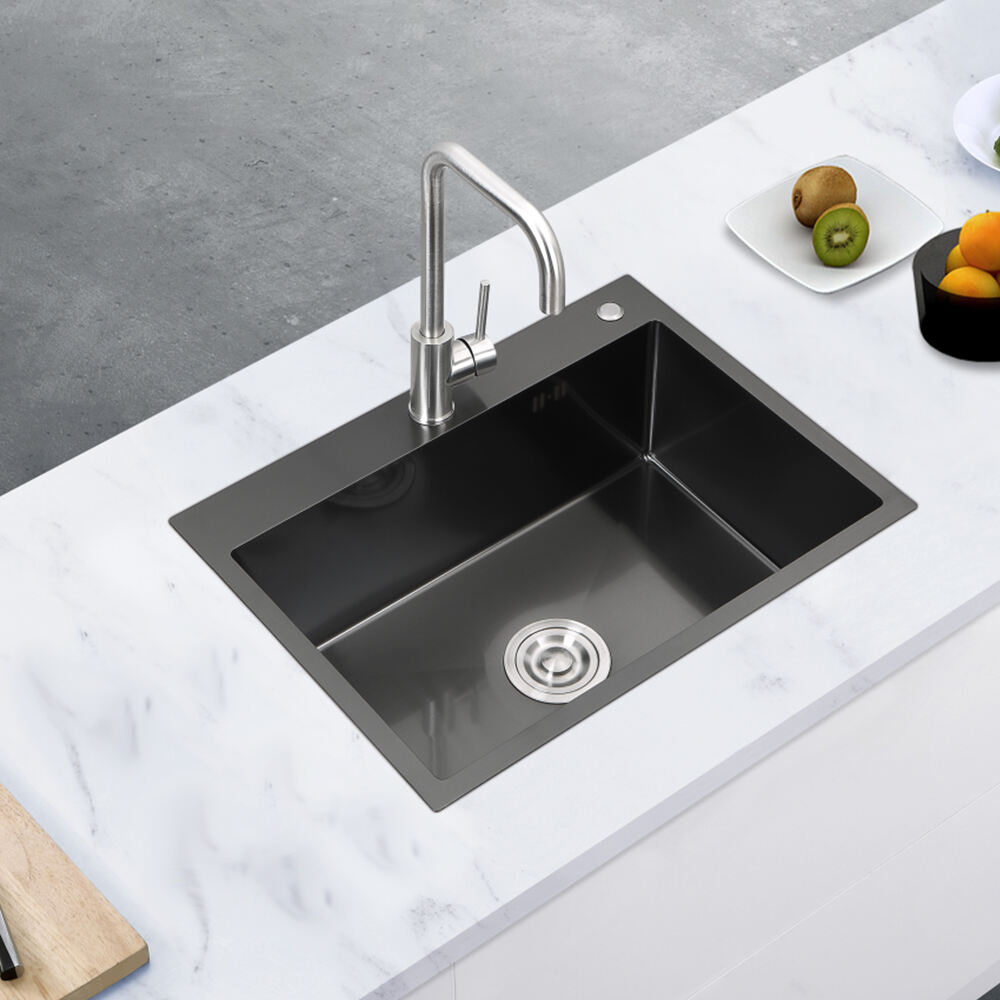
The depth of a kitchen sink is one of the most underestimated design decisions in any kitchen layout, yet it directly shapes how efficiently daily tasks get done. Whether you are rinsing vegetables, soaking large pots, or scrubbing cutting boards, the vertical space inside the basin determines how comfortably and quickly those tasks can be completed. Depth is not simply a matter of aesthetics or personal preference — it is a functional specification that affects water containment, ergonomics, and the overall workflow of food preparation and cleanup.

Understanding how kitchen sink depth interacts with your daily habits can help you make a more informed decision when selecting or upgrading your kitchen sink. A basin that is too shallow creates splashing, limits the size of items you can wash, and forces awkward postures. A basin that is too deep can strain your back and make it harder to reach the bottom comfortably. The right depth strikes a balance between capacity and usability, and that balance has measurable consequences for how efficiently your kitchen operates every single day.
The Functional Role of Basin Depth in a Kitchen Sink
How Depth Controls Water Containment and Splash
One of the most immediate effects of kitchen sink depth is how well the basin contains water during use. A shallow kitchen sink — typically anything under 6 inches — tends to allow water to splash over the rim when filling large pots or rinsing items under a running faucet. This creates wet countertops, increases cleanup time, and can contribute to water damage around the sink area over time. A deeper basin acts as a natural barrier, keeping water where it belongs and reducing the frequency of wiping down surrounding surfaces.
In commercial and high-use residential kitchens, a kitchen sink with a depth of 9 to 10 inches is often preferred precisely because it handles high water volumes without overflow risk. The deeper the basin, the more forgiving it is when filling large stockpots or running water at higher pressure. This containment function is especially relevant in food preparation environments where speed matters and interruptions for cleanup reduce overall efficiency.
It is also worth noting that the relationship between depth and faucet height plays a role here. A kitchen sink with a deep basin paired with a high-arc faucet can actually increase splash if the water stream falls from too great a height. Matching basin depth with appropriate faucet design is part of optimizing the full system, not just the sink in isolation.
Capacity for Large Items and Batch Washing
A deeper kitchen sink dramatically expands the range of items you can wash without difficulty. Large roasting pans, woks, sheet trays, and stockpots often cannot be fully submerged or even properly rinsed in a shallow basin. When the kitchen sink lacks sufficient depth, users are forced to tilt and rotate large cookware awkwardly, which slows down the process and increases the risk of dropping or damaging items.
For households or food businesses that regularly handle large-format cooking, a kitchen sink with a depth of at least 8 to 10 inches provides the clearance needed to soak, scrub, and rinse oversized items in a single pass. This reduces the number of steps required to clean each item and shortens the total time spent at the sink during post-cooking cleanup. Efficiency in this context is directly tied to how much the basin can accommodate in a single session.
Batch washing — rinsing multiple vegetables, fruits, or utensils at once — also benefits from greater depth. A deeper kitchen sink allows you to fill the basin with water and wash several items simultaneously rather than processing them one at a time under a running tap. This approach conserves water and reduces preparation time, both of which matter in professional and high-volume home cooking environments.
Ergonomics and Physical Comfort at the Kitchen Sink
The Back Strain Problem with Excessive Depth
While depth improves capacity and containment, there is a point at which a kitchen sink becomes too deep for comfortable use. When the basin floor sits more than 10 to 12 inches below the countertop surface, users must bend forward significantly to reach the bottom. This forward lean places strain on the lower back and shoulders, particularly during extended periods of washing or preparation. Over time, this posture contributes to fatigue and discomfort, which reduces the willingness to use the sink efficiently.
The ergonomic threshold for kitchen sink depth depends on the height of the user and the height of the countertop. Standard countertop height in most kitchens is around 36 inches. For an average-height adult, a kitchen sink depth of 8 to 9 inches typically allows comfortable access to the basin floor without excessive bending. Taller users may tolerate slightly deeper basins, while shorter users may find even 8 inches challenging if the countertop is on the higher end of the standard range.
In kitchen design for commercial settings or accessible environments, this ergonomic consideration becomes even more critical. A kitchen sink that causes physical discomfort will slow down workers, increase error rates, and contribute to long-term health issues. Selecting the right depth is therefore not just a comfort decision — it is a productivity and safety decision.
Reach and Workflow Efficiency During Food Preparation
Beyond back strain, the depth of a kitchen sink affects how fluidly you can move between preparation tasks. When washing produce, the ability to reach into the basin, pick up items, and transfer them to a cutting board without excessive movement is a small but cumulative efficiency gain. A kitchen sink that requires you to lean in deeply or reposition your body repeatedly adds friction to a workflow that should be seamless.
Multi-function kitchen sink designs that incorporate accessories such as colanders, cutting boards, and drying racks positioned above the basin can partially offset depth-related reach issues. By elevating the working surface within the kitchen sink, these accessories allow users to work at a more comfortable height while still benefiting from the containment and capacity of a deeper basin below. This layered approach to sink design is increasingly common in modern kitchen configurations.
The positioning of the drain also interacts with depth and workflow. A kitchen sink with a rear-positioned drain allows the basin floor to slope gently toward the back, which keeps the front of the basin clear for standing items and reduces the chance of water pooling near the user. This design detail, combined with appropriate depth, contributes to a more organized and efficient preparation environment.
Depth Considerations for Different Kitchen Sink Use Cases
Residential Kitchens and Everyday Cooking
In a typical residential kitchen, the kitchen sink serves a wide range of tasks throughout the day — from rinsing a single piece of fruit in the morning to cleaning an entire set of pots after dinner. This variety of use cases means that the ideal depth must accommodate both light and heavy tasks without requiring the user to compromise on either. A depth of 8 to 9 inches is widely considered the residential sweet spot because it handles most everyday tasks comfortably while remaining ergonomically accessible.
Families with children may find that a shallower kitchen sink is more practical, as younger users cannot comfortably reach into a deep basin. In these cases, a kitchen sink with a depth closer to 6 to 7 inches may serve the household better overall, even if it sacrifices some capacity for large items. The key is to match the depth to the primary users and their most frequent tasks rather than optimizing for edge cases.
Single-bowl kitchen sink designs tend to benefit more from greater depth than double-bowl designs, since the entire basin is used for a single purpose at any given time. A deep single bowl provides maximum flexibility for large items and batch tasks, while a double-bowl kitchen sink with moderate depth in each basin offers the ability to separate tasks — such as washing on one side and rinsing on the other — which can also improve efficiency in a different way.
Commercial and High-Volume Food Preparation Environments
In commercial kitchens, catering operations, and food service environments, the kitchen sink is a critical piece of infrastructure that must support continuous, high-volume use. In these settings, depth requirements are typically higher than in residential applications. A kitchen sink used for commercial food preparation often needs a basin depth of 10 inches or more to handle the scale of items being washed and the speed at which tasks must be completed.
Commercial kitchen sink specifications are also influenced by health and safety regulations in many regions, which may mandate minimum basin dimensions for food handling areas. These regulations exist because inadequate sink depth can compromise sanitation — if large items cannot be fully submerged or properly rinsed, contamination risks increase. Depth is therefore a compliance issue as well as a practical one in professional food environments.
Stainless steel kitchen sink models designed for commercial use typically feature deeper basins, reinforced construction, and accessories that support high-throughput workflows. The material choice — particularly high-grade stainless steel — complements the depth advantage by providing a surface that is easy to sanitize, resistant to staining, and durable under constant use. The combination of appropriate depth and quality materials defines a kitchen sink that can sustain commercial-level efficiency over time.
Choosing the Right Kitchen Sink Depth for Maximum Efficiency
Matching Depth to Your Primary Tasks
The most practical approach to selecting kitchen sink depth is to identify the tasks you perform most frequently and most intensively. If your kitchen workflow centers on preparing large batches of food, cleaning oversized cookware, or handling high volumes of produce, a deeper kitchen sink in the 9 to 10 inch range will serve you better. If your primary tasks are lighter — rinsing dishes, washing hands, or preparing small meals — a kitchen sink in the 7 to 8 inch range may offer a better ergonomic fit without sacrificing meaningful capacity.
It is also useful to consider the accessories and features that accompany the kitchen sink. A kitchen sink that includes a built-in colander, a removable cutting board, or a multi-tier drying system can extend the functional range of a moderately deep basin by creating additional working levels above the basin floor. These features allow the kitchen sink to serve as a complete preparation station rather than just a washing area, which multiplies its efficiency contribution to the overall kitchen workflow.
When evaluating a kitchen sink for purchase, physically testing the depth — or at minimum reviewing the specifications carefully — is essential. A difference of even one or two inches in basin depth can have a noticeable impact on daily comfort and task speed. Treating depth as a primary specification rather than a secondary detail will lead to a more satisfying and efficient kitchen sink selection.
Balancing Depth with Countertop Height and Plumbing Constraints
Deeper kitchen sink basins require more clearance beneath the countertop for the drain assembly and plumbing connections. Before selecting a kitchen sink based on depth alone, it is important to verify that the cabinet below the sink can accommodate the basin depth plus the necessary plumbing hardware. In some kitchen configurations, particularly those with shallow base cabinets or non-standard countertop heights, a very deep kitchen sink may not be physically installable without modifications.
Countertop height also interacts with depth in ways that affect ergonomics. If your countertop is higher than the standard 36 inches — as is common in kitchens designed for taller users — you may be able to use a deeper kitchen sink without the back strain that would occur at standard height. Conversely, if your countertop is lower, even a moderately deep kitchen sink may require uncomfortable bending. Considering the full vertical stack — countertop height, basin depth, and user height — gives you a more accurate picture of how a given kitchen sink will feel in daily use.
Plumbing flexibility is another practical consideration. A kitchen sink with a deeper basin positions the drain outlet lower, which may affect the slope and routing of drain pipes. In older homes or kitchens with limited under-sink space, this can create installation challenges. Consulting with a plumber or kitchen designer before finalizing a kitchen sink selection based on depth is a worthwhile step that prevents costly adjustments after purchase.
FAQ
What is the ideal depth for a kitchen sink used in everyday home cooking?
For most home kitchens, a kitchen sink depth of 8 to 9 inches offers the best balance between capacity and ergonomic comfort. This range accommodates large pots and batch washing while remaining accessible for average-height users at standard countertop heights. If the household includes shorter users or children, a depth closer to 7 inches may be more practical.
Does a deeper kitchen sink always mean better cleaning efficiency?
Not necessarily. A deeper kitchen sink improves capacity and water containment, but if the depth exceeds what is ergonomically comfortable for the user, it can actually slow down cleaning by causing fatigue and awkward posture. Efficiency depends on matching the depth to both the tasks being performed and the physical comfort of the person using the kitchen sink.
Can kitchen sink accessories compensate for a basin that is too shallow?
Accessories such as colanders, cutting board inserts, and drying racks can extend the functional range of a kitchen sink with moderate depth, but they cannot fully replace the capacity benefits of a deeper basin. For tasks that require submerging large items or containing significant water volume, there is no accessory substitute for adequate basin depth in the kitchen sink itself.
How does kitchen sink depth affect water usage during food preparation?
A deeper kitchen sink enables batch washing, where multiple items are soaked or rinsed simultaneously in a filled basin rather than individually under running water. This approach typically uses less water overall compared to continuous-flow rinsing in a shallow kitchen sink. For households or businesses focused on water conservation, selecting a kitchen sink with sufficient depth to support batch washing is a practical efficiency measure.