EN
EN


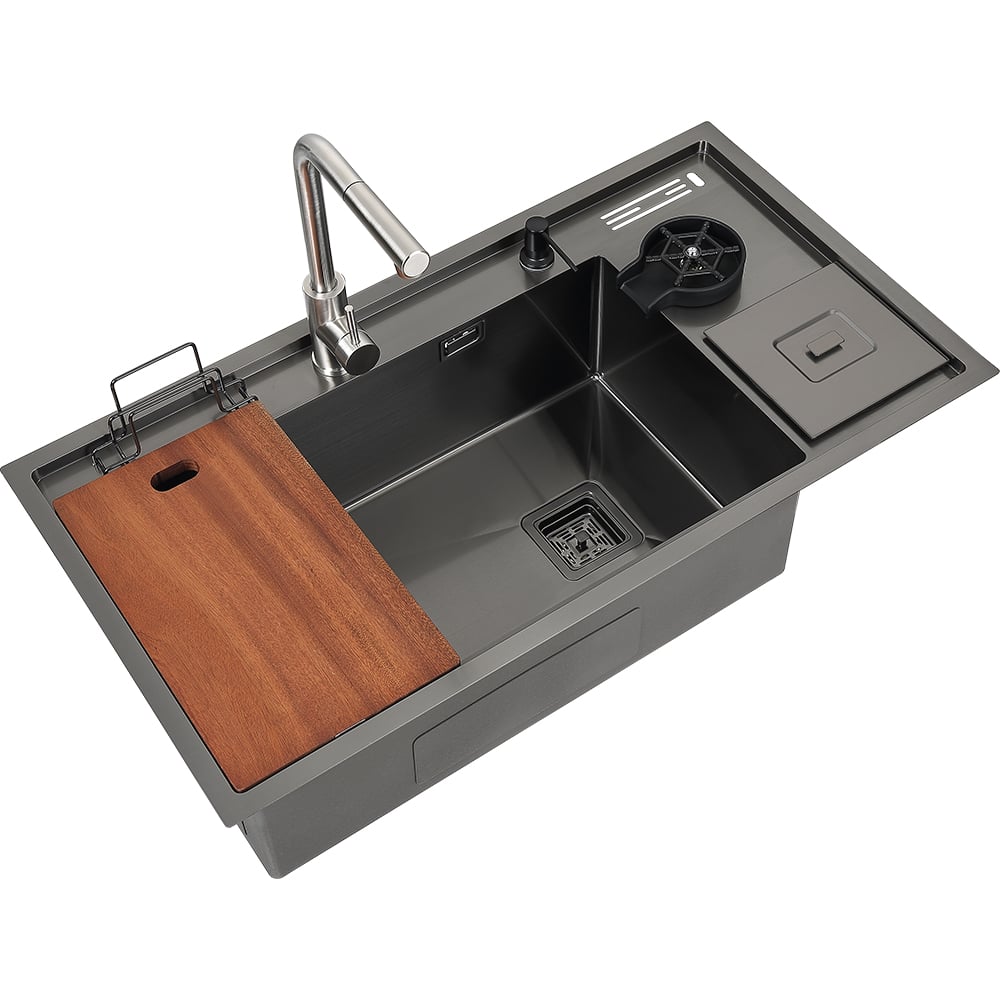
The design and structure of a faucet sink kitchen plays a critical role in determining how efficiently a kitchen operates on a daily basis. Modern culinary environments demand more than basic functionality; they require intelligent engineering that streamlines workflow, minimizes wasted motion, and enhances user experience during food preparation and cleanup. Understanding how a faucet sink kitchen structure contributes to operational efficiency helps professionals and homeowners make informed decisions when upgrading or designing kitchen spaces. Every component of a faucet sink kitchen, from the height and depth of the basin to the ergonomics of the faucet itself, directly impacts how quickly and comfortably tasks can be completed.
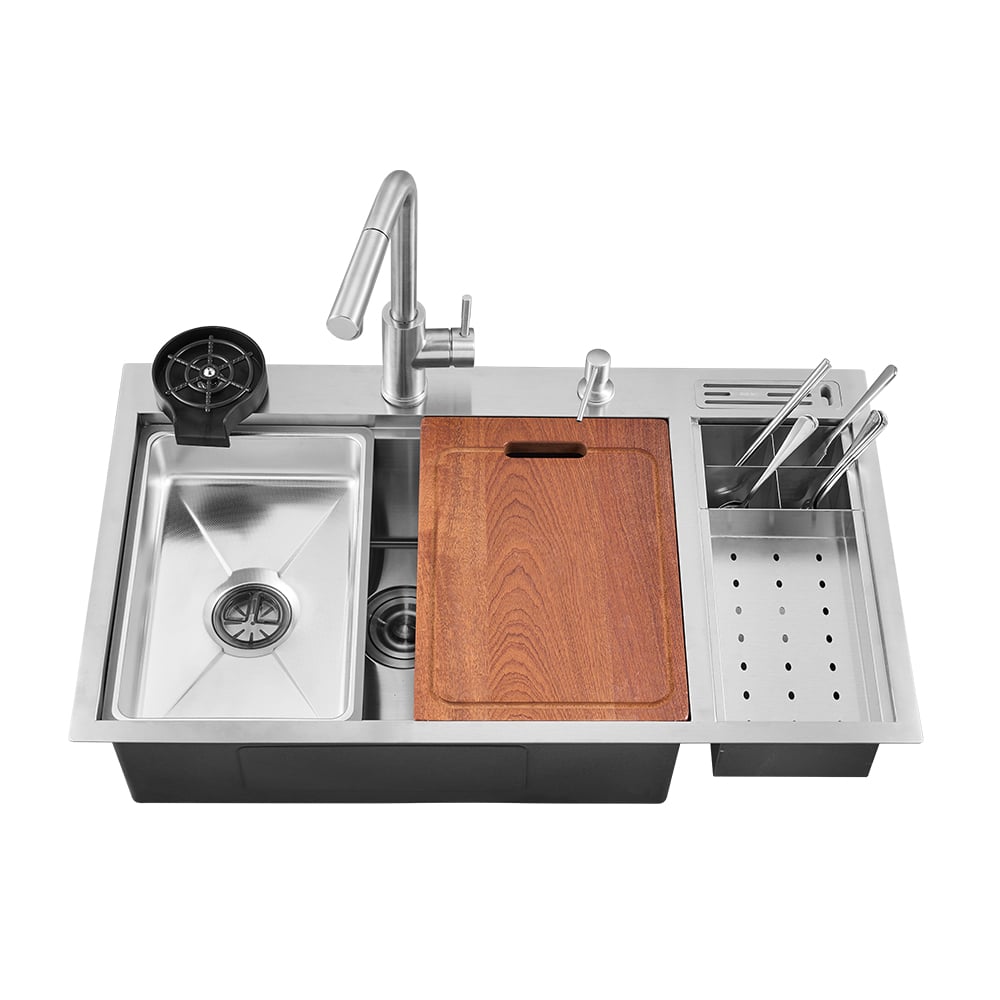
A well-engineered faucet sink kitchen structure eliminates unnecessary steps, reduces physical strain, and supports faster task completion without compromising quality or safety. The relationship between faucet design, sink depth, counter integration, and water delivery systems creates an ecosystem that either enhances or hinders daily kitchen operations. Professionals in food service, culinary instruction, and high-volume preparation environments understand that investing in superior faucet sink kitchen architecture delivers measurable returns through reduced fatigue, fewer errors, and improved staff satisfaction.
Ergonomic Design and Operational Flow
Height and Reach Optimization
The structural height of a faucet sink kitchen determines how comfortably users can access both the basin and the faucet controls. Standard faucet sink kitchen configurations position the basin rim at approximately 34 to 36 inches from the floor, accommodating average adult proportions while reducing back strain during extended use. When a faucet sink kitchen is installed at the correct height, workers experience less fatigue and maintain better posture, which directly translates to faster, more precise work throughout the day. The faucet spout itself must extend far enough above the basin that large cookware, baking sheets, and serving platters can fit underneath for washing, making the faucet sink kitchen genuinely practical rather than merely decorative.
Counter Integration and Accessibility
A faucet sink kitchen embedded flush with surrounding countertops creates seamless workflow by allowing staff to move ingredients, prepped items, and cookware smoothly across the workspace without interruption. The structural integration of a faucet sink kitchen with the counter surface determines whether debris, spills, and water pool around the basin or drain naturally back into it. Superior faucet sink kitchen design includes sloped countertops that direct liquid back toward the basin, preventing water damage and maintaining clean work surfaces. This attention to drainage integration within the faucet sink kitchen structure eliminates time spent mopping, wiping, and managing cleanup complications that reduce overall kitchen efficiency.
Water Delivery Performance and Practicality
Flow Rate and Pressure Consistency
The engineering of a faucet sink kitchen directly influences how quickly water can fill basins, rinse items, and supply the basin for simultaneous preparation tasks. A high-performance faucet sink kitchen incorporates robust internal plumbing that maintains consistent water pressure throughout the day, regardless of demand from other outlets in the building. When a faucet sink kitchen delivers inadequate flow, staff must wait longer to fill containers, rinse produce, and clean cookware, creating bottlenecks that compound across busy service periods. Conversely, a faucet sink kitchen engineered for optimal flow rate and pressure consistency accelerates these routine tasks, reclaiming significant time throughout each operational day.
Temperature Stability and Control
A faucet sink kitchen with advanced temperature control features allows users to access precisely calibrated water without guesswork or frequent adjustment. Thermostatic or preset faucet sink kitchen systems eliminate the trial-and-error process of finding comfortable water temperature, reducing wasted water and allowing faster execution of cleaning and preparation tasks. This is especially important in professional kitchens where staff rotate through multiple duties; a faucet sink kitchen that requires minimal adjustment enables rapid transitions between different users without retraining or adaptation delays. Temperature stability within a faucet sink kitchen structure also protects hands and arms from sudden temperature fluctuations that can distract or injure workers.
Basin Configuration and Workspace Efficiency
Depth and Capacity for Varied Tasks
The depth and volume of a faucet sink kitchen basin directly determine what size cookware and food volumes can be accommodated during washing and preparation. A faucet sink kitchen with adequate basin depth prevents splashing, contains water overflow during heavy rinsing, and allows soaking of larger items that would otherwise require alternative accommodations. Professional culinary environments benefit significantly from a faucet sink kitchen engineered with deep, spacious basins that function as both washing and soaking stations simultaneously. This versatility reduces dependency on secondary sinks and backup basins, streamlining the overall kitchen layout and eliminating wasted steps for staff movement.
Material Durability and Maintenance Demands
A faucet sink kitchen constructed from premium materials like stainless steel maintains structural integrity and hygienic properties even under intensive daily use. The choice of material in a faucet sink kitchen significantly impacts how often maintenance occurs and whether the sink requires replacement components or full reinstallation. A faucet sink kitchen built to withstand repeated thermal shock, acidic food contact, and aggressive cleaning chemicals delivers consistent performance over years, eliminating unexpected downtime and repair expenses. Durable faucet sink kitchen structures reduce the hidden operational costs associated with frequent repairs, replacement parts, and potential cross-contamination from deteriorating surfaces.
Enhanced Features That Drive Efficiency Gains
Multi-Function Capabilities and Accessories
Modern faucet sink kitchen systems often incorporate integrated accessories like pull-down sprayers, colander boards, soap dispensers, and waste management features that consolidate multiple functions into one work zone. These faucet sink kitchen enhancements eliminate the need to reach for separate tools, relocate to different stations, or interrupt workflow to access cleaning supplies. A faucet sink kitchen with well-designed accessories transforms the sink into a comprehensive preparation and cleaning hub, reducing wasted motion and mental load for kitchen staff. Professional operations that adopt feature-rich faucet sink kitchen designs report measurable improvements in task completion speed and staff efficiency metrics.
Water Conservation and Operational Cost Reduction
An intelligently engineered faucet sink kitchen incorporates features like aerators, flow restrictors, and sensor-activated controls that reduce water consumption without sacrificing practical performance. Lower water usage in a faucet sink kitchen directly reduces utility expenses and aligns operations with environmental standards increasingly required in commercial settings. A faucet sink kitchen designed for water efficiency also reduces the thermal energy required to heat supply water, further lowering operational costs. These economic benefits make investing in premium faucet sink kitchen structures financially sound beyond the immediate operational efficiency gains.
FAQ
What structural elements of a faucet sink kitchen most directly impact daily workflow?
The height, basin depth, faucet reach, counter integration, and water pressure of a faucet sink kitchen are the primary structural elements that shape workflow efficiency. When these components work in concert within a properly designed faucet sink kitchen, staff can execute washing, rinsing, and preparation tasks faster with less physical strain. Counter integration and drainage design within the faucet sink kitchen structure prevent water pooling and maintain clean workspaces, eliminating time spent on secondary cleanup.
How does a faucet sink kitchen design improve staff satisfaction and reduce turnover?
A well-engineered faucet sink kitchen reduces physical strain, fatigue, and repetitive stress injuries common in food preparation environments. When staff work with a faucet sink kitchen that prioritizes ergonomics and accessibility, job satisfaction increases and turnover rates decline. Better working conditions create a positive perception of the operation and contribute to staff retention, reducing costly recruitment and training expenses.
Can a superior faucet sink kitchen structure justify its higher initial cost?
Yes, a high-quality faucet sink kitchen delivers returns through reduced labor time, lower maintenance costs, decreased water and energy consumption, and improved staff retention. The operational efficiency gains from a faucet sink kitchen engineered for performance typically recover the investment within two to three years through cumulative daily time savings and reduced replacement frequency. Over the decade-long lifespan of a faucet sink kitchen, the total cost of ownership heavily favors premium, durable designs.