EN
EN


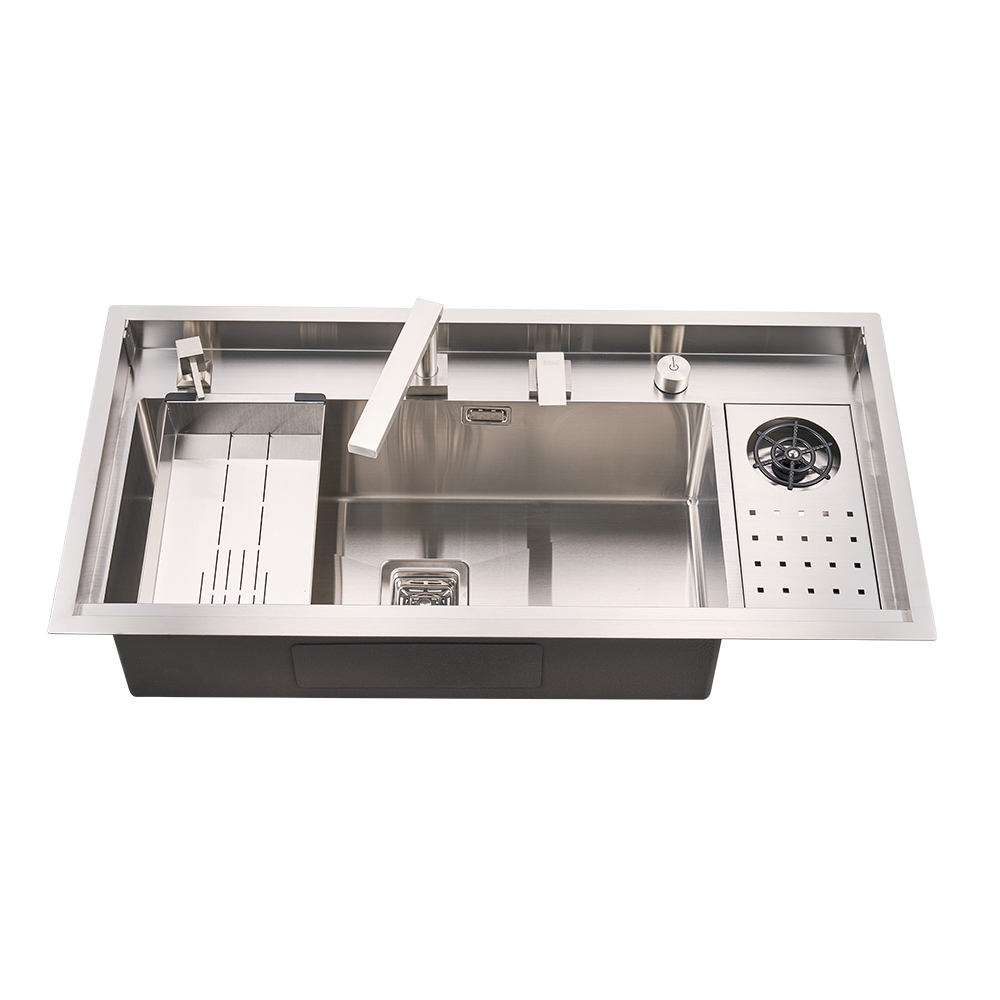
The faucet sink kitchen is one of the most frequently used fixtures in any home, handling countless daily tasks from washing dishes to filling pots. Over time, even the most durable faucet sink kitchen systems experience wear and degradation that can compromise functionality and aesthetic appeal. Understanding the common issues that develop in a faucet sink kitchen helps homeowners anticipate problems, plan maintenance schedules, and make informed decisions about repairs or replacements. A well-maintained faucet sink kitchen can serve reliably for years, but neglect often leads to costly repairs and water waste.
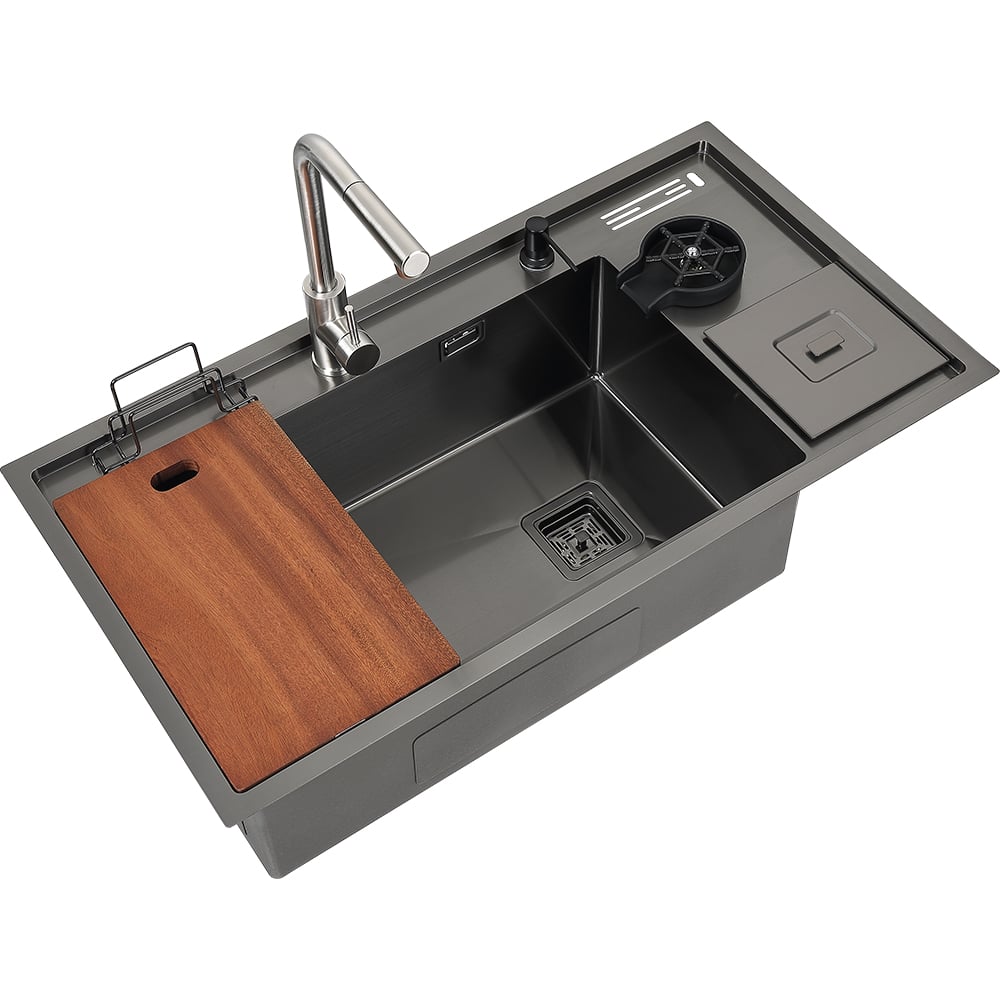
Most homeowners discover faucet sink kitchen problems only after they become severe, such as persistent leaks or complete flow interruption. By recognizing early warning signs and understanding the root causes of deterioration, you can address issues in your faucet sink kitchen before they escalate into emergencies. This guide explores the most common issues affecting faucet sink kitchen fixtures, the reasons they occur, and practical approaches to managing them effectively.
Leaks and Drips in Faucet Sink Kitchen Fixtures
Understanding the Causes of Faucet Sink Kitchen Leaks
Leaks represent the most prevalent problem in any faucet sink kitchen system. A dripping faucet sink kitchen typically originates from worn internal seals, such as the cartridge or valve seat, which lose their ability to maintain a tight seal over time. When water continuously escapes from a faucet sink kitchen, even small amounts accumulate into significant waste, potentially adding hundreds of gallons to your water bill annually. The materials inside a faucet sink kitchen are subject to constant pressure and friction, causing gradual degradation regardless of water quality or usage patterns.
Common Leak Locations in Faucet Sink Kitchen Systems
In a faucet sink kitchen, leaks commonly appear at the base of the spout, underneath the sink where supply lines connect, or from the handle area. A leaking faucet sink kitchen base often indicates cartridge failure within the faucet sink kitchen body, while pooling water beneath your faucet sink kitchen suggests supply line issues. Some faucet sink kitchen leaks develop slowly and remain unnoticed until water damage becomes visible on cabinets or flooring. The specific location of the leak in your faucet sink kitchen determines the appropriate repair strategy and part replacement needed.
Mineral Buildup and Water Quality Problems
Mineral Deposits Affecting Faucet Sink Kitchen Performance
Hard water creates mineral deposits that accumulate inside a faucet sink kitchen aerator and internal pathways, restricting water flow and reducing spray pattern effectiveness. The faucet sink kitchen aerator, located at the tip of the spout, becomes particularly susceptible to mineral clogging because water flows through it at every use. A faucet sink kitchen affected by mineral buildup may display weak water pressure, inconsistent spray patterns, or water ejecting at unusual angles. These deposits accumulate faster in areas with high mineral content, making faucet sink kitchen maintenance more frequent in such regions.
Preventing and Removing Mineral Deposits from Faucet Sink Kitchen
Cleaning the faucet sink kitchen aerator regularly prevents severe mineral accumulation and maintains optimal performance. Most faucet sink kitchen aerators can be unscrewed and soaked in white vinegar to dissolve mineral deposits, a simple preventive measure that extends faucet sink kitchen lifespan. For a faucet sink kitchen with internal mineral buildup that affects flow, professional descaling or cartridge replacement may become necessary. Installing a water softener can significantly reduce mineral-related issues in your faucet sink kitchen system, benefiting both the faucet and other household appliances.
Aerator Damage and Flow Reduction Issues
How Aerator Deterioration Impacts Faucet Sink Kitchen Function
The aerator in a faucet sink kitchen controls water flow rate and spray pattern, making it critical to overall functionality. An aging faucet sink kitchen aerator may crack, corrode, or degrade, causing water to splash unpredictably or flow too forcefully for comfortable use. When a faucet sink kitchen aerator fails, water waste increases because users often turn the handle further to compensate for reduced flow, paradoxically using more water. Replacing the aerator on your faucet sink kitchen ranks among the simplest and most cost-effective repairs available.
Signs Your Faucet Sink Kitchen Aerator Needs Replacement
A faucet sink kitchen aerator requires replacement when water pressure drops noticeably, the spray becomes erratic, or visible corrosion appears on the aerator screen. If your faucet sink kitchen flows normally but the aerator produces sputtering or inconsistent water distribution, the aerator itself likely needs attention rather than internal components. Many hardware stores stock universal faucet sink kitchen aerators, making replacement accessible for most homeowners without specialized skills. Testing your faucet sink kitchen water pressure before and after aerator cleaning helps identify whether the faucet sink kitchen issue stems from aerator blockage or deeper problems.
Handle Problems and Temperature Control Failures
Handle Wear and Operational Issues
Faucet sink kitchen handles experience constant stress from daily gripping, twisting, and adjusting, eventually leading to looseness, stiffness, or complete failure. A stiff faucet sink kitchen handle may indicate mineral buildup or internal cartridge resistance, while a loose faucet sink kitchen handle suggests worn fasteners or internal components. Some faucet sink kitchen handles develop cracks or corrosion, particularly in areas with high humidity or hard water exposure. Regular inspection of your faucet sink kitchen handles helps catch problems early before functionality becomes severely compromised.
Temperature Control and Mixing Valve Problems
The mixing valve inside a faucet sink kitchen controls hot and cold water balance, and its failure leads to unpredictable temperature swings or water that remains constantly cold or hot. A faucet sink kitchen mixing valve deteriorates through mineral accumulation and mechanical wear, causing the cartridge to lose responsiveness. When your faucet sink kitchen temperature becomes difficult to adjust or fluctuates uncontrollably, the mixing valve cartridge likely requires replacement. Upgrading to a high-quality faucet sink kitchen cartridge often resolves temperature control issues and improves user experience significantly.
FAQ
How can I prevent serious problems with my faucet sink kitchen?
Regular maintenance is the most effective prevention strategy for a faucet sink kitchen. Clean the aerator monthly by unscrewing it and soaking in vinegar, check for leaks weekly by inspecting the base and cabinet below, and address any drips immediately by replacing worn seals or cartridges. Installing a whole-house water filter or softener reduces mineral buildup in your faucet sink kitchen system, extending the lifespan of internal components. Most faucet sink kitchen problems can be prevented or minimized through consistent attention and prompt repairs of minor issues.
When should I replace my faucet sink kitchen instead of repairing it?
Replace your faucet sink kitchen when multiple internal components fail simultaneously, when the body shows visible corrosion or cracks, or when repair costs approach 50% of a new faucet's price. An aging faucet sink kitchen that requires frequent repairs suggests internal deterioration that will likely worsen, making replacement more economical long-term. If your faucet sink kitchen is more than 10–15 years old and experiencing multiple problems, replacement offers better value than continued repair attempts. Modern faucet sink kitchen options include improved materials and water-saving features that justify upgrading older, problematic models.
Can mineral buildup in my faucet sink kitchen be completely removed?
Mineral deposits in your faucet sink kitchen aerator can be removed by soaking in white vinegar for several hours, but heavily encrusted internal pathways may require professional cleaning or cartridge replacement. For a faucet sink kitchen with severe mineral accumulation, vinegar soaking alone may not restore full functionality if deposits have hardened inside the faucet sink kitchen body. Installing a water treatment system prevents future mineral buildup in your faucet sink kitchen and protects other household fixtures from similar issues. Prevention through regular maintenance proves far more effective and cost-efficient than attempting to remove deeply embedded mineral deposits from a faucet sink kitchen system.