EN
EN


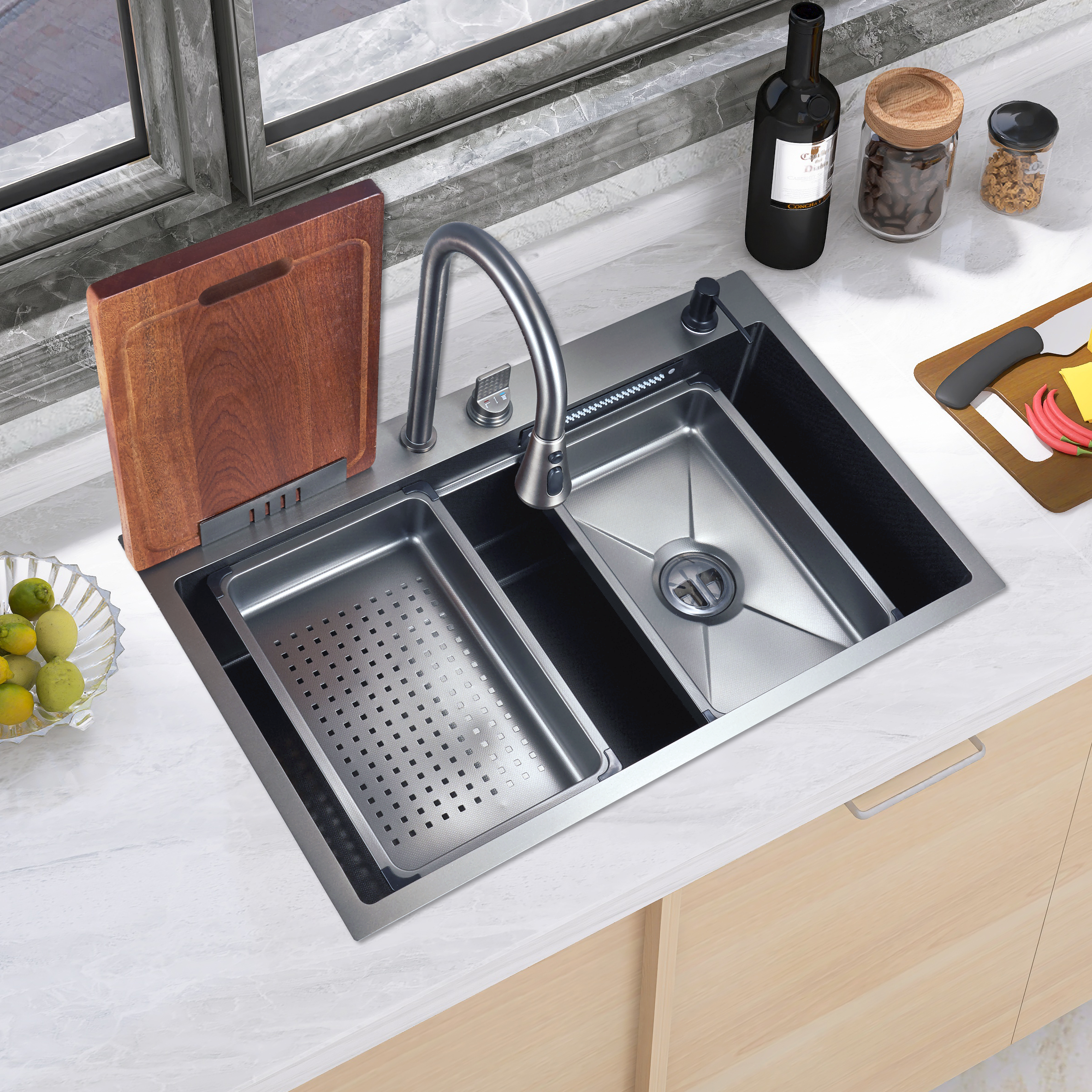
The faucet sink kitchen arrangement plays a far more critical role in daily task coordination than many homeowners and facility managers realize. A well-designed faucet sink kitchen layout influences everything from meal preparation speed to cleanup efficiency, water usage patterns, and overall kitchen traffic flow. When the faucet sink kitchen positioning aligns with your natural work patterns, meal preparation becomes smoother, and the entire space feels more functional and purposeful.
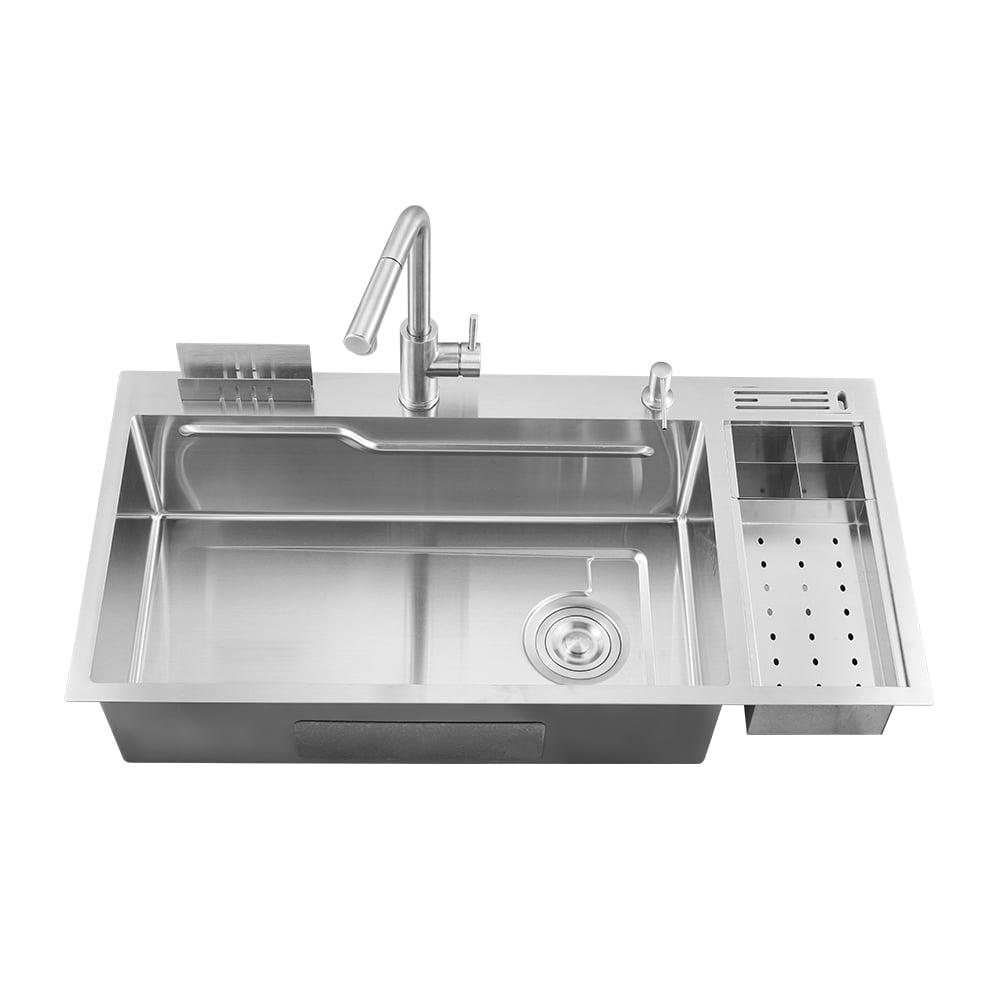
Understanding how faucet sink kitchen design affects your daily routine requires examining the interplay between sink depth, faucet reach, counter space, and positioning relative to appliances. The faucet sink kitchen setup you choose will directly impact how efficiently you complete prep work, washing, and cooking tasks. This article explores the essential principles that make a faucet sink kitchen layout truly work for your space and lifestyle.
Understanding Faucet Sink Kitchen Positioning and Workflow Efficiency
Core Layout Principles for the Faucet Sink Kitchen
The most effective faucet sink kitchen arrangements follow the 'work triangle' principle, which positions the sink, stove, and refrigerator to minimize unnecessary movement. Your faucet sink kitchen should sit at one vertex of this triangle, ideally between twelve and fifteen feet from the other appliances. When your faucet sink kitchen location allows users to move fluidly from refrigerator to preparation area to cooking surface, task coordination improves significantly, and fatigue decreases during extended cooking sessions.
Counter space on both sides of your faucet sink kitchen installation matters tremendously. Right-handed and left-handed users benefit from at least twenty-four inches of clear counter on both sides of the faucet sink kitchen area. This buffer zone allows you to place cutting boards, prep bowls, and drying racks without constantly moving items around. Many inefficient faucet sink kitchen layouts suffer because insufficient counter space forces users to juggle dishes and ingredients rather than working sequentially through tasks.
Faucet Reach and Spray Function Impact
The faucet sink kitchen's spray reach directly affects how you handle large pots, pans, and cooling racks. A faucet sink kitchen with an inadequate spray radius requires you to physically lift heavier items toward the spout, straining your back and shoulders during dishwashing. Modern faucet sink kitchen designs offer extended-reach sprayers that reach up to ten inches beyond the spout, allowing you to rinse items in place and reducing physical strain on your hands and arms throughout the day.
The height of your faucet sink kitchen spout influences comfort during extended use. Taller faucet sink kitchen models, typically twenty-five to thirty inches above the counter, accommodate larger cookware and prevent back strain compared to lower faucet sink kitchen fixtures. Similarly, the clearance above your faucet sink kitchen determines whether you can comfortably rinse tall vases, bottles, or stockpots without awkward maneuvering.
Spatial Integration and Multi-Task Coordination
Adjacency to Prep and Cooking Zones
The proximity of your faucet sink kitchen to your primary prep counter directly shapes how you organize your cooking sequence. When your faucet sink kitchen sits immediately adjacent to your cutting station, you can rinse vegetables, set them directly on the board, and begin prep without unnecessary walking. This faucet sink kitchen proximity reduces motion waste and keeps your workflow linear rather than fragmented across the kitchen. Conversely, a faucet sink kitchen positioned far from prep areas forces repeated trips for rinsing ingredients, which compounds fatigue over longer cooking sessions.
The faucet sink kitchen's relationship to your cooking appliances also matters significantly. A faucet sink kitchen placed within three feet of your stove allows you to fill pots with minimal distance traveled, and it enables quick access to water for deglazing pans or controlling heat. This faucet sink kitchen positioning becomes especially valuable during high-activity meal preparation when you're managing multiple burners simultaneously.
Traffic Flow Patterns and Household Dynamics
The faucet sink kitchen layout's impact on task coordination extends beyond individual efficiency to household dynamics. When multiple people work in the kitchen simultaneously, a well-positioned faucet sink kitchen prevents bottlenecking and allows secondary cooks to access water or rinse items without disrupting the primary preparer's workflow. If your faucet sink kitchen placement forces everyone into a narrow work zone, coordination deteriorates rapidly, and frustration increases during meal preparation.
A faucet sink kitchen centered within the kitchen's layout, rather than pushed to a far corner, encourages better traffic patterns throughout the space. When your faucet sink kitchen occupies a central position, people can naturally flow around it, and the sink becomes a natural focal point for coordination rather than a bottleneck. Commercial kitchens emphasize this faucet sink kitchen principle extensively because their operations depend entirely on smooth task coordination across teams.
Practical Design Features That Support Daily Task Coordination
Sink Depth, Material, and Faucet Configuration
The depth of your faucet sink kitchen directly influences water splash, drainage speed, and your ability to soak larger cookware. A faucet sink kitchen with eight to ten inches of depth accommodates most household pots and pans while containing water spray better than shallow sinks. Shallow faucet sink kitchen models create splash issues and limit your ability to fill items in place, forcing you to lift and position cookware over the counter before filling. Material choice for your faucet sink kitchen also affects durability and coordination; stainless steel faucet sink kitchen basins resist staining and damage, maintaining appearance and function through years of daily use.
Single versus double-basin faucet sink kitchen design affects how you coordinate prep and washing tasks. A single-basin faucet sink kitchen allows larger items to be rinsed and filled in place, streamlining workflow for single cooks. Dual-basin faucet sink kitchen configurations enable simultaneous soaking and rinsing activities, which supports better task coordination when multiple people work together or when you're managing large cleanup tasks after entertaining.
Drainage and Water Supply Integration
The faucet sink kitchen's drainage system quietly supports daily task coordination by preventing water backup and pooling. A properly sized faucet sink kitchen drain, typically one and a half inches in diameter, removes water quickly enough that your workflow never stalls while waiting for drainage. Inefficient faucet sink kitchen drainage forces you to pause work, disrupting the natural sequence of tasks and creating frustration during busy periods.
Water temperature control integrated into your faucet sink kitchen design enhances coordination by allowing instant transitions between tasks without manual temperature adjustment. Thermostatic or mixing faucet sink kitchen valves maintain consistent temperature, preventing surprise temperature fluctuations that interrupt workflow. When you don't have to continuously adjust your faucet sink kitchen water temperature, you maintain focus on the actual tasks at hand.
FAQ
How does faucet sink kitchen positioning influence meal preparation time?
Faucet sink kitchen positioning directly affects meal preparation time by determining how far you travel while rinsing ingredients and managing cookware. A centrally located faucet sink kitchen with adequate counter space on both sides reduces repetitive movement and allows you to complete prep tasks sequentially without backtracking. Studies of kitchen workflow show that optimizing faucet sink kitchen placement can reduce overall cooking time by fifteen to twenty percent for typical household meals.
What makes a faucet sink kitchen layout unsuitable for household coordination?
A faucet sink kitchen layout becomes problematic when it occupies a corner position far from prep areas, lacks sufficient counter space, or features an inadequate spray reach for larger cookware. Cramped faucet sink kitchen arrangements that force multiple household members into a tight work zone create coordination challenges and reduce overall efficiency. Additionally, a faucet sink kitchen positioned too low or too high causes repetitive strain injuries over extended use, which impacts how long anyone can comfortably work in the space.
Can faucet sink kitchen layout be modified in existing kitchens?
Modifying faucet sink kitchen layout in existing installations is possible but involves plumbing relocation and potentially structural changes. However, you can significantly improve coordination by upgrading the faucet sink kitchen fixtures themselves, installing a model with extended reach or better drainage, or reorganizing counter space and storage around the existing faucet sink kitchen location. These modifications often deliver seventy percent of the benefits of full repositioning while remaining budget-friendly.