EN
EN


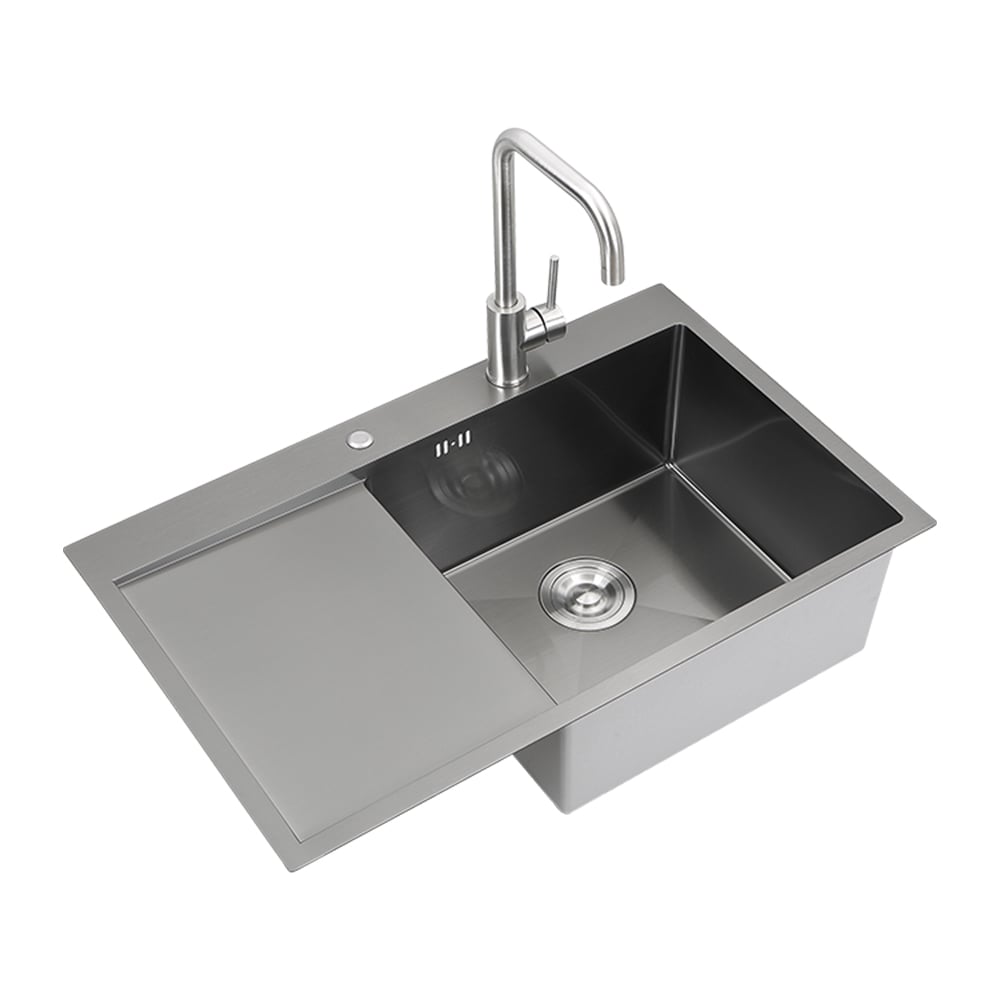
The faucet sink kitchen relationship represents one of the most underestimated factors in overall kitchen productivity and user satisfaction. When a faucet sink kitchen combination is thoughtfully designed and integrated, it transforms how professionals and home cooks approach daily meal preparation, cleanup, and kitchen workflows. A well-coordinated faucet sink kitchen setup eliminates unnecessary movement, reduces task fragmentation, and creates a seamless operational environment that encourages efficiency at every stage of food handling and sanitation.
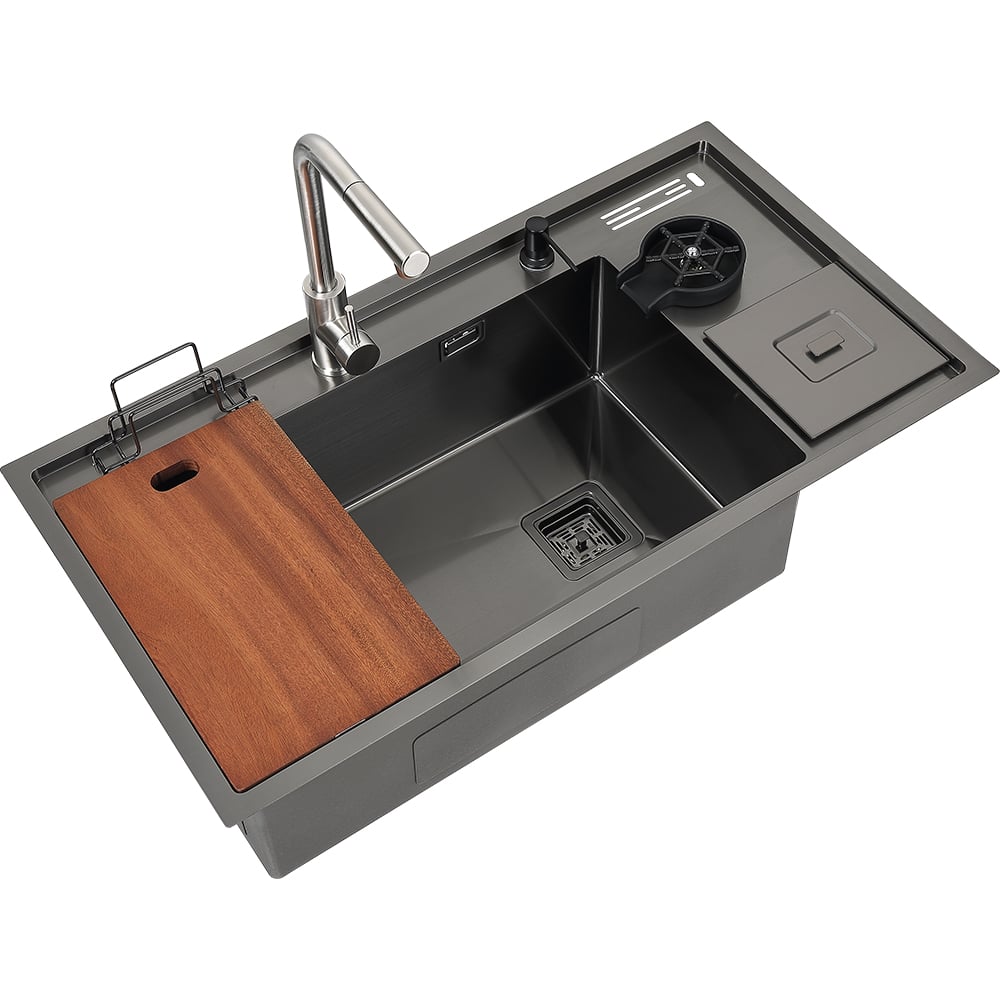
Understanding how faucet sink kitchen integration impacts workflow requires examining both physical design and functional alignment. The faucet sink kitchen system must work as a unified ecosystem where water delivery, drainage, counter positioning, and accessibility all support the natural rhythm of kitchen tasks. Organizations that prioritize faucet sink kitchen optimization experience measurable improvements in both speed and safety during food preparation, dishwashing cycles, and deep cleaning operations that occur throughout the day.
The Role of Faucet Sink Kitchen Design in Task Flow
Positioning and Reach Optimization
The physical layout of a faucet sink kitchen setup directly influences how efficiently users can move between prep stations, cooking zones, and cleaning areas. When faucet sink kitchen components are positioned correctly, reaching the water source becomes intuitive rather than awkward, reducing unnecessary stretching or repositioning of work materials. A strategically placed faucet sink kitchen arrangement allows cooks to rinse ingredients, fill pots, and access hot or cold water without taking more than one or two steps away from their current workspace. This proximity principle becomes increasingly important in commercial kitchens where multiple staff members share the same faucet sink kitchen infrastructure throughout service periods.
Water Delivery and Temperature Control
Modern faucet sink kitchen systems offer advanced water control features that speed up both preparation and sanitation tasks. A responsive faucet sink kitchen setup with dual-temperature controls and adjustable spray patterns eliminates delays caused by waiting for water to heat or searching for the right spray mode. Users can toggle between a powerful stream for rinsing dishes and a gentle flow for delicate vegetables without fumbling with controls, making the faucet sink kitchen experience faster and more intuitive. Temperature memory functions and instant-response water valves in high-quality faucet sink kitchen configurations save cumulative minutes throughout each day, multiplying productivity gains across weeks and months of daily use.
Workflow Efficiency Gains Through Integrated Faucet Sink Kitchen Systems
Reducing Movement and Cognitive Load
Kitchen efficiency experts consistently emphasize that reduced movement between work zones directly correlates with improved task completion rates. When faucet sink kitchen design minimizes the distance between prep areas, cooking surfaces, and cleaning stations, workers spend more time executing actual food preparation rather than traveling. A properly integrated faucet sink kitchen eliminates the need to search for alternative water sources, locate tools near the sink, or navigate around poorly positioned equipment. This reduction in unnecessary movement translates to faster meal prep cycles, quicker dishwashing, and fewer moments of operational inefficiency that accumulate across commercial and residential kitchen environments.
Supporting Multiple Simultaneous Tasks
Professional kitchens often require multiple team members to access the faucet sink kitchen simultaneously while handling different preparation stages. A well-designed faucet sink kitchen with adequate counter space, ergonomic height, and intuitive controls supports this multi-user scenario without creating bottlenecks or safety conflicts. When faucet sink kitchen features include pull-down or pull-out spouts, flexible hose systems, and spacious basin designs, staff can efficiently rinse vegetables, fill large stockpots, and wash equipment without interfering with colleagues' workflows. The faucet sink kitchen becomes a hub of productivity rather than a constraint, enabling parallel task execution that would be impossible with poorly integrated or undersized sink and faucet combinations.
Practical Design Considerations for Optimal Faucet Sink Kitchen Performance
Material Quality and Durability Impact
Selecting high-quality materials for your faucet sink kitchen installation ensures long-term reliability and consistent performance that supports sustained workflow efficiency. Stainless steel faucet sink kitchen components resist corrosion, maintain their appearance despite heavy daily use, and withstand the thermal stress of repeated hot-water cycles. Durable faucet sink kitchen systems require minimal maintenance downtime and repairs that would otherwise interrupt kitchen operations and frustrate users. When budget constraints force compromises, investing in a premium faucet sink kitchen combination rather than cheaper alternatives pays dividends through years of reliable service, fewer leaks, and maintained water pressure that keeps workflows running smoothly.
Counter Space and Ergonomic Alignment
The surrounding counter environment amplifies or diminishes the benefits of any faucet sink kitchen setup. Adequate counter space on both sides of the faucet sink kitchen allows users to stage ingredients, position pots and pans, and organize cleaning supplies without creating congestion. Proper counter height relative to standard work surfaces ensures that using the faucet sink kitchen doesn't cause back strain or repeated reaching that builds fatigue during long shifts. Strategic placement of storage near the faucet sink kitchen for soaps, scrubbers, and drying racks keeps essential supplies within arm's reach, reinforcing the efficiency gains that thoughtful faucet sink kitchen integration provides.
FAQ
How does a well-designed faucet sink kitchen reduce daily time spent on dishwashing?
A strategically organized faucet sink kitchen with high-pressure spray options, instant hot water delivery, and ergonomic controls accelerates dishwashing cycles by 20 to 30 percent compared to basic sink setups. The faucet sink kitchen's proximity to drying racks and storage areas eliminates unnecessary hand movements, while responsive temperature and flow controls mean less time waiting for water to heat or adjusting spray patterns during repetitive washing tasks. When faucet sink kitchen positioning allows operators to stand in one comfortable position throughout most washing operations, they finish faster and experience less fatigue that would otherwise slow task completion.
What features should I prioritize when installing a faucet sink kitchen system?
Focus first on the faucet sink kitchen's height and reach specifications to ensure comfortable operation for all primary users, then evaluate water delivery features such as adjustable spray patterns and temperature consistency. A quality faucet sink kitchen benefits greatly from pull-down or articulating spouts that increase workspace flexibility, and ensure the basin size accommodates your largest pots and pans without requiring separate sinks for different tasks. Finally, confirm that faucet sink kitchen materials, particularly stainless steel construction, will withstand your specific usage patterns and that installation positioning places the faucet sink kitchen within easy access to prep and cooking areas.
Can a faucet sink kitchen upgrade improve kitchen safety alongside workflow efficiency?
Yes, a properly configured faucet sink kitchen reduces accident risks by eliminating the reaching, bending, and awkward positioning that occurs with poorly located or poorly designed sink and faucet combinations. When the faucet sink kitchen provides adequate water control and visibility during rinsing and cleaning tasks, users maintain better focus on food safety and sanitation practices that prevent contamination. A well-positioned faucet sink kitchen also reduces the likelihood of water spills and slippery floor hazards that result from inefficient sink setups, creating a safer kitchen environment alongside the measurable workflow improvements.