EN
EN


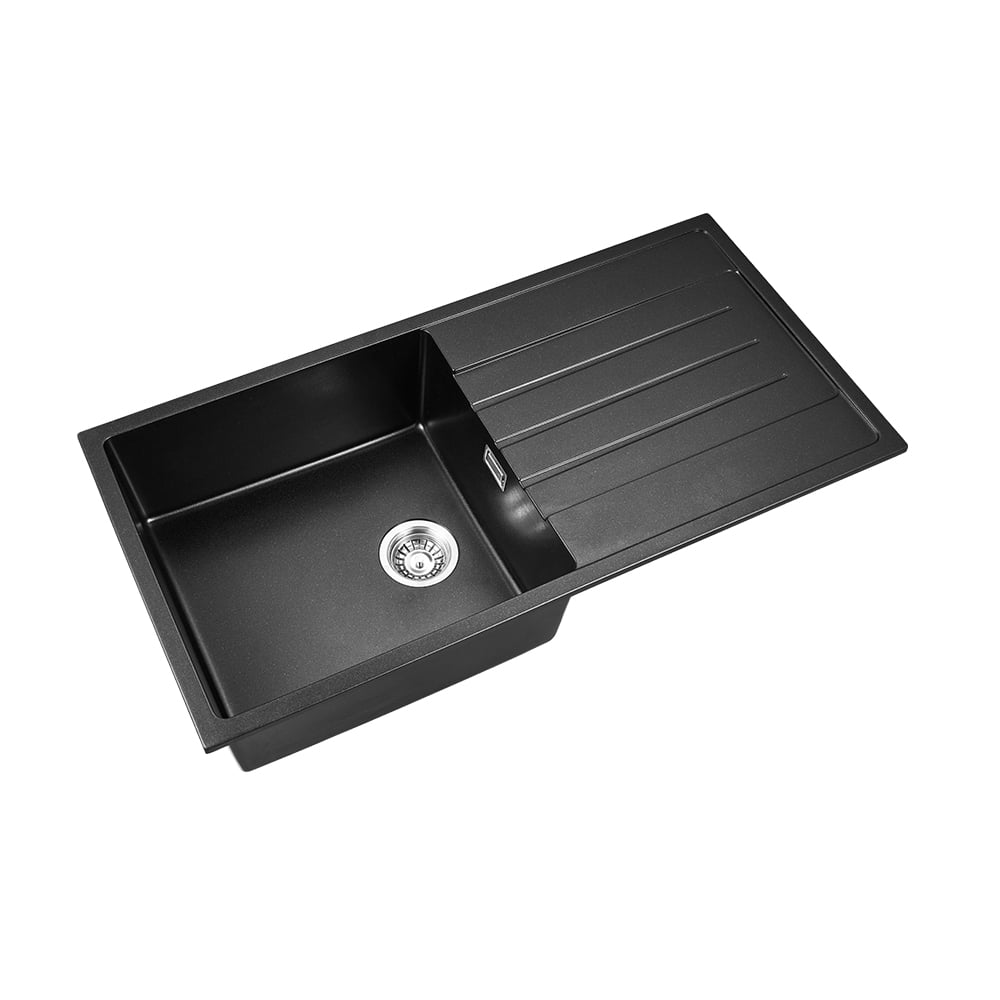
The modern kitchen landscape has undergone a dramatic transformation over the past decade, and one of the most significant trends reshaping this space is the rising popularity of the granite sink. Homeowners and designers alike are increasingly recognizing that a granite sink offers far more than aesthetic appeal, presenting a compelling combination of functionality, longevity, and visual sophistication that aligns perfectly with contemporary kitchen expectations.
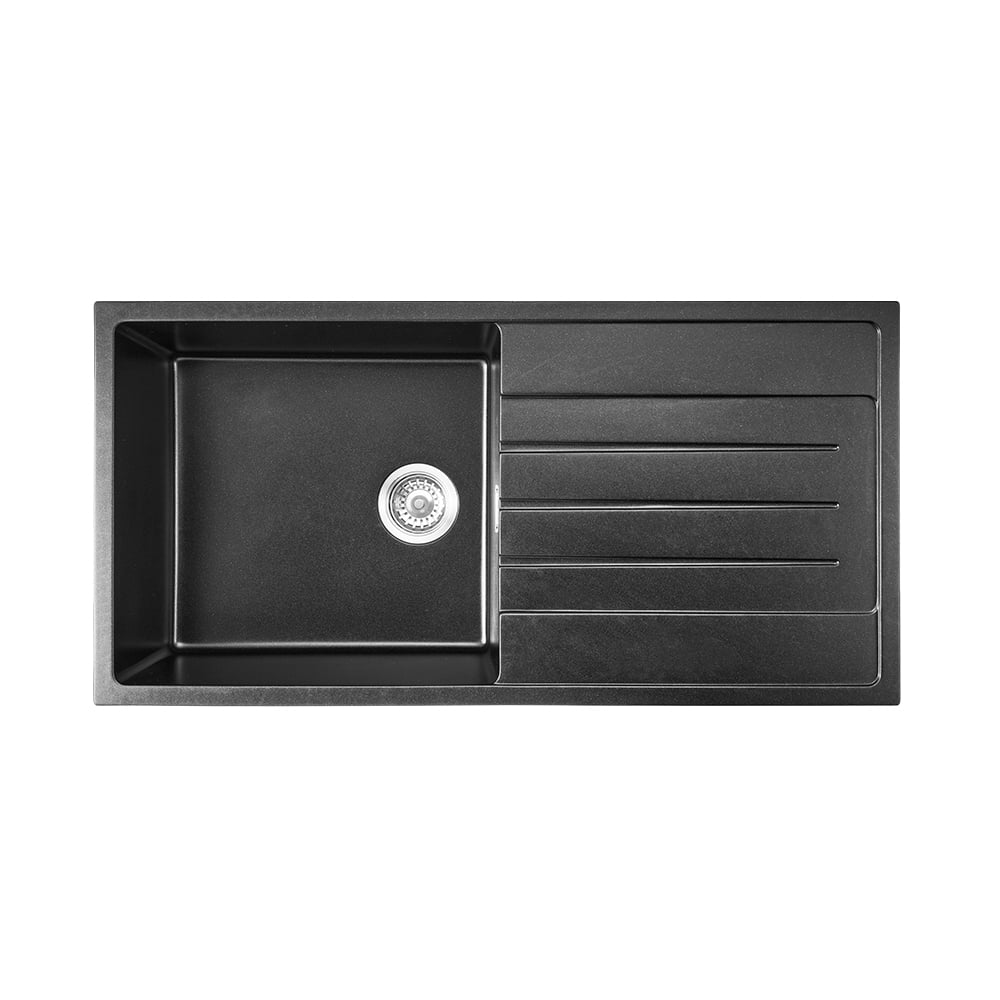
Understanding why the granite sink has become such a dominant force in modern kitchen design requires examining the convergence of material science, lifestyle changes, and design philosophy. The granite sink represents a shift from purely functional kitchenware toward integrated design elements that enhance both the practical and emotional experience of the kitchen environment. This evolution reflects how contemporary homeowners view their kitchens not merely as utility spaces but as lifestyle hubs that demand both performance and visual coherence.
The Durability and Longevity Appeal of Granite Sinks
Superior Material Composition and Resilience
The primary driver behind granite sink adoption is the exceptional durability that the material provides. A granite sink is typically composed of approximately ninety percent natural granite stone combined with high-performance resin binders, creating a composite material that withstands years of intensive daily use without deterioration. This construction methodology ensures that a granite sink resists chipping, cracking, and surface degradation far better than traditional stainless steel or ceramic alternatives. The material's inherent hardness means that a granite sink can accommodate the rigorous demands of modern kitchen workflows, from washing heavy cookware to managing extreme temperature variations.
Resistance to Staining and Chemical Damage
Another critical factor driving granite sink popularity is its superior resistance to staining and chemical exposure. Unlike more porous materials, a granite sink maintains its appearance despite contact with wine, coffee, oil, and acidic foods that would compromise lesser surfaces. The protective resin coating on a granite sink creates a barrier against bacterial growth and mineral deposits, translating directly into easier maintenance and superior hygiene. This resistance extends to cleaning agents and detergents, meaning a granite sink can be cleaned aggressively without concern for material degradation, a reassurance that homeowners increasingly demand.
Aesthetic Integration and Design Flexibility
Visual Versatility Across Kitchen Styles
The aesthetic appeal of a granite sink has fundamentally transformed kitchen design possibilities. Available in numerous color options ranging from classic blacks and grays to warm earth tones and dramatic speckled finishes, a granite sink offers unprecedented design flexibility compared to standard stainless steel basins. Modern kitchens increasingly prioritize cohesive design narratives, and a granite sink serves as an anchor element that can complement or contrast with countertops, cabinetry, and backsplash materials. This design versatility means a granite sink functions equally well in minimalist contemporary kitchens, traditional settings, or eclectic hybrid spaces, making it the preferred choice for designers seeking material authenticity.
Premium Perception and Lifestyle Alignment
Contemporary homeowners associate a granite sink with quality craftsmanship and premium finishes, reflecting broader trends in how people view kitchen investments. The visual weight and sophistication of a granite sink communicates attention to detail and material quality that influences overall kitchen perception. When combined with high-end appliances and thoughtful design elements, a granite sink completes the narrative of a well-considered space. This alignment between material choice and lifestyle aspiration explains why granite sink adoption accelerates most rapidly among homeowners upgrading their kitchens during renovations.
Practical Performance and Maintenance Benefits
Thermal and Acoustic Properties
The performance characteristics of a granite sink extend beyond visual appeal into practical functionality that shapes daily kitchen experience. A granite sink exhibits superior thermal properties compared to metal alternatives, maintaining cooler surface temperatures during extended use and reducing discomfort during dishwashing tasks. Additionally, a granite sink provides excellent acoustic dampening, minimizing the harsh metallic noise associated with stainless steel basins when filled with water or struck by dishes. These seemingly subtle benefits accumulate into meaningful improvements in kitchen comfort, particularly for households where multiple family members spend significant time at the sink.
Maintenance Simplicity and Long-Term Value
A granite sink requires minimal specialized maintenance compared to alternatives, contributing substantially to its adoption appeal. Unlike natural stone surfaces that demand regular sealing, a granite sink's factory-applied protective coating eliminates the need for ongoing treatment, reducing homeowner responsibility and uncertainty. The straightforward cleaning process for a granite sink involves only standard dishwashing techniques and mild soap, meaning no special products or expert guidance is necessary. This simplicity translates into long-term value proposition, as a granite sink maintains its performance and appearance with ordinary care over decades, justifying the premium investment through reduced replacement and maintenance costs.
FAQ
What makes a granite sink different from a stainless steel sink?
A granite sink provides superior durability, stain resistance, and noise reduction compared to stainless steel models. While stainless steel can show scratches, fingerprints, and water spots, a granite sink maintains its appearance through these challenges. Additionally, a granite sink offers greater design flexibility with multiple color options, whereas stainless steel offers limited aesthetic variation. The granite sink composite construction also provides thermal and acoustic benefits that enhance the kitchen experience beyond functional performance.
How do I care for and clean a granite sink properly?
Caring for a granite sink is straightforward and requires no specialized products or techniques. Simply rinse the granite sink after each use with warm water and mild dish soap, using a soft cloth or sponge to remove debris. For stubborn residue, a granite sink can withstand gentle scrubbing without damage due to its hardness and protective coating. Avoid allowing standing water or acidic foods to sit in a granite sink for extended periods, though occasional contact causes no harm. Most importantly, a granite sink never requires sealing or specialized treatments, making maintenance effortless compared to natural stone countertops.
Is a granite sink a good investment for a kitchen renovation?
Yes, a granite sink represents an excellent long-term investment for kitchen renovations due to its durability, aesthetic appeal, and minimal maintenance requirements. The granite sink typically outlasts several generations of use, making the premium initial cost negligible when amortized across decades of ownership. Additionally, a granite sink appeals to potential buyers during future home sales, as it signals quality construction and thoughtful design choices. The combination of performance benefits, design versatility, and longevity makes a granite sink one of the highest-value sink investments available in contemporary kitchen design.