EN
EN


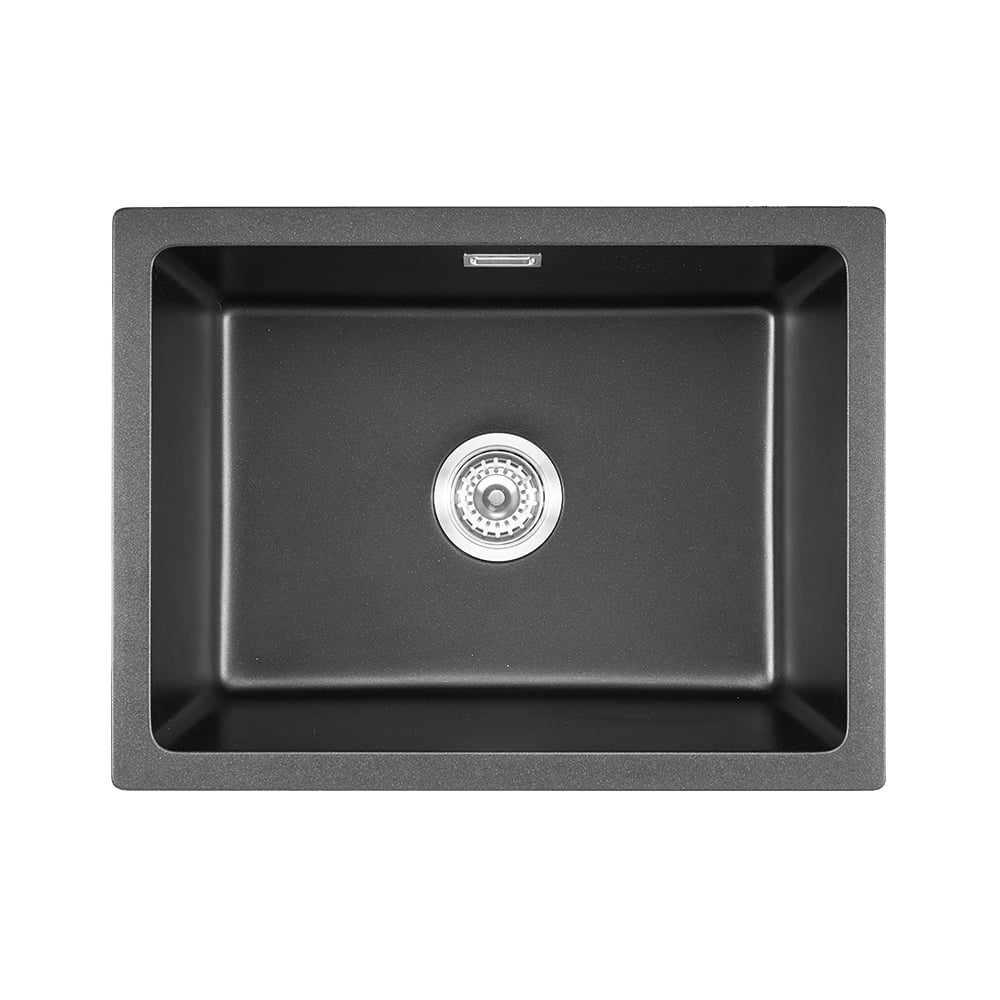
A granite sink represents one of the most durable investment choices a homeowner or restaurant operator can make for their kitchen workspace. Understanding why granite sink resistance matters in daily kitchen operations is essential for making informed decisions about kitchen fixtures that will withstand years of heavy use. The resistance properties of a granite sink directly influence its performance, longevity, and total cost of ownership in both residential and commercial kitchen environments.
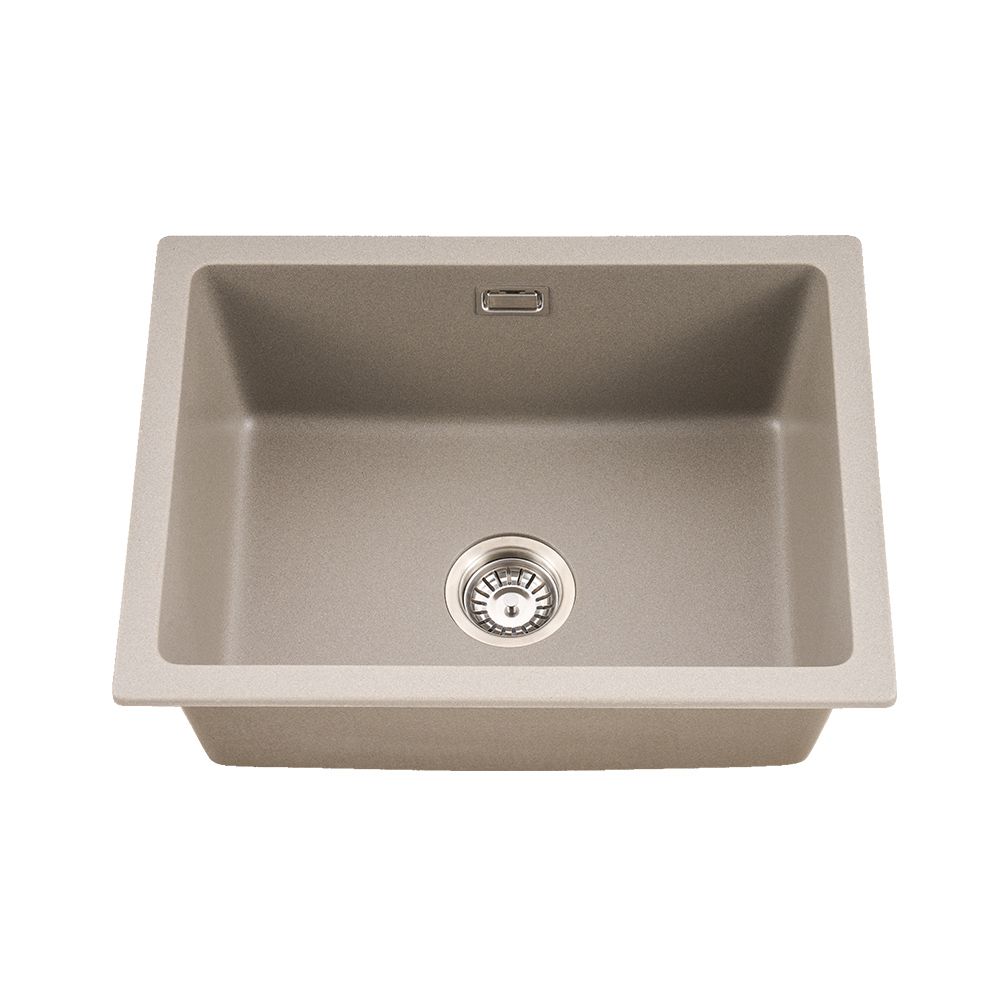
Daily kitchen operations expose sinks to extreme conditions that test material integrity continuously. A granite sink must resist thermal shock, chemical exposure, physical impacts, and staining to maintain its aesthetic appeal and functional reliability. The resistance characteristics of a granite sink determine whether it will remain a valuable kitchen asset or become a maintenance burden that compromises kitchen efficiency and appearance over time.
Thermal Shock Resistance and Granite Sink Performance
Understanding Temperature Extremes in Kitchen Environments
Granite sink thermal resistance is crucial because kitchens experience dramatic temperature fluctuations throughout daily operations. When boiling water is poured directly into a cold granite sink, the material must withstand rapid temperature changes without cracking or warping. A properly engineered granite sink absorbs thermal stress without structural failure, a property that distinguishes it from less durable sink materials like stainless steel or acrylic that may warp under similar conditions. The engineered stone composition of a granite sink provides inherent thermal stability that protects against thermal shock damage.
Long-Term Durability Benefits of Thermal Stability
Restaurants and busy households rely on granite sink thermal resistance because it eliminates concerns about catastrophic failure during peak cooking hours. A granite sink withstands the stress of transitioning from ice-filled beverage preparation to pot-washing cycles without degradation. This thermal reliability means kitchen staff can work confidently without worrying that sudden temperature changes will damage the sink surface. The predictable performance of a granite sink under thermal stress reduces unexpected maintenance expenses and keeps kitchen operations running smoothly throughout each service period or home cooking session.
Chemical and Stain Resistance in Daily Sink Operations
Protection Against Common Kitchen Chemicals
The chemical resistance of a granite sink protects against damage from acidic foods, cleaning products, and biological residues that accumulate during normal kitchen work. When lemon juice, vinegar, or acidic sauces contact a properly sealed granite sink, the surface resists etching and discoloration that would permanently mark lesser materials. A granite sink treated with appropriate sealant technology maintains its protective barrier against chemical intrusion, ensuring that harsh dishwashing detergents and sanitizing products do not degrade the surface finish. This chemical resilience of a granite sink translates directly into reduced maintenance burden and consistent appearance throughout the sink's operational lifespan.
Stain Prevention and Aesthetic Maintenance
Stain resistance in a granite sink is essential because kitchen environments constantly introduce discoloring agents through cooking oils, wine, coffee, and food residues. A premium granite sink with proper surface treatment resists permanent staining from these everyday substances, allowing kitchen staff or homeowners to maintain a clean, professional appearance with minimal effort. The non-porous nature of engineered granite sink material prevents liquids from penetrating the surface where they would cause unsightly permanent discoloration. This stain-resistant property of a granite sink saves countless hours of cleaning labor and preserves the fixture's visual appeal for decades of continuous use in demanding kitchen environments.
Impact Resistance and Structural Durability
Withstanding Daily Physical Stress
Commercial and residential kitchens subject sinks to constant physical impact from dropped pots, heavy cookware, and utensils. A granite sink exhibits exceptional impact resistance that absorbs these shocks without cracking, chipping, or developing structural weakness. The solid engineered stone composition of a granite sink distributes impact force across a wide area, preventing the concentrated damage that would occur in brittle materials like ceramic or glass. This impact durability of a granite sink means that busy kitchen teams can work at normal pace without fear of damaging the sink through normal equipment handling.
Extended Operational Lifespan Through Structural Integrity
Impact-resistant properties of a granite sink ensure that the fixture remains functional and aesthetically intact after years of intense kitchen use. A granite sink that resists chipping and cracking maintains its original structural integrity, preventing the development of sharp edges, rough spots, or compromised drain systems that result from accumulated damage. The durability of a granite sink under constant physical stress means that initial investment returns value over an extended service life, typically spanning 15 to 25 years or longer depending on usage intensity. This longevity makes a granite sink an economically sound choice for kitchens where reliability and minimal replacement frequency are important operational considerations.
Maintenance Efficiency and Operational Cost Control
Reduced Cleaning Requirements Through Resistant Properties
The combined resistance properties of a granite sink reduce maintenance time and cleaning product consumption compared to less durable sink materials. A granite sink requires only basic daily cleaning with standard kitchen detergent and water, without need for specialized chemicals or intensive scrubbing protocols. The scratch-resistant surface of a granite sink prevents the accumulation of microscopic damage that creates harboring spaces for bacteria and food particles. Kitchen operations achieve better hygiene outcomes while spending less time on maintenance when using a properly maintained granite sink, improving overall kitchen efficiency and staff productivity.
Cost Savings Over Kitchen Fixture Lifecycle
The long-term cost advantage of a granite sink becomes apparent when comparing total replacement frequency and maintenance expenses against alternative sink materials. A granite sink that resists damage, staining, and deterioration typically requires replacement far less frequently than composite sinks or acrylic basins that degrade more rapidly under similar operational stress. The resistance characteristics of a granite sink eliminate premium maintenance treatments, specialized sealers, or professional restoration services that become necessary when less durable materials begin deteriorating. Over a 20-year kitchen lifespan, the superior resistance properties of a granite sink generate substantial cost savings through extended functionality and minimal replacement cycles.
FAQ
How does a granite sink maintain resistance properties over time?
A granite sink maintains its resistance properties through periodic resealing, typically every 1 to 3 years depending on usage intensity. The granite sink surface should be cleaned regularly with pH-neutral cleaners that prevent seal degradation. Avoiding abrasive scrubbing tools and harsh chemicals preserves the protective barrier that enables the granite sink to resist staining, thermal shock, and chemical damage throughout its operational lifespan.
What temperature range can a granite sink safely handle?
A properly manufactured granite sink can safely handle temperatures from near-freezing to boiling water without experiencing thermal shock damage. Most engineered granite sink materials are designed to withstand temperature changes of up to 200 degrees Fahrenheit without cracking or warping. While a granite sink has excellent thermal resistance, extremely rapid transitions between extremely cold and extremely hot conditions should be avoided to preserve long-term structural integrity and maintain the seal protection.
Can a granite sink be scratched during normal kitchen use?
A high-quality granite sink is engineered with a scratch-resistant surface that withstands normal kitchen utensils, cookware, and cleaning tools used during daily operations. While extremely aggressive abrasive pads or sharp metal tools applied with significant force could potentially damage the granite sink surface, normal kitchen activities do not cause visible scratching. The hardness of engineered granite sink material is comparable to natural stone, providing durable scratch resistance that preserves the sink's appearance throughout its useful service life.