EN
EN


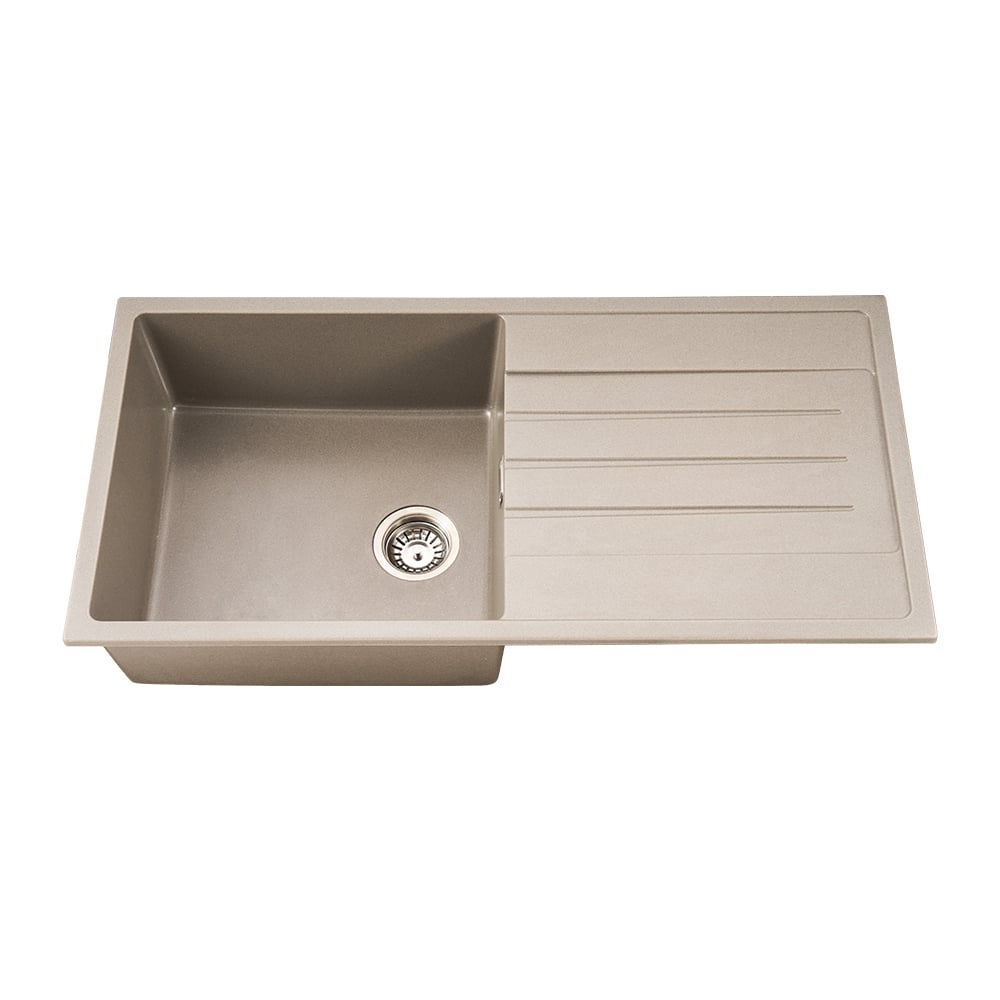
Choosing the right kitchen fixture requires understanding what makes a granite sink perform well in everyday use. A granite sink represents a significant investment in your kitchen, and evaluating its performance factors ensures you select a system that delivers durability, functionality, and aesthetic value over many years. Performance evaluation goes beyond visual appeal, encompassing material composition, structural integrity, thermal properties, and maintenance requirements that directly impact long-term satisfaction.
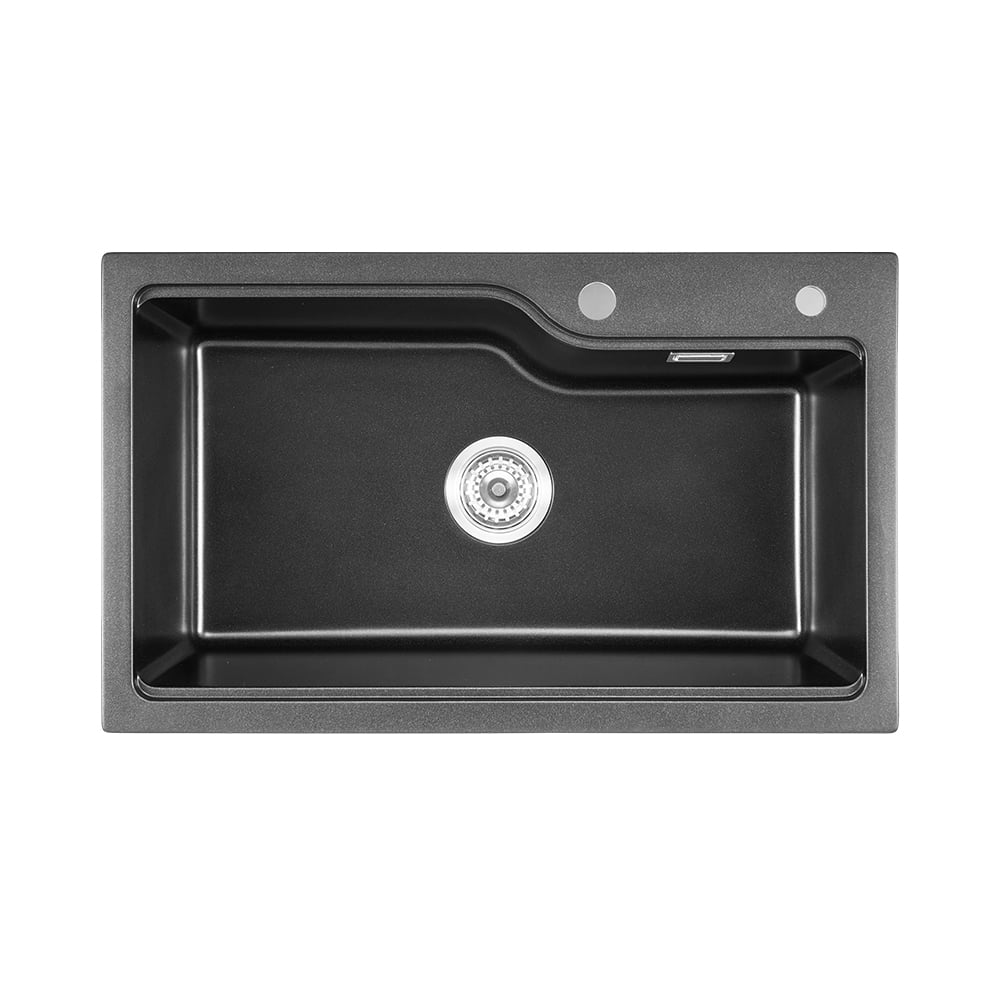
The modern granite sink has evolved significantly, moving beyond basic utility to become a design element that combines engineered performance with visual sophistication. When evaluating a granite sink, you must assess multiple interconnected factors that determine how the system will function, resist wear, and maintain its appearance under typical kitchen conditions. This comprehensive evaluation framework helps buyers make informed decisions that align with their usage patterns and long-term kitchen goals.
Material Composition and Construction Quality
Granite Blend Formulation and Density
The quality of a granite sink begins with its material composition. Modern granite sink systems typically combine natural granite particles with high-performance resin binders, creating a engineered composite that exceeds the performance of natural stone alone. The ratio of granite to resin, along with the particle size distribution, directly influences the sink's resistance to thermal shock, impact damage, and discoloration. Higher granite content generally correlates with superior durability and a more authentic appearance, though the resin quality matters equally in determining how well the material resists staining and degradation over time.
Surface Treatment and Protective Coatings
A high-quality granite sink features multiple protective layers that enhance its resistance to daily wear. The surface treatment applied to a granite sink typically includes UV-resistant coatings and specialized sealants that prevent water penetration into the material matrix. These protective treatments on your granite sink reduce the likelihood of color fading, minimize bacterial growth in microscopic surface irregularities, and maintain the material's original sheen. Evaluating the durability of the surface coating involves assessing how well it resists scratching from utensils and whether it remains effective after repeated cleaning cycles.
Thermal and Chemical Resistance Performance
Heat Tolerance and Thermal Stability
Thermal performance represents a critical evaluation metric for any granite sink in an active kitchen environment. A properly engineered granite sink can withstand temperature fluctuations without cracking or warping, a characteristic essential for functionality when users transition between hot dishwater and cold rinsing. The thermal shock resistance of a granite sink depends on the material's coefficient of expansion and the consistency of its formulation throughout the basin. Testing this performance involves observing how well the granite sink handles temperature extremes, including hot cookware placement near the sink area and exposure to boiling water during regular use.
Stain and Chemical Resistance Capabilities
Kitchen environments introduce numerous potential staining agents to a granite sink surface, from acidic foods to mineral-rich water. Evaluating a granite sink's resistance to common household substances requires understanding both the material's inherent porosity and the effectiveness of its protective coatings. A superior granite sink resists discoloration from coffee, wine, beet juice, and similar pigmented materials that would permanently mark lesser materials. Additionally, a quality granite sink maintains its appearance when exposed to mildly acidic cleaners and hard water deposits, which accumulate naturally in most kitchens over time.
Durability Factors and Long-Term Performance Indicators
Impact Resistance and Structural Integrity
Daily kitchen activity subjects a granite sink to constant mechanical stress from dropped utensils, cookware impacts, and pressure from scrubbing activities. The impact resistance of a granite sink determines whether the basin will chip, crack, or develop stress fractures under typical use conditions. Quality granite sink construction incorporates even particle distribution and optimal resin formulation to absorb impact energy without permanent damage. Evaluating impact performance involves examining the sink's edge reinforcement, the thickness of sidewalls, and whether the material maintains its structural integrity after years of intensive kitchen use.
Finish Retention and Surface Appearance Stability
The visual and tactile characteristics of a granite sink should remain consistent throughout its service life. A well-manufactured granite sink resists dulling of the finish, maintains consistent color saturation, and does not develop patchy discoloration patterns from repeated exposure to cleaning chemicals. The finish retention performance of your granite sink depends on the quality of initial polishing, the durability of protective coatings, and the material's resistance to oxidation and UV damage. Over time, a granite sink should maintain its aesthetic appeal without becoming dull, scratched, or faded under normal kitchen conditions.
Maintenance Requirements and Care Accessibility
Practical performance evaluation must include the level of maintenance a granite sink requires to maintain optimal appearance and hygiene. Some granite sink systems demand monthly resealing, specialized cleaning products, and labor-intensive maintenance protocols that complicate everyday kitchen routines. Others feature advanced formulations that resist staining and degradation with only standard dish soap and water for cleaning. Comparing the maintenance profiles of different granite sink options helps identify systems that deliver performance without imposing unrealistic upkeep demands on busy households.
FAQ
What makes a high-performance granite sink different from basic granite sink models?
High-performance granite sink systems incorporate superior resin formulations, premium granite particle selection, and multi-layer protective coatings that collectively enhance resistance to staining, heat damage, and physical impact. A basic granite sink may sacrifice durability in one or more of these areas to reduce manufacturing costs, resulting in lower stain resistance, increased vulnerability to thermal shock, or reduced surface finish longevity compared to engineered premium models.
How long should a quality granite sink maintain its performance characteristics?
A well-engineered granite sink manufactured from premium materials typically maintains its structural integrity and aesthetic appeal for 15 to 20 years under normal residential kitchen use. The protective coatings on an exceptional granite sink may require periodic reinforcement through resealing, though high-quality formulations can extend the interval between maintenance cycles. Performance longevity ultimately depends on the initial quality of the granite sink, the consistency of recommended care practices, and the intensity of kitchen activity it experiences.
Can temperature shock damage a granite sink during regular kitchen use?
Premium granite sink compositions are specifically engineered to withstand moderate temperature transitions that occur during typical dishwashing activities without cracking or warping. However, extreme thermal shock, such as placing boiling cookware directly in a cold granite sink repeatedly, can potentially compromise even quality material over extended periods. Most modern granite sink systems handle normal kitchen temperatures safely, though users should avoid deliberately subjecting the basin to rapid, extreme temperature fluctuations that exceed the material's designed thermal tolerance limits.