EN
EN


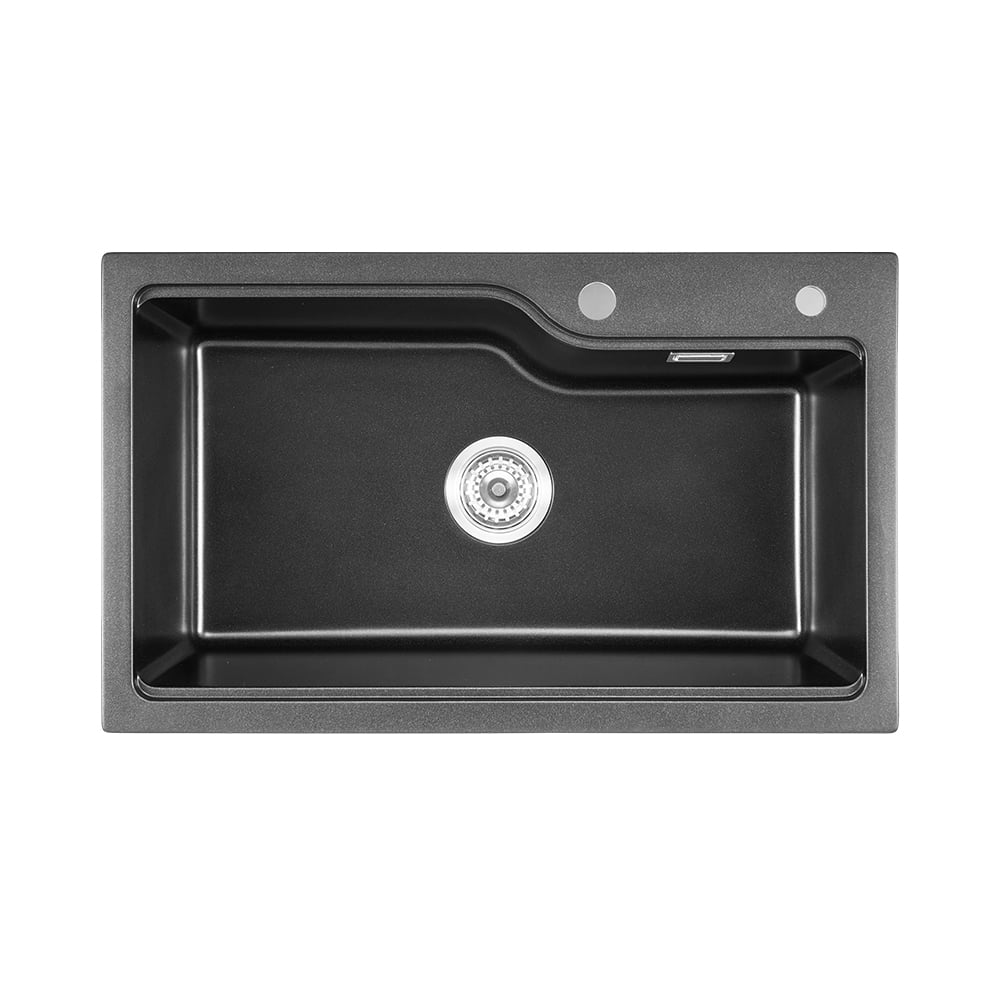
Understanding what makes a granite sink durable is essential when selecting kitchen fixtures that will withstand daily use and maintain their aesthetic appeal for years to come. A granite sink represents a significant investment in your kitchen, and knowing the material properties that contribute to its longevity helps you make an informed decision. The durability of a granite sink depends on several interconnected factors, including the composition of the composite material, the manufacturing process, the thickness of the basin, and the surface treatment applied during production. When you understand these material properties, you gain clarity on why certain granite sink options outperform others in real-world kitchen environments.

The term 'granite sink' typically refers to a composite material constructed from crushed granite stone mixed with acrylic resin binders and pigments. This engineered composition differs fundamentally from natural solid granite, which is rarely used for sink manufacturing due to porosity and structural limitations. A granite sink combines the aesthetic appeal and perceived luxury of natural stone with enhanced durability characteristics that natural granite alone cannot provide. The material properties of a granite sink make it resistant to thermal shock, scratches, staining, and bacterial growth, which are critical performance requirements in modern kitchens where functionality and hygiene standards are non-negotiable.
Composite Material Composition and Strength
Stone Aggregate and Resin Binding
The fundamental structure of a granite sink depends on the ratio of stone aggregate to resin binder. Premium granite sink products typically contain between 80% and 95% crushed granite particles combined with acrylic or polyester resin to form a cohesive composite. This high stone content gives the granite sink its visual authenticity and solid feel while maintaining structural integrity. The particle size distribution within the aggregate directly affects how a granite sink responds to thermal stress and mechanical impact. Larger, uniform particles create visible veining patterns that enhance the aesthetic appeal of the granite sink, while consistent particle sizes distribute stress loads more evenly across the surface.
Resin Quality and Cure Process
The type of resin used in manufacturing a granite sink significantly influences its resistance to chemical damage, color retention, and long-term durability. High-quality acrylic resins create a more flexible matrix that allows the granite sink to absorb minor impacts without cracking, whereas lower-grade polyester resins become brittle over time and may discolor under UV exposure. Proper curing and heat treatment during production ensures that a granite sink achieves maximum hardness and dimensional stability. Manufacturers that invest in extended curing processes produce a granite sink with superior resistance to hot water exposure and thermal cycling, which are the primary stressors in active kitchen environments.
Surface Hardness and Impact Resistance
Mohs Hardness Rating and Daily Wear
A granite sink typically rates between 7 and 8 on the Mohs hardness scale, making it one of the most durable kitchen fixture materials available for residential applications. This hardness level means that a granite sink resists scratching from standard kitchen utensils, metal pot handles, and everyday abrasive contact that would compromise softer materials like ceramic or stainless steel. The scratching resistance of a granite sink is particularly valuable in busy households where pots, pans, and dishware move constantly across the basin surface. Over several years of typical kitchen use, a granite sink maintains its polished finish with minimal visible wear or loss of aesthetic value, which justifies the initial investment compared to lower-durability alternatives.
Impact Tolerance and Thermal Shock Resistance
One of the most important material properties that defines a granite sink's longevity is its ability to withstand sudden temperature changes without cracking or crazing. A granite sink can safely transition from holding boiling water to receiving cold ice without structural failure, a capability that stainless steel and ceramic materials cannot match reliably. The composite nature of a granite sink allows it to distribute thermal stress across its matrix more effectively than solid stone or brittle materials. This thermal stability means a granite sink maintains its structural integrity through hundreds of thermal cycles each year, a critical advantage in kitchens where temperature extremes are routine daily occurrences.
Stain and Bacterial Resistance Properties
Non-Porous Surface Characteristics
Unlike natural granite, a manufactured granite sink features a non-porous surface that prevents liquid absorption and staining from coffee, wine, oils, and acidic foods. The resin binder in the granite sink seals the stone aggregate at the molecular level, creating a barrier that blocks moisture penetration. This non-porous property of a granite sink is critical for hygiene compliance and appearance preservation over time. Without porosity to trap bacteria and mold, a granite sink naturally resists microbial growth and requires only basic soap and water cleaning for sanitation, making it substantially more hygienic than porous materials like ceramic or wood.
Chemical Resistance and Finish Protection
Premium granite sink products receive protective coatings that enhance chemical resistance to acidic cleaning agents, lemon juice, vinegar, and other kitchen substances that could otherwise cause discoloration or surface etching. A granite sink with properly applied protective coatings maintains color consistency and gloss level even after decades of exposure to diverse chemical environments. The resin matrix in a granite sink naturally resists most common household chemicals, but factory-applied coatings provide additional insurance against accidental damage from harsh cleaners or drain treatments. This multi-layered protection strategy ensures that a granite sink remains visually and functionally superior throughout its useful lifespan.
FAQ
How long does a granite sink typically last with proper care?
A well-maintained granite sink can last between 15 and 25 years or longer in residential kitchens with normal to moderate use. The actual lifespan of a granite sink depends on cleaning habits, the types of cookware used, and exposure to extreme temperatures. Households that follow manufacturer maintenance guidelines and avoid abrasive scrubbing tools typically experience granite sink performance that exceeds initial expectations. Some granite sink installations have remained functional and aesthetically acceptable after 30 years, demonstrating that material property durability translates directly into real-world longevity when users treat their fixtures responsibly.
What temperature extremes can a granite sink withstand?
A granite sink can safely handle water temperatures ranging from near-freezing to approximately 280 degrees Fahrenheit without cracking or warping. Most granite sink products are engineered to tolerate rapid transitions between hot and cold water, though extreme temperature changes within seconds can occasionally cause thermal stress. The composite structure of a granite sink distributes heat more gradually than solid materials, preventing the concentrated stress points that lead to failure in less flexible options. Typical kitchen use, even with boiling water and ice, operates well within the safe temperature envelope of a granite sink.
Does a granite sink require special sealing or maintenance to maintain durability?
Most modern granite sink products arrive with factory-applied protective coatings that eliminate the need for regular sealing or special treatments beyond basic cleaning. Unlike natural stone countertops that require periodic resealing, a granite sink maintains its protective layer indefinitely with normal care. Rinsing with warm water and mild dish soap immediately after use preserves the granite sink finish and prevents buildup of mineral deposits or food residue. Annual deep cleaning with a non-abrasive stone cleaner helps maintain the original appearance of your granite sink, but this is optional for functionality and durability rather than essential for structural preservation.