EN
EN


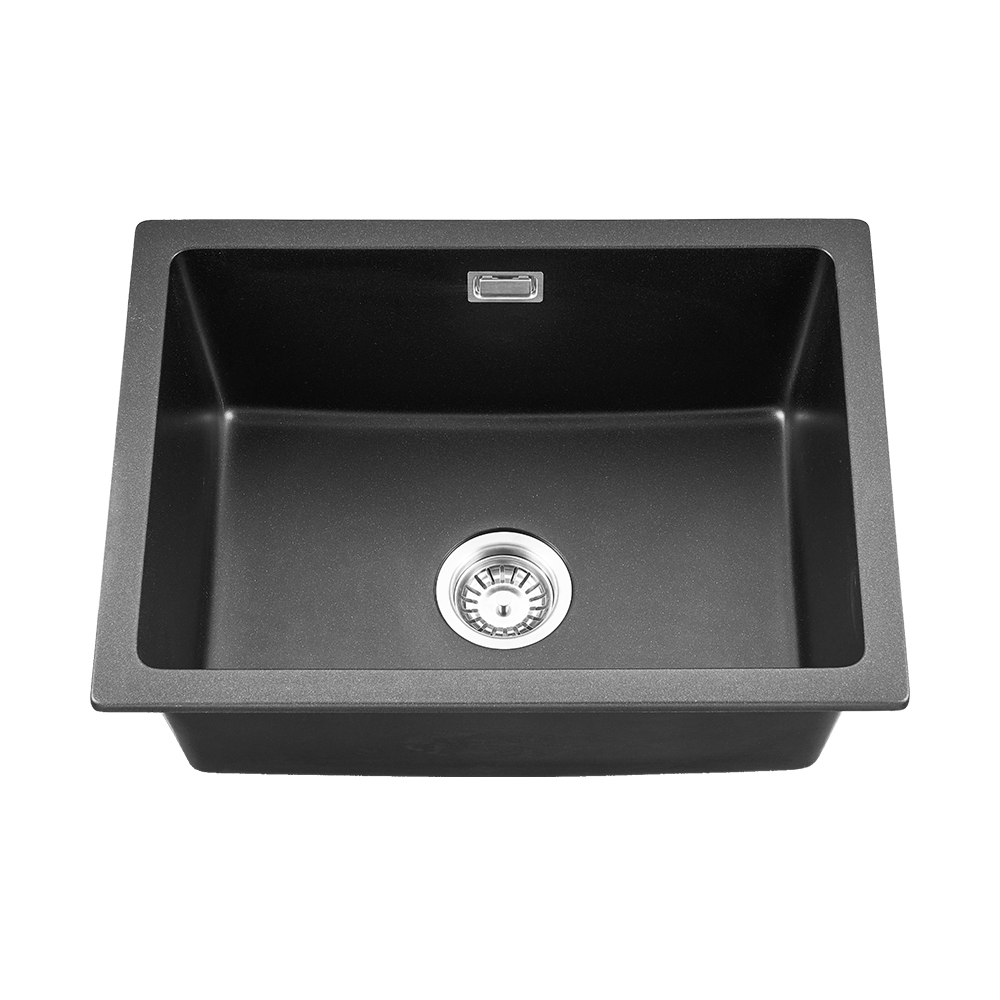
Modern kitchens demand robust solutions that can withstand constant use without compromising aesthetics or functionality. A granite sink has emerged as a preferred choice for households and commercial kitchens experiencing high frequency usage patterns. Unlike traditional stainless steel or ceramic options, a granite sink combines engineered stone composition with modern manufacturing techniques to deliver exceptional performance under demanding conditions. This article explores how a granite sink performs when subjected to the rigorous demands of busy kitchen environments.
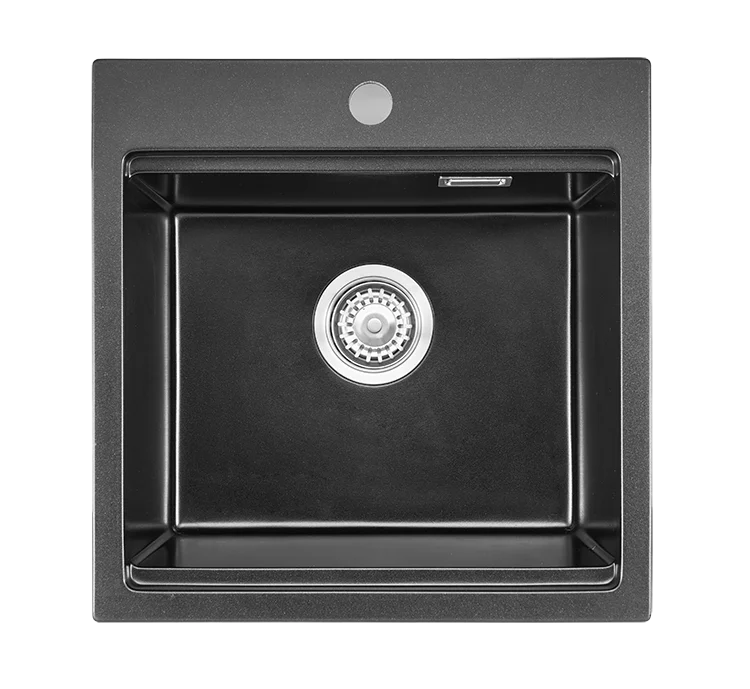
Understanding the real-world performance characteristics of a granite sink requires examining its material composition, structural integrity, and resistance to common kitchen stressors. When families prepare multiple meals daily, wash large quantities of cookware, and expose sink surfaces to temperature fluctuations and abrasive contact, the sink material must perform reliably without deterioration. A granite sink is engineered from natural granite stone mixed with resin binders, creating a non-porous, dense surface that outperforms many conventional alternatives in high-traffic kitchen scenarios.
Material Composition and Durability of Granite Sink
Understanding Engineered Granite Construction
A granite sink combines natural granite particles with polyester or acrylic resin, creating a homogeneous, durable material that resists scratching, staining, and thermal shock. The granite sink manufacturing process involves compressing granite chips under high pressure and heat, resulting in a solid surface with consistent performance characteristics. This engineered approach ensures that a granite sink maintains structural integrity even when exposed to intense, prolonged use patterns typical in busy kitchens where the sink may be in operation for ten to twelve hours daily.
Impact Resistance and Scratch Prevention
One of the critical performance factors for a granite sink in high-frequency usage environments is its resistance to impact damage and surface scratching. The dense composition of a granite sink prevents sharp cookware, metal utensils, and dropped items from creating visible marks or functional damage. When compared to ceramic or acrylic alternatives, a granite sink demonstrates superior resistance to the cumulative wear patterns that develop over months and years of intensive kitchen activity, maintaining its original appearance longer than less durable materials.
Thermal Performance and Temperature Stability
Heat Resistance Under Continuous Use
High frequency kitchen usage involves constant exposure to both hot and cold water, creating thermal stress that compromises inferior sink materials. A granite sink exhibits excellent thermal stability, withstanding direct contact with boiling water from pasta cooking, dishwashing, and cleaning operations without warping, discoloration, or structural damage. The engineered composition of a granite sink allows rapid temperature changes without the microcracking or expansion issues that affect natural stone or susceptible composite materials, making it ideal for kitchens where multiple users access the sink simultaneously with varying water temperatures.
Prevention of Thermal Shock Damage
Thermal shock occurs when a surface experiences sudden, extreme temperature changes, potentially causing cracks or permanent damage. A granite sink resists thermal shock because its resin-bound structure distributes thermal stress evenly across the entire surface rather than concentrating stress at weak points. In busy kitchens where users may rinse hot baking trays immediately followed by cold produce, a granite sink maintains its integrity and appearance, eliminating concerns about unexpected failure or cosmetic damage from daily temperature fluctuations.
Stain Resistance and Easy Maintenance During Heavy Usage
Non-Porous Surface Protection
The non-porous nature of a granite sink provides inherent stain resistance, a crucial advantage in high-frequency kitchen environments where juice, coffee, red wine, and other pigmented liquids frequently contact the sink surface. A granite sink does not absorb liquids or bacteria into its matrix, preventing permanent discoloration and eliminating hygiene concerns that plague more porous sink materials. This non-porous characteristic means a granite sink requires minimal special treatment to maintain its appearance, supporting the practical maintenance demands of busy households and commercial kitchens operating under intense daily schedules.
Simplified Cleaning Protocols
Maintaining a granite sink under continuous high-frequency usage demands simplified, effective cleaning protocols that don't require expensive or time-consuming restoration procedures. A granite sink responds well to standard mild detergent and warm water, with occasional treatment using specialized granite cleaner to maintain shine and protection. Unlike materials requiring professional refinishing after staining or requiring rigorous protocols to prevent damage, a granite sink allows users to focus on core kitchen operations rather than elaborate sink maintenance, making it particularly valuable in busy households or commercial food preparation environments where efficiency and reliability are paramount.
Hygiene and Bacterial Resistance
Antimicrobial Benefits of Dense Composition
High frequency kitchen usage intensifies hygiene concerns because the sink becomes a primary contact surface for raw food preparation, dishwashing, and general kitchen cleaning. A granite sink's non-porous, sealed surface prevents bacteria and pathogens from establishing colonies within the material structure, maintaining superior hygiene compared to natural stone or porous composites. The seamless, continuous surface of a granite sink eliminates hidden crevices where bacteria typically accumulate, supporting food safety standards and providing peace of mind for families preparing meals multiple times daily or commercial operations subject to health code inspections.
Durability of Protective Surface Seal
A granite sink typically features an applied protective seal that enhances stain resistance and antimicrobial properties, requiring periodic reapplication to maintain optimal performance under intense usage. The protective seal on a granite sink typically remains effective for two to three years under heavy use, after which resealing maintains the material's defensive characteristics. This straightforward maintenance task ensures a granite sink continues delivering superior hygiene and stain resistance throughout its service life, supporting the demanding operational requirements of high-frequency kitchen environments without requiring replacement or major restoration.
Real-World Performance Scenarios
Commercial Kitchen Applications
Commercial kitchens, restaurants, and food service operations experience usage intensities far exceeding residential environments, making material selection critical for operational reliability and cost management. A granite sink consistently demonstrates superior performance in these demanding scenarios, withstanding sixteen-hour operational days, thousands of dishes processed weekly, and direct contact with commercial-grade cleaning agents. The investment in a granite sink for commercial kitchens typically returns value through extended service life, reduced replacement frequency, and decreased maintenance costs compared to stainless steel or ceramic alternatives that may require professional restoration after one to two years of intensive use.
Multi-User Residential Kitchens
Residential kitchens with multiple family members, frequent entertaining, or catering activities experience elevated usage patterns approaching light commercial intensity. A granite sink in these environments maintains its appearance and performance quality even when handling daily demand spikes, large batch cooking sessions, and entertaining-related cleaning workloads. Families choosing a granite sink for multi-user residential kitchens gain the confidence that their sink investment will remain reliable and attractive throughout the home's occupancy, supporting both daily functionality and long-term aesthetic appeal that contributes to kitchen value and user satisfaction.
FAQ
Does a granite sink scratch easily under heavy daily use?
A granite sink resists scratching far better than ceramic, acrylic, or standard composites due to its dense engineered composition. While extremely hard objects or repeated abrasive contact might produce minor surface marks over several years, a granite sink maintains its original appearance much longer than alternative materials. Most household and commercial use patterns will not produce visible scratching, making a granite sink suitable for high-frequency kitchen environments where appearance preservation is important.
How often does a granite sink need resealing to maintain performance?
A granite sink typically requires resealing every two to three years under heavy usage conditions to maintain optimal stain resistance and protective qualities. Resealing is a straightforward process that homeowners or facility managers can often complete independently using commercially available granite sealer products. Regular resealing ensures a granite sink continues performing at peak capacity, preventing gradual degradation of the protective surface and extending the overall service life of the sink investment significantly.
Can a granite sink withstand rapid temperature changes from hot to cold water?
Yes, a granite sink excels at handling thermal stress and rapid temperature changes that would damage ceramic or certain composite materials. The engineered resin-bound structure of a granite sink distributes thermal stress evenly, preventing cracking or warping from thermal shock. This thermal stability makes a granite sink ideal for busy kitchens where users routinely rinse hot cookware followed immediately by cold produce without concern for thermal damage or material failure.