EN


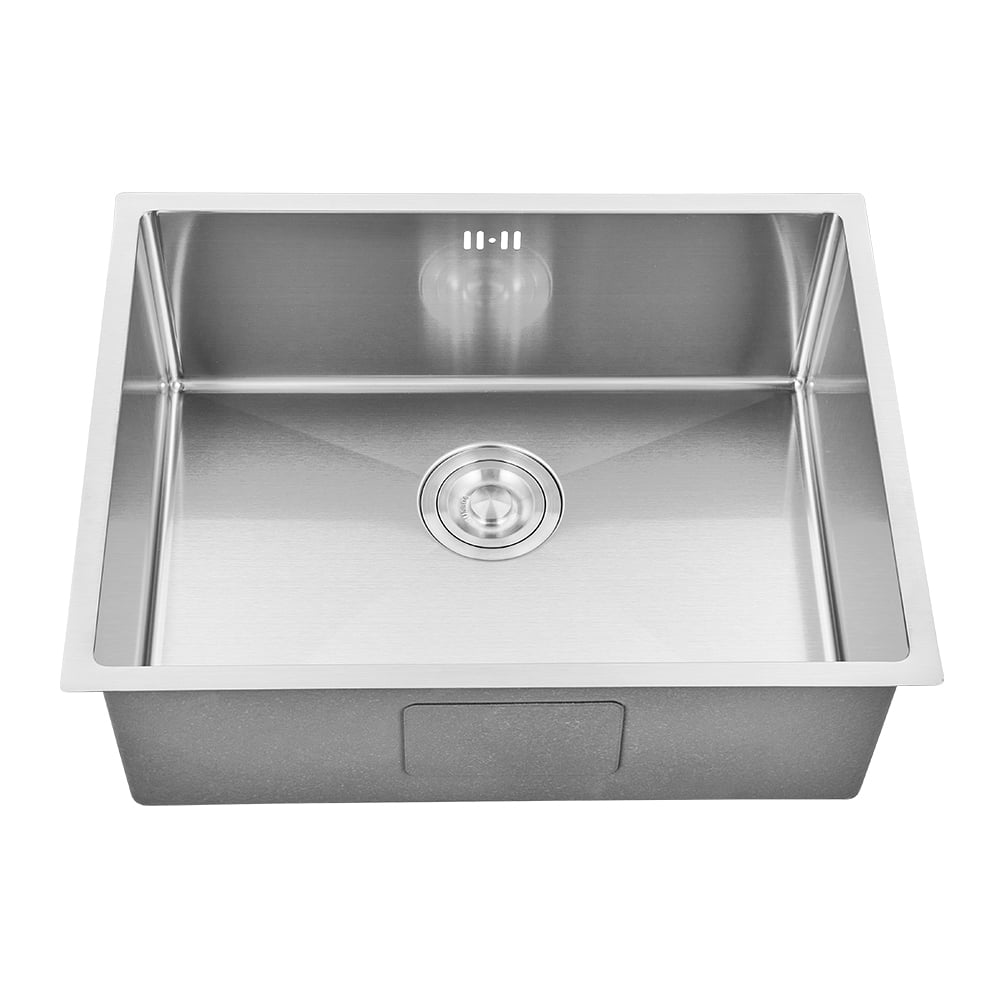
An undermount sink suits a modern kitchen because it keeps the basin edge below the worktop, creating a continuous, uncluttered surface. This simple arrangement changes more than appearance: an undermount sink can make countertop cleanup easier, preserve visual flow, and work with a range of materials. Its design advantages are strongest when the counter, cabinet, and installation are planned together.
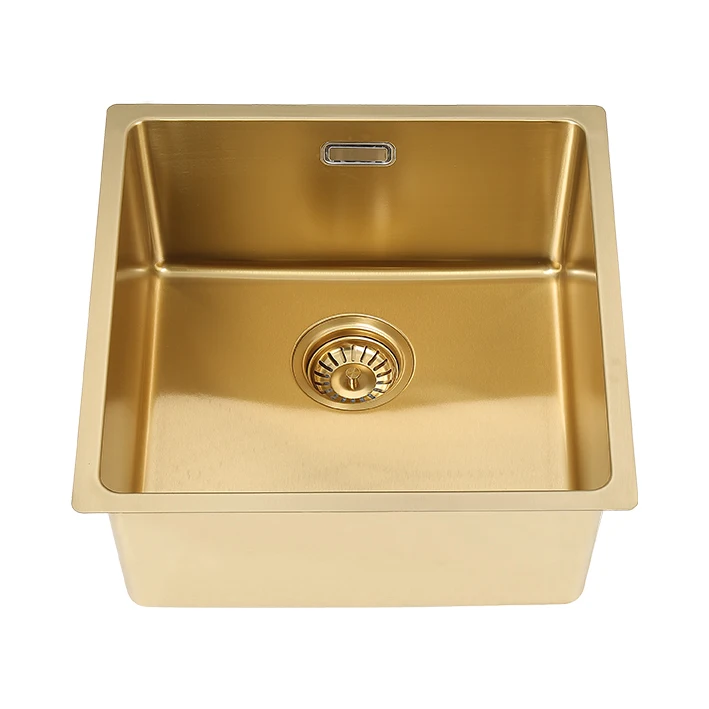
The choice is not automatically right for every kitchen. A modern undermount sink depends on a suitable worktop, accurate support, and a basin size matched to daily tasks. Understanding those design relationships helps homeowners, designers, and project teams decide whether an undermount sink will deliver the clean, practical result they want.
A cleaner visual relationship with the worktop
A continuous surface creates a restrained look
Because the rim sits beneath the counter, an undermount sink removes the raised lip that can interrupt a worktop’s outline. The counter appears to meet the basin directly, helping a compact kitchen feel less visually segmented. This understated transition suits contemporary cabinetry, where simple profiles and broad, uninterrupted planes often define the overall look.
An undermount sink also lets the worktop remain the primary visual surface. Rather than introducing a visible metal or composite frame above the counter, the basin contributes a quieter detail beneath it. That distinction is useful when a kitchen includes patterned stone, a restrained palette, or carefully aligned cabinet fronts that benefit from fewer competing edges.
Material coordination shapes the final effect
The design works especially well when the counter material can support a clean cutout and finished edge. Stone and other solid surfaces commonly allow the opening to be shaped and polished, while the chosen basin finish can either blend with nearby fixtures or provide a measured contrast. An undermount sink should be considered alongside the counter sample, not selected in isolation.
Color, edge profile, and basin proportion influence how integrated the installation feels. A stainless steel undermount sink may complement appliances and taps, while a deeper or wider basin creates a more substantial feature below the surface. In either case, ask the fabricator to confirm the exposed edge, opening dimensions, and intended reveal before production begins.
Practical advantages during everyday kitchen work
Countertop cleanup has fewer obstacles
With no raised rim to catch crumbs, water, or food scraps, an undermount sink makes it possible to wipe the counter toward the basin. That direct route can simplify routine cleanup around a busy preparation area. It does not eliminate the need to clean the joint, but it removes one common ledge from the work surface.
This benefit is most noticeable when the sink sits beside a frequently used chopping or serving zone. A cloth or squeegee can move debris off the counter without navigating an exposed top-mounted lip. For kitchens where several people prepare meals, an undermount sink can support a smoother workflow by keeping the boundary between counter and bowl visually and physically clear.
Basin choice can match real tasks
A single-bowl undermount sink offers an open area for washing larger cookware, rinsing produce, or filling containers. A divided configuration may help separate activities, but it introduces a partition that affects usable space. The right undermount sink layout depends on cookware dimensions, meal routines, available cabinet width, and whether the kitchen already includes a dishwasher.
Depth also deserves practical attention. A deeper undermount sink can contain splashes and accommodate taller items, yet the cabinet and user posture must remain comfortable. Review basin depth with the tap height and counter thickness, since these details influence clearance and access. A well-sized undermount sink balances capacity with comfortable reach instead of maximizing bowl volume alone.
Design planning that protects fit and function
Counter support and installation need coordination
Unlike a sink resting on the counter, an undermount sink relies on secure support beneath the worktop. The installer must coordinate mounting hardware, sealant, cabinet structure, and cutout accuracy. Confirming these requirements early helps prevent conflicts with drawers, plumbing, or a cabinet rail and lets the fabricator prepare an opening suited to the selected basin.
The exposed joint is a small detail with an outsized effect on the finished appearance. A consistent reveal can make an undermount sink look deliberately integrated, while an uneven opening may draw attention to the installation. Specify whether the edge should sit flush, show a slight counter overhang, or reveal more of the basin, then ensure the drawings communicate that choice clearly.
Maintenance and project constraints belong in the decision
The seam around an undermount sink needs routine inspection and cleaning, especially in a high-use kitchen. Appropriate care depends on the counter and basin materials, so follow their maintenance guidance rather than assuming one cleaning method fits all surfaces. Good detailing and a sound seal help the junction remain neat, but no installation removes ordinary upkeep.
Before specifying an undermount sink, verify that the chosen worktop is suitable and that the project schedule allows precise fabrication. Also check cabinet dimensions, plumbing position, tap placement, and any accessories that must fit inside the bowl. When those details align, the undermount sink can deliver a cohesive appearance without sacrificing the everyday access the kitchen requires.
For a product reference during early planning, review this undermount sink option and compare its stated dimensions with the project drawings. Confirming the actual specification remains essential: a suitable undermount sink must fit the prepared opening, cabinet, worktop thickness, and intended use. Treat the product details as a starting point for coordination rather than a substitute for site measurements.
FAQ
Why does an undermount sink look more integrated?
Its rim is installed below the countertop, so the work surface is not interrupted by a raised border. The visible result is a simpler transition between counter and basin. An undermount sink looks most cohesive when its finish, cutout, and counter edge are considered together.
Is an undermount sink easier to clean around?
It can make countertop wiping more direct because crumbs and water can be swept into the bowl without crossing a raised sink rim. The seam still requires regular care, and the best cleaning method depends on the materials. An undermount sink simplifies one part of cleanup, not every maintenance task.
What should be checked before choosing one?
Confirm worktop compatibility, cabinet clearance, basin dimensions, mounting support, and the desired edge reveal. Also consider bowl depth, tap position, and the tasks performed most often. These checks help ensure an undermount sink fits both the kitchen design and its daily operating needs.