EN


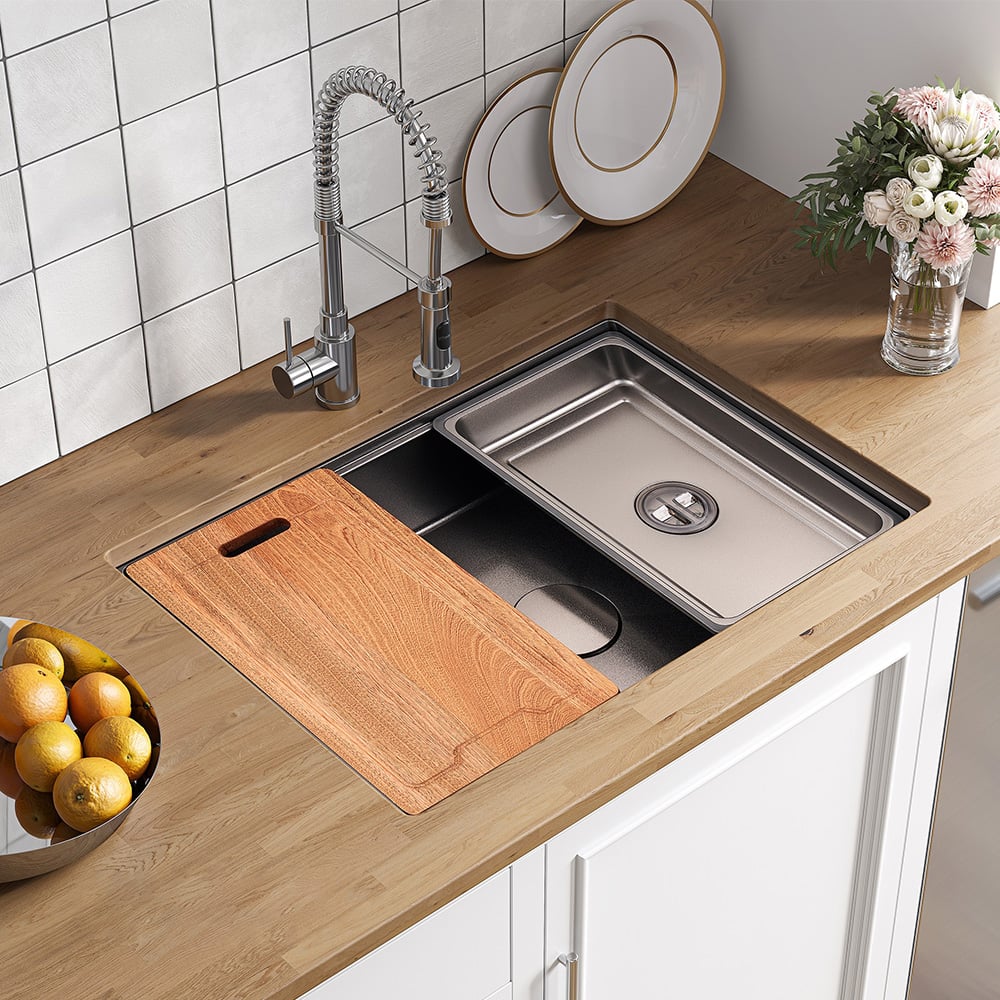
An undermount sink is popular in contemporary interior projects because it creates a clean transition between the worktop and basin. Designers value the uncluttered edge, while homeowners appreciate being able to sweep crumbs and spills directly into the bowl. The undermount sink also works across several kitchen styles, making it a practical design decision rather than a short-lived trend.
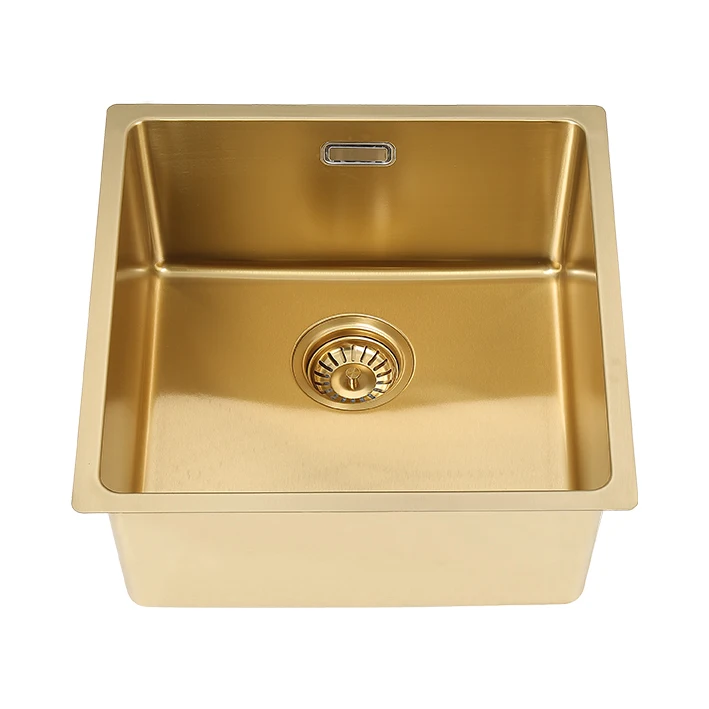
Its appeal is strongest when appearance and everyday use need to work together. An undermount sink removes the raised rim associated with some top-mounted models, so the counter reads as a more continuous surface. In a carefully planned kitchen, the undermount sink can support a restrained aesthetic without making the basin feel like an afterthought.
Design qualities that suit contemporary interiors
A visually continuous countertop
Contemporary interiors often use simple lines, broad surfaces, and fewer visible transitions. An undermount sink supports that approach because its rim sits beneath the counter rather than resting on top. This arrangement lets the worktop remain visually dominant, and an undermount sink can make a compact kitchen feel less segmented. The result is subtle, but it helps the whole composition look intentional.
Material choice influences how noticeable this effect becomes. With stone or a solid-surface counter, an undermount sink lets the edge and basin form a coordinated detail instead of competing outlines. The undermount sink also leaves more of the counter visible around the bowl, which matters on limited work surfaces. Designers can specify a finish that complements the counter, cabinetry, and tapware.
A restrained look with flexible styling
A clean profile does not restrict a project to one decorative style. An undermount sink can sit comfortably in a minimal kitchen, a warm modern renovation, or a professional-looking utility space. Since the basin does not introduce a prominent lip, the undermount sink allows nearby finishes and fixtures to establish the room’s character. This flexibility helps teams coordinate the sink with the wider interior brief.
Basin shape and finish still affect the final impression. A softly curved bowl may feel less formal, while a squared profile can reinforce crisp cabinetry lines. Choosing an undermount sink means considering those details alongside the visible counter edge. The undermount sink should look balanced with the worktop thickness and tap position, rather than being selected from a product image alone.
Everyday function behind the design appeal
Simpler countertop cleanup
The lack of a raised rim is not only a visual benefit. With an undermount sink, users can wipe water, food particles, and light debris from the worktop into the basin without crossing a top-mounted edge. That practical movement is one reason the undermount sink appeals in busy homes and staff kitchens. It can make routine surface cleaning feel more direct.
The counter and basin still need regular care, and the joint between them deserves attention. An undermount sink relies on a properly finished, sealed connection, so cleaning should follow the worktop and sealant care guidance. When teams assess an undermount sink, they should consider who will maintain the area and how often the kitchen is used. Good detailing supports the easy-clean advantage.
Usable space and adaptable layouts
Because the rim does not sit on top of the counter, an undermount sink can preserve a broad, uninterrupted working area around the bowl. This can be useful when preparing food, setting down dishes, or arranging small appliances. In a compact plan, the undermount sink may help the countertop feel more usable, although the actual benefit depends on bowl size and placement.
Layout decisions should account for the tasks performed at the sink, not appearance alone. A single basin may suit larger cookware, while other workflows may call for separate washing and preparation zones. An undermount sink can accommodate different basin configurations, but cabinet width, plumbing, and accessories set practical limits. Reviewing those constraints early helps an undermount sink serve the room instead of merely completing its look.
Project considerations before specifying the sink
Countertop compatibility and installation
An undermount sink must be supported and sealed beneath the counter, so material compatibility is a central specification issue. The fabricator or installer needs to confirm that the worktop can accept the cutout and attachment method. Before approving an undermount sink, project teams should coordinate dimensions, edge treatment, cabinet clearance, and plumbing access. Accurate drawings reduce late changes and help align trades.
Installation quality affects both appearance and long-term serviceability. The opening should match the basin, the exposed counter edge should be finished appropriately, and the joint should use a suitable seal. An undermount sink also needs secure support according to the chosen system and project requirements. Confirming responsibilities between the countertop fabricator, installer, and plumbing team helps prevent gaps in the handoff.
Balancing design value with project needs
The popularity of an undermount sink does not make it the right choice for every project. A decision should reflect the counter material, expected maintenance, budget, installation conditions, and user preferences. When those factors align, an undermount sink delivers a coherent mix of function and visual simplicity. When they do not, another mounting style may better suit the specification.
For product review, compare measured bowl dimensions, steel or other material specifications, drain location, and included installation information. An undermount sink should be evaluated as part of the complete worktop and cabinet assembly, not as an isolated fixture. Teams can review a undermount sink alongside the project drawings to check whether its form and installation needs match the intended kitchen.
FAQ
Why is an undermount sink popular in modern kitchens?
An undermount sink creates a neat counter-to-basin transition and makes it easier to sweep surface debris into the bowl. Its understated profile also pairs with varied interior schemes. The undermount sink is especially appealing when a project prioritizes continuous work surfaces, provided the counter material and installation plan are suitable.
Is an undermount sink easier to clean?
An undermount sink can simplify wiping the countertop because there is no raised rim to obstruct movement into the basin. However, the counter-basin joint still needs appropriate sealing and routine care. For an undermount sink, follow maintenance guidance for both the worktop and the sealant to protect the finished connection.
What should a project team check before choosing one?
Confirm counter compatibility, cutout dimensions, cabinet clearance, support, plumbing access, and maintenance expectations. An undermount sink also needs coordination between the fabricator and installer so the edge and joint are finished correctly. Reviewing these details before purchase helps ensure the undermount sink fits the design and the site conditions.