EN
EN


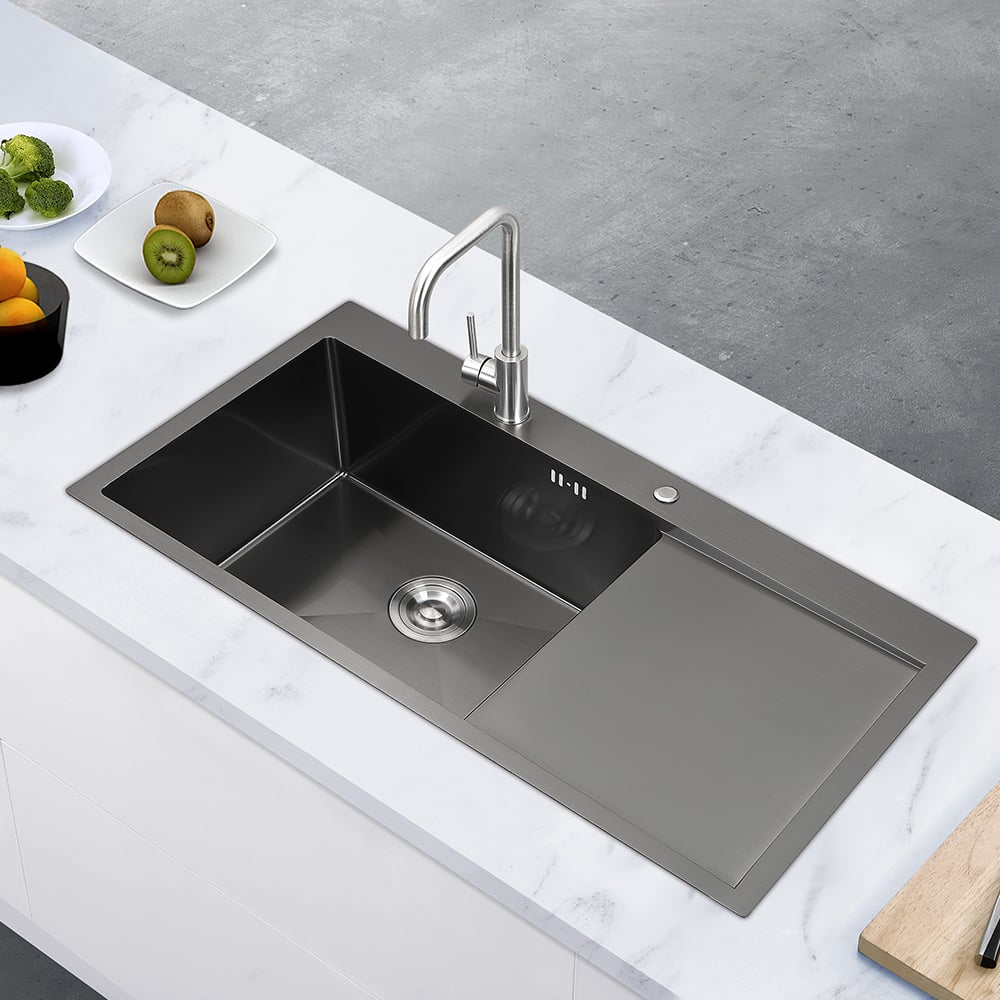
The stainless kitchen sink has become an essential fixture in contemporary kitchens, offering far more than basic functionality. Modern homeowners and designers increasingly recognize that a stainless kitchen sink provides distinct advantages that go beyond aesthetic appeal. Understanding these functional benefits helps you make an informed decision when selecting the right stainless kitchen sink for your culinary space.

A stainless kitchen sink stands out as a practical and stylish choice for kitchens of all sizes. The material properties of stainless steel create a robust foundation for daily kitchen activities, from meal preparation to cleanup. Whether you are renovating an existing kitchen or designing a new culinary space, recognizing how a stainless kitchen sink contributes to both performance and design cohesion becomes critically important.
Material Durability and Longevity
Superior Resistance to Corrosion
The stainless kitchen sink excels in resisting corrosion due to the chromium content in stainless steel. This protective layer prevents rust formation even when exposed to moisture, acidic foods, and mineral-laden water. Unlike traditional materials that deteriorate over years of use, a stainless kitchen sink maintains its structural integrity and appearance through decades of daily use. The corrosion resistance of stainless steel ensures that your stainless kitchen sink investment remains functional and attractive for an extended period.
Impact and Heat Tolerance
A stainless kitchen sink demonstrates exceptional resistance to impacts and temperature fluctuations. The material absorbs shock from dropped cookware without denting or cracking, a critical advantage in busy kitchen environments. Additionally, stainless steel handles hot water and cooking vessels without warping or degrading. This stainless kitchen sink durability means you can confidently place hot pans directly into the sink without concerns about material failure or surface damage.
Hygienic and Sanitation Benefits
Non-Porous Surface Advantages
The stainless kitchen sink provides a non-porous surface that prevents bacterial growth and food particle accumulation. Unlike porous materials such as granite or composite sinks, a stainless kitchen sink does not harbor harmful microorganisms in microscopic crevices. This hygienic property makes the stainless kitchen sink particularly suitable for food preparation areas where sanitation standards must remain consistently high. The smooth surface of stainless steel allows easy sanitization with standard cleaning products.
Easy Maintenance and Cleaning
Maintaining a stainless kitchen sink requires minimal effort compared to alternative sink materials. The stainless kitchen sink responds well to routine cleaning with mild soap and water, and stubborn residue yields quickly to gentle scrubbing. Unlike porous surfaces that stain permanently, a stainless kitchen sink resists discoloration from coffee, wine, or cooking oils. Regular care of your stainless kitchen sink preserves its appearance and function without requiring specialized products or intensive labor.
Design Flexibility and Aesthetic Appeal
Versatile Installation Options
The stainless kitchen sink accommodates multiple installation styles to match your kitchen design philosophy. Whether you prefer an undermount stainless kitchen sink that integrates seamlessly with countertops or a top-mounted version that creates bold visual contrast, the stainless kitchen sink adapts to your preferences. The neutral tone of stainless steel complements contemporary, traditional, and transitional kitchen styles equally well. A stainless kitchen sink becomes the foundation for your overall kitchen aesthetic rather than limiting your design choices.
Finish Options and Surface Treatments
Modern stainless kitchen sink manufacturers offer varied surface finishes that enhance both functionality and appearance. Brushed finishes on a stainless kitchen sink conceal minor scratches and fingerprints while maintaining elegance. Polished versions of the stainless kitchen sink create a mirror-like appearance for contemporary kitchens. These finish variations allow your stainless kitchen sink to integrate seamlessly with your countertop materials and appliance palette. Each stainless kitchen sink finish option serves both practical and aesthetic purposes simultaneously.
Performance Features and Practical Functionality
Water Drainage and Capacity
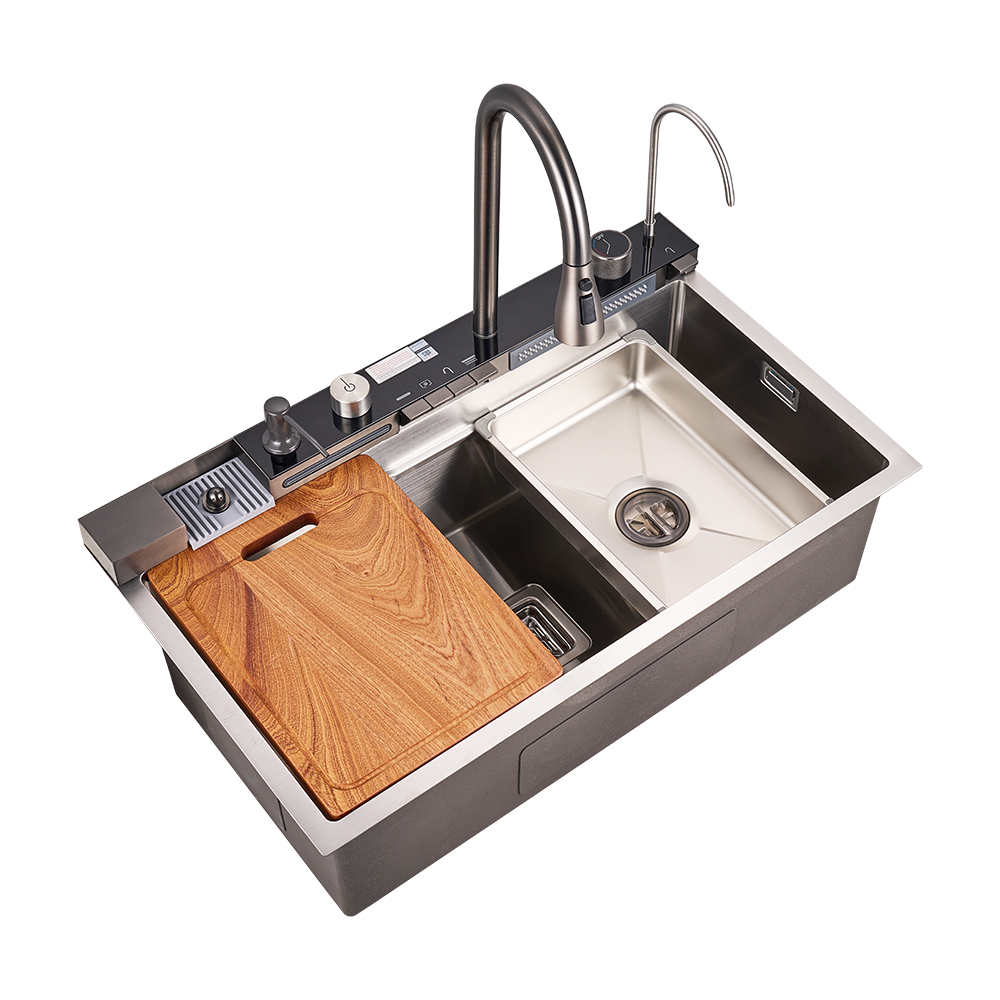
The stainless kitchen sink typically features efficient drainage systems that prevent water pooling and standing liquid. Multi-bowl configurations of a stainless kitchen sink allow simultaneous food preparation and cleanup activities. Modern stainless kitchen sink designs incorporate slopes and positioning that encourage rapid water flow toward drain outlets. The substantial capacity of a stainless kitchen sink accommodates large cookware and provides ample space for soaking and washing tasks.
Noise Reduction and Sound Dampening
Premium stainless kitchen sink models include sound-dampening underlayments that reduce clanging and water noise. This functional advantage of the stainless kitchen sink becomes particularly valuable in open-concept kitchen environments where noise travels freely. The stainless kitchen sink with integrated vibration-reducing technology creates a quieter, more pleasant kitchen experience. This feature demonstrates how modern stainless kitchen sink design addresses both auditory comfort and pure functionality.
FAQ
What factors determine the quality of a stainless kitchen sink?
Quality stainless kitchen sink products use grade 304 or 316 stainless steel, which resists corrosion superior to lower grades. Thickness of the material, measured in gauge, directly affects how well the stainless kitchen sink resists denting. Construction quality, including welding integrity and edge finishing, distinguishes premium stainless kitchen sink options from budget alternatives. A stainless kitchen sink with proper construction specifications ensures years of reliable performance.
How does a stainless kitchen sink compare to other sink materials?
A stainless kitchen sink offers superior durability compared to composite or acrylic sinks, which stain and scratch more easily over time. Granite and quartz sinks are heavier than stainless steel, requiring reinforced countertop support, whereas the stainless kitchen sink works with standard installations. The stainless kitchen sink typically costs less than stone alternatives while maintaining comparable aesthetics and superior corrosion resistance. Your choice between a stainless kitchen sink and other materials depends on budget, maintenance preferences, and design priorities.
Can a stainless kitchen sink prevent water spotting?
Hard water minerals can create visible spots on a stainless kitchen sink after water dries. However, the stainless kitchen sink resists the staining that would permanently mark porous materials. Wiping your stainless kitchen sink dry after use prevents mineral deposits from forming on the surface. Regular care of the stainless kitchen sink, including occasional polishing, maintains its appearance and prevents mineral buildup that affects its visual appeal.