EN
EN


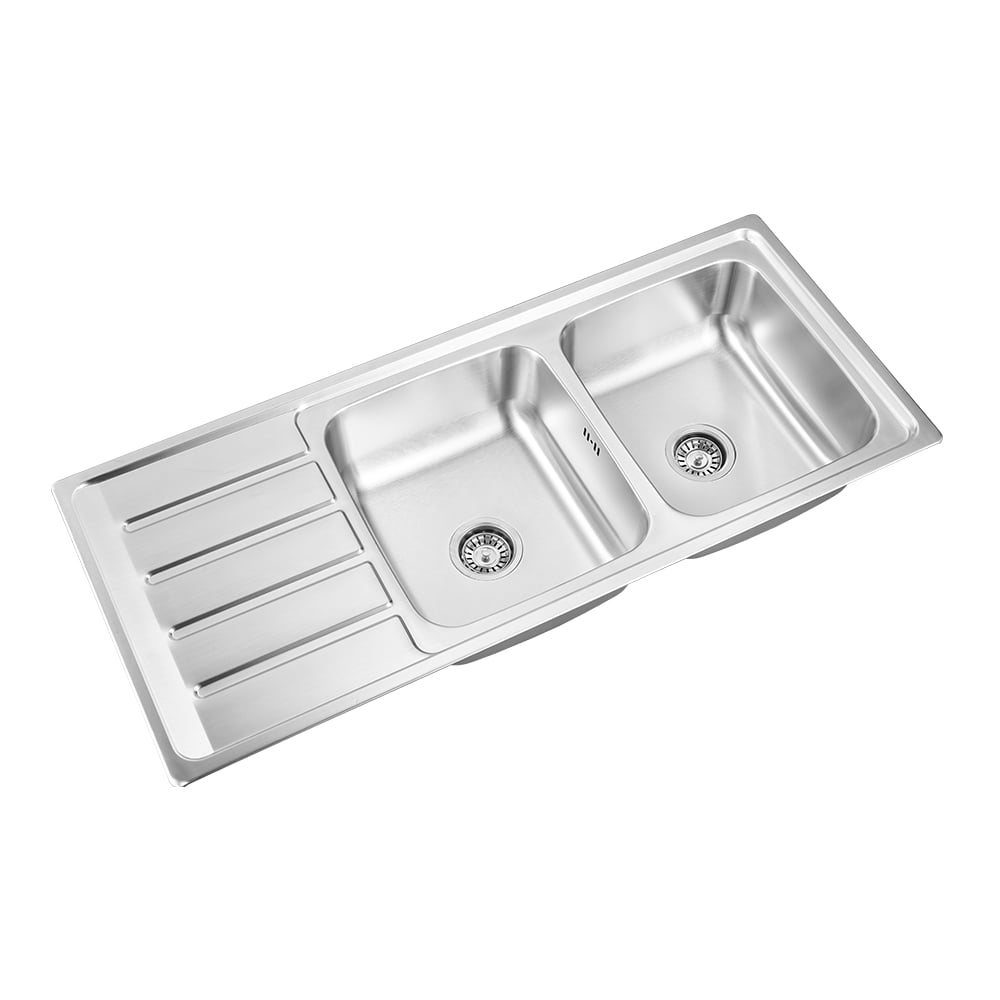
Modern kitchen design has evolved dramatically over the past decade, moving beyond pure functionality toward spaces that blend aesthetics, technology, and wellness. At the center of this transformation sits an unexpected hero: the stainless kitchen sink. Once valued solely for its durability and hygiene, today's stainless kitchen sink has become a design statement that reflects minimalist sensibilities, smart home integration, and environmental consciousness. The way manufacturers are reimagining the stainless kitchen sink speaks volumes about broader shifts in how homeowners, architects, and designers approach kitchen spaces as multifunctional hubs rather than purely utilitarian work zones.
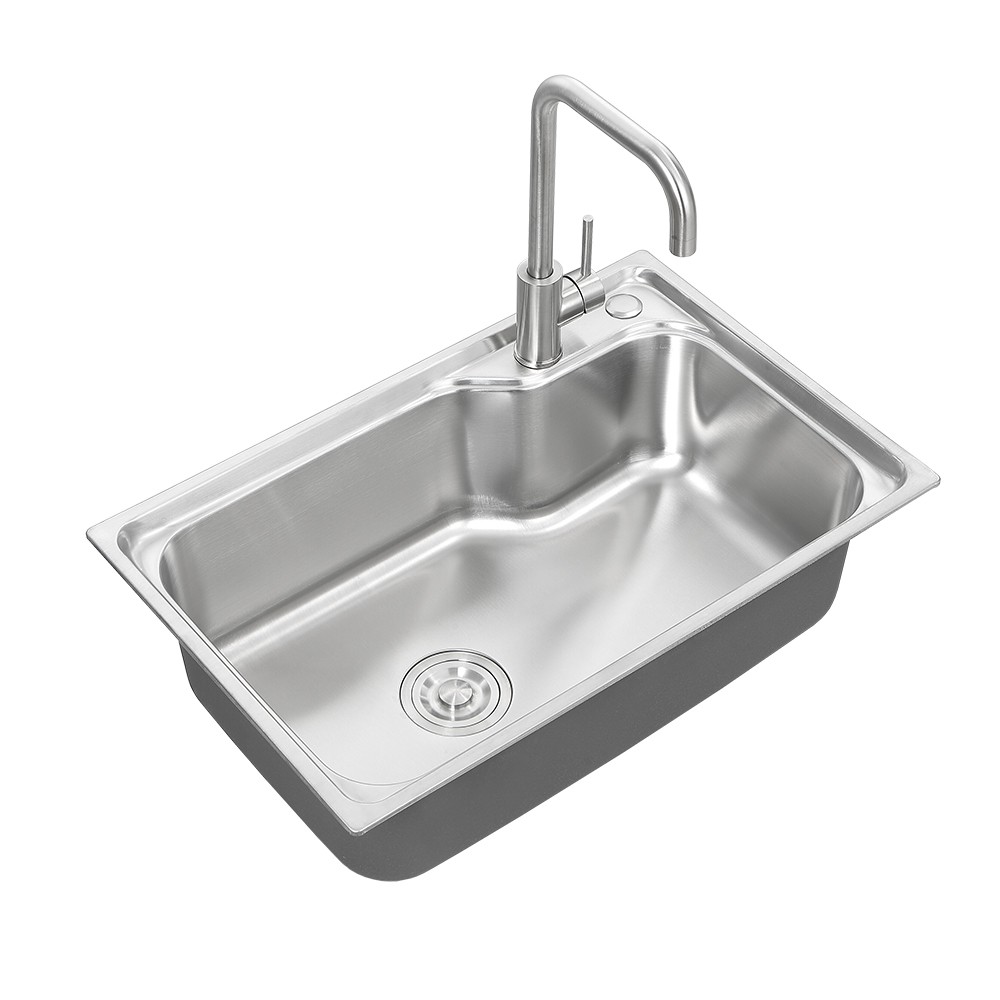
The adaptation process involves multiple dimensions, from material innovation and surface treatments to geometric reconfigurations and accessory ecosystems. Contemporary stainless kitchen sink designs now respond directly to open-concept layouts, integrated appliance systems, and the growing demand for personalized kitchen experiences. Understanding how these sinks are evolving provides valuable insight into where kitchen design is heading and what homeowners should consider when planning renovations or new construction projects. This adaptation isn't merely cosmetic; it represents fundamental rethinking of how a central kitchen fixture can enhance daily living while maintaining the core advantages that made stainless steel the preferred material for decades.
Material Innovation and Surface Engineering
Advanced Stainless Steel Alloy Compositions
The stainless kitchen sink industry has moved far beyond standard 304-grade steel, introducing specialized alloy formulations that address specific performance challenges in modern kitchens. Manufacturers now employ higher nickel content compositions that resist corrosion more effectively when exposed to acidic foods, harsh cleaning chemicals, and fluctuating water quality conditions. These advanced alloys maintain structural integrity while reducing the visible effects of hard water deposits, which has become increasingly important as homeowners seek low-maintenance solutions that preserve aesthetic appeal over extended periods.
Premium stainless kitchen sink models now incorporate proprietary steel blends that balance multiple performance characteristics. Thicker gauge materials, typically ranging from 16 to 18 gauge, provide superior sound dampening and resistance to denting, addressing common complaints about noise and durability. The metallurgical advances extend to grain structure refinement, which enhances the material's ability to resist scratching while maintaining the lustrous finish that complements contemporary kitchen palettes dominated by neutral tones and reflective surfaces.
Scratch-Resistant and Antimicrobial Surface Treatments
Modern surface engineering has revolutionized how the stainless kitchen sink resists daily wear patterns. Manufacturers apply nano-coating technologies that create microscopic protective layers, significantly reducing visible scratching from utensils, cookware, and abrasive cleaning tools. These treatments don't alter the fundamental stainless steel appearance but modify surface interaction properties, making the sink more forgiving during high-intensity kitchen activities. The coatings also facilitate water sheeting, which minimizes spotting and simplifies maintenance routines that busy households demand.
Antimicrobial surface treatments represent another critical adaptation responding to heightened health awareness in kitchen design. Advanced stainless kitchen sink surfaces now incorporate ionic silver technology or copper-infused protective layers that actively inhibit bacterial growth between cleaning cycles. This innovation addresses consumer concerns about food safety and hygiene, particularly in households where the sink serves multiple purposes from food preparation to cleaning tasks. The antimicrobial properties function continuously without requiring special maintenance protocols, seamlessly integrating health-protective features into everyday kitchen use.
Finish Variety Matching Design Aesthetics
The traditional mirror-polished finish no longer dominates the stainless kitchen sink market as designers demand finishes that complement diverse kitchen styles. Brushed and satin finishes have gained prominence because they conceal minor scratches and water spots more effectively while providing a sophisticated, understated appearance that aligns with minimalist and industrial design trends. These matte-style finishes reduce glare in well-lit modern kitchens, creating visual harmony rather than becoming reflective focal points that compete with other design elements.
Some manufacturers now offer textured finishes that add subtle dimensionality to the stainless kitchen sink surface. These patterns, ranging from linear grain to geometric embossing, provide both functional and aesthetic benefits. The textures enhance grip when handling wet items and create visual interest that elevates the sink from functional fixture to design feature. This diversification allows homeowners to select stainless kitchen sink finishes that either blend seamlessly with surrounding surfaces or create intentional contrast that defines distinct kitchen zones within open floor plans.
Geometric Evolution and Spatial Efficiency
Undermount Integration and Seamless Countertop Transitions
The shift toward undermount installation has fundamentally changed how the stainless kitchen sink interfaces with surrounding countertop materials. This mounting approach eliminates the visible rim that characterized traditional top-mount installations, creating continuous surface planes that enhance visual cleanliness and simplify maintenance. Undermount configurations allow seamless integration with quartz, granite, and solid surface countertops, contributing to the streamlined aesthetic that defines contemporary kitchen design. The installation method also facilitates effortless sweeping of debris directly into the sink basin without rim obstructions.
Engineering undermount stainless kitchen sink installations requires precise coordination between sink fabrication and countertop installation. Manufacturers have responded by developing reinforced rim structures that distribute weight evenly and resist deformation under stress. Specialized mounting hardware systems now provide robust support while remaining completely hidden, maintaining the clean visual lines that modern design demands. This evolution demonstrates how the stainless kitchen sink adapts not just in form but in installation methodology to meet contemporary aesthetic expectations.
Low-Divide and Dual-Basin Configurations
Traditional deep-divide double-basin stainless kitchen sink designs are giving way to low-divide configurations that offer functional flexibility without compromising visual openness. These innovative layouts feature a shallow partition, typically four to six inches high, that separates work zones while allowing oversized pans and baking sheets to span both sections when needed. This adaptation responds directly to how modern cooks use kitchen spaces, accommodating larger cookware and serving pieces that have become standard in contemporary culinary practices.
The low-divide stainless kitchen sink configuration also supports evolving workflow patterns in kitchens where multiple people cook simultaneously. The subtle separation allows one person to prepare vegetables while another washes dishes, maintaining functional zones without creating visual barriers that fragment the space. This design philosophy extends the open-concept principle down to individual fixtures, ensuring that even practical divisions contribute to spatial flow rather than interrupting it. The adaptation reflects sophisticated understanding of how kitchen activities have become more collaborative and less compartmentalized.
Compact and Corner Solutions for Space-Constrained Layouts
Urban living and downsized home trends have driven innovation in compact stainless kitchen sink designs that maximize functionality within minimal footprints. Manufacturers now offer specifically engineered small-format models with optimized basin depth and width ratios that accommodate standard dish loads despite reduced dimensions. These space-efficient designs often incorporate integrated accessories like cutting boards and colanders that extend functional workspace without requiring additional counter area, demonstrating how constraint drives creative adaptation.
Corner stainless kitchen sink configurations represent another spatial adaptation, transforming typically underutilized cabinet areas into productive kitchen zones. These specialized designs feature angled basins and customized drain placements that work within corner cabinet geometry while maintaining adequate working depth. The adaptation proves particularly valuable in galley kitchens and compact apartments where every square inch matters. By reimagining fundamental sink geometry, manufacturers help designers create functional kitchens in spaces that traditional fixture layouts couldn't adequately serve.
Smart Integration and Functional Enhancement
Touchless Faucet Compatibility and Sensor Technology
The stainless kitchen sink has adapted its design specifications to accommodate touchless faucet systems that have become increasingly popular in modern kitchens. Manufacturers now engineer sink decks with pre-drilled sensor-ready holes and concealed battery compartments that support hands-free operation without compromising the clean aesthetic. This integration reflects understanding that modern kitchen fixtures must work as coordinated systems rather than independent components. The sensor technology reduces cross-contamination during food preparation and improves water conservation, aligning with both health and sustainability priorities.
Advanced stainless kitchen sink models now feature integrated control interfaces that manage multiple functions from water temperature to disposal activation. These touch-sensitive control panels, often embedded directly in the sink deck or mounting surface, eliminate the need for traditional knobs and switches that interrupt visual continuity. The technology integration extends to connectivity features that allow smartphone control of kitchen functions, positioning the stainless kitchen sink as a node within broader smart home ecosystems rather than a passive fixture.
Integrated Accessory Systems and Modular Workstations
Contemporary stainless kitchen sink design increasingly incorporates rail systems and ledge configurations that support modular accessories. These integrated frameworks allow users to position cutting boards, colanders, drying racks, and utensil holders precisely where needed, transforming the sink area into a versatile workstation. The accessory ecosystem adapts to different culinary tasks throughout the day, providing specialized functionality without requiring permanent installation of single-purpose features. This modularity represents a fundamental shift from fixed-function fixtures to adaptable kitchen tools.
The accessory systems designed for modern stainless kitchen sink installations go beyond simple utilitarianism to incorporate aesthetic considerations. Manufacturers offer accessories in matching finishes and complementary materials that maintain visual coherence while expanding functionality. Bamboo cutting boards, stainless steel colanders, and tempered glass washing boards integrate seamlessly with the sink basin, creating cohesive work surfaces that appear intentionally designed rather than added aftermarket. This holistic approach to sink design reflects how modern consumers expect integrated solutions rather than piecemeal assemblies.
Sound Dampening and Acoustic Engineering
Noise reduction has become a critical performance characteristic as open-concept floor plans eliminate walls that traditionally contained kitchen sounds. Modern stainless kitchen sink designs incorporate multi-layer sound dampening systems that dramatically reduce the resonant clanging associated with metal sinks. These systems typically combine heavy rubber padding, stone composite underlayment, and specialized spray coatings applied to the basin exterior. The acoustic engineering transforms the user experience, making the sink suitable for homes where kitchen and living spaces flow together without acoustic barriers.
The sound dampening adaptation addresses not just the noise of running water but also the impact sounds from dropped utensils and heavy cookware. Premium stainless kitchen sink models achieve noise reduction ratings that rival composite materials while maintaining the hygiene and durability advantages of stainless steel. This engineering achievement demonstrates how manufacturers identify and resolve specific friction points that might otherwise drive consumers toward alternative materials, ensuring that the stainless kitchen sink remains competitive in evolving market conditions.
Sustainability Alignment and Environmental Responsibility
Recycled Content and Circular Manufacturing
Environmental consciousness has become a primary driver in how the stainless kitchen sink industry sources materials and structures production processes. Leading manufacturers now utilize steel with significant recycled content, often exceeding seventy percent post-consumer material, without compromising performance characteristics. This shift responds to growing consumer demand for products with transparent environmental credentials and reduced embodied carbon. The stainless kitchen sink's inherent recyclability at end-of-life positions it favorably within circular economy frameworks that increasingly influence purchasing decisions.
Manufacturing process innovations have reduced energy consumption and waste generation associated with stainless kitchen sink production. Water-based finishing systems have replaced solvent-heavy processes, and precision fabrication techniques minimize material waste during forming and cutting operations. Some manufacturers have achieved carbon-neutral production facilities through renewable energy adoption and offset programs, allowing them to market stainless kitchen sink products with certified environmental profiles. These adaptations demonstrate industry recognition that sustainability credentials directly influence brand perception and market competitiveness.
Water Conservation Features and Efficiency Integration
While the stainless kitchen sink itself doesn't actively control water flow, design adaptations now facilitate integration with water-efficient faucet systems and greywater recycling technologies. Basin configurations include optimized drain placement and slope engineering that ensures complete evacuation with minimal rinsing, reducing water waste during cleanup activities. Some advanced stainless kitchen sink designs incorporate dual-outlet systems that can divert lightly used water to collection systems for garden irrigation or toilet flushing, supporting whole-home water conservation strategies.
The adaptation extends to compatibility with low-flow aerators and spray patterns that maintain cleaning effectiveness while reducing volumetric consumption. Manufacturers design stainless kitchen sink depths and shapes that work optimally with these efficient delivery systems, ensuring that reduced flow rates don't compromise functionality. This engineering coordination reflects understanding that fixture performance depends on how all components work together, and that modern consumers evaluate kitchen systems holistically rather than assessing individual elements in isolation.
Longevity and Lifecycle Value Proposition
The stainless kitchen sink's adaptation to modern design trends includes renewed emphasis on durability and lifecycle cost advantages. In an era of disposable consumer goods, manufacturers position high-quality stainless sinks as generational investments that outlast cabinet replacements and multiple kitchen renovations. Marketing communications increasingly highlight the material's resistance to cracking, chipping, and color fading, contrasting these characteristics with composite materials that may degrade over time. This longevity message resonates with environmentally conscious consumers who recognize that the most sustainable product is often the one that never requires replacement.
The economic case for investing in premium stainless kitchen sink products has strengthened as manufacturers provide extended warranties and performance guarantees. Some brands now offer lifetime warranties on structural integrity and finish quality, demonstrating confidence in material performance while reducing consumer risk. This approach adapts to market segments where initial cost concerns can be overcome by demonstrating superior long-term value. The warranty extensions and performance assurances help position the stainless kitchen sink as the rational choice for budget-conscious consumers who calculate total ownership cost rather than focusing exclusively on purchase price.
Aesthetic Refinement and Design Language Evolution
Minimalist Form and Reduced Visual Weight
Contemporary stainless kitchen sink design has embraced minimalist principles that prioritize clean lines, reduced ornamentation, and visual simplicity. Manufacturers have eliminated unnecessary curves, decorative edges, and applied details that characterized earlier generations of sink design. The result is fixtures with geometric purity that recede visually within the kitchen landscape rather than demanding attention. Tight corner radii, formerly avoided due to cleaning difficulty, have been reengineered with advanced welding techniques and surface treatments that maintain hygiene while achieving the crisp edges that modern aesthetics demand.
This minimalist adaptation extends to how the stainless kitchen sink interfaces with surrounding materials and fixtures. Flush mounting systems and concealed fasteners eliminate visual interruptions, creating seamless transitions between sink and countertop. Drainage components have been redesigned with lower profiles and simplified geometries that maintain functionality while reducing their visual presence. The overall effect positions the stainless kitchen sink as a subtle enabler of kitchen activities rather than a prominent focal point, aligning with design philosophies that emphasize spatial experience over individual object appreciation.
Industrial Aesthetic and Material Authenticity
Parallel to minimalism, industrial design trends have elevated the stainless kitchen sink's inherent material character from practical necessity to desirable aesthetic quality. The metal's natural luster, cool color temperature, and honest materiality align perfectly with design movements that celebrate authenticity over imitation. Manufacturers now emphasize these characteristics rather than attempting to disguise or soften the industrial nature of stainless steel. Heavy-gauge construction, visible welds, and exposed fasteners appear in some design lines as deliberate aesthetic choices that communicate durability and manufacturing integrity.
This industrial aesthetic adaptation has particular resonance in loft conversions, urban apartments, and commercial-style residential kitchens where professional-grade equipment has become aspirational. The stainless kitchen sink in these contexts functions as an authentic element within a broader design narrative about functionality, craftsmanship, and rejection of superficial decoration. Manufacturers support this trend by offering commercial-inspired design features like integrated drain boards, oversized basins, and heavy-duty construction that wouldn't have been considered appropriate for residential applications in previous decades.
Customization and Personalization Options
The adaptation to modern design trends includes recognition that consumers increasingly expect personalized products rather than standardized solutions. Manufacturers now offer extensive customization programs that allow specification of exact dimensions, basin configurations, drain placements, and accessory integration points. This flexibility enables designers to create stainless kitchen sink installations tailored to specific workflow requirements and spatial constraints rather than forcing layouts to accommodate standard fixture dimensions. The customization capability transforms the sink from a commodity product into a bespoke kitchen component.
Advanced manufacturing technologies, including laser cutting and computer-controlled forming equipment, make economical customization possible at scales that were previously unfeasible. Designers can specify unique basin shapes, integrated drain board angles, and specialized mounting configurations without incurring prohibitive cost premiums. This technological capability allows the stainless kitchen sink to adapt to virtually any design vision while maintaining the performance characteristics and material advantages that define the category. The customization trend reflects broader shifts toward personalization across consumer categories and demonstrates industry responsiveness to evolving market expectations.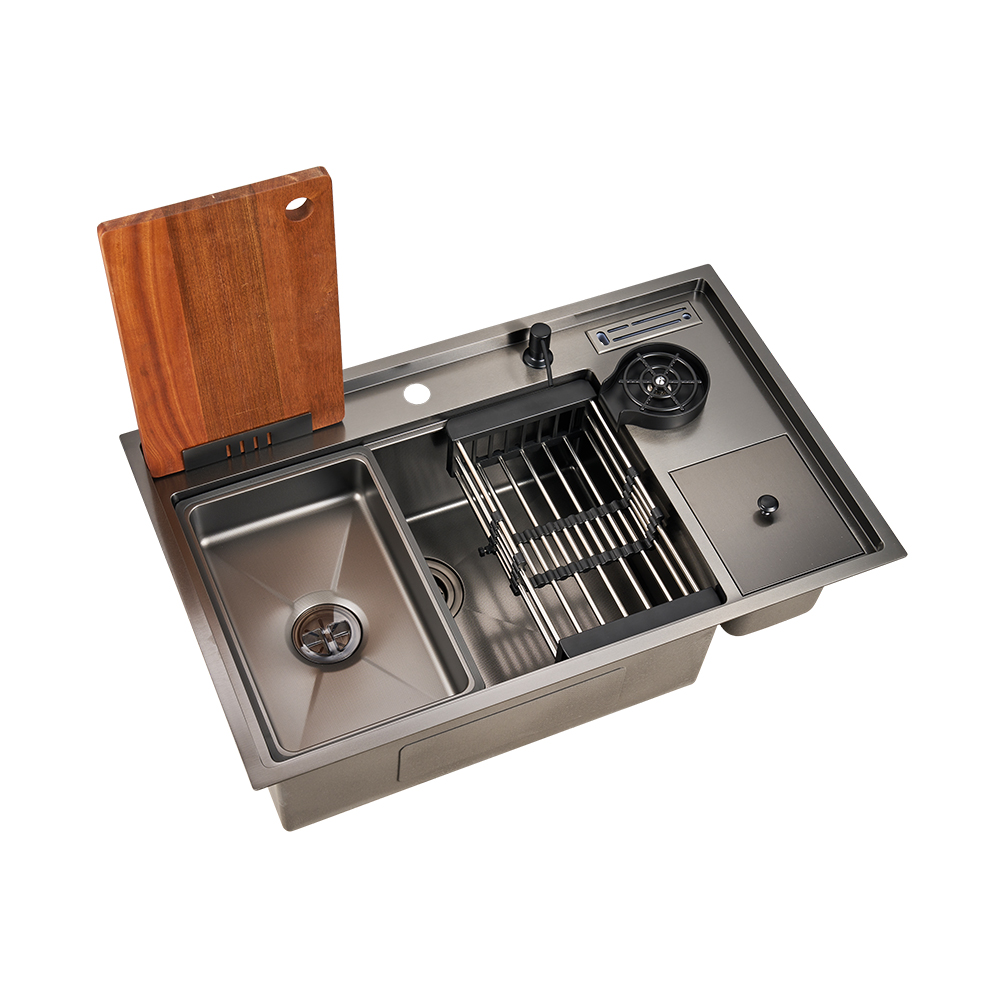
FAQ
What makes modern stainless kitchen sink designs different from traditional models?
Modern stainless kitchen sink designs differ fundamentally in their integration approach, material engineering, and functional expansion beyond basic washing tasks. Contemporary models feature advanced sound dampening systems, antimicrobial surface treatments, and modular accessory frameworks that transform the sink into a versatile workstation. Geometric adaptations include low-divide configurations and undermount installations that create seamless countertop transitions, while finish variety has expanded beyond traditional polished surfaces to include brushed, satin, and textured options. Smart technology compatibility, such as pre-drilled sensor holes for touchless faucets and integrated control interfaces, represents another significant departure from traditional models. The emphasis on sustainability through recycled content and efficient manufacturing processes also distinguishes current generation products from earlier iterations focused primarily on durability and cost.
How does a stainless kitchen sink complement open-concept kitchen layouts?
The stainless kitchen sink complements open-concept layouts through acoustic engineering that minimizes noise transmission, aesthetic refinement that maintains visual flow across connected spaces, and reflective qualities that enhance natural light distribution. Multi-layer sound dampening systems reduce the resonant clanging that would be particularly problematic in spaces without acoustic barriers between kitchen and living areas. The material's neutral metallic finish coordinates with diverse color palettes and design styles without creating jarring visual interruptions, while its reflective surface helps brighten spaces by bouncing available light. Undermount installation methods and minimalist design language ensure the sink doesn't fragment countertop surfaces, maintaining the continuous horizontal planes that define open-concept spatial experience. The functional versatility provided by integrated accessory systems also supports the multitasking nature of open kitchens where cooking, socializing, and working often happen simultaneously.
Are there maintenance advantages to modern stainless kitchen sink surfaces compared to other materials?
Modern stainless kitchen sink surfaces offer significant maintenance advantages through nano-coating technologies that resist scratching and facilitate water sheeting, reducing spotting and mineral deposit buildup. The antimicrobial properties incorporated into advanced surface treatments inhibit bacterial growth between cleaning cycles without requiring special maintenance protocols, providing continuous hygiene protection. Unlike composite materials that can stain or harbor bacteria in porous structures, properly finished stainless steel maintains its appearance and sanitary properties through simple cleaning with mild detergents. The material's resistance to thermal shock allows direct exposure to boiling water and frozen items without damage, while its chemical stability withstands acidic foods and harsh cleaning agents that might degrade alternative materials. The non-porous nature of stainless steel prevents absorption of odors and contaminants, and the material's durability ensures that maintenance requirements don't increase over time as surface degradation occurs with some competing materials.
How should homeowners evaluate stainless kitchen sink options when planning kitchen renovations?
Homeowners should evaluate stainless kitchen sink options by first assessing their specific workflow patterns, space constraints, and integration requirements with surrounding kitchen systems. Gauge thickness directly impacts durability and sound characteristics, with 16 to 18 gauge materials providing optimal performance for residential applications. Basin configuration should align with how the kitchen will be used, considering whether single large basins, low-divide models, or traditional double basins best support typical activities. Surface finish selection should balance aesthetic preferences with maintenance considerations, recognizing that brushed and satin finishes conceal minor wear more effectively than mirror polishes. Compatibility with planned faucet systems, particularly touchless and smart technologies, requires verifying appropriate mounting hole configurations and control interface provisions. Accessory ecosystem availability should be considered if integrated cutting boards, colanders, and drying racks would enhance functionality. Finally, warranty coverage and manufacturer reputation provide insight into expected lifecycle performance and support availability should issues arise during ownership.
Table of Contents
- Material Innovation and Surface Engineering
- Geometric Evolution and Spatial Efficiency
- Smart Integration and Functional Enhancement
- Sustainability Alignment and Environmental Responsibility
- Aesthetic Refinement and Design Language Evolution
-
FAQ
- What makes modern stainless kitchen sink designs different from traditional models?
- How does a stainless kitchen sink complement open-concept kitchen layouts?
- Are there maintenance advantages to modern stainless kitchen sink surfaces compared to other materials?
- How should homeowners evaluate stainless kitchen sink options when planning kitchen renovations?