EN
EN


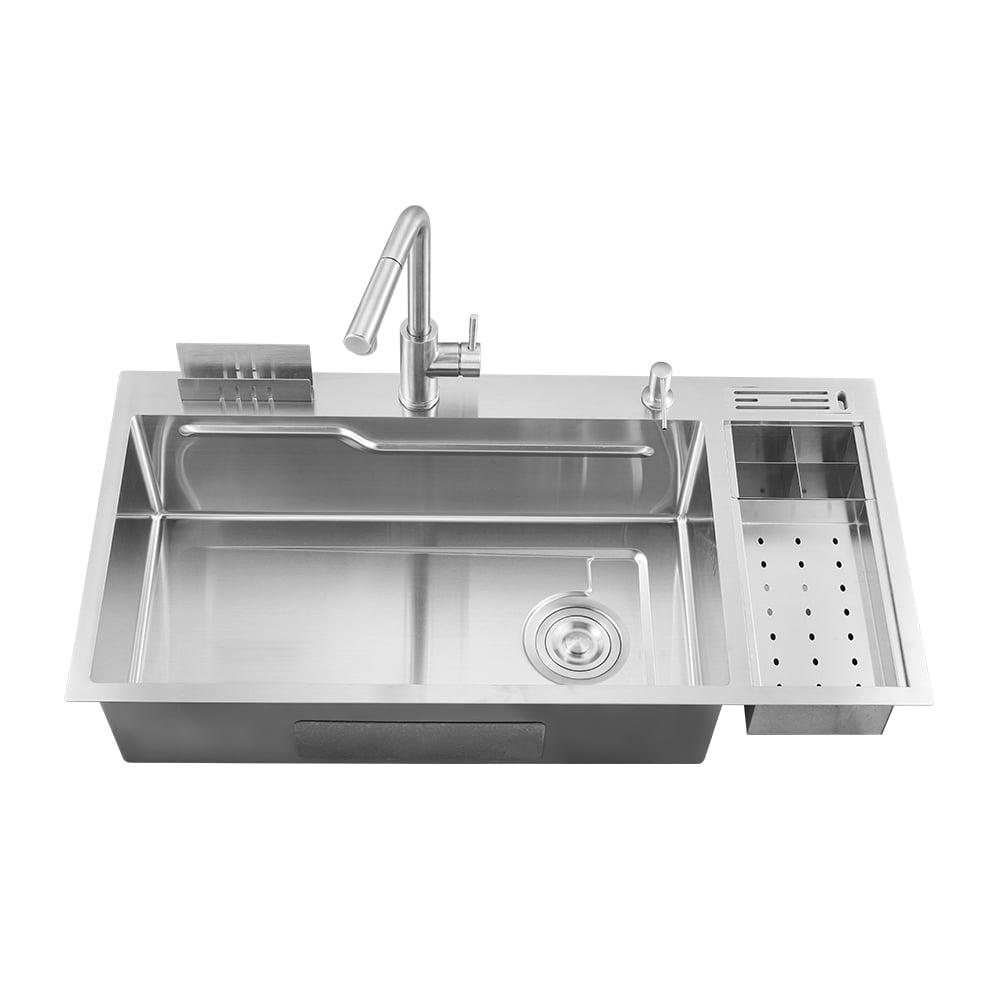
The installation method of your faucet sink kitchen system directly determines how well it performs, how long it lasts, and how much trouble you avoid down the road. Many homeowners and contractors overlook this critical step, assuming that any mounting technique works equally well. In reality, the faucet sink kitchen installation method is the foundation of a reliable, leak-free kitchen that functions properly for years. When you choose the right approach, you invest in performance, durability, and peace of mind.
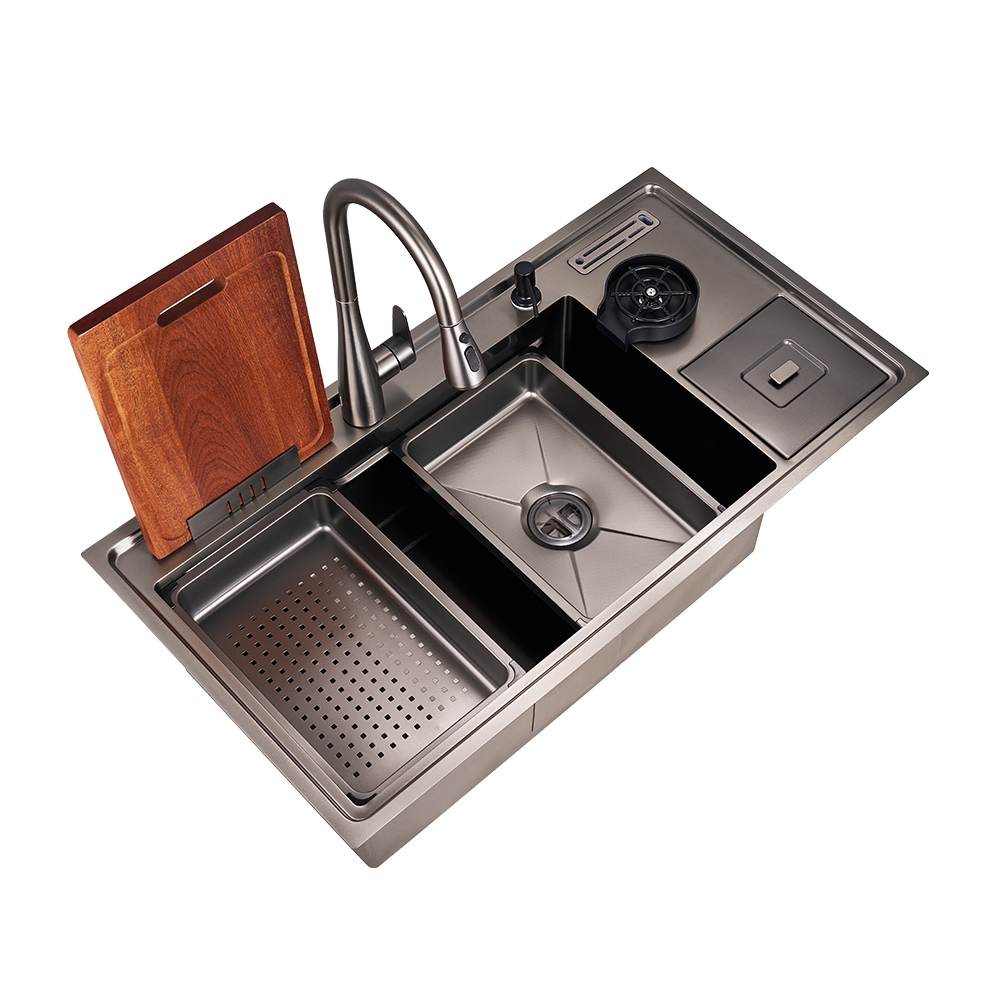
Understanding the faucet sink kitchen installation method is not just about following instructions; it is about grasping why each step matters and how poor installation can lead to costly water damage, bacterial growth, and system failure. The faucet sink kitchen setup involves multiple connection points, seal surfaces, and mounting techniques that must work together in harmony. Each element of the faucet sink kitchen installation method affects water pressure, drainage efficiency, and the integrity of your kitchen workspace.
Why Installation Method Impacts Water Performance
Pressure Consistency and Flow Rate
The faucet sink kitchen installation method directly controls water pressure and flow rate at the spout. When your faucet sink kitchen is installed using proper mounting techniques, water enters the system through correctly aligned supply lines, passes through internal channels without restriction, and exits with consistent, predictable pressure. Improper faucet sink kitchen installation can create kinks in supply lines, misaligned connectors, or pressure loss inside the fixture itself. These installation errors reduce water flow, create weak spray patterns, and frustrate daily kitchen use. A properly executed faucet sink kitchen installation method ensures that you get the full flow rate your fixture was designed to deliver, which is essential for washing dishes, filling pots, and everyday kitchen tasks.
Seal Integrity and Leak Prevention
Leaks are the most common failure point in any faucet sink kitchen system, and they stem almost entirely from installation flaws. The faucet sink kitchen installation method determines how tightly seals sit against surfaces, how securely connection threads bind, and whether water escapes into cabinet spaces. When you install your faucet sink kitchen using compression fittings, push-connect fittings, or threaded couplings, each connection must be torqued to the exact specification. The faucet sink kitchen installation method taught by manufacturers includes specific torque values that prevent both under-tightening (which causes leaks) and over-tightening (which damages threads and seals). A leaking faucet sink kitchen system can waste thousands of gallons annually and cause mold growth beneath your counter. The correct faucet sink kitchen installation method protects your cabinetry, subfloor, and home structure from water damage.
How Installation Method Affects Longevity
Material Stress and Component Degradation
Every component in your faucet sink kitchen system—the spout, handle, cartridge, aerator, and supply lines—experiences stress during operation. The faucet sink kitchen installation method determines how that stress distributes through the fixture. When your faucet sink kitchen is installed with proper support and alignment, mechanical stress concentrates where the fixture is designed to handle it, and components remain stable. Conversely, misaligned installation creates unusual stress vectors that bend metal, crack solder joints, fatigue valves, and wear out cartridges prematurely. The faucet sink kitchen installation method also affects vibration transmission; if supply lines are not properly secured during faucet sink kitchen installation, vibration transfers to the fixture and accelerates internal wear. Proper faucet sink kitchen installation methods include securing supply lines, using vibration-dampening washers, and ensuring that the faucet sits squarely on the sink or counter without rocking.
Compatibility and Adapter Fit
Your faucet sink kitchen must interface with your specific sink, countertop, and plumbing configuration. The faucet sink kitchen installation method must account for hole diameter, counter thickness, existing plumbing connections, and water supply line orientation. When the faucet sink kitchen installation method neglects these factors, you end up with adapters jammed into wrong ports, supply lines bent at extreme angles, or escutcheons that do not sit flush. Each workaround reduces the service life of your faucet sink kitchen system. A robust faucet sink kitchen installation method begins with measuring your sink, understanding your supply line configuration, and selecting the right adapters and components before installation begins. This preparation phase is what separates a faucet sink kitchen installation that lasts fifteen years from one that needs replacement in five.
Practical Performance Benefits of Correct Installation
Reduced Maintenance and Troubleshooting
When your faucet sink kitchen is installed using the manufacturer's recommended method, you avoid the chronic problems that plague poorly installed systems. You do not experience intermittent leaks that appear only when you use hot water, erratic pressure that fluctuates with other water demand, or sediment buildup that clogs your aerator. The faucet sink kitchen installation method that includes proper flushing of supply lines after installation removes debris from your system before it can cause problems. Homeowners with correctly installed faucet sink kitchen systems report fewer service calls, less downtime, and lower total cost of ownership. The faucet sink kitchen installation method also simplifies future repairs; when a component fails, you can replace it confidently because the rest of your system is stable and reliable. Conversely, a faucet sink kitchen installed with shortcuts creates a cascade of problems where fixing one issue reveals another, and you end up spending more on repairs than proper installation would have cost.
Hygiene and Water Quality
The faucet sink kitchen installation method affects how well you can maintain clean water pathways inside your system. When your faucet sink kitchen is installed with secure, sealed connections, water remains protected from external contamination and airborne bacteria. If the faucet sink kitchen installation includes loose connections or improper sealing, water can siphon backward into supply lines, pulling sediment and contaminants into spaces that are impossible to clean. The faucet sink kitchen installation method also determines whether your aerator screen sits properly and seals correctly; a screen that is installed incorrectly can shift during operation, allowing particles to bypass it. Proper faucet sink kitchen installation methods include annual aerator cleaning and inspection, which becomes easy and effective when your faucet sink kitchen was installed correctly and sits stable during maintenance.
FAQ
What happens if a faucet sink kitchen is installed incorrectly?
An incorrectly installed faucet sink kitchen experiences water leaks, reduced flow, premature cartridge failure, vibration noise, and rapid component degradation. Water can escape into cabinet spaces, causing mold and structural damage. Supply line kinks reduce pressure, and misaligned connections create stress points that fail within months. The corrective cost of fixing these problems often exceeds the cost of professional installation from the start.
How does the faucet sink kitchen installation method affect water pressure?
The faucet sink kitchen installation method controls water pressure by determining how straight, unrestricted, and properly sealed your supply line connections are. Kinked lines, over-tightened fittings that restrict internal passages, and blocked aerators all reduce pressure. When the faucet sink kitchen installation method is executed correctly, water flows through the system with minimal resistance, delivering the full pressure your plumbing system provides.
Can I install a faucet sink kitchen myself, or should I hire a professional?
If you have plumbing experience and follow the manufacturer's faucet sink kitchen installation method precisely, self-installation is possible. However, the faucet sink kitchen installation process involves multiple critical steps—measuring, preparing adapters, sealing connections, flushing lines, and testing—where mistakes are costly. Most homeowners benefit from professional installation, which guarantees that your faucet sink kitchen system is installed correctly and often includes a service warranty.