EN
EN


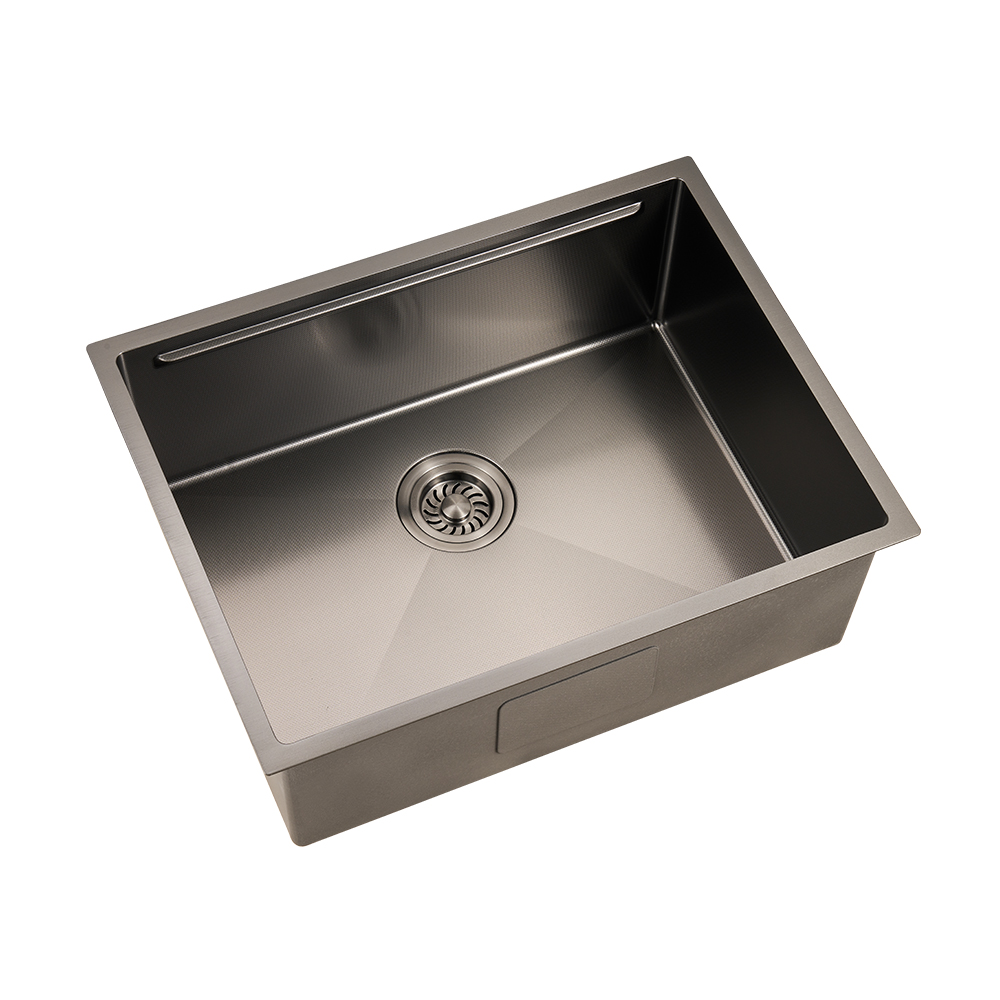
A stainless sink represents one of the most critical infrastructure choices in any kitchen environment, whether commercial, residential, or institutional. The performance of a stainless sink directly impacts workflow efficiency, hygiene standards, and long-term operational costs. Understanding how a stainless sink performs under high demand conditions is essential for kitchen designers, restaurant operators, and homeowners who require reliable solutions. The right stainless sink can withstand intense daily use while maintaining aesthetic appeal and functional integrity across thousands of service cycles.

High demand kitchen environments place extreme pressure on every component, and a stainless sink is no exception. The combination of constant water exposure, thermal shock, abrasive cleaning materials, and heavy food preparation creates a challenging operational context. A properly engineered stainless sink must balance multiple performance attributes, including corrosion resistance, impact durability, thermal stability, and ergonomic design. The material science, construction methodology, and finishing techniques employed in a stainless sink determine whether it will perform reliably or fail prematurely under these demanding conditions.
Material Composition and Corrosion Resistance
Understanding Stainless Steel Grades in Sink Construction
The performance foundation of any stainless sink begins with material selection. Most commercial-grade stainless sink products utilize either 304 or 316 stainless steel, each offering distinct advantages. A 304 stainless sink provides excellent corrosion resistance for general kitchen applications, while a 316 stainless sink incorporates molybdenum, making it superior for environments exposed to chloride-rich conditions. The grade selection directly influences how long a stainless sink will perform without surface degradation, pitting, or structural compromise. High demand kitchens that process salt-based foods or use aggressive cleaning protocols benefit significantly from understanding this material distinction.
How Stainless Steel Prevents Rust and Contamination
A stainless sink resists corrosion through a passive oxide layer that forms naturally on the steel surface. When properly maintained, this protective layer enables a stainless sink to withstand prolonged water contact and exposure to acidic substances without rusting. The chromium content in the steel creates this self-healing barrier, meaning minor surface scratches on a stainless sink will naturally regenerate protection over time. In high demand environments where water constantly contacts the basin, this passive layer becomes the critical factor determining whether a stainless sink maintains hygiene standards and visual quality. Premium stainless sink designs ensure adequate chromium concentration to sustain this protection throughout the product lifespan.
Thermal Stability and Impact Resistance Under Heavy Use
Thermal Shock Management in Commercial Kitchens
High demand kitchen environments subject a stainless sink to rapid temperature fluctuations that challenge material integrity. Filling a stainless sink with boiling water for sanitization, followed immediately by ice-cold rinses, creates thermal stress that inferior designs cannot manage. A well-engineered stainless sink maintains dimensional stability across extreme temperature ranges without warping, cracking, or developing stress fractures. The thickness and support structure of a quality stainless sink absorb thermal energy without transferring excessive heat to surrounding areas or compromising the basin form. Commercial kitchens that perform hundreds of thermal cycles daily demand stainless sink products with proven thermal performance specifications.
Physical Impact and Dent Resistance in Active Preparation Zones
A stainless sink in a high demand environment receives constant impact from dropped utensils, cookware, and food handling equipment. The gauge of the steel used in a stainless sink determines its ability to resist permanent deformation from these impacts. Thicker gauge materials in premium stainless sink designs provide superior dent resistance compared to thinner alternatives. Strategic reinforcement ribs and support structures on the underside of a stainless sink distribute impact force more effectively, preventing the visible damage that compromises both appearance and function. Kitchens with decades of continuous operation demonstrate how properly constructed stainless sink installations maintain structural integrity despite cumulative physical stress.
Hygiene Performance and Maintenance Requirements
Surface Finish and Bacteria Inhibition in Food Preparation Sinks
The finish quality of a stainless sink directly affects its ability to inhibit bacterial growth and maintain sanitation compliance. A smooth, properly polished stainless sink surface minimizes microscopic pitting where pathogens could harbor. The reflective finish characteristic of quality stainless sink products makes visual inspection easier, helping kitchen staff identify when cleaning is needed. In high demand food preparation environments, regulatory standards often specify exact finish requirements for stainless sink installations to ensure food safety compliance. Professional stainless sink products achieve specific surface roughness measurements that balance cleanability with durability.
Drainage Efficiency and Sediment Management
Optimal performance of a stainless sink requires properly designed drainage systems that handle high volume water flow and debris accumulation. Under-sized or poorly positioned drain systems cause standing water in a stainless sink, creating bacterial growth opportunities and unpleasant odors. High demand environments benefit from stainless sink designs incorporating deep basins with sufficient slope toward the drain to facilitate complete water evacuation. Commercial-grade stainless sink installations often include integrated strainer systems or collanders that prevent food debris from clogging drainage infrastructure while maintaining efficient flow rates. The drainage architecture of a stainless sink becomes equally important as the basin structure itself for overall performance in busy kitchen environments.
Installation Considerations and Long-Term Performance
Support Structure and Vibration Control
Even the finest engineered stainless sink will underperform if installed without adequate support infrastructure. A properly installed stainless sink must rest on stable, level surfaces with appropriate bracing underneath to eliminate vibration during operation. Inadequate support transforms a stainless sink from a precision tool into a source of constant noise and potential damage to surrounding equipment. High demand kitchens often experience vibration from adjacent equipment, making vibration isolation in stainless sink installation critical. Professional installation protocols ensure a stainless sink receives necessary support to perform optimally throughout its operational life.
Edge Design and User Safety Integration
The edge profile of a stainless sink represents a frequently overlooked performance factor that affects both safety and longevity. Sharp or poorly finished edges on a stainless sink create cutting hazards and also compromise the visual appeal and perceived quality. Advanced stainless sink designs incorporate beveled or rounded edges that minimize sharp points while improving ergonomic interaction. In high demand environments where kitchen staff work rapidly, well-designed edges on a stainless sink reduce injury risk while contributing to overall operational efficiency. stainless sink products engineered with premium edge finishes demonstrate superior performance across these multiple dimensions.
FAQ
What stainless sink thickness is required for reliable commercial kitchen performance?
Commercial-grade stainless sink installations typically utilize 16 to 18 gauge steel, with 16 gauge providing superior impact resistance for the most demanding applications. The stainless sink material thickness directly correlates with durability and dent resistance under heavy use. Thinner gauge stainless sink products may cost less initially but often require replacement sooner due to cumulative damage from daily operational stress in high demand environments.
How often should a stainless sink be cleaned to maintain peak performance?
A stainless sink should be cleaned daily during kitchen operations and deep sanitized at least once per day, following local health code requirements. Regular cleaning maintains the protective oxide layer and prevents sediment accumulation that degrades performance. The stainless sink's high demand use context often requires cleaning between major meal services to prevent buildup and ensure continuous hygiene compliance throughout service periods.
Can a stainless sink be repaired if it develops surface corrosion or minor damage?
Minor surface damage on a stainless sink can often be addressed through professional refinishing or targeted polishing that restores the protective oxide layer. Significant corrosion or structural damage typically requires stainless sink replacement rather than repair. Understanding the causes of damage enables facility managers to prevent future issues and select stainless sink materials better suited to their specific operational environment and chemical exposure profile.