EN
EN


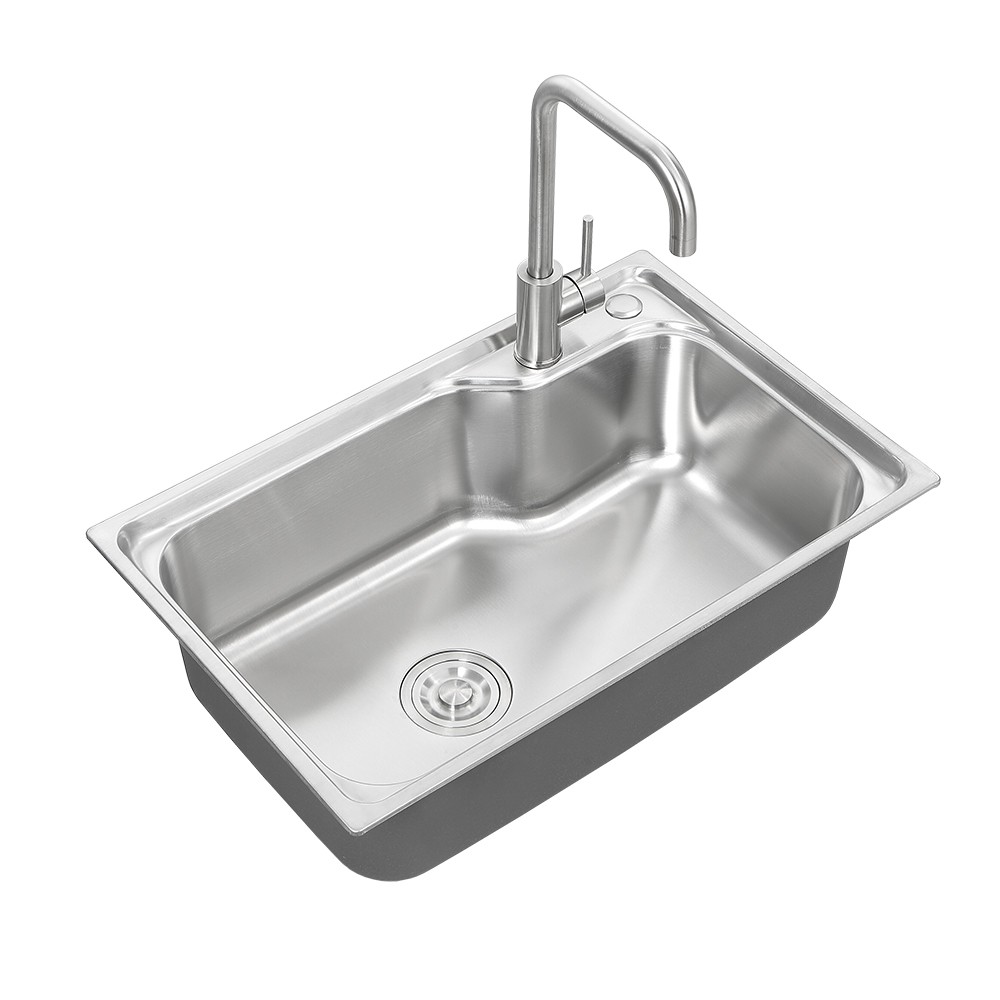
A stainless sink represents one of the most important investments in any kitchen, yet many homeowners and facility managers underestimate the complexity of what makes a stainless sink truly durable over decades of daily use. The longevity of a stainless sink depends on far more than simply purchasing a stainless sink from a reputable manufacturer. Understanding the factors that influence stainless sink durability requires examining material composition, manufacturing techniques, environmental conditions, maintenance practices, and design specifications that collectively determine whether your stainless sink will maintain its appearance and functionality for ten, twenty, or even thirty years.
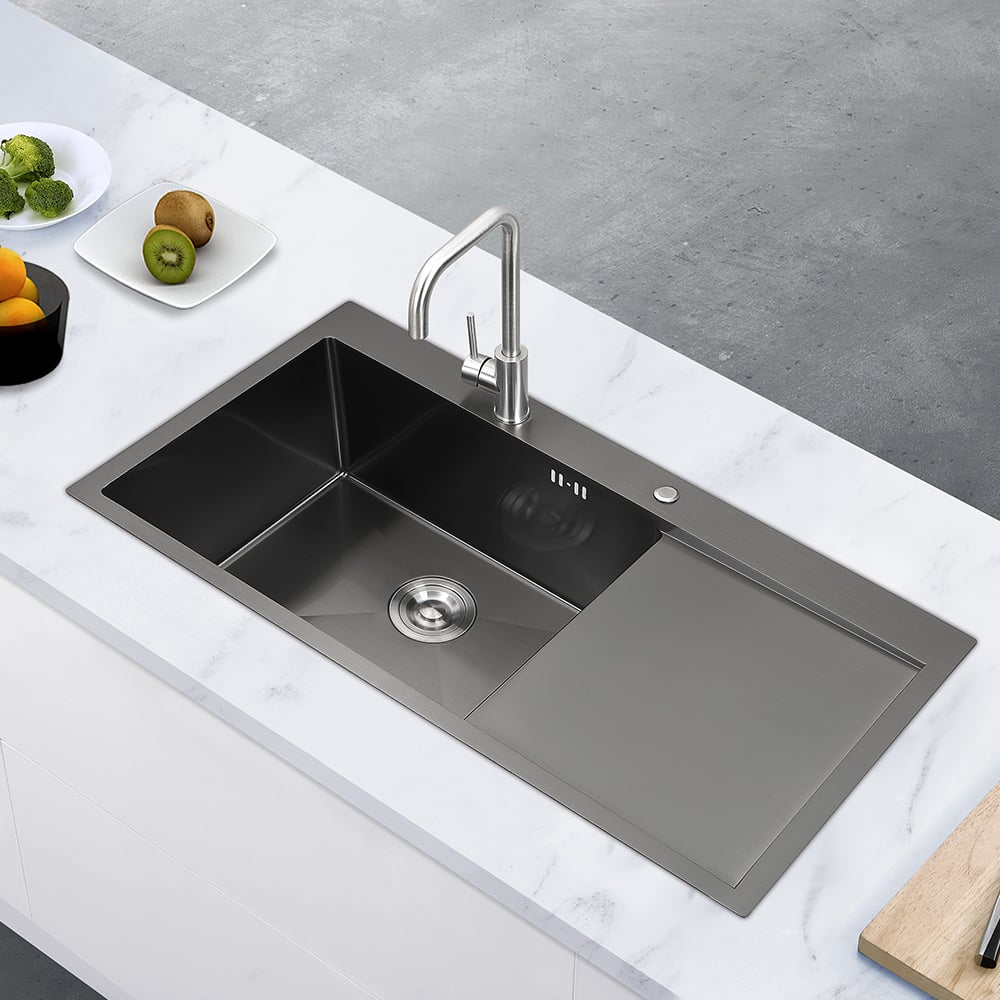
The performance of any stainless sink ultimately hinges on how well its material properties align with your specific kitchen environment and usage patterns. A high-quality stainless sink will resist corrosion, maintain its finish, withstand impact and thermal stress, and provide reliable service through thousands of cycles of filling, draining, scrubbing, and exposure to various foods and cleaning chemicals. This comprehensive guide examines the primary factors that determine whether a stainless sink remains pristine or deteriorates prematurely, enabling you to make informed decisions that protect your investment.
Material Grade and Composition in Stainless Sink Performance
Chromium and Nickel Content Standards
The most critical determinant of any stainless sink's long-term durability begins with understanding the specific grade of stainless steel used in its construction. A stainless sink typically uses either 300-series or 400-series stainless steel, with 304 stainless steel representing the most common grade for residential kitchen applications. The stainless sink made from 304-grade steel contains approximately 18 percent chromium and 8 percent nickel, which creates a passive oxide layer that resists corrosion and rust. When a stainless sink maintains this chromium-nickel ratio consistently throughout its construction, the resulting durability significantly exceeds that of lower-grade alternatives or sinks where material quality varies between sections.
Gauge and Thickness Impact on Durability
Beyond the alloy composition itself, the thickness of the steel used to manufacture your stainless sink directly correlates with its ability to resist denting, cracking, and stress-related failure over time. A stainless sink constructed from 18-gauge steel (approximately 0.049 inches thick) will demonstrate substantially greater impact resistance than a stainless sink made from 20-gauge or thinner material. Thicker stainless sink construction means the basin maintains its shape under the weight of water, heavy cookware, and accumulated food debris, preventing the gradual deformation that weakens thinner sinks and creates areas where corrosion can initiate. The gauge of your stainless sink ultimately determines how effectively it handles the mechanical stresses inherent in continuous kitchen use.
Surface Finish and Protective Treatments
Brushed and Polished Finishes for Longevity
The visible surface finish of your stainless sink serves both aesthetic and functional purposes that directly impact long-term durability. A stainless sink with a brushed finish typically outlasts shiny polished alternatives because the brushed surface masks watermarks, fingerprints, and minor scratches that would appear immediately on a mirror-polished stainless sink. More importantly, the brushing process creates a uniform surface texture that can actually enhance the protective oxide layer's effectiveness across the entire stainless sink. When selecting a stainless sink, understanding how different finish types respond to daily cleaning, hard water deposits, and metal contact will help you choose a finish that maintains its appearance and protection through decades of use.
Protective Coatings and Underside Treatment
Premium quality stainless sink manufacturers apply specialized protective coatings to both the visible surface and the underside of the basin to extend durability significantly. Sound-dampening spray applied to the underside of a stainless sink serves a dual purpose: it reduces noise and provides additional corrosion protection where water, food particles, and mineral deposits commonly accumulate. A well-treated stainless sink features a protective barrier that prevents corrosion from initiating at contact points where the sink meets countertops and plumbing connections. The stainless sink that receives comprehensive underside protection demonstrates superior long-term performance compared to budget alternatives where manufacturers skip this critical step.
Installation, Environment, and Maintenance Practices
Proper Installation and Sealing
The installation process profoundly influences how your stainless sink will perform over its lifetime, yet this factor often receives inadequate attention. A stainless sink installed with improper sealing around its perimeter allows water to infiltrate the gap between the sink and countertop surface, creating conditions where corrosion and structural degradation can begin. When installers properly seal the stainless sink using appropriate silicone caulk or mounting hardware specifically designed for the sink's material, they create a barrier that protects against moisture penetration and maintains the structural integrity of both the sink and surrounding countertop. The stainless sink that benefits from professional installation with correct sealing techniques will resist premature failure far more effectively than one installed hastily without attention to these details.
Environmental Exposure and Chemical Resistance
Your kitchen's specific environment shapes how aggressively conditions assault your stainless sink's surface and how quickly corrosion can develop. A stainless sink located in a coastal environment with salt-air exposure faces greater corrosion challenges than one in an inland location with neutral atmospheric conditions. Water hardness, chlorine levels in municipal water supplies, and the frequency of contact with acidic foods and cleaning chemicals all influence the rate at which protective oxide layers deteriorate on any stainless sink. The stainless sink that performs admirably in a moderate climate might develop pitting or discoloration rapidly in a harsh environment without more frequent maintenance and protective care. Understanding your specific environmental conditions allows you to select and maintain a stainless sink appropriately for long-term durability.
Regular Maintenance and Cleaning Protocols
Perhaps the single most controllable factor affecting your stainless sink's longevity involves establishing and following a consistent maintenance schedule. A stainless sink maintained with regular gentle cleaning using warm soapy water and occasional treatment with mineral oil retains its protective properties far better than one subjected to harsh scouring, abrasive cleaners, or neglect. When water remains standing in your stainless sink for extended periods, mineral deposits concentrate and create conditions favoring corrosion initiation, making prompt drying after use an essential stainless sink care practice. The stainless sink that receives monthly deep cleaning using appropriate stainless steel cleaners—combined with daily rinsing and drying—will maintain its durability and appearance dramatically better than one cleaned sporadically or harshly. Your commitment to proper stainless sink maintenance ultimately determines whether your investment maintains excellence throughout its design life.
Design Features That Support Extended Durability
Basin Design and Drainage Considerations
The internal architecture of your stainless sink significantly impacts how effectively it resists the accumulation of corrosion-promoting conditions. A stainless sink designed with a properly pitched basin floor ensures water and debris drain completely rather than pooling in depressions where minerals concentrate and corrosion can accelerate. When your stainless sink includes sloped sidewalls and adequate drain positioning, water flows freely rather than creating stagnant zones where standing moisture allows corrosion to initiate. The stainless sink constructed with smooth, continuous surfaces inside the basin eliminates crevices and joints where food particles lodge and harbor bacteria and corrosive substances. Basin design fundamentally shapes whether your stainless sink becomes a hospitable environment for maintenance or a vulnerable location for deterioration.
Corner Construction and Weld Quality
The construction quality at corners and welded joints represents a critical vulnerability point where many inferior stainless sink products develop premature failure. A stainless sink fabricated with properly executed welds using appropriate stainless steel welding rods and quality control measures will maintain structural and corrosion-resistant integrity at these stress points. When your stainless sink features corners constructed with smooth transitions and proper grinding or polishing of welds, these areas resist corrosion just as effectively as the surrounding surfaces. A poorly welded stainless sink exhibits visible surface irregularities, discoloration, or stress patterns at corners that indicate compromised material properties and vulnerability to corrosion initiation. Careful examination of corner construction and weld quality provides visible evidence of manufacturing standards that directly predict your stainless sink's long-term durability.
FAQ
What Stainless Steel Grade Provides the Best Durability for a Stainless Sink?
For residential and commercial kitchen applications, 304-grade stainless steel represents the optimal balance of corrosion resistance and cost-effectiveness for a stainless sink. This grade contains 18 percent chromium and 8 percent nickel, creating superior protection against rust and pitting compared to lower grades. A stainless sink fabricated from 304-grade steel with a minimum 18-gauge thickness will provide excellent durability through twenty to thirty years of continuous use when properly maintained.
How Often Should I Clean My Stainless Sink to Maintain Long-Term Durability?
Daily rinsing and drying after use represents the most important maintenance routine for any stainless sink, as standing water promotes mineral deposit accumulation and corrosion. Weekly cleaning with warm soapy water and monthly deep cleaning using stainless steel-specific products will preserve your stainless sink's protective properties and appearance throughout its life. For stainless sink installation in high-mineral-content water areas, more frequent cleaning may be necessary to prevent scale buildup that accelerates corrosion.
Can Improper Installation Shorten a Stainless Sink's Lifespan?
Yes, inadequate sealing and improper installation can significantly reduce a stainless sink's usable life by allowing water infiltration beneath the sink that promotes corrosion and structural failure. When a stainless sink lacks proper sealing around its perimeter or connections, moisture reaches areas where protective coatings are absent, creating corrosion pathways that eventually compromise the sink's integrity. Professional stainless sink installation with appropriate sealing materials and techniques remains essential for maximizing long-term durability and preventing premature failure.