EN
EN


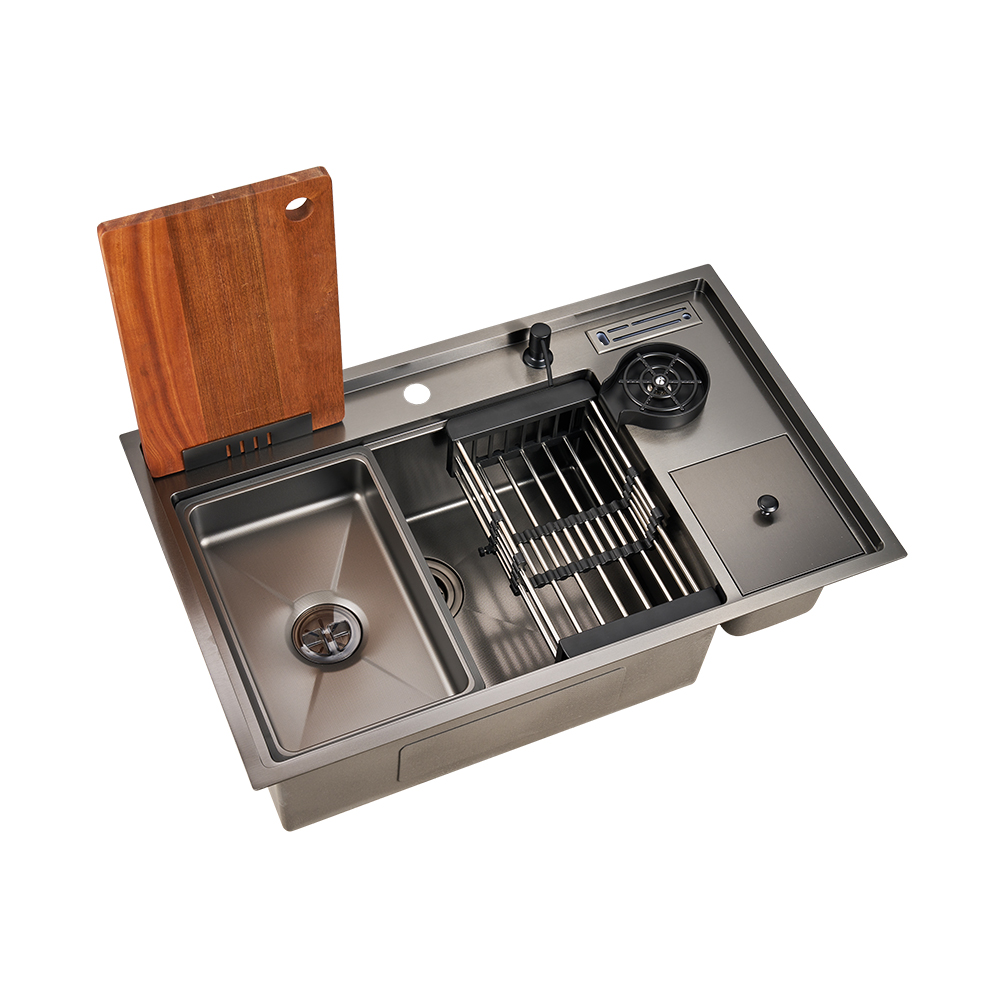
A stainless sink represents one of the most important investments in any kitchen or commercial facility, yet many property owners underestimate the role that stainless sink material quality plays in long-term performance and durability. The choice of a stainless sink directly impacts how well your kitchen withstands daily use, chemical exposure, moisture, and environmental stress over many years. Understanding why stainless sink selection matters for corrosion resistance helps you make informed decisions that protect both your budget and your kitchen's functionality.
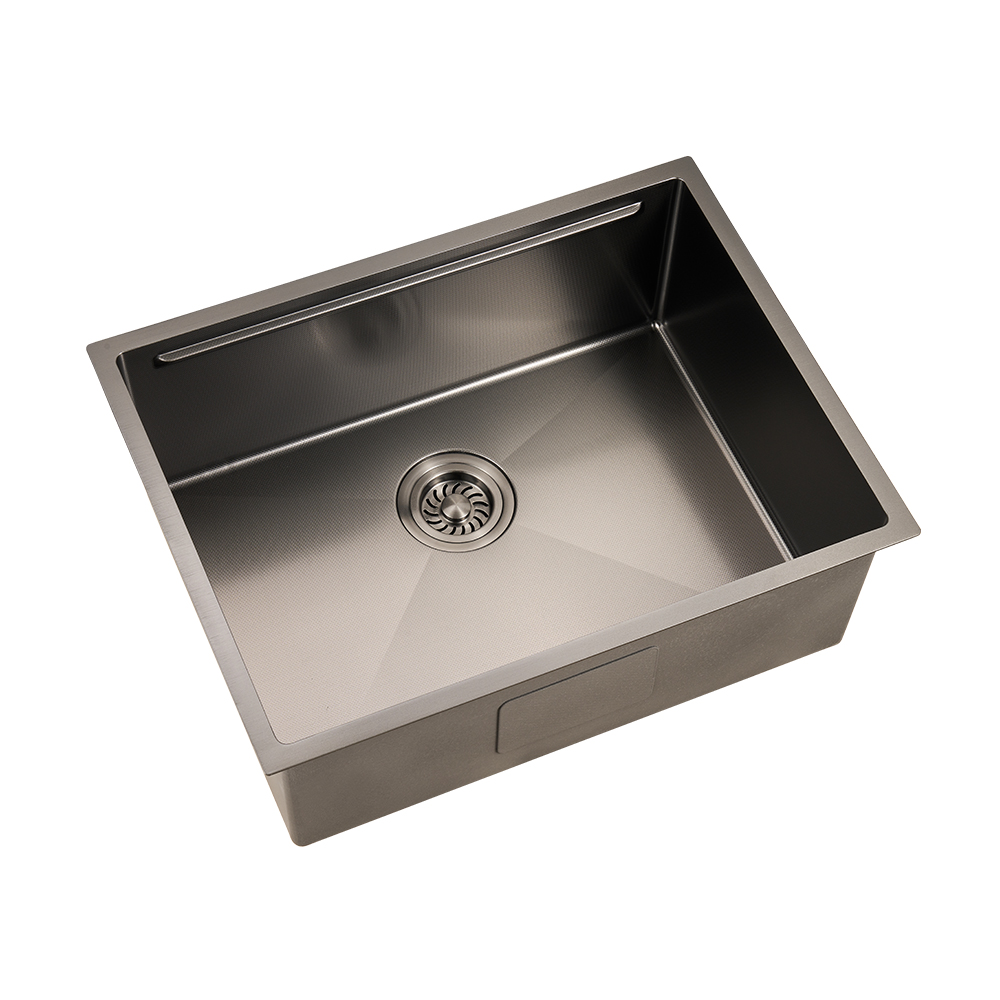
Corrosion is one of the leading causes of stainless sink failure, degradation, and premature replacement in both residential and industrial settings. A high-quality stainless sink is engineered to resist rust, pitting, and surface deterioration that result from constant contact with water, salt, acids, and cleaning agents. The material composition and construction of your stainless sink determine whether it will maintain its appearance and structural integrity for decades or become compromised within just a few years.
The Chromium Layer and Corrosion Protection
How Stainless Sink Material Forms Its Protective Barrier
The fundamental reason why a stainless sink resists corrosion lies in its chromium content and the passive oxide layer that forms on the surface. When chromium in stainless sink alloys reacts with oxygen, it creates an invisible chromium oxide film that acts as a barrier against moisture and contaminants. This protective layer on your stainless sink continuously self-heals when the surface is exposed to oxygen, making a high-quality stainless sink inherently more resistant to rust than carbon steel or other materials. The thickness and stability of this oxide layer on a stainless sink determine how effectively it can withstand harsh kitchen environments and corrosive substances.
Grade and Alloy Composition of Stainless Sink Materials
Not all stainless sink products are created equal, and the grade of stainless steel used in your stainless sink significantly affects its corrosion resistance performance. A premium stainless sink typically uses 304-grade stainless steel, which contains 18 percent chromium and 8 percent nickel, providing superior protection compared to lower-grade alternatives. Some advanced stainless sink designs incorporate 316-grade stainless steel, which adds molybdenum to resist chloride corrosion in coastal or salt-heavy environments. Choosing a stainless sink with proper alloy composition ensures that your sink will maintain its protective oxide layer and resist pitting, which is a localized form of corrosion that can compromise the integrity of a stainless sink over time.
Environmental Factors and Stainless Sink Durability
Water Quality and Stainless Sink Performance
The water quality in your area directly influences how well your stainless sink resists corrosion and maintains its appearance. Hard water, chlorinated water, and water containing high mineral content can accelerate corrosion on a stainless sink if the material is not properly selected and maintained. A quality stainless sink constructed from appropriate grades can better handle these water challenges without developing surface staining or pitting. Additionally, the design of your stainless sink, including proper drainage and slope, prevents water pooling, which is a major contributor to localized corrosion on stainless sink surfaces.
Chemical Exposure and Stainless Sink Resistance
Commercial kitchens and industrial facilities expose their stainless sink to aggressive cleaning chemicals, acidic foods, and harsh sanitizers daily. A properly formulated stainless sink made from high-grade material can withstand exposure to vinegar, citric acid, salt, and chlorine-based cleaners without developing corrosion or degradation. Inferior stainless sink materials may show rust spots or pitting after extended contact with these substances because their chromium layer is too thin or poorly bonded. Investing in a stainless sink designed for chemical resistance ensures your facility can maintain strict hygiene standards without compromising the sink's structural integrity or appearance.
Maintenance and Long-Term Stainless Sink Protection
Proper Care Enhances Stainless Sink Corrosion Resistance
While stainless sink material is inherently more corrosion-resistant than alternatives, proper maintenance amplifies this advantage and extends your sink's lifespan significantly. Regular cleaning of your stainless sink with appropriate methods removes chlorides and contaminants that can initiate pitting corrosion. Drying your stainless sink after use prevents mineral deposits from accumulating and accelerating surface corrosion. Many owners overlook these simple practices, which means even a high-quality stainless sink can suffer premature degradation without consistent care.
Surface Finish and Stainless Sink Aesthetics
The finish applied to your stainless sink during manufacturing plays a critical role in both corrosion resistance and visual appeal. A brushed or satin finish on a stainless sink is less likely to show water spots and fingerprints compared to polished finishes, and these matte finishes often provide slightly better corrosion resistance because they disguise minor imperfections. The finish quality of your stainless sink also affects how easily contaminants adhere to the surface, which influences long-term corrosion risk. Selecting a stainless sink with a durable, well-applied finish ensures that your investment maintains both its protective properties and aesthetic value for many years.
FAQ
What makes stainless sink material superior to other sink materials for corrosion resistance?
Stainless sink material contains chromium that forms a self-healing oxide layer, providing inherent corrosion resistance that ceramic, granite, or composite materials cannot match. This passive layer continuously protects a stainless sink from rust and pitting, even in aggressive environments. Unlike painted or coated alternatives, when a stainless sink is scratched, the protective layer reforms automatically when exposed to oxygen, ensuring long-term durability.
Which grade of stainless sink is best for corrosion resistance in harsh environments?
A 316-grade stainless sink is superior for harsh or coastal environments because it contains molybdenum, which provides exceptional resistance to chloride-induced pitting corrosion. Standard 304-grade stainless sink performs excellently in most residential and commercial kitchens, offering the best balance of corrosion resistance and cost-effectiveness. For extreme industrial applications with frequent chemical exposure, a premium stainless sink with 316-grade material is the recommended choice to prevent premature failure.
How can I maintain my stainless sink to maximize its corrosion resistance?
Dry your stainless sink promptly after use to prevent mineral deposits and water spotting that can initiate corrosion. Clean your stainless sink regularly with mild soap and water or specialized stainless steel cleaner, and avoid abrasive scrubbers that can damage the protective oxide layer. Removing salt, acidic residue, and chlorine-based substances promptly ensures your stainless sink maintains its corrosion resistance and appearance for decades, transforming a quality stainless sink into a lasting kitchen asset.