EN
EN


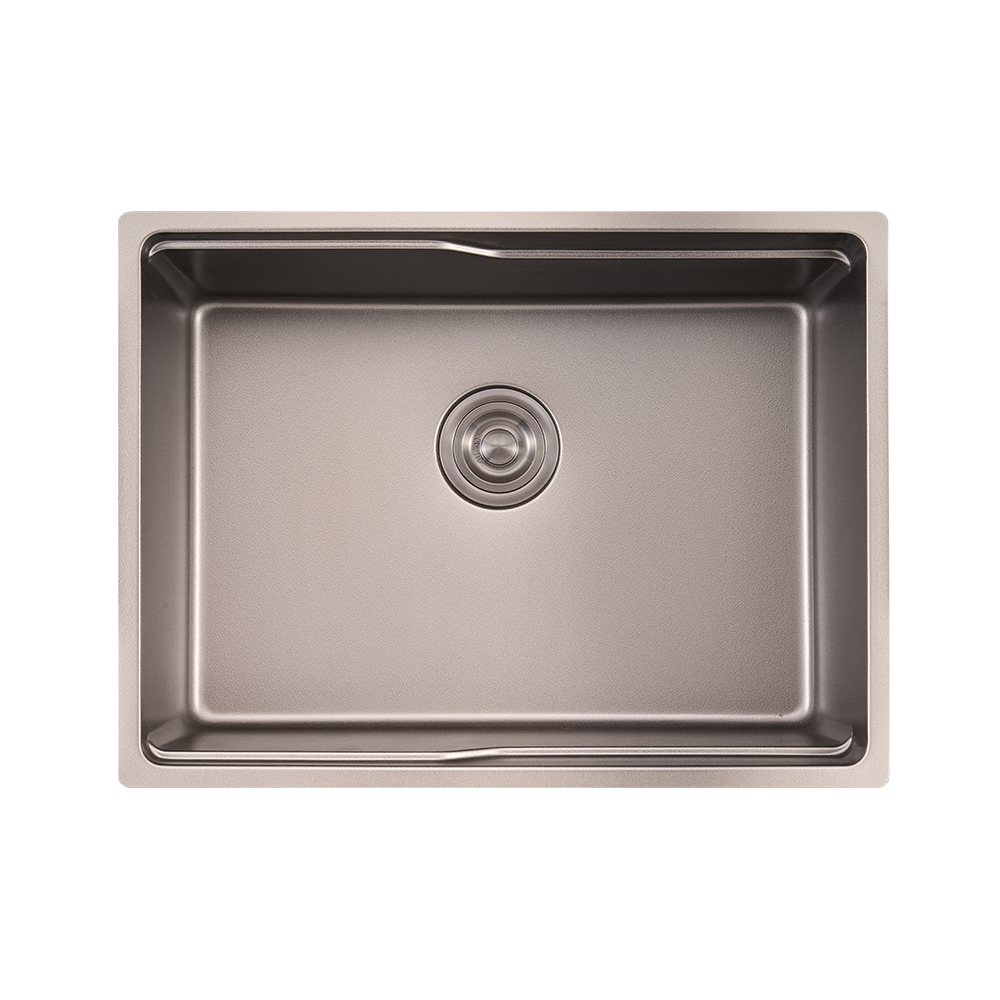
The structural integrity of a stainless sink directly depends on its thickness, which is measured in gauge ratings and millimeters. A stainless sink that is too thin will flex under pressure, crack under thermal stress, and fail prematurely, while a properly engineered stainless sink maintains its shape, resists denting, and delivers years of reliable performance. Understanding how stainless sink thickness affects structural stability is essential for anyone investing in kitchen fixtures, whether you are a homeowner, contractor, or designer selecting the right stainless sink for residential or commercial use.
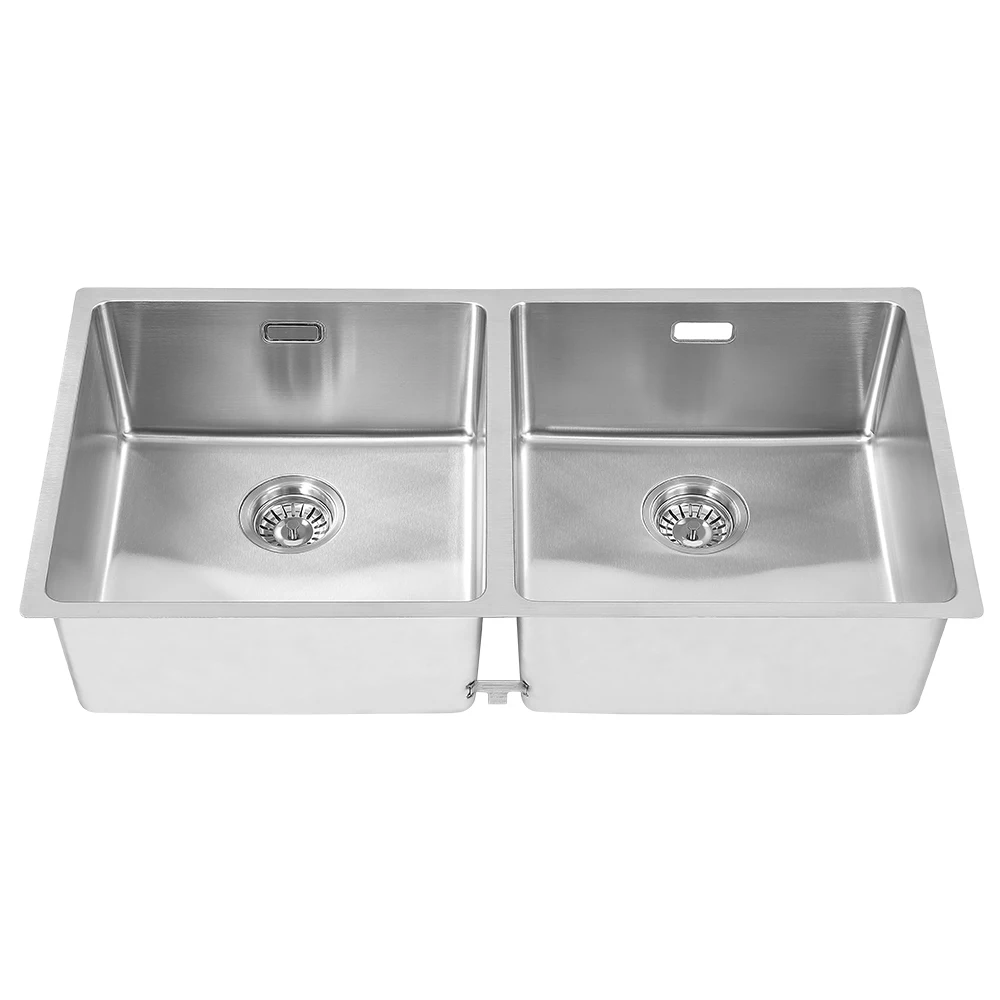
A stainless sink's thickness is one of the most overlooked but critical factors that determine whether your sink will perform as expected or become a source of frustration. When you invest in a stainless sink, you are buying durability, ease of cleaning, and corrosion resistance, but none of those benefits matter if the basin itself cannot hold its structural form under daily use. The relationship between stainless sink thickness and structural stability reveals why premium-grade stainless sink products command higher prices and why cheap alternatives often disappoint within months.
Understanding Gauge Ratings and Material Density
How Gauge Affects Stainless Sink Strength
Gauge is the standard measurement system for metal thickness in stainless sink manufacturing. A lower gauge number means a thicker stainless sink, and a higher gauge number means a thinner stainless sink. For example, an 18-gauge stainless sink is much thicker than a 22-gauge stainless sink. Most professional-grade stainless sink products are manufactured at 18-gauge or 20-gauge, while budget stainless sink alternatives often use 22-gauge or thinner materials.
When a stainless sink is too thin, the material has insufficient mass to resist deflection during normal use. A thin stainless sink will flex when you place a hot pot on the surface, shift when water pressure fills the basin, and develop permanent deformation over time. By contrast, a thicker stainless sink distributes load more effectively across its surface, maintaining flatness and structural rigidity even under stress. The thickness of a stainless sink directly correlates to its ability to remain dimensionally stable under varied conditions.
Material Composition and Alloy Selection
The alloy composition of stainless steel also influences how thickness affects overall structural stability. A stainless sink made from 304-grade stainless steel offers better formability and slightly lower cost than 316-grade, but both grades require adequate thickness to perform. The stiffer the stainless sink material, the better it resists deflection, but even premium alloys cannot compensate for insufficient thickness. A thin stainless sink in 304 grade will flex more than a thicker stainless sink in the same alloy, demonstrating that thickness is the primary structural factor.
Impact of Thickness on Daily Performance and Durability
Resistance to Denting and Surface Deformation
One of the most visible consequences of inadequate stainless sink thickness is susceptibility to denting. A quality stainless sink with proper gauge thickness will resist minor impacts from dropped utensils, pots, and pans, while a thin stainless sink dents easily and accumulates cosmetic damage rapidly. The deeper the material in a stainless sink, the more energy is required to permanently deform it. This dent resistance is particularly important in commercial kitchens where a stainless sink endures constant heavy use and frequent impact from cookware and equipment.
Thickness also affects how a stainless sink responds to thermal cycling. When hot water flows into a cold stainless sink basin, or when a hot pan touches the surface, the material expands and contracts. A thin stainless sink experiences greater dimensional change relative to its mass, which can stress welds, loosen fasteners, and cause the basin to warble or develop an uneven surface. A thicker stainless sink distributes thermal stress more evenly, reducing the risk of permanent deformation or premature failure at connection points.
Water Pooling and Functional Geometry
A stainless sink that lacks sufficient thickness will begin to sag in the center of the basin over time, causing water to pool in the lowest areas instead of draining properly. This sagging is a sign of structural failure in a stainless sink and leads to standing water, mineral deposits, and bacterial growth. A properly engineered stainless sink with adequate thickness maintains a consistent slope toward the drain, ensuring water flows freely and the basin dries evenly. The structural rigidity provided by appropriate stainless sink thickness directly impacts the functional geometry of the basin.
Selecting the Right Stainless Sink Thickness for Your Needs
Residential Versus Commercial Requirements
Residential applications typically demand an 18-gauge or 20-gauge stainless sink, which provides excellent durability for standard home kitchen use. Commercial kitchens, food preparation facilities, and high-volume restaurant environments require thicker stainless sink material, often 16-gauge or even thicker, to withstand constant heavy use and resist structural fatigue. The thickness of a stainless sink should match the intensity and frequency of use in its intended environment. A residential stainless sink installed in a commercial setting will fail quickly if the thickness is insufficient for that workload.
Installation Depth and Basin Shape Considerations
The depth and shape of a stainless sink basin also influence how thickness affects structural stability. A shallow stainless sink basin requires greater thickness to maintain rigidity, because the material has less height to provide support. Deeper bowls distribute forces differently, but they still require adequate stainless sink thickness to prevent flexing and sagging. Undersized or undersized support frames for a stainless sink can magnify the impact of inadequate thickness, as the basin lacks proper structural support underneath. Professional installation of a stainless sink includes ensuring that the sink cabinet and mounting hardware are compatible with the thickness and weight of the basin.
When evaluating a stainless sink for your project, always verify the gauge specification and confirm that the thickness matches your use case. Comparing two stainless sink products by price alone often leads to choosing a thin stainless sink that fails quickly, while selecting based on stainless sink thickness ensures long-term structural stability and reliable performance.
FAQ
What gauge thickness should a stainless sink be?
Most residential kitchens perform best with an 18-gauge or 20-gauge stainless sink, which provides a balance between cost and durability. Commercial applications demand 16-gauge or thicker stainless sink material to handle heavy daily use. Always check the stainless sink specifications before purchasing to ensure the thickness meets your specific needs and usage patterns.
Why does my stainless sink flex under pressure?
Flexing indicates that your stainless sink thickness is insufficient for your use case. A thin stainless sink cannot adequately distribute force across its surface, so it bends under the weight of water, pots, and pressure. This is a sign of poor structural design in the stainless sink and typically requires replacement with a thicker model to eliminate the problem.
How does stainless sink thickness prevent denting?
Greater thickness in a stainless sink increases the amount of material available to absorb and distribute impact energy. A thicker stainless sink requires more force to deform permanently, so it resists the dents and dings that commonly appear on thin models. The structural mass of a quality stainless sink protects against cosmetic damage and maintains its appearance longer than inadequate alternatives.