EN
EN


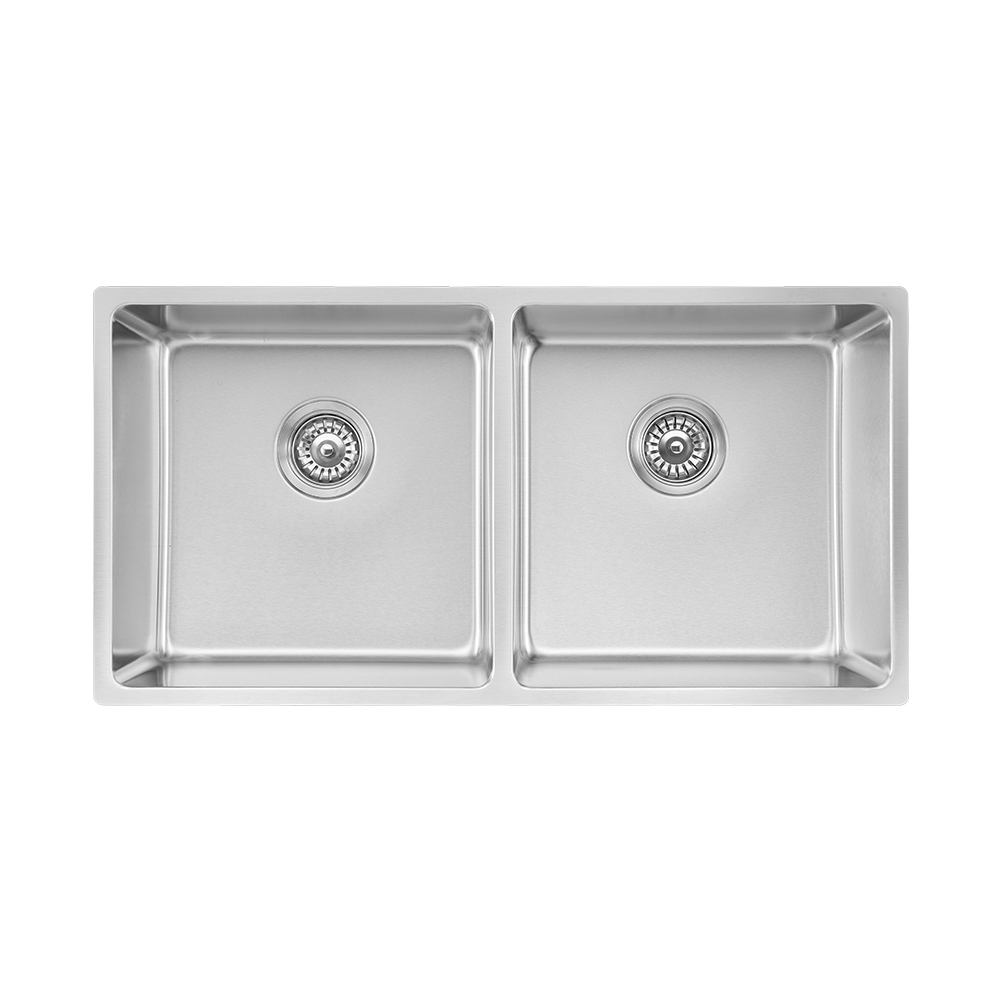
Understanding the performance differences across stainless sink variations is essential for making an informed purchasing decision. Not all stainless sinks are created equal, and the variations in material composition, construction methods, and finish options directly impact durability, functionality, and long-term value. Whether you're upgrading a residential kitchen or outfitting a commercial space, recognizing these stainless sink differences will help you select the right option for your specific needs and budget.
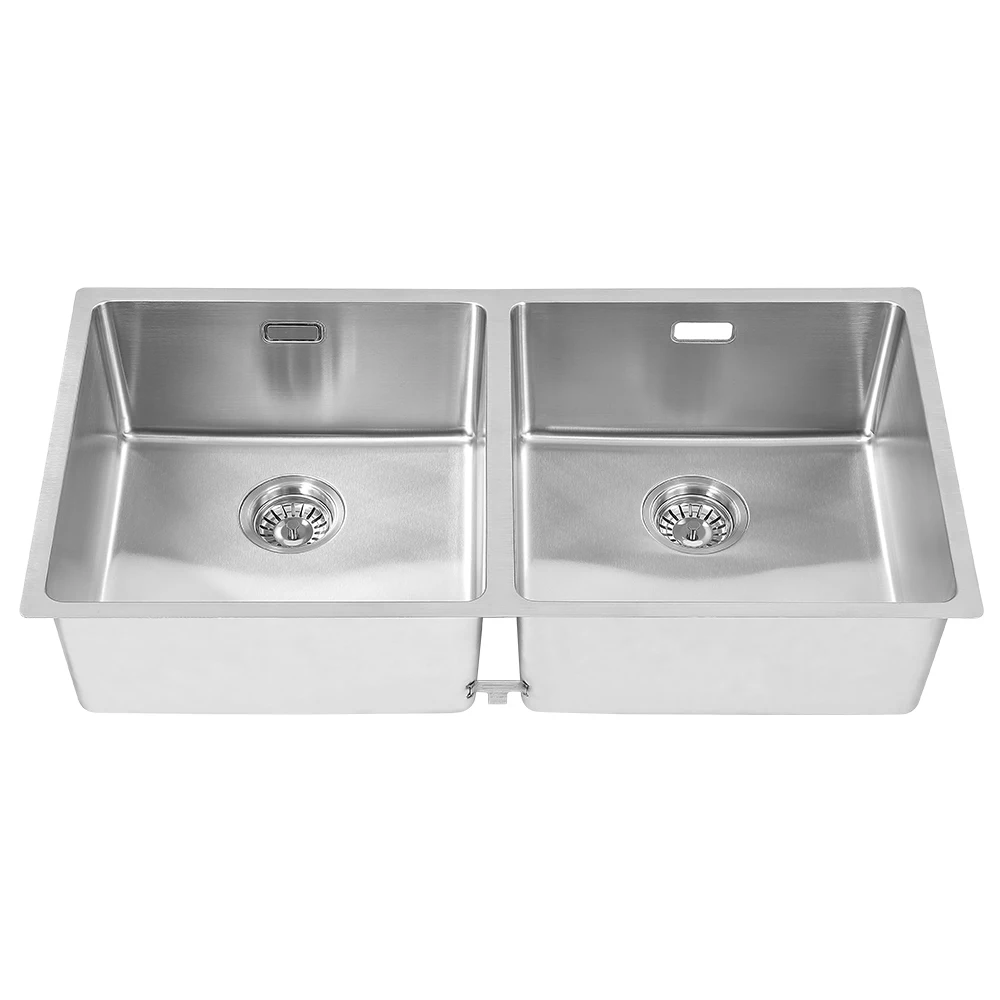
The stainless sink market offers numerous variations designed to meet different performance requirements, aesthetic preferences, and price points. Understanding how these variations differ in terms of material grade, bowl configuration, installation method, and surface treatment will empower you to invest in a stainless sink that delivers optimal performance and longevity for your kitchen environment.
Material Grade and Composition Variations
Stainless Steel Grade Selection
The primary factor distinguishing stainless sink variations is the steel grade used in manufacturing. A stainless sink constructed from 304-grade stainless steel offers superior corrosion resistance compared to lower-grade alternatives. The 304 grade contains approximately 18 percent chromium and 8 percent nickel, which creates a protective oxide layer that resists rust and staining. In contrast, a stainless sink made from 430-grade material contains only chromium without nickel, resulting in reduced corrosion resistance and a shorter lifespan. Professional kitchens and high-end residential installations almost exclusively specify 304-grade stainless sink products due to their proven durability and performance advantages.
Nickel Content Impact on Performance
Nickel content distinguishes premium stainless sink performance from budget alternatives. Higher-quality stainless sink options contain adequate nickel levels that prevent pitting corrosion, particularly in environments where acidic foods or chlorinated water exposure occurs regularly. A stainless sink with insufficient nickel becomes vulnerable to small pits and surface degradation over time. The cost difference between a basic stainless sink and a nickel-enhanced stainless sink variation may seem significant initially, but the extended service life and maintained aesthetic appeal justify the investment. Facilities managers and homeowners who prioritize long-term performance consistently choose stainless sink variations with proven nickel content specifications.
Construction Methods and Bowl Configuration
Single-Bowl versus Multi-Bowl Stainless Sink Designs
The bowl configuration significantly impacts how a stainless sink performs in daily kitchen operations. A single-bowl stainless sink provides maximum usable space for washing large items and offers straightforward cleaning workflows. Multi-bowl stainless sink variations, such as double or triple-bowl designs, enable simultaneous task segregation—allowing washing, rinsing, and sanitizing to occur in separate compartments. The performance advantage of a multi-bowl stainless sink becomes apparent in high-volume food preparation environments where workflow efficiency directly affects productivity. Each stainless sink variation addresses different operational priorities, and the choice depends on your kitchen's workflow demands and available countertop space.
Gauge Thickness and Structural Integrity
Gauge thickness represents another critical performance differentiation across stainless sink variations. A stainless sink manufactured from 16-gauge material provides optimal strength, sound dampening, and heat retention compared to thinner alternatives. Thinner stainless sink variations, such as 18-gauge or 20-gauge options, cost less but transmit more noise during use and demonstrate less rigidity when under load. Professional-grade stainless sink products typically feature 16-gauge construction, while economy stainless sink variations often use thinner gauges to reduce manufacturing costs. The structural performance difference becomes immediately noticeable through reduced flexing and less acoustic disturbance when operating a thicker stainless sink during dishwashing cycles.
Installation Methods and Surface Treatment Variations
Top-Mount versus Undermount Installation Performance
Installation methodology creates distinct performance characteristics across stainless sink variations. Top-mounted stainless sink designs rest on the countertop with the rim visible, offering easier installation and edge access for debris removal. Undermount stainless sink installations hide the rim beneath the countertop surface, creating a seamless aesthetic and eliminating the rim as a debris-catching edge. The performance advantage of each stainless sink installation type depends on maintenance preferences and countertop material compatibility. Granite and quartz countertops pair better with undermount stainless sink configurations, while laminate surfaces work effectively with top-mount stainless sink variations. Each installation approach affects water management, accessibility, and integrated storage optimization around your stainless sink.
Surface Finish and Stain Resistance
Surface treatment variations significantly influence how well a stainless sink resists visible water spots, fingerprints, and discoloration. Brushed or satin finishes on a stainless sink mask water spots and fingerprints more effectively than polished finishes, reducing frequent cleaning requirements. Pearl or ripple-finish stainless sink surfaces provide additional aesthetic variation while enhancing stain concealment properties. The stainless sink finish you select impacts both appearance and maintenance burden throughout the product's lifespan. Kitchens with hard water or frequent heavy use benefit from finishes that naturally conceal mineral deposits and require less polishing to maintain visual appeal compared to reflective stainless sink finishes.
Drain Design and Accessory Integration Differences
Drain Configuration and Plumbing Compatibility
Drain positioning and configuration vary significantly across stainless sink product lines, affecting installation flexibility and operational workflow. Stainless sink variations featuring offset drain positions accommodate flexible plumbing arrangements, particularly in kitchen layouts where standard centerline drainage creates conflicts with cabinetry or supply lines. Some premium stainless sink options include integrated drain boards or angled surfaces that direct water flow efficiently toward the drain opening. The drain system in a commercial-grade stainless sink often includes enhanced strainer baskets and removable components that simplify maintenance and debris removal. Evaluating drainage effectiveness across different stainless sink variations ensures that water exits cleanly without pooling or backup issues during heavy use periods.
Accessory Mounting Points and Faucet Compatibility
Hole configurations and accessory mounting options distinguish various stainless sink product categories. Standard stainless sink designs include pre-drilled faucet mounting holes in fixed positions, while specialized stainless sink variations offer flexible hole patterns or removable covers for custom configurations. Some premium stainless sink products feature integrated soap dispensers, pull-down faucet systems, or hot water tap connections built into the rim structure. The compatibility between your chosen faucet system and the stainless sink's hole pattern affects installation complexity and final cost. Examining accessory integration possibilities when evaluating stainless sink variations ensures that your sink components function cohesively and support your intended kitchen operations.
FAQ
What grade of stainless steel should I prioritize when selecting a stainless sink?
Always select a 304-grade stainless sink over lower-grade alternatives for optimal corrosion resistance and durability. The 304 grade contains essential nickel content that prevents pitting and rust development, particularly in kitchens exposed to acidic foods or mineral-rich water. While 430-grade stainless sink options cost less, they deteriorate significantly faster and may show visible rust spots within a few years. Investing in 304-grade ensures your stainless sink maintains its appearance and structural integrity throughout decades of use, making it the superior long-term value choice for both residential and commercial applications.
How does bowl configuration affect stainless sink performance?
Bowl configuration directly impacts operational efficiency and workflow capability within your stainless sink environment. Single-bowl stainless sink designs maximize usable space for large items but limit multitasking capability, while multi-bowl stainless sink variations enable simultaneous washing, rinsing, and sanitizing operations. High-volume kitchens benefit substantially from multi-bowl stainless sink arrangements because they allow parallel food preparation tasks without workflow interruption. Your selection should match your kitchen's typical task patterns and available countertop dimensions to optimize both performance and usability of your chosen stainless sink configuration.
Why does stainless sink gauge thickness matter for performance?
Gauge thickness determines structural rigidity, noise level, and heat management characteristics of your stainless sink during daily operations. A 16-gauge stainless sink provides superior strength and reduced flexing compared to thinner 18-gauge or 20-gauge options, while also dampening noise more effectively during high-impact dishwashing cycles. Thinner stainless sink variations transmit more sound and offer less rigidity when subjected to heavy loads or aggressive washing, creating a less pleasant user experience over time. Professional kitchens standardize on 16-gauge stainless sink construction because the performance advantages justify the slightly higher material cost and deliver noticeably better acoustics and durability throughout the sink's operational life.