EN
EN


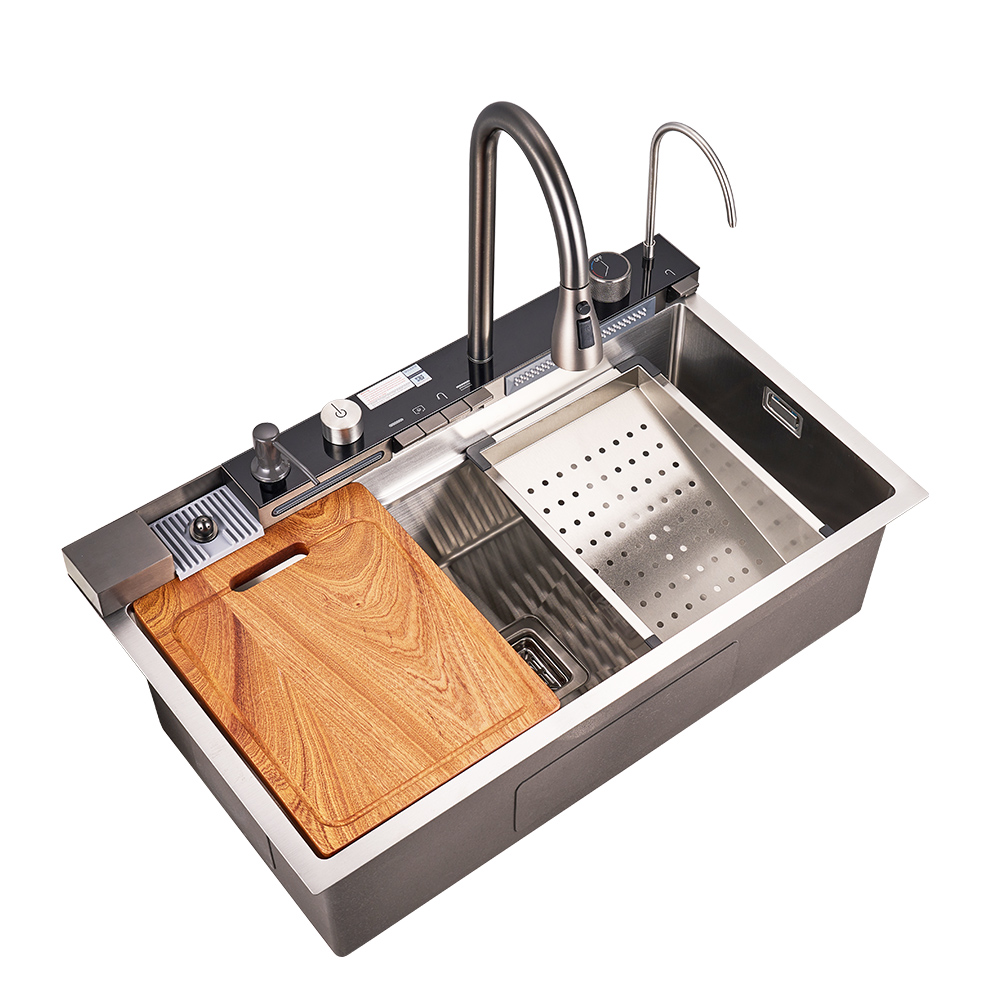
The modern kitchen has undergone a dramatic transformation in recent years, and at the heart of this evolution lies the smart kitchen sink. These innovative fixtures integrate cutting-edge technologies that go far beyond traditional plumbing, offering homeowners and businesses unprecedented convenience, efficiency, and control. A smart kitchen sink represents a convergence of sensors, connectivity, automation, and user-friendly interfaces designed to simplify daily kitchen tasks. Understanding the technologies embedded within a smart kitchen sink helps you appreciate how this fixture can revolutionize your cooking and cleaning experience while optimizing water usage and improving overall kitchen workflow.
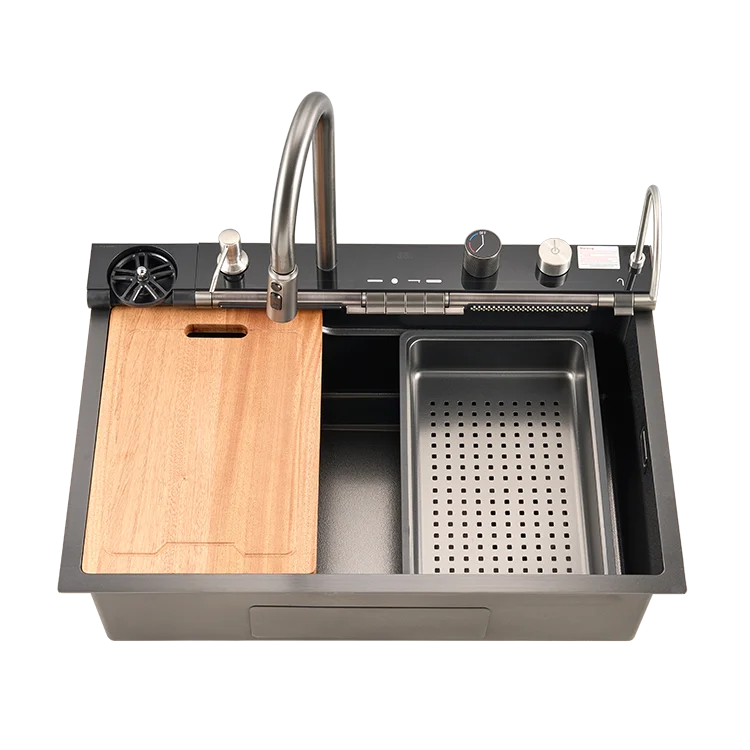
Today's smart kitchen sink technology encompasses multiple interconnected systems that work seamlessly together. From touchless activation to water temperature regulation and integrated drainage management, each component of a smart kitchen sink is engineered to enhance usability and sustainability. The proliferation of IoT devices in residential and commercial kitchens has made the smart kitchen sink an essential element for those seeking to modernize their spaces. Exploring the specific technologies that power these advanced fixtures reveals why they are becoming increasingly popular among design-conscious and efficiency-focused property owners.
Sensor Technology in Smart Kitchen Sink Systems
Motion Detection and Touchless Activation
One of the most transformative technologies in a smart kitchen sink is motion detection capability. These advanced sensors recognize hand movements and presence without requiring physical contact, making the smart kitchen sink both hygienic and convenient. The motion-activated technology typically uses infrared sensors positioned beneath or around the spout, detecting when hands or objects approach the sink area. This feature is particularly valuable in busy kitchens where maintaining clean, contamination-free surfaces is essential. A smart kitchen sink equipped with this technology reduces the spread of bacteria and viruses while minimizing water waste through precise control over flow duration.
Temperature and Water Quality Sensors
Embedded temperature sensors represent another critical component of smart kitchen sink design. These sensors continuously monitor water temperature and automatically adjust the output to match user preferences or safety standards. Additionally, some smart kitchen sink models include water quality sensors that detect contaminants, mineral content, and pH levels. The integration of these sensors allows a smart kitchen sink to provide real-time feedback about water conditions, enabling users to make informed decisions about filtration or treatment needs. Advanced smart kitchen sink systems can even alert users when water quality falls below acceptable thresholds.
Connectivity and Smart Controls for Kitchen Sink Management
WiFi and Bluetooth Integration
Modern smart kitchen sink designs incorporate wireless connectivity that enables remote monitoring and control. WiFi and Bluetooth technologies allow your smart kitchen sink to communicate with smartphones, tablets, and smart home hubs. Through dedicated mobile applications, users can activate or deactivate their smart kitchen sink remotely, adjust water temperature, set flow rates, and receive maintenance alerts from anywhere. This connectivity transforms the smart kitchen sink into a fully integrated component of a home automation ecosystem. The seamless integration between your smart kitchen sink and other connected devices creates a cohesive user experience that prioritizes convenience and energy efficiency.
Voice Control and Artificial Intelligence
A smart kitchen sink equipped with voice control functionality allows hands-free operation through popular AI assistants. Users can command their smart kitchen sink to fill a container to a specific level, adjust water temperature, or activate specific wash cycles using simple voice commands. Machine learning algorithms embedded in advanced smart kitchen sink systems learn user preferences over time, automatically optimizing water usage and temperature settings based on historical patterns. The artificial intelligence within a smart kitchen sink can predict maintenance needs, suggest water-saving adjustments, and provide personalized recommendations for optimal kitchen performance.
Automation Features and Water Management Technology
Automated Flow Control and Water Conservation
Smart kitchen sink technology prioritizes environmental responsibility through sophisticated water management systems. Automated flow control mechanisms within a smart kitchen sink regulate water pressure and volume to prevent waste without compromising functionality. These systems can distinguish between different tasks, such as rinsing vegetables versus filling large pots, and adjust flow accordingly. A smart kitchen sink with advanced conservation features can reduce water consumption by up to forty percent compared to traditional fixtures. The precision targeting of a smart kitchen sink's water delivery system ensures that every drop serves a purpose while maintaining user comfort and satisfaction.
Integrated Drainage and Waste Management
The drainage system within a modern smart kitchen sink incorporates sensors and automation that optimize waste handling and composting potential. Some smart kitchen sink designs include built-in food waste recognition technology that separates compostable materials from regular waste. Smart kitchen sink models can monitor drain health, detecting clogs or blockages before they become problematic. The integration of these waste management features positions a smart kitchen sink as an environmentally conscious choice for sustainable kitchen design. Advanced drainage automation in a smart kitchen sink contributes to reduced maintenance costs and improved sanitation throughout the kitchen environment.
FAQ
What makes a smart kitchen sink different from conventional kitchen sinks?
A smart kitchen sink differs fundamentally through its integration of digital technologies and connectivity features. While conventional kitchen sinks function as passive fixtures, a smart kitchen sink actively responds to user input, environmental conditions, and programmed preferences. The smart kitchen sink monitors water quality, temperature, and usage patterns, providing data-driven insights that help optimize kitchen performance. These intelligent features transform a smart kitchen sink from a utilitarian fixture into a responsive system that enhances daily kitchen activities while promoting water conservation and hygiene standards.
How do I control and monitor my smart kitchen sink remotely?
Remote control of a smart kitchen sink occurs through dedicated mobile applications available on iOS and Android platforms. These apps connect to your smart kitchen sink via WiFi or Bluetooth, allowing you to monitor real-time usage statistics, water temperature, and system health. You can activate or deactivate your smart kitchen sink from anywhere, receive maintenance notifications, and adjust operational parameters through intuitive touchscreen interfaces. Many smart kitchen sink systems also support integration with established smart home platforms like Amazon Alexa and Google Home for voice-based control.
Are smart kitchen sink technologies environmentally friendly?
Yes, smart kitchen sink technology is designed with environmental sustainability as a primary objective. The smart kitchen sink incorporates water-saving features that significantly reduce consumption compared to traditional fixtures. Advanced smart kitchen sink sensors optimize flow rates and temperature regulation, minimizing energy waste during heating and cooling cycles. Additionally, a smart kitchen sink often includes waste management features that facilitate composting and recycling initiatives. The smart kitchen sink represents an investment in sustainable home infrastructure that benefits both individual households and broader environmental conservation efforts.