EN
EN


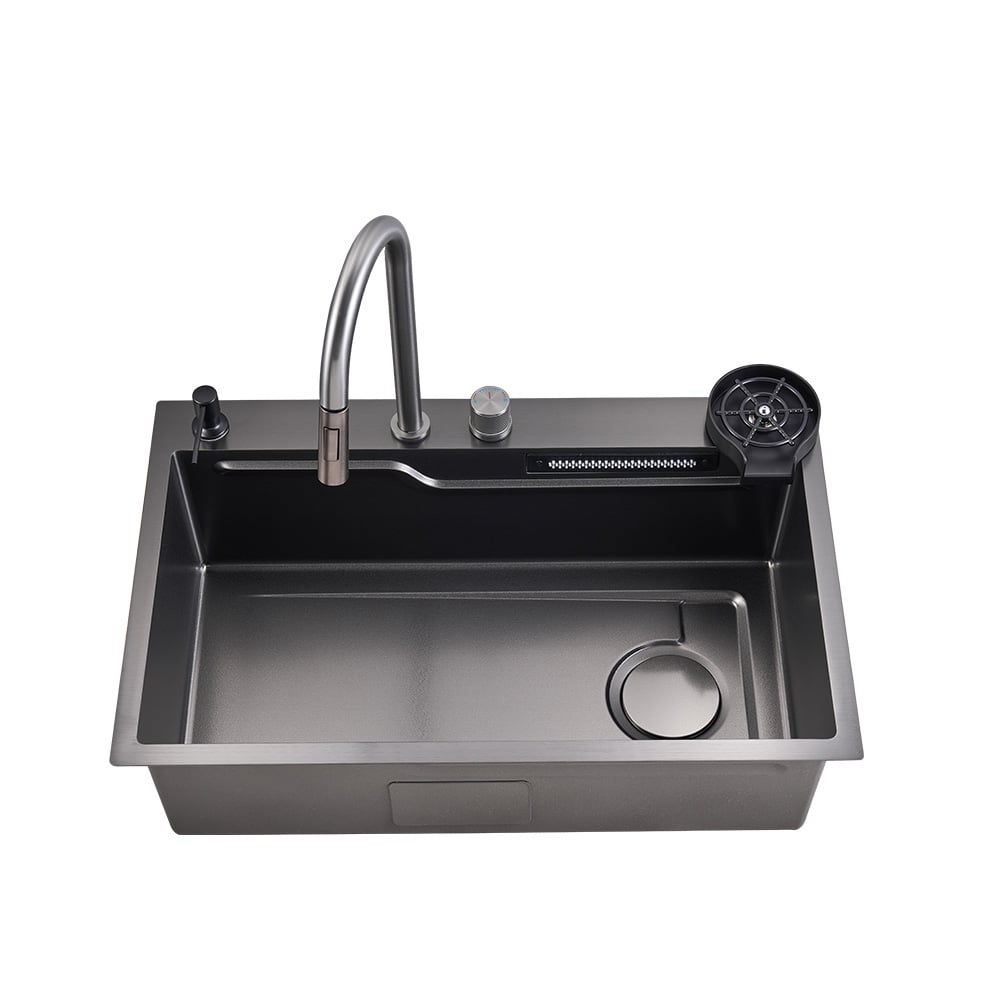
The efficiency of any kitchen operation depends significantly on how well the sink kitchen area is organized and configured. A properly designed sink kitchen setup can streamline workflow, reduce preparation time, and enhance overall productivity in both residential and commercial kitchens. Without thoughtful sink kitchen configuration, even the most skilled culinary teams face unnecessary bottlenecks and inefficient task coordination. Understanding why sink kitchen design matters is essential for anyone looking to optimize their culinary workspace and improve daily operations.

A strategic sink kitchen configuration directly influences how multiple tasks can be coordinated simultaneously. When your sink kitchen layout supports efficient movement between washing, rinsing, and drying stations, team members can work in harmony without interference. The sink kitchen arrangement determines water flow patterns, accessibility to cleaning supplies, and the speed at which different preparation stages can proceed. Investing time in proper sink kitchen planning yields measurable returns in task coordination and kitchen satisfaction.
The Foundation of Workflow Efficiency
Understanding Task Coordination Through Sink Kitchen Design
Task coordination in kitchens depends on how seamlessly team members can move through the washing, preparation, and cleanup phases. A well-configured sink kitchen enables multiple workers to accomplish their roles without creating congestion points. When your sink kitchen features proper spacing, adequate counter area, and logical placement of accessories, task coordination becomes intuitive rather than challenging. The sink kitchen zone becomes a hub where different operations intersect smoothly, allowing each team member to focus on their specific responsibilities without waiting for others to finish.
Many kitchens fail to achieve their potential productivity because the sink kitchen setup doesn't account for simultaneous workflows. A poorly designed sink kitchen forces sequential rather than parallel work, which drastically reduces output capacity. For example, if the sink kitchen is positioned in a corner with limited counter space, only one person can effectively use it at a time. By contrast, a strategically positioned sink kitchen with thoughtful configuration allows two or three team members to work on different stages simultaneously, dramatically improving task coordination and reducing overall preparation time.
The Impact on Daily Kitchen Operations
Every day, a kitchen's performance is directly tied to how efficiently the sink kitchen functions as a central workspace. Vegetable washing, meat preparation rinsing, dishware cleaning, and hand sanitation all depend on having a well-organized sink kitchen. When the sink kitchen configuration supports these varied demands, staff can move through tasks fluidly without searching for tools or creating traffic jams. An optimized sink kitchen means fewer delays, less frustration, and a more professional kitchen environment where everyone knows exactly where to go and what to do next.
The cost of poor sink kitchen configuration extends beyond just wasted time. When the sink kitchen layout doesn't support efficient task coordination, staff morale suffers, error rates increase, and the quality of food preparation may decline. Employees working in a chaotic sink kitchen environment become stressed and less focused on quality control. A thoughtfully configured sink kitchen, by contrast, creates a calm, organized atmosphere where attention to detail improves and team members feel confident in their workspace.
Key Configuration Elements That Drive Task Coordination
Spatial Design and Accessibility Factors
The physical dimensions and placement of your sink kitchen determine how accessible it is during busy service periods. A sink kitchen positioned centrally rather than in a corner increases accessibility from multiple directions and reduces crowding. Counter depth, width, and height of the sink kitchen surfaces all affect comfort and efficiency during extended work sessions. Adequate workspace immediately surrounding the sink kitchen allows team members to stage ingredients, organize cleaning supplies, and manage multiple tasks without bumping into each other. The sink kitchen configuration should include enough clearance for doors to open, for utility access, and for emergency movement if needed.
Visibility is another critical aspect of sink kitchen configuration that impacts task coordination. When team members can see the sink kitchen clearly and know its status at a glance, they can plan their movements more effectively. A well-lit sink kitchen with clear sightlines helps workers coordinate timing and avoid unnecessary trips or delays. Additionally, the sink kitchen should be configured so that a supervisor or lead cook can monitor the washing and preparation stations without disrupting the workflow.
Functional Feature Integration
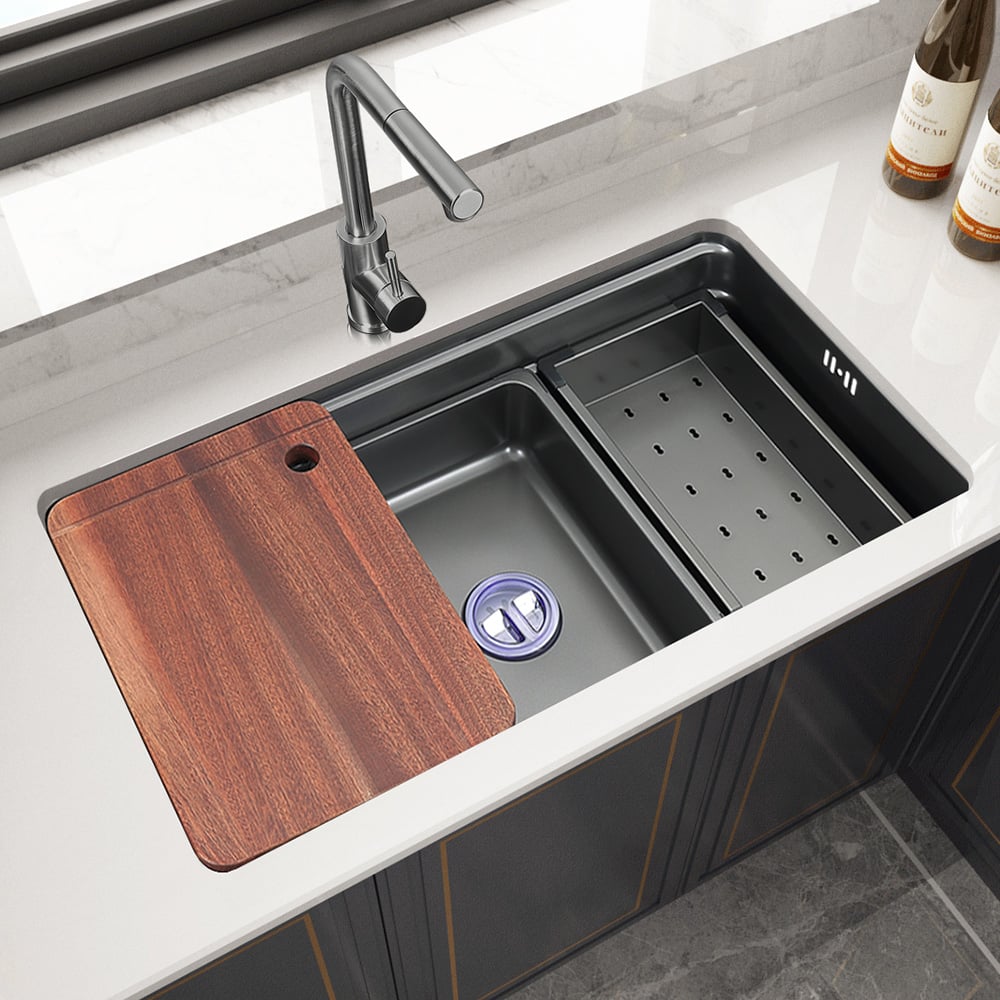
Modern sink kitchen configuration goes beyond just installing a basin—it includes integrated features that support multiple concurrent tasks. A sink kitchen with dual compartments, for instance, allows simultaneous washing and rinsing without requiring workers to move items between locations. Spray attachments, draining boards, and soap dispensers that are permanently integrated into the sink kitchen reduce the time spent searching for and retrieving tools. Some advanced sink kitchen setups include colander attachments or filtration systems that prevent debris from clogging drain lines while maintaining smooth task flow.
The materials used in sink kitchen configuration also matter significantly for task coordination and durability. Stainless steel sink kitchen surfaces withstand heavy use, resist staining, and maintain a hygienic environment essential for food safety protocols. A properly configured sink kitchen with high-quality materials ensures that the workspace remains functional and reliable during peak hours. Features like heated water access, adjustable spray patterns, and ergonomic faucet design integrated into the sink kitchen configuration reduce physical strain and allow staff to work longer without fatigue-related errors.
Strategic Planning for Optimal Kitchen Performance
Assessing Your Current Sink Kitchen Configuration
Before making improvements, evaluate how your existing sink kitchen supports task coordination during your busiest periods. Observe where staff members gather, where bottlenecks occur, and which tasks create waiting periods. Document the distance team members must travel between the sink kitchen and other key prep areas, as excessive distance reduces efficiency. Ask your kitchen staff directly about pain points—they often identify sink kitchen configuration problems that management might miss. This assessment reveals whether your current sink kitchen setup supports simultaneous multi-user access or forces sequential workflows.
Measuring the actual time spent on washing, rinsing, and drying tasks gives you a baseline for improvement. If your sink kitchen configuration requires people to wait in line during peak service, that's a clear signal that changes are needed. Video recording a typical service period often reveals inefficiencies in how the sink kitchen is used and how task coordination breaks down. With this data, you can make informed decisions about whether you need to reconfigure your existing sink kitchen, upgrade its features, or redesign the surrounding workspace.
Implementation Strategies for Improved Task Coordination
Upgrading your sink kitchen configuration doesn't always require a complete renovation. Sometimes, strategic placement of additional drying racks, reorganization of supplies, or repositioning of the sink kitchen accessories can significantly improve task coordination. Investing in a sink kitchen with integrated features like built-in colanders and soap dispensers reduces the steps required for common tasks. Training staff on optimal workflow patterns for your specific sink kitchen configuration ensures that the space is used as effectively as possible.
When planning modifications to your sink kitchen configuration, involve both management and front-line staff in the decision process. Staff feedback ensures that the redesigned sink kitchen truly addresses real workflow challenges. Prioritize changes that address your most common bottlenecks first, then refine the sink kitchen configuration based on results. This phased approach allows you to validate improvements before making larger investments and helps build team confidence in the new sink kitchen setup.
FAQ
How does sink kitchen configuration directly affect team productivity?
An optimized sink kitchen configuration enables multiple staff members to work simultaneously on different tasks without creating congestion or delays. When the sink kitchen is positioned strategically with adequate counter space, proper lighting, and integrated features, team members spend less time searching for tools or waiting for station availability. This parallel workflow capability directly translates to faster food preparation, reduced labor costs, and improved overall kitchen throughput. Poor sink kitchen configuration forces sequential workflows, where each task must wait for the previous one to finish, significantly limiting daily output.
What features should a task-coordinated sink kitchen include?
An effective sink kitchen configuration should include multiple compartments for simultaneous washing and rinsing, integrated drainage solutions, and conveniently placed soap dispensers. Adjustable spray patterns, ergonomic faucet design, and high-quality stainless steel construction ensure durability and user comfort during extended use. Additional features like colander attachments and organized supply storage streamline common tasks and reduce movement required. The sink kitchen should also have adequate counter space on both sides and proper height adjustment to accommodate different team members and task types.
Can improving sink kitchen configuration reduce kitchen staff stress and fatigue?
Yes, a well-designed sink kitchen configuration significantly reduces physical and mental stress on kitchen staff. When the sink kitchen is organized logically with all necessary tools and supplies within arm's reach, workers experience less frustration and fatigue from searching or reaching awkwardly. Proper ergonomic design in sink kitchen configuration minimizes repetitive strain injuries and allows staff to maintain focus and attention to quality. A stress-free sink kitchen environment leads to better decision-making, fewer food safety mistakes, and higher job satisfaction among team members, resulting in lower turnover and more consistent kitchen performance.