EN
EN


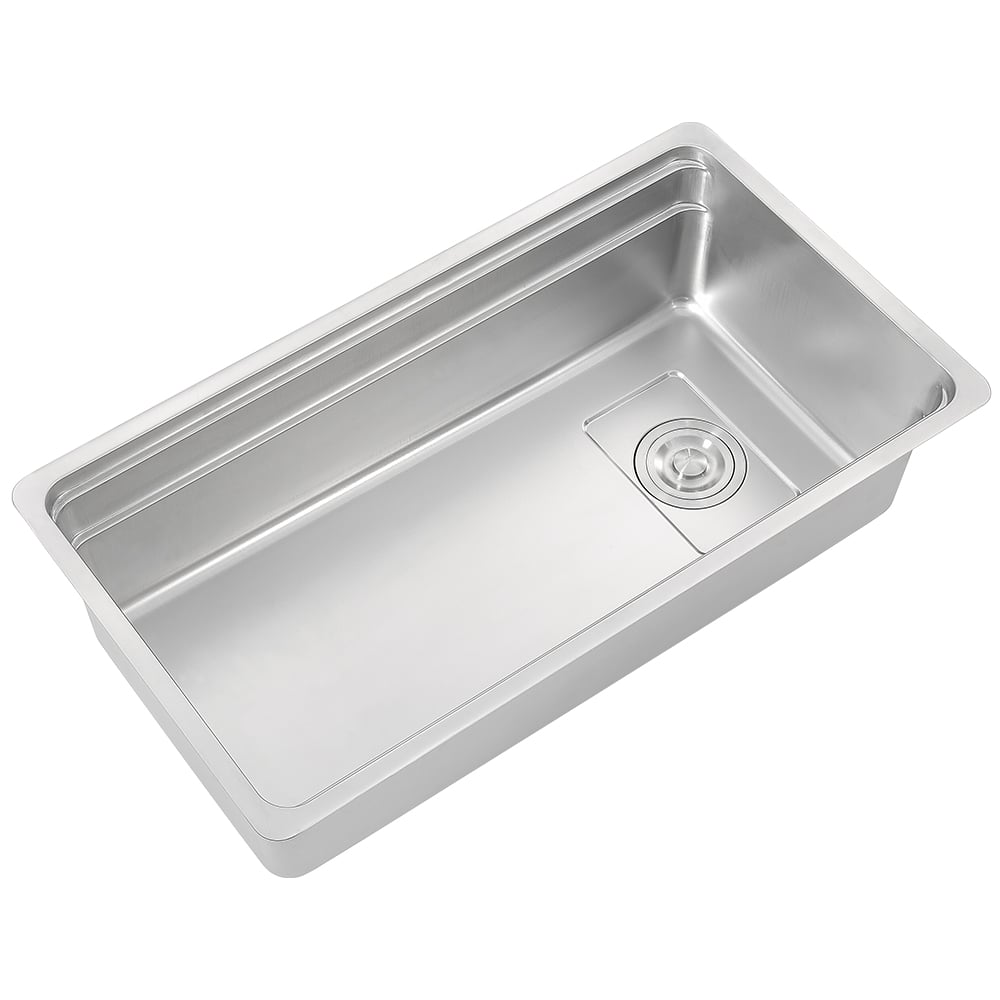
The design and configuration of your sink kitchen directly influence how effectively you complete daily cleaning tasks. A well-configured sink kitchen streamlines workflow, reduces water waste, and minimizes the time spent on routine dishwashing and food preparation cleanup. Understanding how different sink kitchen elements work together helps you optimize this essential workspace for maximum productivity and comfort.

Cleaning efficiency in a sink kitchen depends on multiple interconnected factors, from bowl size and depth to faucet design and counter space arrangement. When these elements are thoughtfully integrated, your sink kitchen becomes a functional hub that supports both speed and thoroughness in kitchen maintenance. This guide explores the key configuration aspects that make a significant difference in real-world cleaning performance.
Bowl Size and Depth Impact on Cleaning Capacity
Dimensional Considerations for Your Sink Kitchen
The dimensions of your sink kitchen bowl directly affect how much space you have for soaking, washing, and rinsing items simultaneously. A deeper sink kitchen accommodates larger pots, baking sheets, and cookware without water splashing onto countertops during aggressive scrubbing. Single-bowl sink kitchen configurations typically measure between 7 and 10 inches deep, with width ranging from 18 to 36 inches, depending on available countertop space.
Larger bowl capacity in a sink kitchen allows you to pre-soak heavily soiled items while continuing to wash other dishes in the same basin. This multitasking capability significantly reduces overall cleaning time. A properly sized sink kitchen eliminates the need to empty and refill water repeatedly, which conserves both water and energy resources while maintaining thermal efficiency of hot water throughout the cleaning cycle.
Material Properties and Durability
A sink kitchen constructed from high-quality stainless steel or composite materials maintains structural integrity under repeated use and thermal stress. Durable sink kitchen materials resist staining, scratching, and corrosion from acidic foods and harsh cleaning agents. The choice of material in your sink kitchen affects both the longevity of the fixture and the ease with which you can maintain a hygienic cleaning surface.
Premium sink kitchen options often feature reinforced walls and sound-dampening technology that reduces noise from water impact and utensil contact. This noise reduction improves the overall kitchen experience, making extended cleaning sessions less fatiguing. A well-made sink kitchen maintains its aesthetic appeal and functional performance for decades, representing a worthwhile investment in your kitchen infrastructure.
Faucet Design and Water Flow Optimization
Spray Capabilities in Modern Sink Kitchen Systems
Contemporary sink kitchen faucets often feature multiple spray patterns including standard stream, concentrated jet, and wide rinse modes. These varied spray patterns in a sink kitchen allow you to adapt water delivery to different cleaning tasks, from gentle rinsing of delicate glassware to powerful debris removal from cookware. The flexibility of spray modes directly enhances cleaning efficiency by providing the precise water pressure needed for each specific situation in your sink kitchen.
Pull-down and pull-out faucet designs extend your reach across the entire sink kitchen basin, making it easier to position dishes and cookware for optimal rinsing angles. Extended reach in your sink kitchen faucet eliminates the need to move items multiple times or contort your body into uncomfortable positions. This ergonomic advantage reduces fatigue during extended cleaning sessions and improves your ability to access all surfaces of the items being washed in your sink kitchen.
Water Temperature and Supply Consistency
Efficient water temperature control in a sink kitchen faucet allows you to select hot, warm, or cold water quickly without wasting time and resources adjusting the handles repeatedly. Single-lever faucet designs common in modern sink kitchen setups provide immediate access to your preferred temperature setting. Consistent water pressure and temperature throughout your sink kitchen cleaning session ensure predictable results and reduce variables that might extend cleaning time unnecessarily.
Aerator technology in a sink kitchen faucet maximizes water efficiency by infusing air into the stream, creating a powerful cleaning action while reducing overall water consumption. This feature supports both environmental responsibility and cost reduction in your kitchen operations. A well-designed sink kitchen faucet balances cleaning power with resource conservation, meeting modern sustainability expectations without compromising performance.
Counter Space Layout and Workflow Arrangement
Pre-Wash and Post-Wash Zones Around Your Sink Kitchen
Strategic placement of counter space adjacent to your sink kitchen creates dedicated zones for sorting dirty items, staging clean dishes, and organizing supplies. An efficient sink kitchen layout positions frequently used items such as dish soap, sponges, and towels within arm's reach without cluttering the immediate washing area. This organized arrangement in your sink kitchen minimizes movement and decision-making during the cleaning process, directly improving overall efficiency and throughput.
Adequate counter space near your sink kitchen prevents bottlenecks where clean dishes accumulate faster than you can store them away. A congested sink kitchen workspace forces you to pause cleaning while managing placement of finished items, disrupting your rhythm and extending the total cleaning duration. Professional kitchen designers recognize that counter surface area adjacent to your sink kitchen is as important as the sink itself for maintaining smooth, continuous cleaning workflow.
Drainboard and Drying Integration
Built-in drainboards integrated with your sink kitchen design provide a dedicated space for air-drying dishes without occupying additional counter real estate. This feature in a sink kitchen eliminates the need to position a separate drying rack, which reduces clutter and visual confusion in your workspace. Many modern sink kitchen configurations include grooved drainboard surfaces that direct water back into the sink automatically while supporting various dish sizes and shapes.
Proper drainage integration in your sink kitchen accelerates the transition from washing to storage phases of cleaning. A thoughtfully designed sink kitchen with integrated drying features reduces the total time dishes spend in your work zone, freeing counter space for subsequent tasks. This streamlined approach to sink kitchen design reflects an understanding of how sequential steps in cleaning can be optimized through intelligent spatial planning.
Accessory Compatibility and Functional Enhancement
Colanders, Cutting Boards, and Sink Kitchen Customization
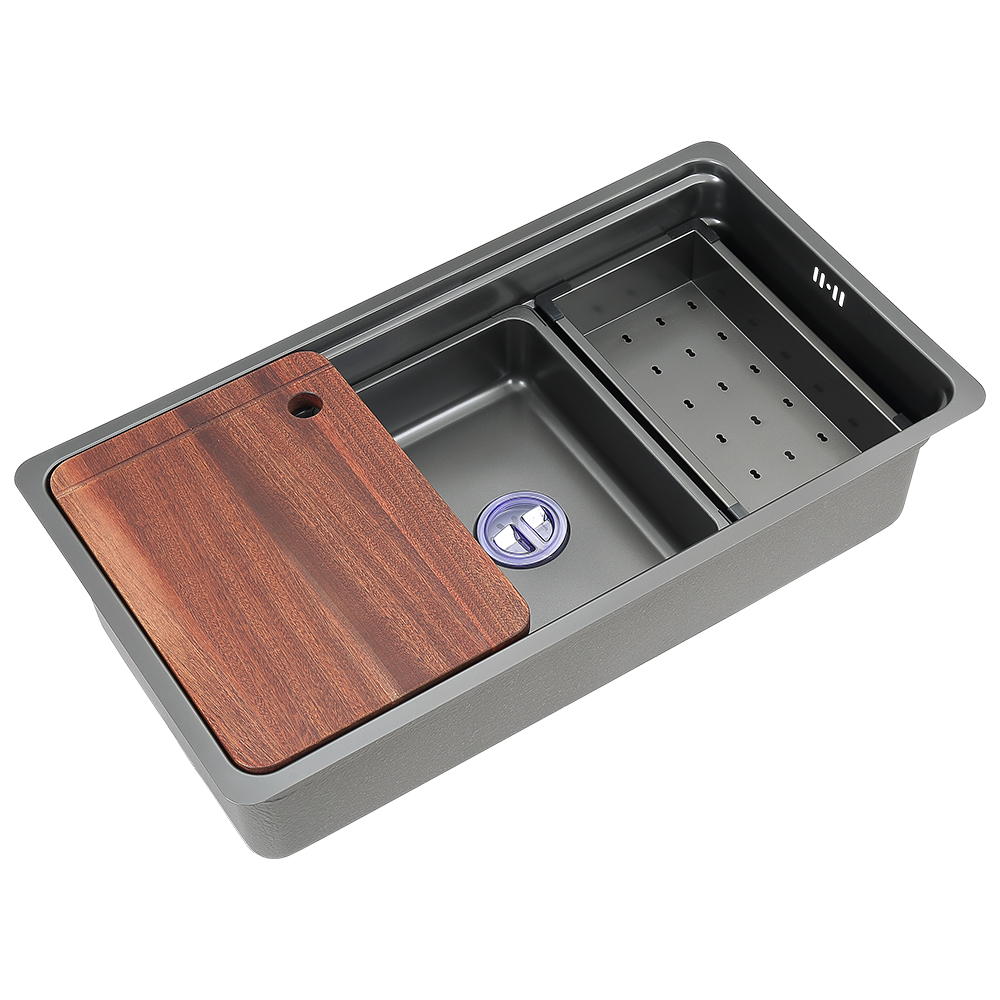
A sink kitchen equipped with compatible accessories such as removable colanders and cutting boards extends its versatility beyond simple dishwashing. These integrated features allow your sink kitchen to serve multiple preparation and cleaning purposes simultaneously. A multi-functional sink kitchen configuration maximizes the utility of your investment while reducing the number of separate tools and accessories cluttering your workspace.
Custom-fitted accessories designed specifically for your sink kitchen model ensure that colanders, boards, and organizers fit seamlessly into the available space without requiring adjustment or compromise. This precision engineering in sink kitchen design eliminates wasted space and prevents items from shifting during use. When accessories align perfectly with your sink kitchen dimensions, you gain maximum functional benefit without creating new organizational challenges or safety hazards.
Soap Dispensers and Supply Integration
Integrated soap dispensers built directly into your sink kitchen counter reduce clutter by eliminating freestanding pump bottles that gather grime and consume valuable surface area. This integrated approach to sink kitchen design keeps your primary cleaning agent within immediate reach while maintaining a clean, minimalist aesthetic around the washing zone. Built-in sink kitchen soap dispensers encourage consistent use of proper cleaning solutions and reduce accidental spills that might otherwise compromise your workspace.
Supply integration within your sink kitchen configuration reflects modern kitchen planning that prioritizes both function and appearance. When tools and supplies are built directly into your sink kitchen structure, you eliminate the friction of retrieving items from separate locations during cleaning sessions. This seamless integration of supplies with your sink kitchen workspace represents the culmination of thoughtful design that transforms a utilitarian fixture into a genuinely efficient cleaning center.
FAQ
How does sink kitchen depth affect what items you can wash?
A deeper sink kitchen basin allows you to submerge larger cookware and baking sheets without water splashing onto surrounding countertops. Standard sink kitchen depths range from 7 to 10 inches, with deeper basins providing more flexibility for soaking and washing varied items. Greater depth in your sink kitchen also creates space for organizing multiple items during extended cleaning sessions, improving your ability to manage workflow without moving dishes repeatedly between washing and rinsing stages.
What faucet features matter most for sink kitchen cleaning efficiency?
Multiple spray patterns and pull-down or pull-out designs are the most impactful faucet features for your sink kitchen efficiency. These features allow you to direct water precisely where needed and reach all areas of your sink kitchen basin without repositioning items constantly. Water temperature consistency and pressure stability throughout your sink kitchen cleaning session also matter significantly, as they reduce variables that might otherwise extend cleaning time or require repeated adjustments during your work.
Can counter space configuration around your sink kitchen improve cleaning speed?
Yes, strategically positioned counter space adjacent to your sink kitchen directly improves cleaning speed by providing staging areas for dirty items and storage zones for clean dishes. When your sink kitchen is surrounded by adequate workspace, you eliminate bottlenecks and can maintain continuous workflow without pausing to manage overcrowded surfaces. Organized sink kitchen surroundings with integrated drainboards and supply storage reduce the cognitive load of constantly deciding where to place items, allowing you to focus on the actual cleaning task.