EN
EN


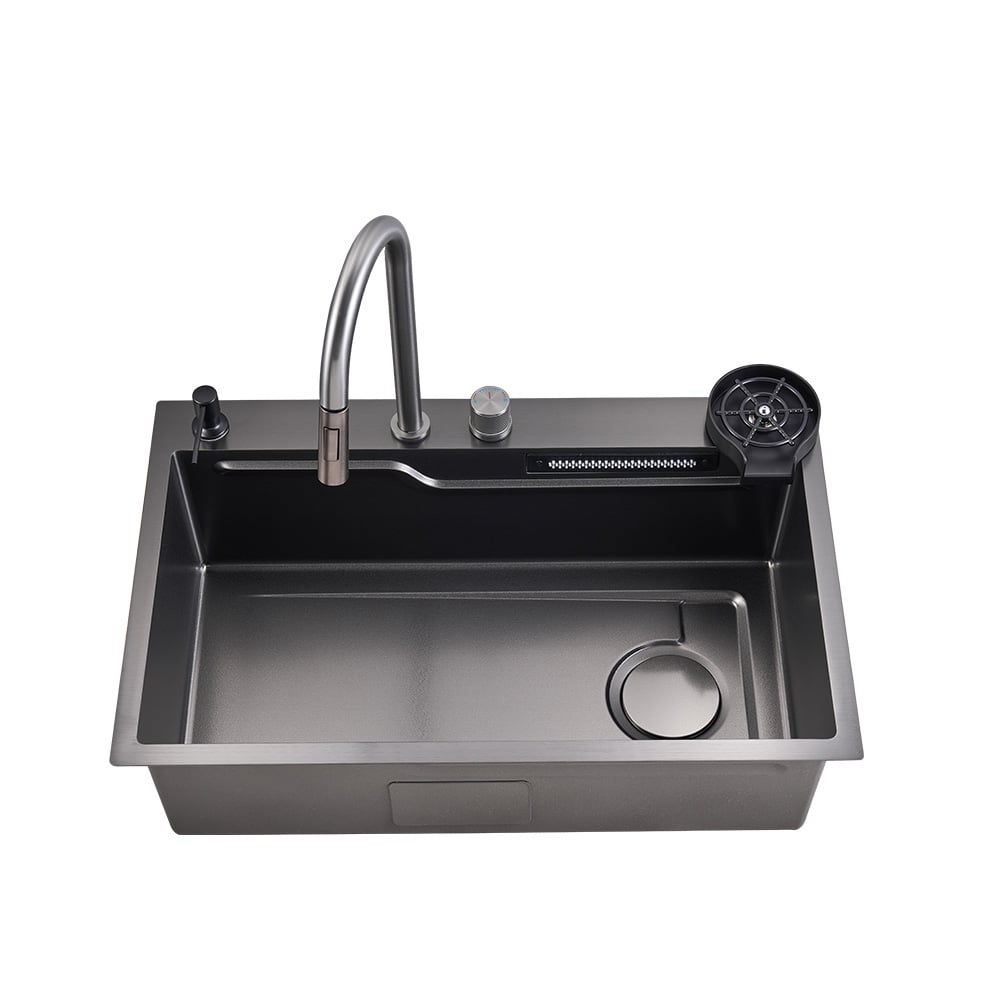
A sink kitchen is one of the most frequently used fixtures in any residential or commercial kitchen, yet many property owners overlook regular maintenance until problems arise. Over time, even the highest-quality sink kitchen installations can develop issues that compromise both functionality and aesthetics. Understanding what problems commonly emerge in sink kitchen systems allows homeowners and facility managers to address concerns proactively, extend the lifespan of their sink kitchen investment, and avoid costly replacements or emergency repairs. The sink kitchen represents a significant financial commitment, and proper care is essential to protect that investment while maintaining a hygienic food preparation environment.
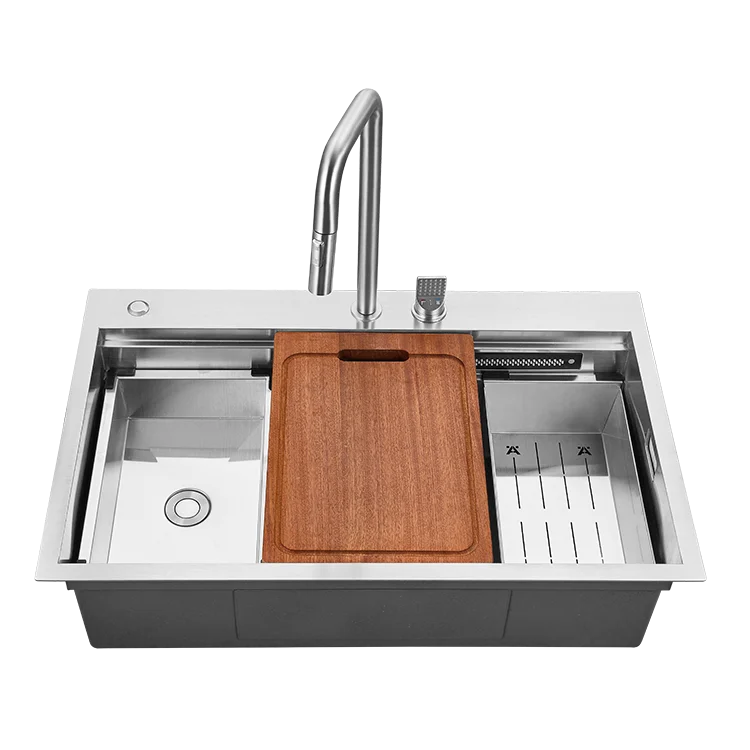
Like any plumbing system exposed to daily water flow and mechanical stress, a sink kitchen develops wear patterns that demand attention. Mineral deposits, corrosion, clogging, and structural degradation are not inevitable failures but rather predictable outcomes of normal use without preventive care. By recognizing early warning signs in your sink kitchen and understanding the root causes behind common failures, you can implement targeted solutions that restore performance and prevent escalation. This guide explores the most prevalent issues affecting sink kitchen systems, their underlying causes, and practical strategies to mitigate damage before it becomes severe.
Understanding Corrosion and Rust Development in Sink Kitchen Fixtures
How Water Chemistry Triggers Corrosion
Water chemistry plays a critical role in determining how quickly a sink kitchen deteriorates. Hard water containing high mineral concentrations accelerates corrosion processes in sink kitchen surfaces, particularly around drain areas and faucet bases where water pools and evaporates. The sink kitchen's exposure to chlorine, salt, and acidic substances commonly found in tap water and cleaning products creates an oxidative environment that breaks down protective coatings. Over time, this chemical interaction causes the sink kitchen finish to dull, discolor, and eventually pit or rust, especially in lower-quality materials that lack adequate protective layers.
Stainless Steel Degradation and Pitting
Even premium stainless steel sink kitchen installations are vulnerable to localized corrosion or pitting when exposed to chloride-rich environments. The sink kitchen's grade of stainless steel matters significantly; lower grades have reduced chromium content, which compromises the protective oxide layer that prevents rust. Abrasive scrubbing with harsh materials and leaving acidic substances sitting on the sink kitchen surface accelerates this degradation. Many users don't realize that their daily cleaning habits directly impact the sink kitchen's longevity, and switching to gentler, pH-neutral cleaners specifically formulated for the sink kitchen material can dramatically slow corrosion progression.
Drainage Problems and Clogging Issues Affecting Sink Kitchen Performance
Accumulation of Debris and Grease Buildup
One of the most common problems affecting a sink kitchen is gradual drain blockage caused by accumulated food particles, grease, and mineral sediment. A sink kitchen drain system experiences constant exposure to organic matter that decomposes and hardens, narrowing the pipe's internal diameter over time. The sink kitchen's drain configuration, including bends and traps, creates natural collection points where debris accumulates and forms stubborn clogs resistant to simple flushing. Without regular maintenance, a sink kitchen drain can transition from slow drainage to complete blockage within months, forcing homeowners to call professional plumbers or attempt DIY interventions that risk damaging the sink kitchen pipes.
Bacterial Growth and Biofilm Formation
The moist environment inside a sink kitchen's drain system creates ideal conditions for bacterial colonies and biofilm development. This biofilm adheres to the interior walls of the sink kitchen's drain pipes and gradually thickens, reducing water flow while producing unpleasant odors that emanate from the sink kitchen despite surface cleaning. The sink kitchen's drain biofilm also traps additional debris, creating a self-reinforcing cycle of blockage and degradation. Addressing this issue requires more than simple plunging; a sink kitchen drain requires enzymatic cleaners or periodic professional cleaning to remove the accumulated biofilm layer completely and restore the sink kitchen's drainage efficiency.
Structural Damage and Seal Degradation in Sink Kitchen Installation
Seal and Caulking Failure Around Sink Kitchen Edges
The caulk and sealant surrounding a sink kitchen installation create a critical moisture barrier between the sink kitchen and the countertop or cabinet surfaces beneath. Water penetration through failed sealant causes wood swelling, mold growth, and structural damage to cabinetry that often goes unnoticed until severe deterioration has occurred. A sink kitchen's seals typically last five to ten years before shrinking, cracking, or peeling away from moisture cycling and thermal expansion. Regular inspection of the sink kitchen's perimeter seals and timely recaulking prevents water damage that extends far beyond the sink kitchen itself, protecting your entire countertop infrastructure and preserving the sink kitchen's functional integrity.
Pipe Corrosion and Connection Leaks
The pipes connected below a sink kitchen experience constant moisture exposure and pressure fluctuations that gradually weaken metal connections. Supply lines connected to the sink kitchen can develop pinhole leaks or rupture, while drain pipes made from older materials corrode from the inside outward, creating structural weakness that eventually leads to catastrophic failure. The sink kitchen's drain trap, which contains standing water designed to create an odor barrier, becomes corroded from continuous water contact and can develop leaks that damage cabinetry. Replacing aging pipes before failure occurs protects both the sink kitchen and the surrounding structure, while proactive inspection of the sink kitchen's under-cabinet area catches problems early when repairs remain cost-effective and straightforward.
FAQ
How can I prevent rust and corrosion in my sink kitchen?
Prevent rust and corrosion in your sink kitchen by wiping surfaces dry immediately after use, using pH-neutral cleaners appropriate for your sink kitchen material, and avoiding prolonged contact between acidic or chlorine-based substances and the sink kitchen surface. Install a water softener if your area has hard water, as mineral reduction significantly slows corrosion progression in your sink kitchen. For stainless steel sink kitchen fixtures, periodic application of food-grade mineral oil helps maintain the protective oxide layer and reduces oxidation risk.
What is the best way to unclog a sink kitchen drain?
For minor clogs, use a plunger designed for sinks or a manual drain snake to remove debris without damaging your sink kitchen pipes. For stubborn buildup, enzymatic drain cleaners are safer than chemical options and effectively dissolve organic matter causing blockage in your sink kitchen. Avoid pouring grease directly into the sink kitchen drain; instead, allow grease to solidify and dispose of it in the trash. For persistent issues, professional drain cleaning services can thoroughly clear your sink kitchen drain system and remove biofilm without risk of pipe damage.
When should I replace the caulk around my sink kitchen?
Inspect the caulk surrounding your sink kitchen every six months for signs of cracking, shrinking, or discoloration. Replace the caulk around your sink kitchen whenever gaps appear or mold growth becomes visible, as these indicate that your sink kitchen's moisture barrier has failed. In high-moisture environments, recaulk your sink kitchen more frequently, potentially every three to five years rather than waiting for visible failure. Promptly addressing deteriorated caulk around your sink kitchen prevents expensive water damage to cabinetry and structural components beneath your countertop.