EN
EN


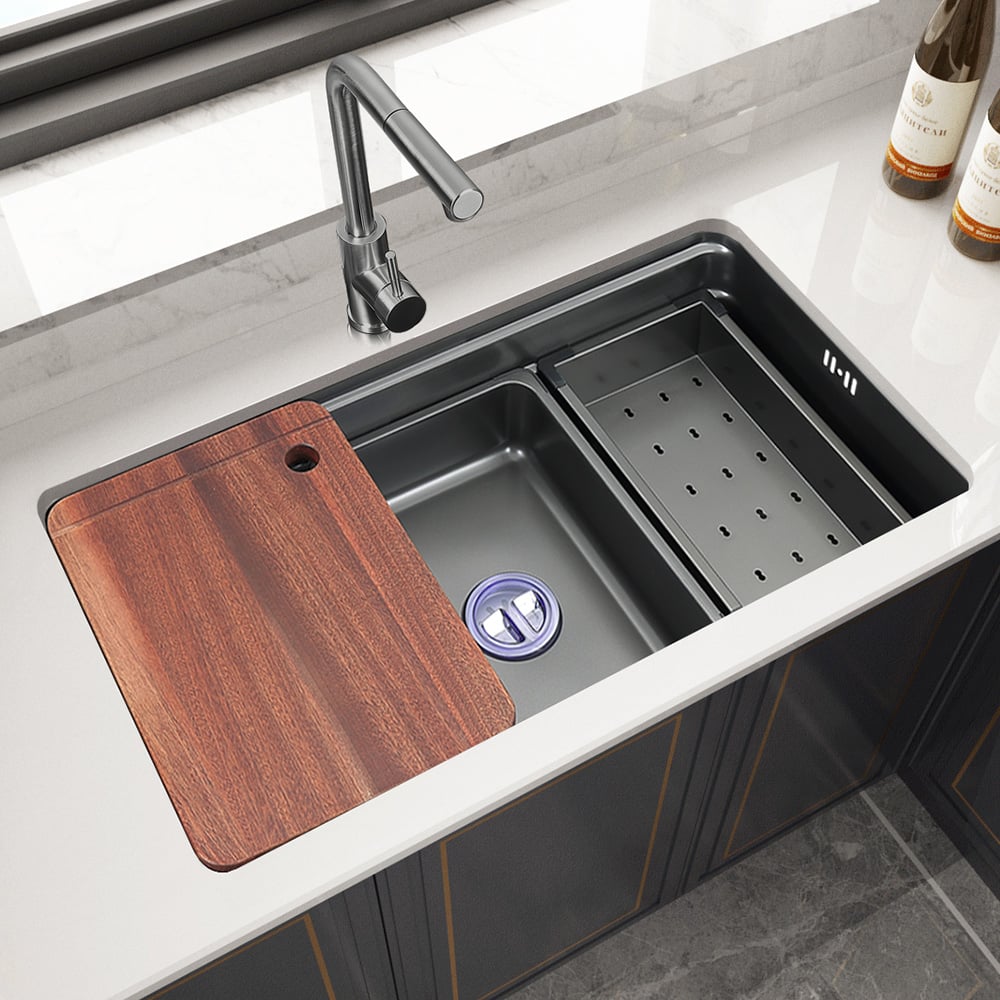
Selecting the right sink kitchen system requires understanding the performance factors that directly impact daily functionality, longevity, and kitchen workflow efficiency. A sink kitchen is far more than a basic fixture—it serves as a central hub for food preparation, washing, and cleanup. When evaluating a sink kitchen system, professionals and homeowners must assess multiple technical and practical dimensions to ensure the investment aligns with actual usage demands and kitchen design goals.

The performance of any sink kitchen installation depends on how well its core specifications match the operational context. Commercial kitchens, residential settings, and specialized food service environments each demand different performance priorities. Understanding these distinctions helps buyers make informed choices rather than defaulting to generic options. This guide explores the key performance factors that should guide your sink kitchen evaluation process.
Material Composition and Durability Standards
Stainless Steel Grades and Corrosion Resistance
Material selection is the foundation of sink kitchen performance. Stainless steel dominates the market because of its balance between durability, hygiene, and cost-effectiveness. The grade of stainless steel used in your sink kitchen directly determines how well it resists corrosion, staining, and surface degradation over time. 304-grade stainless steel represents the most common standard for residential and light commercial sink kitchen applications, offering excellent resistance to general corrosion and reasonable pricing. Higher grades like 316L provide enhanced resistance to chloride exposure and acidic environments, making them suitable for specialized sink kitchen installations in coastal or chemically demanding settings.
The thickness of the material also impacts sink kitchen performance significantly. Gauge measurements—typically ranging from 16 to 20 for residential sink kitchen systems—affect both durability and noise transmission. Heavier gauges (lower numbers) deliver superior rigidity and reduce clanging sounds during use. When evaluating a sink kitchen product, always verify the exact gauge and alloy composition to ensure it meets your expected service life and performance requirements.
Surface Finish Quality and Maintenance
The finish applied to your sink kitchen surface influences both aesthetics and practical performance. Brushed finishes on a sink kitchen conceal water spots and minor scratches better than polished options, reducing perceived maintenance burden. However, each finish type requires different cleaning approaches to maintain the sink kitchen appearance over years of use. Satin finishes offer a middle ground, providing a clean modern look while being more forgiving than high-gloss alternatives. Your chosen sink kitchen finish should complement your kitchen design while fitting your realistic cleaning and maintenance capacity.
Capacity, Layout, and Functional Configuration
Bowl Size and Volume Considerations
The dimensional layout of your sink kitchen system directly affects how comfortably it accommodates typical tasks. Single-bowl sink kitchen configurations maximize usable surface area but limit multitasking capacity, as you cannot separate washing from rinsing operations simultaneously. Double-bowl sink kitchen designs provide operational flexibility, allowing one bowl for washing dishes and the other for rinsing or soaking. Triple-bowl sink kitchen configurations serve high-volume environments by enabling simultaneous washing, rinsing, and draining stages. The depth of each bowl in your sink kitchen setup matters too—deeper bowls (typically 8 to 10 inches) prevent splashing during vigorous washing and accommodate larger cookware, while shallower bowls save counter space and reduce strain.
Interior dimensions of each bowl in a sink kitchen should be evaluated against your typical dishware sizes and cookware inventory. A sink kitchen that appears spacious on paper may feel cramped when you attempt to wash full-sized sheet pans or stock pots. Measure your largest items and cross-reference those dimensions against the sink kitchen specifications to ensure realistic fit and functionality.
Integrated Accessory Support
Modern sink kitchen systems often integrate additional functional elements such as colanders, cutting boards, soap dispensers, and spray fixtures. These accessories transform a basic sink kitchen into a multi-functional workstation. Colanders that nest into the bowl allow food preparation tasks while maintaining sink kitchen access. Removable cutting boards that sit across the rim extend the usable workspace without cluttering adjacent counter areas. A thoughtfully designed sink kitchen with integrated accessories reduces the need for supplementary tools and improves workflow efficiency significantly. When evaluating a sink kitchen option, confirm that included accessories fit your cooking style and storage capacity.
Drainage Performance and Water Management
Drain Rate and Trap Configuration
Drainage efficiency is a critical performance factor often overlooked in initial sink kitchen selection. A sink kitchen with rapid, complete drainage prevents standing water and bacterial growth while maintaining a clean appearance. Drain hole diameter and placement within the bowl affect how quickly water exits your sink kitchen basin. Multi-bowl sink kitchen systems benefit from individual drain holes in each bowl, allowing targeted drainage control. The trap configuration underneath your sink kitchen—whether P-trap or S-trap—influences both drainage speed and maintenance accessibility. Professional plumbers recommend verifying that your sink kitchen drain meets local codes while providing adequate capacity for your household's peak-usage scenarios.
Overflow Protection and Anti-Splash Design
Secondary safety features define higher-performance sink kitchen systems. Overflow holes positioned near the rim of each bowl prevent water damage if a faucet is accidentally left running or manual filling is forgotten. This often-invisible feature distinguishes premium sink kitchen installations from basic models. Anti-splash configurations—including angled sidewalls and curved basin shapes—minimize water spatter during filling and washing, improving the overall user experience with your sink kitchen. These design details transform a functional sink kitchen into one that feels refined and thoughtfully engineered.
Installation Compatibility and Framework Requirements
Mounting Type and Counter Integration
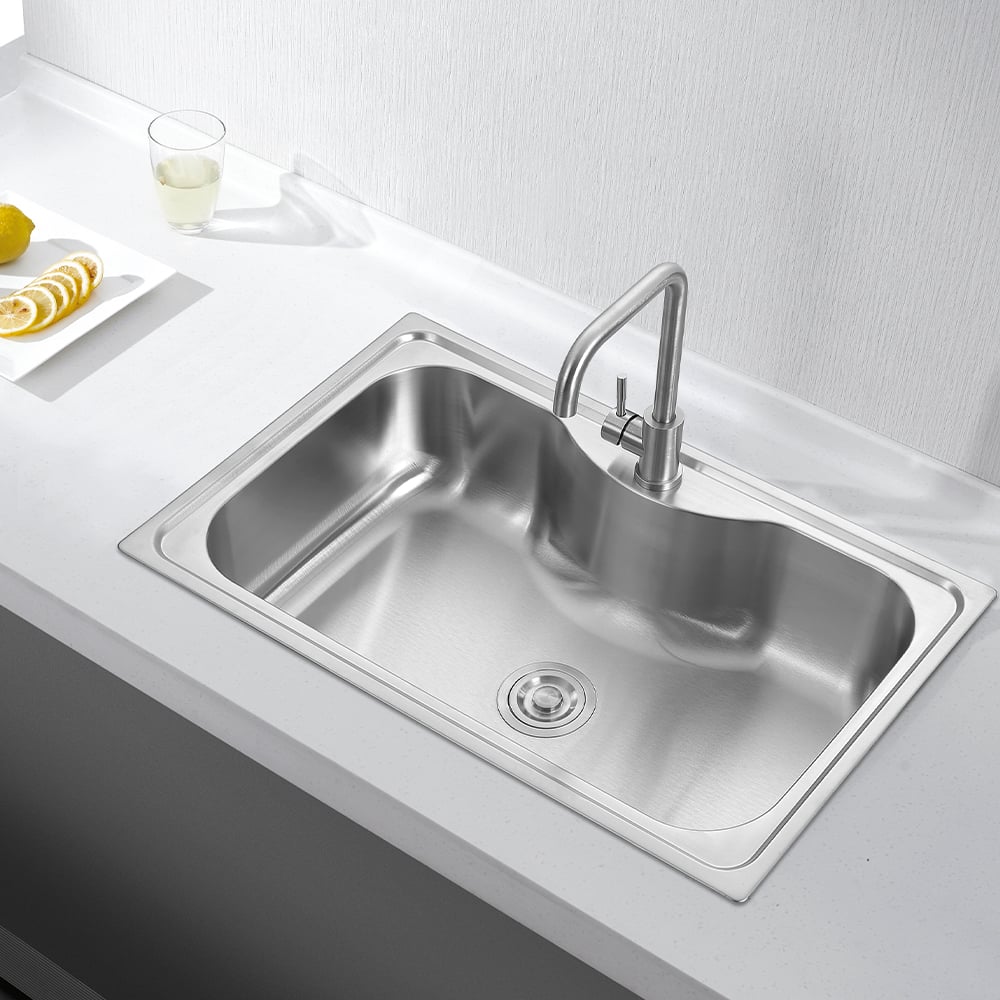
The mounting method of your sink kitchen system determines installation complexity and long-term stability. Top-mounted (drop-in) sink kitchen configurations rest on a frame secured to the countertop edge, making installation straightforward but creating a visible rim that can accumulate debris. Undermounted sink kitchen designs—where the basin sits below the counter surface—provide seamless aesthetics and easier cleanup at the sink-counter junction. A flush-mount sink kitchen option combines the benefits of both approaches but demands more precise counter preparation. Your chosen sink kitchen mounting type should align with your existing cabinetry structure and design preferences.
Faucet compatibility represents another installation consideration for your sink kitchen setup. Most sink kitchen systems feature pre-drilled holes for faucet installation, but hole count, spacing, and diameter vary significantly. Verify that your selected sink kitchen accommodates your preferred faucet type—whether a commercial-style spray, gooseneck, or low-profile option—before finalizing the purchase.
Plumbing Connection Standards
Every sink kitchen installation requires proper plumbing connections that meet local building codes. The size and configuration of drain outlet threads, whether your sink kitchen includes integrated garbage disposal provisions, and water supply line connections all influence installation feasibility. A professionally designed sink kitchen system includes documentation specifying exact plumbing requirements and compatibility standards. Confirming these details before purchase prevents costly rework after installation.
FAQ
What is the ideal depth for a residential sink kitchen?
The ideal depth for a residential sink kitchen ranges from 8 to 10 inches, allowing comfortable washing of most cookware while minimizing back strain. Deeper sink kitchen basins reduce splashing but may prove uncomfortable for shorter users. Shallower sink kitchen options (6 to 7 inches) save space but limit functionality with larger items. Your specific needs and physical dimensions should guide the depth selection for your sink kitchen system.
How does material thickness affect sink kitchen performance?
Material thickness, measured by gauge number, directly impacts your sink kitchen durability and sound dampening. Thicker materials (lower gauge numbers like 16) create more rigid sink kitchen structures that resist flexing and reduce noise during use. Thinner gauges (higher numbers like 20) are lighter and more affordable but may flex excessively and amplify water impact sounds in your sink kitchen during washing. Professional-grade installations typically specify 16 or 18-gauge materials for optimal sink kitchen performance.
Can a sink kitchen accommodate both washing and food preparation simultaneously?
Modern multi-bowl sink kitchen systems with integrated cutting board accessories enable simultaneous washing and food preparation workflows. A double or triple-bowl sink kitchen allows one basin for dishwashing while another contains vegetables for prep work. Removable cutting boards and colanders that integrate with your sink kitchen design maximize workspace without requiring additional counter area. This multifunctional approach transforms your sink kitchen into an efficient culinary workstation.