EN
EN


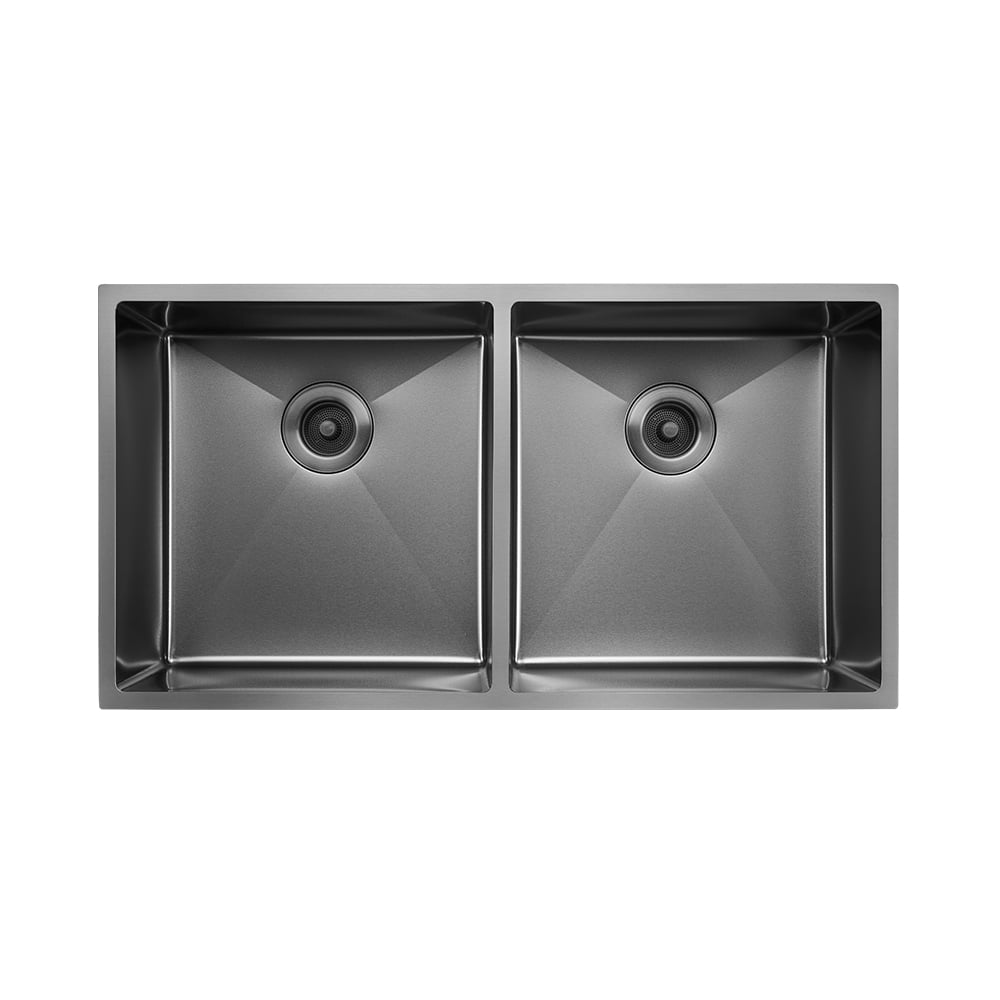
A stainless kitchen sink serves as the workhorse of any busy kitchen, whether residential or commercial. When kitchens operate at high intensity with constant use, food preparation, cleaning, and heavy workloads, the performance demands on a stainless kitchen sink become significant. Understanding how a stainless kitchen sink performs under these demanding conditions helps kitchen managers, chefs, and homeowners make informed decisions about investment and maintenance. The durability, corrosion resistance, and functional reliability of a stainless kitchen sink directly impact operational efficiency and long-term cost savings.
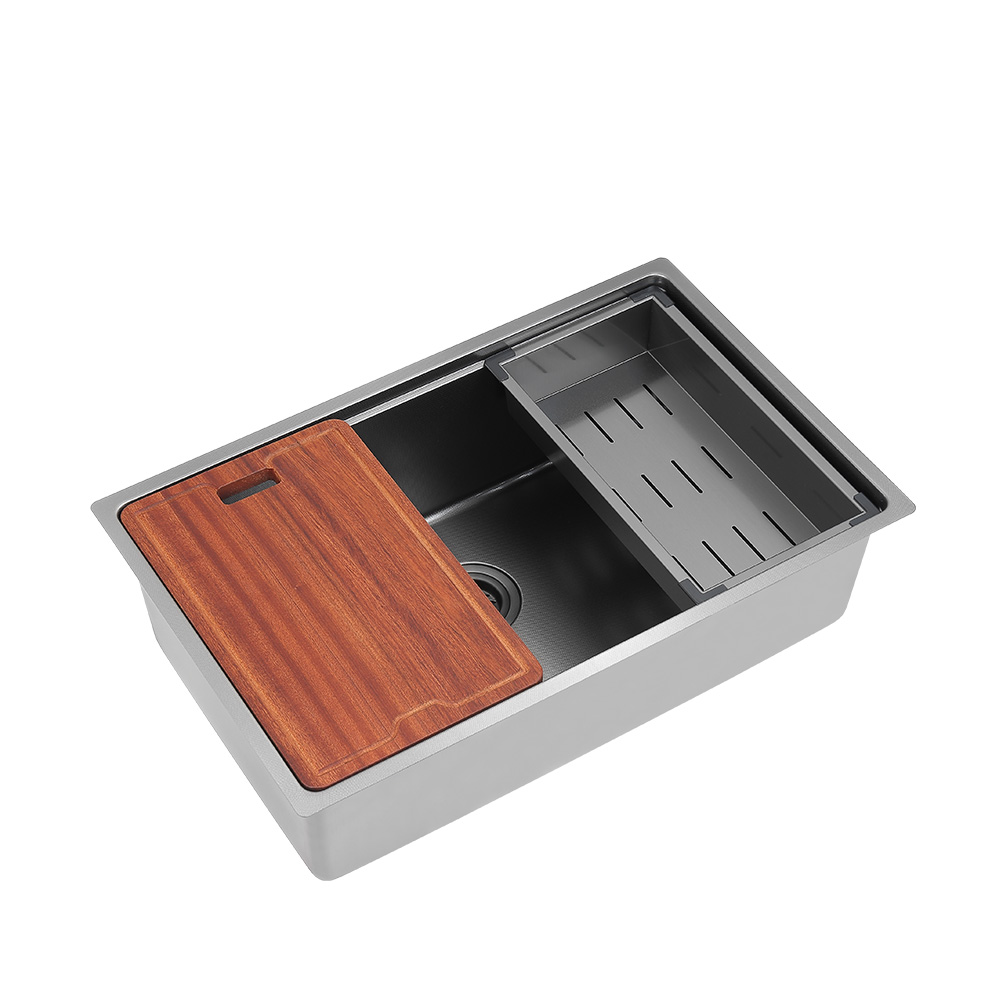
High-intensity kitchen environments present unique challenges including rapid temperature fluctuations, acidic food residues, abrasive cleaning chemicals, constant water contact, and physical impact from heavy cookware and utensils. A stainless kitchen sink must withstand these pressures while maintaining its aesthetic appeal and functional integrity. This article explores how a stainless kitchen sink performs under such demanding conditions, examines the material properties that enable superior performance, and provides practical guidance for selecting and maintaining a stainless kitchen sink in high-intensity settings.
Material Properties That Enable Stainless Kitchen Sink Performance
Chromium Content and Corrosion Resistance
The performance foundation of any stainless kitchen sink lies in its alloy composition, particularly chromium content. A high-quality stainless kitchen sink typically contains 16 to 18 percent chromium, which forms a passive oxide layer that prevents rust and corrosion. This protective layer regenerates automatically when exposed to oxygen, a critical feature for a stainless kitchen sink operating in wet environments. When acids from citrus, vinegar, or tomato-based foods come into contact with a stainless kitchen sink, the chromium layer resists pitting and surface degradation that would compromise performance.
Nickel content in a stainless kitchen sink enhances both corrosion resistance and workability. Premium grades of stainless kitchen sink contain 8 to 10 percent nickel, which strengthens the material and improves formability during manufacturing. This combination allows fabricators to create a stainless kitchen sink with fewer weak points, seams, or stress concentration areas. The result is a stainless kitchen sink that maintains structural integrity even when subjected to extreme temperature swings and mechanical stress common in high-intensity kitchens.
Surface Finish Impact on Performance
The surface finish of a stainless kitchen sink significantly influences its practical performance under demanding use. A brushed finish on a stainless kitchen sink provides superior scratch resistance compared to polished alternatives, making it ideal for high-intensity environments where aesthetic concerns compete with durability requirements. The brushed texture of a stainless kitchen sink also hides water spots and mineral deposits better than reflective finishes, reducing cleaning frequency and maintenance burden. Commercial kitchens increasingly prefer a stainless kitchen sink with brushed finish precisely because performance remains excellent even when the surface shows natural patina from regular use.
Grade selection fundamentally affects stainless kitchen sink performance longevity. Grade 304 stainless steel, the standard for a residential stainless kitchen sink, offers good corrosion resistance at approximately 16 to 18 percent chromium and 8 to 10 percent nickel. Grade 316 stainless steel, used in premium a stainless kitchen sink for commercial applications, adds molybdenum which dramatically improves resistance to chloride-induced pitting. In high-intensity kitchens near coastal areas or facilities using salt-based cleaning protocols, a stainless kitchen sink fabricated from Grade 316 delivers measurably superior performance over the lifespan of the fixture.
Real-World Performance Under High-Intensity Conditions
Temperature Fluctuation Resilience
Professional kitchens expose a stainless kitchen sink to rapid thermal stress that would damage lesser materials. A stainless kitchen sink must handle transitions from ice-water rinsing directly to hot dishwasher discharge without warping, cracking, or developing stress fractures. The thermal conductivity of stainless kitchen sink material actually works in its favor here, distributing heat gradually rather than creating localized stress points. Quality manufacturing ensures a stainless kitchen sink bottom is properly supported and reinforced to resist the bowl-warping that occurs in poorly constructed sinks when thermal stress concentrates in unsupported areas.
Impact resistance becomes critical in high-intensity kitchens where dropped cookware, utensil contact, and operational accidents occur daily. A well-engineered stainless kitchen sink features adequate gauge thickness, typically between 18 and 16 gauge, which provides resilience against denting from dropped pans and mechanical abuse. The sound dampening undercoating applied to premium a stainless kitchen sink serves dual purposes, absorbing impact energy and reducing noise pollution in already-loud commercial spaces. This combination of material thickness and sound dampening technology means a stainless kitchen sink maintains its functional shape and performance characteristics even after years of intense use in demanding kitchen environments.
Chemical and Food Acid Resistance
The chromium-based passive layer of a stainless kitchen sink resists attack from most food acids encountered in meal preparation and cleaning routines. Citric acid from lemons and limes, acetic acid from vinegar, and malic acid from fruits and vegetables all present corrosion risks to lesser materials but have minimal impact on a properly maintained stainless kitchen sink. The performance advantage of a stainless kitchen sink extends to cleaning chemicals as well, since modern food-service detergents and sanitizers are specifically formulated to be compatible with stainless steel surfaces without compromising the protective oxide layer.
Prolonged contact between certain substances and a stainless kitchen sink can occasionally create visual discoloration without affecting structural performance. Chlorine-based cleaners, if left sitting on a stainless kitchen sink surface rather than rinsed promptly, may cause temporary surface etching or brownish staining. These cosmetic changes do not indicate performance failure of the stainless kitchen sink but rather reflect user maintenance practices. Understanding this distinction helps operators of high-intensity kitchens recognize that a stainless kitchen sink maintains its functional integrity even when cosmetic appearance requires attentive cleaning protocols to remain pristine.
Maximizing Stainless Kitchen Sink Performance Through Maintenance
Routine Care Protocols for High-Intensity Use
Proper maintenance directly determines whether a stainless kitchen sink delivers its full design performance throughout its service life. Daily rinsing with clean water after use removes food residues and prevents acidic compounds from concentrating on the stainless kitchen sink surface. Weekly cleaning with warm soapy water and a soft cloth maintains the appearance and functional integrity of a stainless kitchen sink while respecting the protective chromium oxide layer. For high-intensity kitchens processing hundreds of meals daily, this simple routine becomes part of closing procedures and ensures a stainless kitchen sink remains performance-ready for the next operational cycle.
Using appropriate cleaning tools protects the performance longevity of a stainless kitchen sink. Soft-bristled brushes and non-abrasive scrubbing pads clean effectively without scratching, whereas steel wool or harsh abrasive pads can damage the passive layer of a stainless kitchen sink. Microfiber cloths combined with appropriate cleaners remove mineral deposits and maintain the brushed finish appearance without requiring aggressive scrubbing. This gentler approach to cleaning paradoxically extends the performance life of a stainless kitchen sink because it prevents cumulative micro-damage that compromises the protective surface over time.
Addressing Hard Water and Mineral Buildup
Hard water exposure in high-intensity kitchens can create mineral deposits on a stainless kitchen sink that, while not affecting structural performance, may suggest corrosion concerns to untrained observers. White or cloudy mineral films on a stainless kitchen sink respond readily to vinegar rinses or specialized stainless steel cleaners formulated to remove mineral buildup without damaging the protective oxide layer. Regular descaling of a stainless kitchen sink used in hard water areas prevents the gradual accumulation that eventually requires aggressive cleaning intervention. This proactive approach maintains both the stainless kitchen sink appearance and ensures all drainage components function optimally throughout high-intensity operational periods.
Drain system maintenance directly impacts perceived performance of a stainless kitchen sink in high-intensity environments. Grease traps and drain strainers designed for use with a stainless kitchen sink catch debris before it enters plumbing systems, preventing backups that might suggest sink performance failure when the actual issue lies downstream. Regular cleaning of these components ensures water drains quickly from a stainless kitchen sink during busy service periods, maintaining the workflow efficiency that high-intensity kitchens demand. This holistic approach to stainless kitchen sink system maintenance recognizes that performance encompasses not just the sink basin itself but the entire operational ecosystem supporting its function.
FAQ
Does a stainless kitchen sink require special cleaning products to maintain performance?
A stainless kitchen sink performs well with basic soap and warm water for daily cleaning. Specialized stainless steel cleaners become useful for periodic deep cleaning and mineral deposit removal, particularly in hard water areas. Avoid chlorine-based bleach and steel wool on a stainless kitchen sink, as these can compromise the protective surface and reduce long-term performance. The key to maintaining a stainless kitchen sink involves gentle, consistent care rather than harsh chemical treatments.
Can a stainless kitchen sink handle constant hot water exposure in commercial kitchens?
Yes, a stainless kitchen sink handles hot water exposure exceptionally well due to the thermal properties of stainless steel. The material distributes heat evenly across the basin, preventing localized stress that causes warping or cracking. A stainless kitchen sink with adequate gauge thickness resists deformation from repeated exposure to hot dishwasher discharge and steam. Quality manufacturing ensures the drain and support structures of a stainless kitchen sink remain stable through thermal cycling that occurs thousands of times annually in high-intensity kitchens.
What makes a stainless kitchen sink superior to other sink materials for high-intensity use?
A stainless kitchen sink outperforms alternatives because it combines corrosion resistance, impact durability, thermal stability, and easy maintenance in one material. Unlike composite or ceramic sinks that crack or stain, a stainless kitchen sink maintains functional and aesthetic integrity through years of demanding use. The protective chromium oxide layer on a stainless kitchen sink regenerates automatically when scratched, ensuring long-term performance that rivals or exceeds materials costing significantly more. Additionally, a stainless kitchen sink recycles indefinitely and supports sustainability goals in environmentally conscious food service operations.