EN
EN


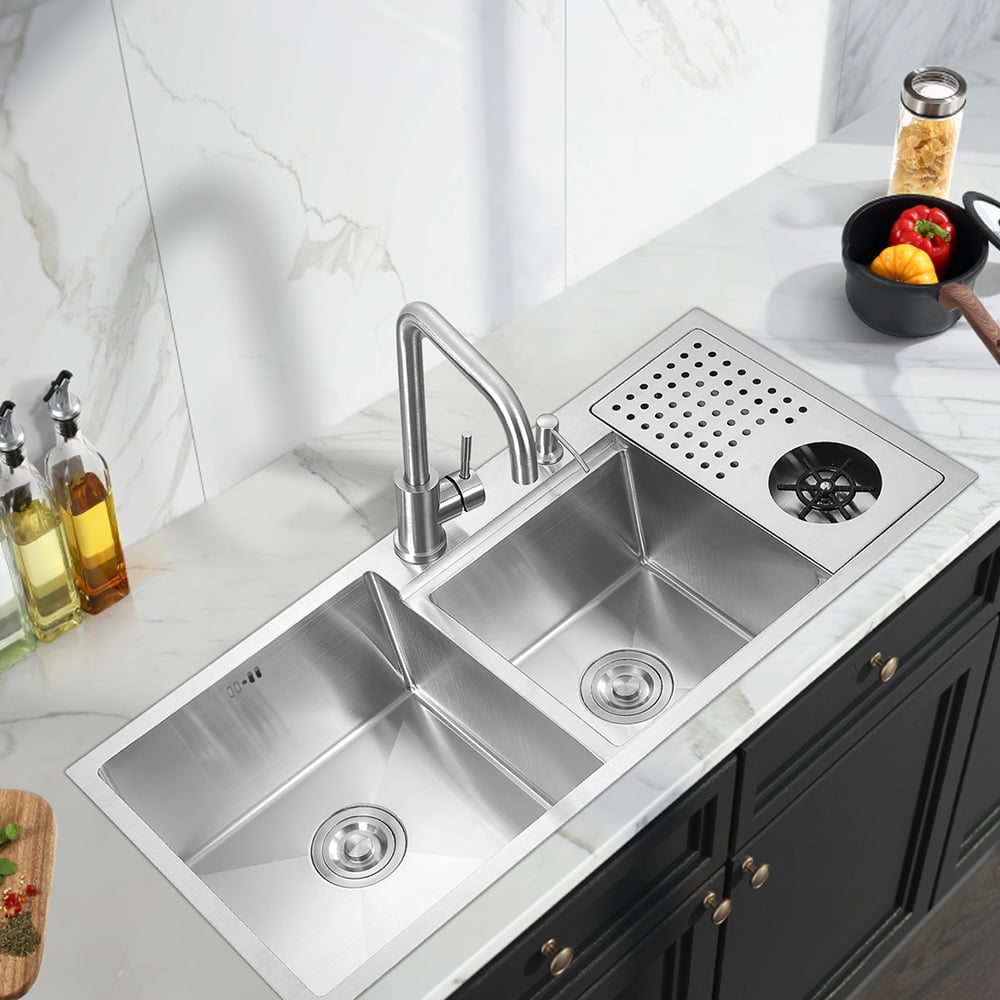
A stainless kitchen sink represents one of the most durable and long-lasting fixtures in your home, but its longevity depends on multiple interconnected factors that extend far beyond simple material composition. Understanding what influences stainless kitchen sink durability over time helps homeowners and designers make informed purchasing and maintenance decisions that preserve functionality and appearance for decades. The performance of a stainless kitchen sink is shaped by material quality, manufacturing standards, installation practices, water chemistry, maintenance routines, and daily usage patterns.
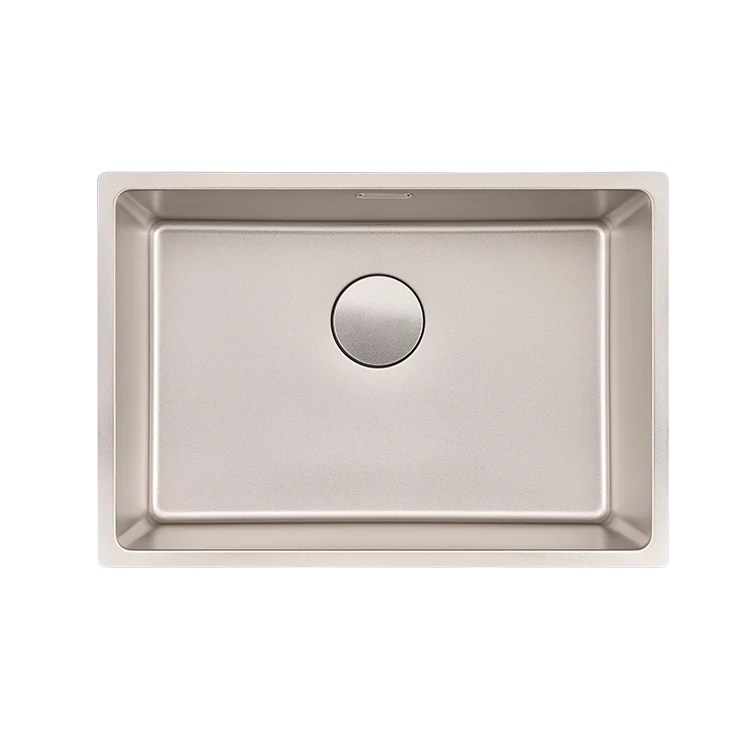
The durability of your stainless kitchen sink directly impacts your kitchen's functionality, hygiene standards, and overall aesthetic appeal. A properly selected and maintained stainless kitchen sink can serve reliably for twenty years or more, while poor choices or neglect can lead to corrosion, staining, and premature failure within five to seven years. This comprehensive guide examines the essential factors that determine how your stainless kitchen sink will perform throughout its operational lifespan.
Material Grade and Alloy Composition
Understanding Stainless Steel Classifications
The grade of stainless steel used in your stainless kitchen sink fundamentally determines its corrosion resistance and longevity potential. The most common grades for kitchen applications are 304 and 316 stainless steel, with 304 representing the standard choice for residential use and 316 offering enhanced corrosion resistance suitable for coastal or high-chloride environments. The numerical designation refers to the chromium and nickel content, where 304 contains approximately 18 percent chromium and 8 percent nickel, while 316 includes molybdenum that provides superior protection against chloride pitting. When evaluating a stainless kitchen sink, confirming the grade ensures you understand its baseline durability characteristics and suitability for your specific water conditions and usage intensity.
Nickel Content and Corrosion Resistance
Nickel content within the stainless steel alloy plays a critical role in determining how your stainless kitchen sink resists corrosion and maintains its appearance over time. Higher nickel percentages enhance passive film formation, the invisible oxide layer that protects the underlying steel from rust and pitting. A stainless kitchen sink made from 304-grade material with proper nickel content can withstand normal municipal water conditions indefinitely, while lower-quality alloys with insufficient nickel rapidly develop surface corrosion and discoloration. The interaction between alloy composition and your local water chemistry means that a stainless kitchen sink's actual durability depends partly on understanding these metallurgical properties in the context of your specific environment.
Surface Finish and Gauge Thickness
Impact of Surface Treatment
The surface finish applied to your stainless kitchen sink significantly influences both its aesthetic retention and resistance to visible damage and corrosion initiation. Satin finishes are typically more forgiving than polished finishes because they better hide water spots, fingerprints, and minor scratches that would be immediately obvious on reflective surfaces. A stainless kitchen sink with a brushed or satin finish naturally maintains a more consistent appearance throughout its lifespan, while polished finishes require more frequent cleaning and careful maintenance to preserve their original brilliance. The finish quality also affects how effectively the passive oxide layer forms and maintains itself, making the surface treatment choice essential to long-term durability expectations.
Gauge Thickness and Structural Integrity
The gauge thickness of the stainless steel used in a stainless kitchen sink directly correlates with its resistance to denting, vibration fatigue, and structural deformation under heavy use. Standard residential stainless kitchen sink applications typically employ 16, 18, or 20-gauge material, with lower gauge numbers indicating thicker, more durable construction that resists impact damage and maintains shape during the rigorous demands of daily kitchen work. An 18-gauge stainless kitchen sink offers the optimal balance between durability and weight, providing sufficient thickness to prevent flex and noise while remaining reasonably priced compared to heavier-gauge options. Thinner 20-gauge material, while cost-effective, may develop visible dimples and dents more readily, potentially compromising the sink's structural integrity over twenty-year periods.
Installation Methods and Water Quality Management
Proper Installation Practices
How your stainless kitchen sink is installed directly affects how effectively the underlying cabinet and support structure protect it from excessive movement and stress-induced failures. Improper installation that allows the sink to flex excessively can accelerate fatigue cracking around drain areas and undermine the integrity of seams and welds that define stainless kitchen sink longevity. Professional installation includes adequate support structures, proper caulking and sealing that prevents water infiltration behind the sink, and positioning that prevents the sink from bearing unsupported weight that could cause deformation. An improperly installed stainless kitchen sink may fail structurally or develop corrosion from water penetration long before material degradation would naturally occur under ideal conditions.
Local Water Chemistry and Maintenance Protocols
Your regional water chemistry, including mineral content, chloride levels, and pH balance, directly influences stainless kitchen sink durability and the specific maintenance routines necessary to preserve material integrity. Hard water with high mineral content can leave deposits on your stainless kitchen sink that, if left unattended, initiate corrosion through concentrated mineral acid formation, while soft water with low chloride content represents the ideal environment for extending stainless kitchen sink longevity. Regular maintenance that includes rinsing after use, periodic cleaning with appropriate stainless steel cleaners, and prompt drying of standing water dramatically extends the functional lifespan of your stainless kitchen sink regardless of water conditions. Homeowners in coastal regions or areas with softened water containing elevated sodium levels must implement more frequent maintenance routines to prevent pitting and discoloration that would otherwise compromise a stainless kitchen sink's appearance and performance.
Usage Patterns and Environmental Factors
Daily Use Impact on Durability
The intensity and nature of daily use directly determine how quickly a stainless kitchen sink experiences wear, surface degradation, and potential failure of critical components like drains and overflow systems. Commercial kitchen environments subject a stainless kitchen sink to continuous exposure to food acids, oils, and high-temperature water that accelerate corrosion and material fatigue compared to typical residential usage patterns. Households with high water volume demands, frequent cooking activities, or use of acidic food materials must select a stainless kitchen sink with thicker gauge material and higher-grade alloys to compensate for accelerated wear and stress. The drainage frequency, water temperature extremes, and frequency of impact events from dropped cookware all contribute to determining realistic durability expectations for your stainless kitchen sink over its intended service life.
Chemical and Environmental Exposure
Exposure to certain cleaning chemicals, acidic foods, and environmental contaminants can significantly reduce stainless kitchen sink durability if the sink is not carefully maintained with compatible materials and cleaning methods. Chlorine-based cleaners, bleach, and abrasive scouring powders can damage the protective passive film that makes a stainless kitchen sink corrosion-resistant, creating vulnerability to pitting and rust formation in affected areas. Prolonged contact with acidic substances such as vinegar, citrus juice, or certain foods can create localized corrosion if the material is not rinsed promptly and thoroughly dried after exposure. Understanding which cleaning products and food materials are compatible with your stainless kitchen sink ensures that maintenance activities actually protect rather than accelerate degradation of the protective oxide layer.
FAQ
How often should I clean my stainless kitchen sink to maintain durability?
Your stainless kitchen sink should be rinsed and dried after each use to prevent water spotting and mineral deposit accumulation that can initiate corrosion. Weekly deep cleaning with appropriate stainless steel cleaner maintains the passive oxide layer that protects your stainless kitchen sink from rust and pitting. In areas with hard water or high mineral content, more frequent cleaning may be necessary to prevent visible deposits and extend the longevity of your stainless kitchen sink's appearance and material integrity.
Can hard water damage a stainless kitchen sink over time?
Hard water mineral deposits left on your stainless kitchen sink can create acidic concentrations that initiate pitting and corrosion if not regularly removed through appropriate cleaning methods. While a stainless kitchen sink's base material resists corrosion, the mineral films and salts deposited by hard water can trap moisture and promote localized attack on the protective oxide layer. Installing a water softener or implementing more frequent cleaning routines helps protect your stainless kitchen sink from hard water damage and preserves its appearance throughout its service life.
What is the typical lifespan of a quality stainless kitchen sink?
A high-quality stainless kitchen sink manufactured from 304-grade material with proper gauge thickness and installed correctly typically lasts twenty to thirty years or longer with appropriate maintenance. Residential stainless kitchen sink longevity depends significantly on water quality, maintenance consistency, and usage intensity, with well-maintained models often outlasting initial durability expectations. Premium-grade 316 stainless kitchen sink options in challenging environments such as coastal regions can provide comparable longevity to 304 models in standard conditions, justifying the additional investment for extended performance and reliability.