EN
EN


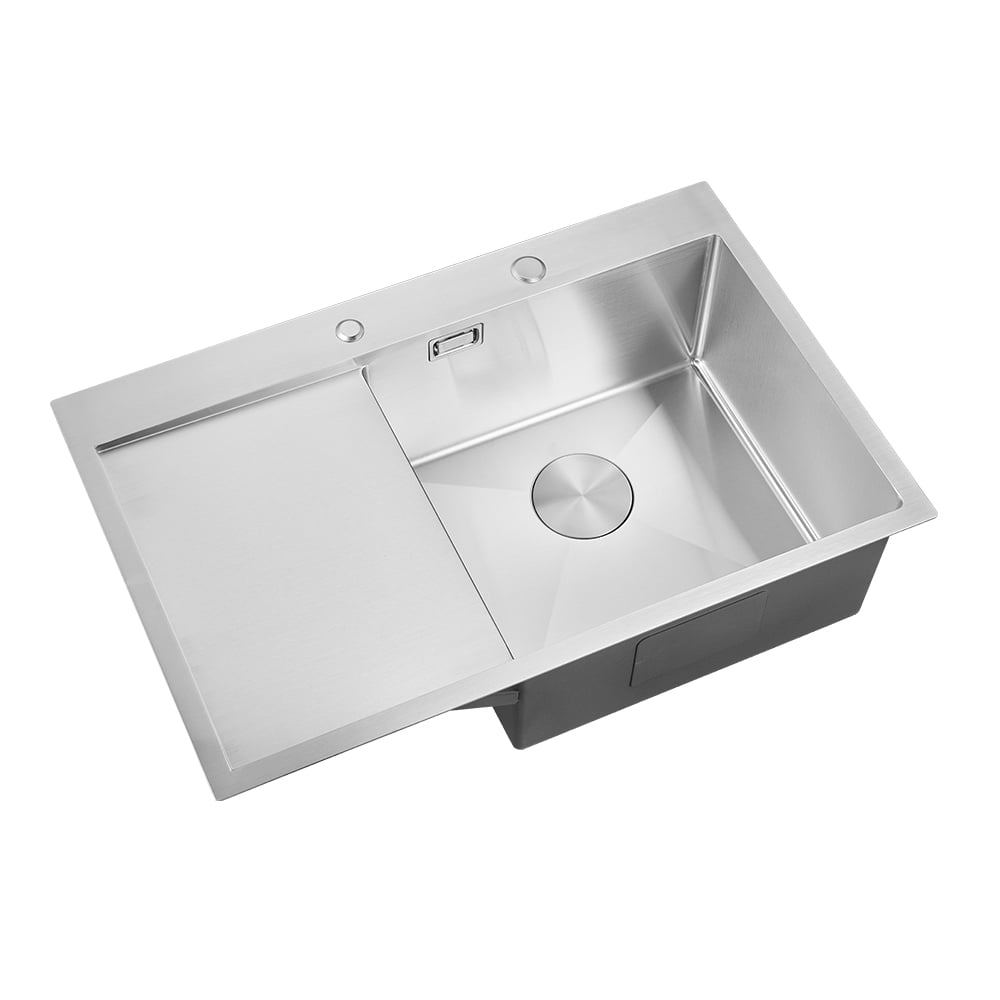
The structural integrity of a stainless kitchen sink depends significantly on its thickness, a factor that directly influences how well it performs under daily use and resists damage. Most homeowners and kitchen designers overlook thickness specifications when selecting a stainless kitchen sink, yet this single dimension determines whether your sink will develop dents, flex under weight, or maintain its pristine appearance for decades. The gauge of material used in a stainless kitchen sink essentially controls its ability to withstand impact, heavy loading, and thermal stress without permanent deformation or structural failure.
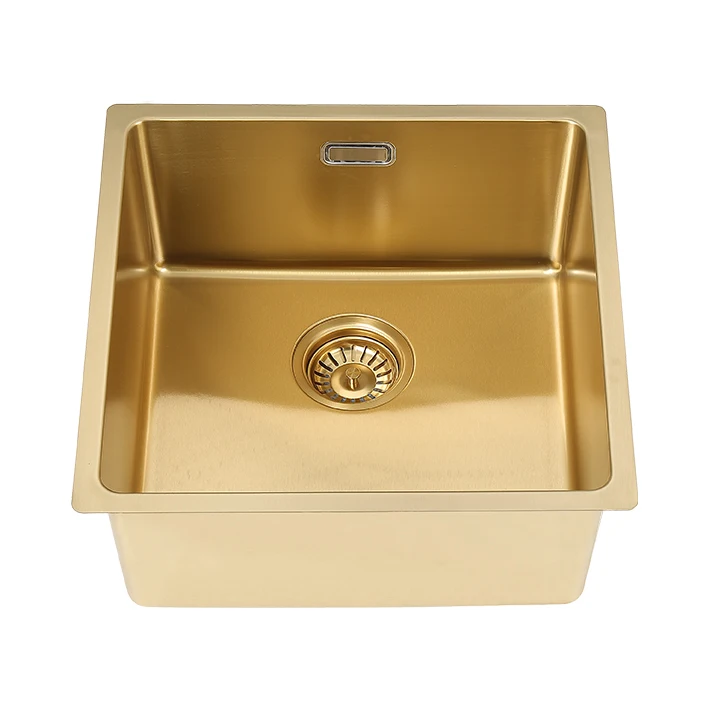
Understanding why a stainless kitchen sink requires adequate thickness is essential for making an informed investment in your kitchen infrastructure. A properly specified stainless kitchen sink with appropriate thickness will resist denting, maintain dimensional stability, and deliver superior structural performance compared to thinner alternatives. This guide explores the critical relationship between stainless kitchen sink thickness and structural strength, helping you understand material specifications and make decisions that protect your kitchen investment.
Understanding Stainless Kitchen Sink Gauge and Material Thickness
What Gauge Means for Your Stainless Kitchen Sink
Gauge measurement for a stainless kitchen sink refers to the thickness of the steel material used in fabrication, with lower gauge numbers indicating thicker material. A stainless kitchen sink manufactured at 18-gauge typically measures approximately 1.5 millimeters thick, while 16-gauge material reaches about 1.9 millimeters. The distinction may seem marginal, but these small differences in a stainless kitchen sink thickness create substantial variations in structural capability and durability performance. Premium stainless kitchen sink products frequently use 16-gauge or even 14-gauge material to ensure maximum strength and resistance to damage during installation and daily operation.
How Thickness Affects Structural Performance
The structural performance of a stainless kitchen sink improves dramatically as material thickness increases because greater mass resists deformation under applied force. When you drop a heavy pot into a thin stainless kitchen sink, the material flexes and may retain permanent denting because insufficient material mass cannot absorb and dissipate the impact energy. Conversely, a thicker stainless kitchen sink with adequate gauge specification will absorb the same impact without visible damage because the increased material density provides superior rigidity and elastic recovery. The thickness of your stainless kitchen sink essentially determines its shock absorption capacity and resistance to permanent plastic deformation.
Structural Strength Benefits of Proper Stainless Kitchen Sink Thickness
Impact Resistance and Dent Prevention
A stainless kitchen sink manufactured with appropriate thickness delivers measurable impact resistance that protects against everyday hazards in busy kitchens. Cookware, utensils, and food preparation activities create continuous impact loads that gradually damage thin-gauge sinks through accumulated denting and surface deformation. When you invest in a stainless kitchen sink with 16-gauge or thicker material, the enhanced structural mass directly resists these impacts and maintains the sink's visual appearance and functional integrity over extended use periods. The superior rigidity of a properly specified stainless kitchen sink prevents the flexing motion that triggers stress concentration and eventual crack formation at stress points around drain fittings and corner welds.
Load Distribution and Weight Handling
A stainless kitchen sink with adequate thickness distributes applied loads more uniformly across the basin surface, preventing localized stress concentration that weakens structural components. When you fill a stainless kitchen sink with water or place heavy cookware inside during food preparation, the material thickness determines how effectively the structure resists deflection and maintains dimensional stability. Thicker material in a stainless kitchen sink provides superior load-bearing capacity that accommodates heavy cast iron cookware, multiple full pots, and intensive food preparation work without flexing or deforming. The structural strength of a stainless kitchen sink under load conditions directly correlates with material gauge, making thickness a critical specification for kitchens with demanding usage patterns.
Thermal Stress Tolerance and Temperature Cycling
Temperature fluctuations in kitchen environments create thermal stresses that challenge the structural integrity of any stainless kitchen sink through repeated expansion and contraction cycles. A stainless kitchen sink manufactured with inadequate thickness cannot accommodate thermal stress without developing small cracks and stress fractures that initiate structural failure. When your stainless kitchen sink experiences rapid temperature changes—such as switching from hot water to cold rinses—thicker material distributes the resulting thermal stresses across greater material mass, reducing local strain concentrations. The thermal resilience of a properly specified stainless kitchen sink helps maintain structural integrity through countless temperature cycles over the sink's operational lifetime, preventing stress-related cracking and material degradation.
Selecting the Right Stainless Kitchen Sink Thickness for Your Needs
Gauge Recommendations for Residential Applications
Most residential stainless kitchen sink applications benefit from 18-gauge material as a minimum specification, though 16-gauge represents the preferred standard for optimal structural performance and durability. An 18-gauge stainless kitchen sink costs less than premium alternatives but sacrifices some impact resistance and long-term structural reliability for budget considerations. For homeowners prioritizing durability and longevity, a 16-gauge stainless kitchen sink delivers substantially better structural strength and dent resistance without excessive cost premium. Premium installations often specify 14-gauge stainless kitchen sink material when budget permits, creating exceptionally rigid structures that resist damage under virtually all residential use conditions.
Commercial Grade Specifications and High-Volume Applications
Commercial kitchens and high-volume food service operations typically require 16-gauge or thicker stainless kitchen sink material to withstand intensive daily use and harsh operational environments. A commercial-grade stainless kitchen sink must resist repeated thermal shock, constant impact from commercial cookware, and pressure from heavy food prep activities that exceed typical residential demands. Many commercial codes and equipment standards mandate minimum 16-gauge thickness for stainless kitchen sink installations because thinner material fails prematurely under commercial stress conditions. When evaluating a stainless kitchen sink for commercial or semi-commercial use, verify that thickness specifications meet or exceed industry standards for your specific application.
Practical Thickness Inspection and Verification
Before purchasing a stainless kitchen sink, request gauge specifications from manufacturers and verify claims through physical inspection or professional measurement when possible. A stainless kitchen sink specification sheet should clearly state gauge number and material thickness in both millimeters and gauge units to ensure transparent communication. You can perform a simple assessment of a stainless kitchen sink by noting its weight relative to overall dimensions—heavier sinks typically indicate thicker material and superior structural capacity than lightweight alternatives of similar size. When comparing stainless kitchen sink options, confirm that thickness specifications appear in writing rather than relying on sales representations, as this protects your investment and ensures you receive the structural quality you expect.
FAQ
Does a thicker stainless kitchen sink always cost significantly more?
The price difference between a thin stainless kitchen sink and a thicker alternative varies by manufacturer and product line, but premium thickness typically adds fifteen to thirty percent to the total cost. This price differential remains quite reasonable when considering the extended lifespan and superior performance that a properly specified stainless kitchen sink provides over twenty to thirty years of use. Many homeowners find that investing in adequate thickness for their stainless kitchen sink delivers better long-term value through reduced maintenance, fewer dents, and extended structural integrity compared to cheaper thin-gauge alternatives.
Can a thin stainless kitchen sink be reinforced to improve structural strength?
Some manufacturers add internal bracing or reinforcement patterns to a stainless kitchen sink to partially compensate for thin material gauge, though this approach never fully replaces the structural advantages of inherently thicker material. A stainless kitchen sink with strategic ribbing or reinforcement ribs underneath the basin can reduce flexing and improve performance compared to unsupported thin material, but reinforced thin-gauge construction cannot match the structural reliability of naturally thicker material. When evaluating a stainless kitchen sink with reinforcement features, remember that these enhancements represent compromises designed to reduce manufacturing costs while maintaining barely adequate structural performance.
What warning signs indicate a stainless kitchen sink has inadequate thickness?
A stainless kitchen sink with insufficient thickness will exhibit visible flexing or movement when you press firmly on the basin walls, easily develop visible dents from dropped cookware, and may show stress cracking around drain fittings or corners. If your existing stainless kitchen sink feels thin and flimsy when touched, exhibits permanent denting from normal use, or shows signs of stress-related damage, these symptoms indicate that material thickness fell below adequate specifications. Replacing an inadequately specified stainless kitchen sink with a properly gauged alternative represents a wise investment that eliminates structural frustration and delivers years of reliable performance.