
Get a Free Quote

Our representative will contact you soon.
Email
Name
Mobile/WhatsApp
Company Name
Message
0/1000

Why Are Undermount Sinks Widely Used in Modern Kitchen Projects?

2026-01-13 15:30:00
Why Are Undermount Sinks Widely Used in Modern Kitchen Projects?

Modern kitchen design has evolved dramatically over the past decade, with homeowners and designers increasingly prioritizing seamless aesthetics and functional efficiency. Among the most significant trends shaping contemporary kitchen projects is the widespread adoption of undermount sinks, which have become the preferred choice for both residential and commercial applications. These innovative sink installations offer a perfect blend of visual appeal, practical functionality, and long-term durability that traditional drop-in sinks simply cannot match.

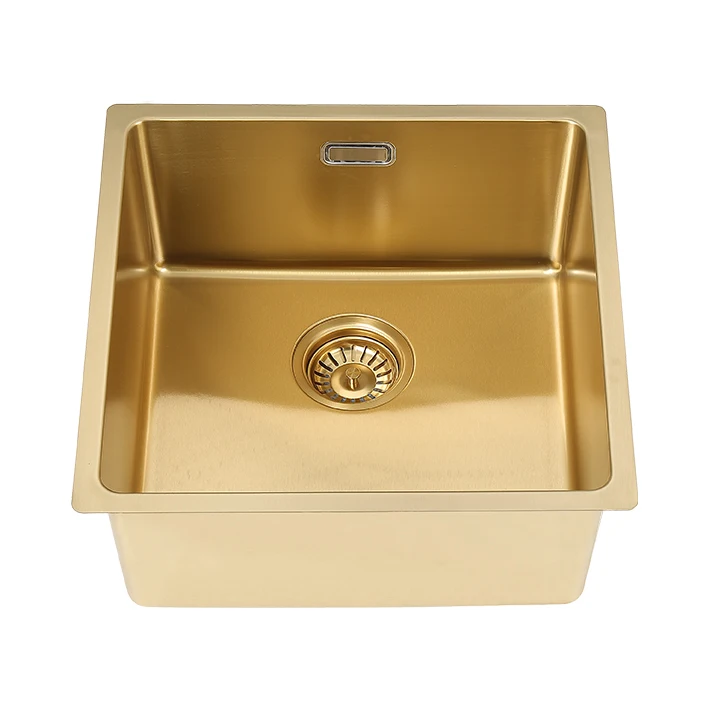
undermount sinks

The popularity of undermount sinks stems from their ability to create uninterrupted countertop surfaces that enhance the overall kitchen workflow. Unlike conventional sink installations, these fixtures are mounted beneath the countertop, eliminating visible rim edges that can collect debris and compromise the clean lines that define modern kitchen aesthetics. This installation method has revolutionized how designers approach kitchen layouts, enabling more sophisticated material combinations and streamlined visual presentations.

Design Excellence and Visual Impact

Seamless Countertop Integration

The most compelling advantage of undermount sinks lies in their ability to create seamless transitions between sink and countertop surfaces. This integration eliminates the traditional rim barrier that characterizes drop-in installations, allowing countertop materials to flow uninterrupted to the sink edge. The result is a sophisticated appearance that emphasizes the natural beauty of premium countertop materials like granite, quartz, and marble.

Professional kitchen designers consistently choose undermount sinks for high-end projects because they enhance the perceived value of the entire kitchen space. The clean, unbroken lines create a sense of spaciousness and luxury that resonates with contemporary design sensibilities. This visual continuity is particularly important in open-concept homes where kitchens serve as focal points for entertaining and daily family activities.

Material Versatility and Aesthetic Flexibility

Undermount sinks offer exceptional compatibility with various countertop materials, making them ideal for diverse design schemes. Whether paired with engineered quartz for modern minimalist kitchens or natural stone for transitional spaces, these sinks adapt seamlessly to different aesthetic preferences. The installation method allows designers to showcase premium countertop investments without visual interruption from sink rims or mounting hardware.

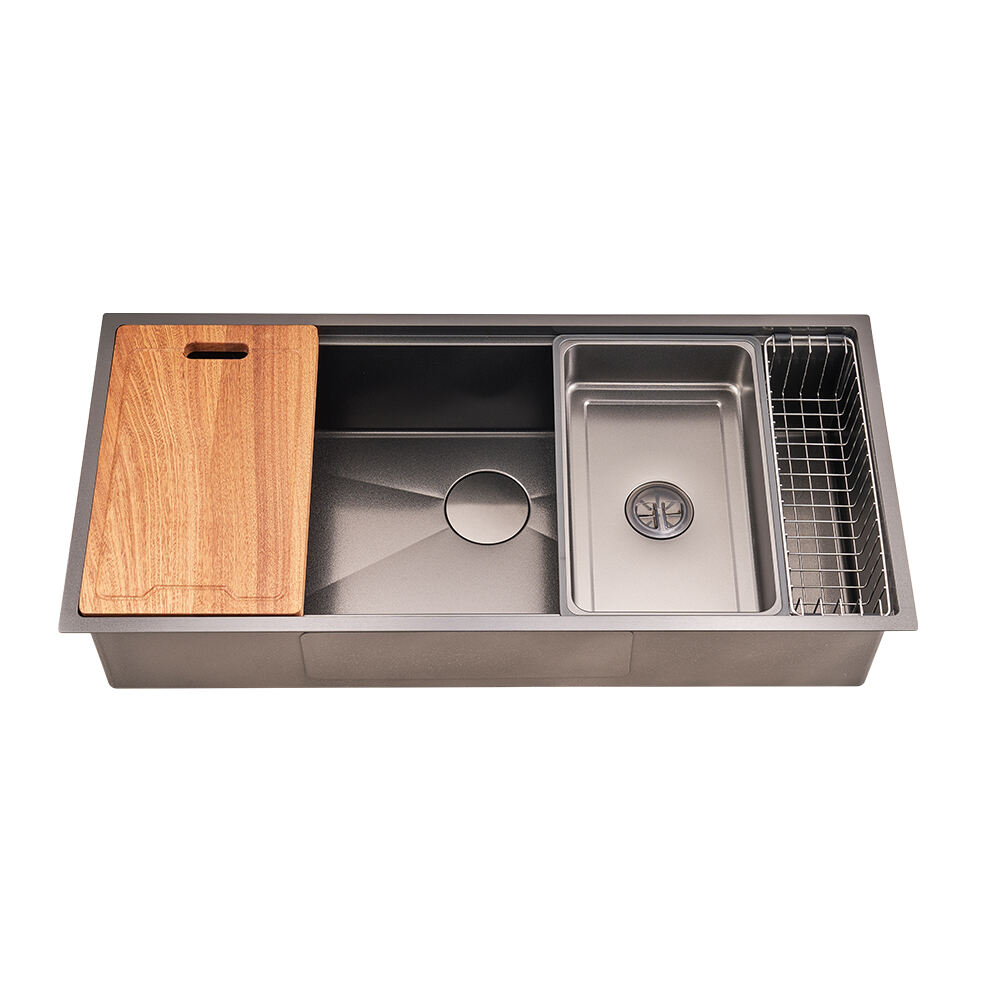
The flexibility extends beyond material compatibility to include size and configuration options. undermount sinks are available in single, double, and even triple basin configurations, allowing designers to customize functionality based on specific user needs and available space. This versatility has made them the standard choice for both compact urban kitchens and expansive suburban cooking spaces.

Functional Advantages and Practical Benefits

Enhanced Cleaning Efficiency

One of the most significant practical advantages of undermount sinks is their superior cleaning efficiency compared to traditional drop-in models. Without a raised rim to obstruct the flow of debris, users can easily sweep crumbs, liquids, and food particles directly from the countertop into the sink basin. This streamlined cleaning process saves time during daily kitchen maintenance and promotes better hygiene standards.

The absence of rim crevices eliminates common collection points for bacteria, grease, and food residue that can accumulate in traditional sink installations. Professional chefs and serious home cooks particularly appreciate this feature, as it supports the rigorous cleanliness standards required for food preparation. The smooth transition between countertop and sink also reduces the risk of standing water that can lead to bacterial growth or surface damage.

Improved Workspace Functionality

Undermount sinks significantly enhance kitchen workspace functionality by maximizing available countertop area. The elimination of sink rims creates additional usable surface space around the perimeter, which is particularly valuable in smaller kitchen layouts where every square inch matters. This expanded workspace allows for more efficient food preparation and reduces the need for additional cutting boards or prep surfaces.

The improved functionality extends to dishwashing and food preparation tasks, where the seamless transition allows users to slide items directly from countertop to sink without lifting over rim barriers. This ergonomic advantage reduces physical strain during extended cooking sessions and creates a more intuitive workflow for kitchen activities. Professional kitchen designers consistently report that clients express higher satisfaction levels with undermount sink installations due to these practical benefits.

Installation Considerations and Technical Requirements

Structural Support and Mounting Systems

Successful undermount sink installation requires careful attention to structural support systems and proper mounting techniques. Unlike drop-in sinks that rest on countertop surfaces, undermount sinks rely on specialized brackets and adhesive systems to maintain secure attachment. The installation process demands precise measurements and professional expertise to ensure long-term stability and prevent potential failure points.

The mounting system typically involves a combination of mechanical fasteners and high-strength adhesives specifically designed for undermount applications. These systems must account for the weight of the sink, water load, and potential dynamic forces from daily use. Professional installation ensures proper load distribution and creates watertight seals that prevent moisture infiltration into cabinetry structures.

Countertop Compatibility and Edge Finishing

Not all countertop materials are suitable for undermount sink installations, making material selection a critical consideration in kitchen planning. Natural stone materials like granite and marble require professional cutting and polishing to create smooth, sealed edges that can withstand constant moisture exposure. Engineered materials like quartz typically offer better consistency and easier fabrication for undermount applications.

The edge finishing process involves creating precise cutouts with polished edges that complement the sink profile. This fabrication work must be performed by experienced professionals using specialized equipment to achieve the tight tolerances required for proper fit and seal integrity. The investment in professional installation pays dividends in long-term performance and aesthetic quality.

Material Options and Performance Characteristics

Stainless Steel Excellence

Stainless steel remains the most popular material choice for undermount sinks due to its exceptional durability, corrosion resistance, and maintenance simplicity. High-quality stainless steel undermount sinks feature heavy-gauge construction that provides excellent resistance to denting and scratching while maintaining their appearance over extended use periods. The material's non-porous surface prevents bacterial growth and makes cleaning straightforward.

Modern stainless steel undermount sinks incorporate advanced manufacturing techniques that create deeper basins, quieter operation, and improved scratch resistance. Premium models feature brushed or satin finishes that hide water spots and minor scratches, maintaining their appearance with minimal maintenance. The material's compatibility with all countertop types and design styles has made stainless steel the default choice for many kitchen projects.

Composite and Alternative Materials

Composite materials have emerged as popular alternatives to traditional stainless steel for undermount sink applications. These engineered materials combine natural stone particles with resin binders to create surfaces that resist staining, scratching, and heat damage. Composite undermount sinks offer color matching opportunities with countertop materials and provide excellent sound dampening properties.

Fireclay and cast iron undermount sinks appeal to homeowners seeking distinctive aesthetic characteristics and exceptional durability. These materials require specific installation considerations due to their weight but offer unique visual appeal and long-term performance that justifies the additional complexity. The choice of sink material significantly influences the overall kitchen design and should align with intended use patterns and maintenance preferences.

Cost Considerations and Return on Investment

Initial Investment and Installation Costs

The initial cost of undermount sinks typically exceeds that of comparable drop-in models due to more complex manufacturing requirements and installation demands. Professional installation is essential for undermount applications, adding labor costs that must be factored into project budgets. However, the long-term benefits and aesthetic improvements often justify the additional investment for homeowners and commercial operators.

Installation costs vary significantly based on countertop material, sink size, and local labor rates. Projects involving natural stone countertops require specialized cutting and finishing work that increases installation complexity and cost. Budget planning should account for potential complications that may arise during installation, particularly in renovation projects where existing cabinet structures may require modification.

Long-Term Value and Market Appeal

Undermount sinks consistently deliver strong returns on investment through improved property values and market appeal. Real estate professionals report that kitchens featuring undermount sinks photograph better and appeal to a broader range of potential buyers. The premium appearance and functional advantages create lasting value that extends well beyond the initial installation period.

Maintenance costs for undermount sinks are generally lower than traditional installations due to easier cleaning and reduced wear on adjacent surfaces. The elimination of rim crevices reduces the need for specialized cleaning products and extended maintenance routines. Professional property managers often specify undermount sinks for rental properties because they maintain their appearance longer and require less frequent replacement.

FAQ

What countertop materials work best with undermount sinks

Solid surface materials like granite, quartz, and marble work exceptionally well with undermount sinks because they can be cut and polished to create watertight seals. Laminate countertops are not suitable for undermount installations due to their particle board substrate and lack of structural integrity around cut edges. Engineered quartz offers the most consistent results for undermount applications due to its uniform density and non-porous characteristics.

How much additional cost should I expect for undermount sink installation

Professional installation of undermount sinks typically costs 50-100% more than drop-in installations due to specialized cutting, mounting hardware, and sealing requirements. The total additional cost ranges from $200-600 depending on countertop material, sink size, and local labor rates. Natural stone countertops require the most expensive installation due to precision cutting and edge polishing requirements.

Do undermount sinks require special maintenance procedures

Undermount sinks require minimal special maintenance beyond regular cleaning with mild detergents and periodic inspection of mounting hardware. The sealed junction between sink and countertop should be checked annually for signs of separation or water infiltration. Professional re-sealing may be required every 5-10 years depending on use intensity and environmental conditions, but this maintenance is typically less demanding than traditional sink rim cleaning.

Can undermount sinks be installed in existing kitchens

Retrofitting existing kitchens with undermount sinks is possible but often requires countertop replacement and cabinet modifications. The process involves evaluating existing cabinet structure for adequate support, cutting new sink openings with proper edge finishing, and installing appropriate mounting systems. Renovation projects should budget for potential complications including plumbing relocations and cabinet reinforcement requirements that may arise during the conversion process.

why are undermount sinks widely used in modern kitchen projects-0